
Planting
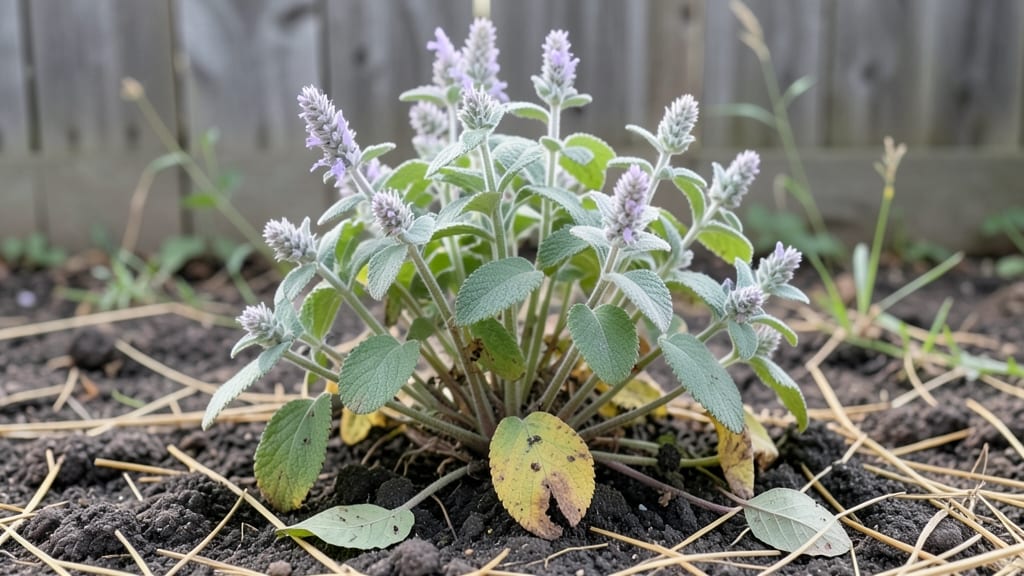
Growing catnip plant flowers is like planting a catnip buffet that your feline friends will never resist. 🌿 I learned the hard way that catnip thrives on neglect—too much fuss and it bolts—but get the balance right, and you’ll have fragrant purple blooms from early summer until frost.
The secret lies in its hardiness: this perennial handles poor soil, drought, and even deer nibbling, making it a low-maintenance star for any sunny spot.
You’ll need full sun for at least 6 hours daily, well-draining soil (even sandy or rocky works), and minimal watering once established. Start with seeds in spring or divide mature plants in early fall—both methods are foolproof.
The real magic happens when you let it grow wild: the more you prune, the bushier and more fragrant it becomes, and those tiny purple flowers are irresistible to cats (and pollinators too).
By midsummer, your catnip will be a feline magnet, with cats rolling, rubbing, and purring in the vicinity. The leaves stay potent for months, and you can dry them for winter treats or herbal remedies.
Just avoid overwatering—this plant would rather survive than thrive, and that’s exactly how it stays productive year after year.
Works in zones 3-9, whether in garden beds, containers, or even as a living cat toy. Once planted, it’s basically set-and-forget—just watch your cats take over. Here’s how to get started without the guesswork.
📚 In This Guide
- What you need
- Instructions
- Tips and common mistakes
- Wrapping up and next steps
What you need
- ● Catnip Seeds: 20-50 seeds (or 1-2 nursery-grown seedlings for faster results). Opt for organic, non-GMO seeds for best results.
- ● Growing Containers: 5-10 inch pots (if starting indoors) or
- ● A well-draining garden bed (6+ inches deep, full sun exposure).
- ● Potting Mix: 2-3 bags of high-quality, well-draining soil (e.g., Miracle-Gro Potting Mix or a 50/50 blend of peat moss and perlite).
- ● Fertilizer: Balanced, water-soluble fertilizer (e.g., 10-10-10 NPK) or organic compost (like worm castings).
- ● Watering Can or Hose: With a gentle spray nozzle to avoid disturbing seeds.
- ○ Gloves (Optional): To protect hands from prickly stems when handling mature plants.
- ● Sunlight: 6+ hours of direct sunlight daily (south-facing windows or outdoor plots work best).
- ● Temperature: Ideal germination range: 60-75°F (15-24°C). Avoid frost-prone areas.
- ● Drainage: Ensure containers or beds have drainage holes to prevent root rot.
- ● Patience: Seeds take 7-14 days to sprout; flowers appear in 60-90 days.
Step-by-Step guide to growing catnip with fragrant flowers
Here's how to cultivate a thriving catnip patch that blooms beautifully while keeping your cats happy.
🌱 Step 1: Choose the Perfect Location and Prepare the Soil
Catnip thrives in full sun—at least 6 hours daily. I always pick the sunniest spot in my garden because even partial shade reduces flowering. The soil needs excellent drainage, so if your yard stays damp, amend with 1 part perlite to 3 parts garden soil.
Loosen the top 6 inches of soil with a garden fork to aerate roots. Mix in 2 cups of compost per square foot to enrich nutrients. Catnip isn't fussy, but rich soil produces more vigorous plants with abundant blooms. Smooth the surface with a rake to create a fine seedbed.
🌱 Step 2: Plant Seeds at the Right Depth and Spacing
Scatter seeds 1/4 inch deep in rows 12-18 inches apart—this gives mature plants room to spread. I like to space them 6 inches apart within rows for a dense, bushy look. Press seeds lightly into the soil with your fingers; don't cover them with more than a sprinkle of dirt.
Water gently but thoroughly right after planting so the soil settles around the seeds. Keep the area consistently moist until germination, which takes 7-14 days. You'll see tiny green sprouts first, followed by the first true leaves. Thin seedlings to 12 inches apart when they reach 2 inches tall—this prevents overcrowding and ensures strong plants.
☀️ Step 3: Maintain Moisture and Fertility for Blooms
Water catnip 1 inch per week, more during hot spells. The key is consistent moisture—let the top 1 inch of soil dry between waterings. I water early in the morning so leaves dry quickly, reducing fungal risks. Mulch with 2 inches of straw or shredded leaves to retain moisture and suppress weeds.
Feed plants with 5-10-10 fertilizer every 4-6 weeks during the growing season. You'll notice more abundant flowers and a stronger fragrance when plants get regular nutrients. Stop fertilizing in late summer to encourage blooming instead of leafy growth.
✂️ Step 4: Prune and Encourage Continuous Flowering
Pinch back tips when plants reach 6 inches tall to promote bushier growth. This simple step prevents leggy stems and triggers more side branches. Deadhead spent flowers regularly—snip them off at the base with clean scissors. This redirects energy to new blooms instead of seed production.
Catnip blooms best when pruned lightly. I cut back one-third of the plant height in early spring and again after flowering to maintain shape. The plant's natural scent intensifies after pruning, making it even more appealing to cats.
🐱 Step 5: Harvest and Enjoy the Fragrant Blooms
Harvest leaves and flowers anytime they're dry to the touch. I pick them in the morning after dew dries but before the sun gets too hot. Bundle stems and hang them upside down in a dry, dark place for 1-2 weeks to cure. The scent becomes stronger as they dry.
Spread dried catnip in your cats' favorite spots or tuck it into toys. The flowers add a lovely fragrance to your garden while keeping feline visitors entertained. With proper care, one plant can provide catnip for 2-3 cats all season long.
Tips & tricks for growing fragrant catnip blooms
These simple tricks will help you grow catnip with the most fragrant flowers and keep your feline friends rolling for years.
Sunlight Secret: The 6 hours of full sun mentioned in Step 1 is non-negotiable for flowering catnip. I've learned the hard way that even a few hours of shade can dramatically reduce blooms. If your garden doesn't get enough sun, consider growing catnip in containers that you can move to sunny spots. Morning sun is especially important—it helps dry dew quickly and prevents fungal issues.
Soil Prep Pro Tip: When loosening that 6 inches of soil in Step 1, don't just scratch the surface—really dig down to improve drainage. I like to add a handful of coarse sand to the 2 cups of compost per square foot if my soil is particularly heavy. This creates tiny air pockets that catnip roots love, especially in damp climates.
Germination Timeline: The 7-14 days germination window can feel like forever, but don't be tempted to water more than needed during this time. Overwatering can cause seeds to rot before they sprout. I keep a spray bottle handy to mist the soil lightly when the top inch feels dry—just enough to keep it consistently moist without being soggy.
Pruning Payoff: That pinch-back at 6 inches tall in Step 4 might seem counterintuitive, but it's what creates those bushy plants with abundant flowers. I actually mark the 6-inch height with a small stake so I don't accidentally pinch too early. And when deadheading, I always use clean scissors—dull blades can crush stems and invite disease.
Pro Tips for Catnip Plant Flower
- These simple tricks will help you grow catnip with the most fragrant flowers and keep your feline friends rolling for years.
- Sunlight Secret: The 6 hours of full sun mentioned in Step 1 is non-negotiable for flowering catnip.
- Soil Prep Pro Tip: When loosening that 6 inches of soil in Step 1, don't just scratch the surface—really dig down to improve drainage.
Frequently asked questions
about growing catnip plant flowers—here’s what you need to know before diving in!How long does it take for catnip flowers to bloom after planting?
Catnip flowers typically bloom 60-90 days after planting from seed, depending on growing conditions. If you start with seedlings, expect blooms in 4-6 weeks. Pro tip: Ensure full sun (6+ hours/day) and well-draining soil to speed up flowering!
Can I grow catnip indoors for my cat?
Yes! Catnip thrives indoors in bright, sunny windowsills or under grow lights (12+ hours/day). Use a 6-inch pot with drainage holes, and pinch off flowers to encourage leafy growth—cats love the leaves more than the blooms!
Why isn’t my catnip flowering this year?
Common reasons include:
- Insufficient sunlight (catnip needs full sun).
- Over-fertilizing (too much nitrogen = leafy growth, no flowers).
- Stress (drought or root-bound pots).
- Young plant (first-year plants may focus on roots/leaves).
Try moving your plant to sunnier spot or pruning leggy stems to encourage blooms.
What’s a good alternative if my cat ignores catnip?
Some cats prefer silver vine (Actinidia polygama) or valerian root—both are stronger stimulants! For flowers, try cat grass (wheatgrass) or catmint (Nepeta spp.), which many cats adore. Always introduce new plants gradually.
How do I harvest catnip flowers for drying?
Pick flowers when 70% open (early morning for best scent). Bundle stems and hang upside down in a dark, dry, well-ventilated spot for 1-2 weeks. Store dried flowers in an airtight container—pro tip: Crush leaves slightly to release oils for extra potency!
Wrapping up and next steps
Growing catnip plant flowers is a rewarding way to bring joy to your feline friends while adding fragrant beauty to your garden. 🌿✨ Whether you’re a seasoned gardener or just starting out, these hardy plants thrive with minimal effort—just remember to give them sun, well-draining soil, and patience.
Your cats (and your green thumb) will thank you!
Ready to take the next step? Start small—plant a few seeds or cuttings this season and watch your garden (and your cats!) light up with happiness. Happy gardening! 🐾🌸