
Vegetables
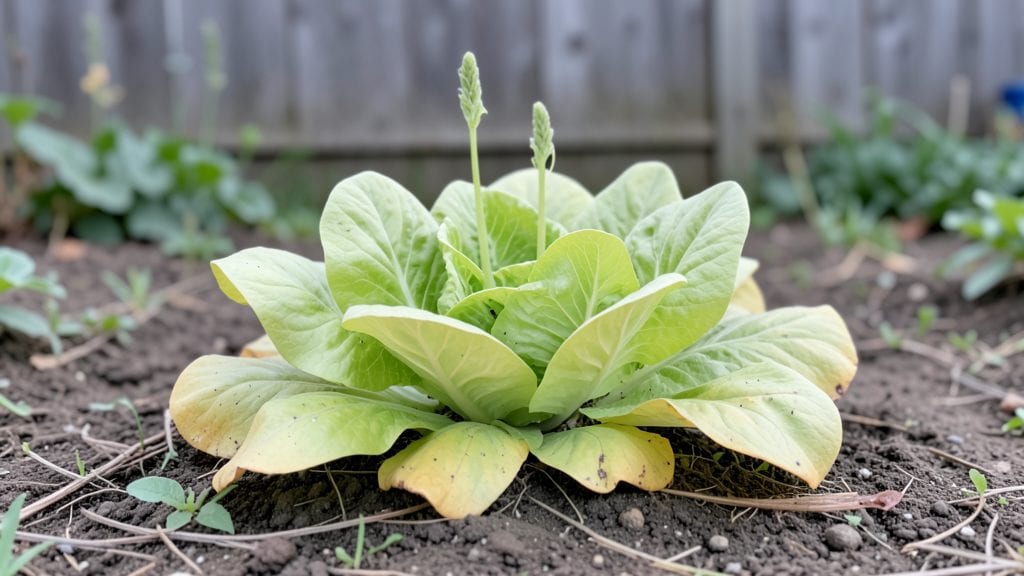
Butter lettuce flowering before you're ready turns crisp, tender leaves into bitter stalks faster than you can say "salad season." 🌱 I've lost entire harvests to this sneaky problem, but I've also learned how to outsmart it—even in warm climates where bolting happens year-round.
The culprit is almost always heat or long daylight hours triggering the plant's natural cycle to produce flowers. Butter lettuce is a cool-season crop that bolts when soil temps hit 75°F or when days stretch past 14 hours of light.
Overwatering or poor soil drainage can also send it into early flowering mode. The good news? With the right adjustments, you can keep those leaves sweet and productive for months.
Start by choosing heat-tolerant varieties like 'Black Seeded Simpson' or 'Jericho,' then provide afternoon shade during hot spells. Keep soil consistently moist but not soggy—1 inch of water per week is ideal—and fertilize lightly with a balanced feed every 3-4 weeks.
If you catch bolting early, you can still harvest the outer leaves before the center becomes bitter, but prevention is the real game-changer.
For existing bolting plants, try harvesting the lower leaves aggressively to slow the process, or move pots to cooler spots. In extreme cases, the flowers themselves are edible (though less tender), so don't toss them—just adjust your recipes.
The key is acting fast before the plant shifts all its energy to seeds.
What Triggers Early Blooming
Butter lettuce is prized for its tender leaves and mild flavor, but when it starts flowering prematurely, those crisp heads turn bitter and tough—fast. Understanding the root causes helps you prevent this unwanted shift from leafy greens to seed production.
Here’s why your butter lettuce might be reaching for the sky too soon:
Butter lettuce is a short-day plant, meaning it relies on specific light conditions to stay in its vegetative (leafy) stage. When exposed to too much light or inconsistent daylight hours, it triggers the plant’s internal clock to shift into reproductive mode.
- Long daylight hours: If your lettuce gets more than 12–14 hours of light daily (common in summer or under artificial grow lights), it perceives this as a signal to bolt. Solution: Use shade cloth (30–50%) to reduce light intensity or adjust grow light timers to 10–12 hours/day.
- Sudden light changes: Moving plants from shade to full sun or switching from natural to artificial light too quickly can confuse them. Solution: Gradually acclimate lettuce to new light conditions over 5–7 days.
Butter lettuce thrives in cool weather (45–75°F). When temperatures dip too low or spike too high, the plant interprets this as a survival cue to reproduce before conditions worsen.
- Cold snaps: Temperatures below 40°F can shock lettuce into bolting, especially if paired with short days. Solution: Use row covers or cold frames to maintain soil temps above 45°F.
- Heat stress: Soil temps exceeding 80°F (common in summer) trigger bolting. Solution: Plant in partial shade, mulch heavily with straw, or opt for heat-tolerant varieties like ‘Black Seeded Simpson.’
Lettuce is light on nutrients but needs a balanced diet to stay leafy. Deficiencies or excesses—especially in nitrogen, phosphorus, or potassium—can send it into early flowering as a stress response.
| Nutrient Issue | Symptoms | Fix It |
|---|---|---|
| Low nitrogen (N) | Yellowing leaves (chlorosis), stunted growth, and a desperate push to flower for survival. | Apply a balanced fertilizer (10-10-10) or compost tea. Avoid over-fertilizing with phosphorus-heavy mixes. |
| High phosphorus (P) | Purple-tinged stems/leaves and rapid bolting (phosphorus signals reproduction). | Flush soil with water to leach excess P. Use a low-P fertilizer (e.g., 5-3-3) moving forward. |
| Potassium (K) deficiency | Weak stems, curled leaves, and susceptibility to stress-induced bolting. | Add wood ash or banana peel compost (high in K) or use a liquid seaweed fertilizer. |
Pro Tip: 💡 Test your soil before planting—ideal pH for lettuce is 6.0–7.0. Extreme pH (too acidic or alkaline) locks out nutrients, forcing the plant to bolt.
When lettuce plants compete for space, water, or nutrients, they release ethylene gas (a plant stress hormone) that accelerates bolting. Think of it as a survival tactic: “If I can’t grow big, I’ll reproduce fast!”
- Spacing issues: Butter lettuce needs 8–12 inches apart. Crowded plants develop shallow roots and stress. Solution: Thin seedlings early or succession plant in rows.
- Root-bound pots: Container-grown lettuce in small pots (under 6 inches wide) becomes root-restricted, triggering bolting. Solution: Upgrade to 8–12 inch pots or plant in deep soil.
Not all lettuce is created equal! Some varieties are bolting-resistant, while others have a built-in lifespan of 30–60 days before flowering. Ignoring these traits is a fast track to disappointment.
- Older plants: Butter lettuce left in the ground for more than 60 days will inevitably bolt. Solution: Harvest outer leaves or replant every 4–6 weeks.
- Looseleaf vs. head varieties: Looseleaf types (like ‘Black Seeded Simpson’) bolt faster than crisphead lettuce. Solution: Choose slow-bolting varieties like ‘Jericho’ or ‘Winter Density’ for extended harvests.
Fixing Premature Blooms
Premature flowering in butter lettuce can be frustrating, but with the right approach, you can save your crop and even prevent it from happening again. Below are targeted solutions based on common causes, along with easy-to-follow steps and prevention tips to keep your lettuce lush and leafy.
If your lettuce is bolting due to long daylight hours, adjust its environment to mimic shorter days.
🔥 Shade It Out
- How: Use shade cloth (30-50%) to block 30-50% of sunlight, especially during peak afternoon hours.
- When: Install shade cloth in early spring or late summer when days are long.
- Pro Tip: 💡 Use a lightweight, breathable shade cloth to avoid overheating the soil.
🌡️ Extend the Growing Season
- How: Start seeds indoors 6-8 weeks before the last frost, then transplant seedlings outdoors when nights are cooler.
- When: Ideal for spring and fall plantings.
- Pro Tip: ✨ Use row covers to protect young plants from heat stress while still allowing light penetration.
Heat waves can trigger bolting. Keep your lettuce cool and hydrated to delay flowering.
💧 Hydrate Deeply and Often
- How: Water deeply at the base of the plant in the early morning to encourage strong root growth.
- When: Increase watering frequency during hot, dry spells.
- Pro Tip: 🔥 Use drip irrigation to keep soil consistently moist without wetting the leaves (which can lead to disease).
🌿 Mulch Like a Pro
- How: Apply 2-3 inches of organic mulch (straw or shredded leaves) around the base of the plant to retain moisture and cool the soil.
- When: Mulch immediately after transplanting or when temperatures rise above 75°F (24°C).
- Pro Tip: 🎯 Avoid piling mulch against the stems to prevent rot.
Too much nitrogen or a lack of key nutrients can stress lettuce and prompt bolting.
🍽️ Fertilize Smartly
- How: Use a balanced, slow-release fertilizer (like 10-10-10) or compost tea to provide steady nutrients.
- When: Apply fertilizer every 3-4 weeks, starting when seedlings are 2-3 inches tall.
- Pro Tip: 💡 Avoid high-nitrogen fertilizers late in the season, as they can promote leafy growth but also encourage bolting.
🥗 Boost Potassium and Calcium
- How: Add a side dressing of wood ash (for potassium) or crushed eggshells (for calcium) to the soil.
- When: Mix into the soil before planting or sprinkle around the base of mature plants.
- Pro Tip: 🌡️ Test your soil annually to identify deficiencies before they cause problems.
Tight spaces lead to competition for nutrients and light, stressing plants.
🔪 Thin Your Plants
- How: Thin seedlings to 6-12 inches apart, depending on the variety, to give each plant room to grow.
- When: Do this when seedlings are 2-3 inches tall.
- Pro Tip: 👨🍳 Use the thinned seedlings in salads or pesto to avoid waste!
🌱 Succession Planting
- How: Plant new lettuce seeds every 2-3 weeks for a continuous harvest, ensuring you always have young, healthy plants.
- When: Ideal for spring and fall plantings.
- Pro Tip: ✨ Choose heat-tolerant varieties (like 'Jericho' or 'Black Seeded Simpson') for summer success.
Some lettuce varieties are more bolt-resistant than others.
🥗 Pick Bolt-Resistant Types
- How: Opt for varieties labeled as "slow to bolt" or "heat-tolerant," such as:
- Buttercrunch
- Romaine
- Oakleaf
- When: Select seeds or transplants based on your climate and growing season.
- Pro Tip: 💡 Check seed packets for days-to-maturity and bolt resistance ratings.
To keep your butter lettuce leafy and delicious, follow this quick checklist:
- ✅ Use shade cloth in hot climates.
- ✅ Water deeply and consistently.
- ✅ Mulch to retain moisture.
- ✅ Fertilize with balance and moderation.
- ✅ Thin plants for better airflow.
- ✅ Choose bolt-resistant varieties.
With these steps, you’ll enjoy crisp, flavorful butter lettuce all season long—without the unwanted blooms! 🥗🌿
Frequently asked questions about butter lettuce flowering
Why does my butter lettuce flower so quickly?
Butter lettuce bolts (flowers) prematurely due to heat stress, long daylight hours, or nutrient imbalances. When soil temps hit 75°F+ or days exceed 14 hours of light, the plant shifts from leaf production to seed-making. Even slight nutrient deficiencies—like low nitrogen or excess phosphorus—can trigger this survival response.
Can I still eat butter lettuce after it flowers?
Yes, but the flavor changes! The outer leaves remain edible and tender, while the inner leaves may turn bitter. Harvest the outer leaves first, and avoid the flower stalk itself. For best results, pick bolting lettuce early—before the center becomes tough and fibrous.
How can I prevent butter lettuce from bolting in summer?
Use shade cloth (30-50%) to block excess sunlight and mulch heavily with straw to keep soil cool. Water deeply in the morning and choose heat-tolerant varieties like 'Jericho' or 'Black Seeded Simpson.' Succession planting every 2-3 weeks ensures a steady supply of young, non-bolting lettuce.
Will cutting back flowers stop butter lettuce from bolting?
No, once bolting starts, it’s irreversible—but you can slow the process. Prune the flower stalks to redirect energy to the leaves, and harvest outer leaves aggressively. For future crops, focus on prevention: cooler temps, shorter daylight, and proper spacing.
Are there any edible parts of flowering butter lettuce?
The flower buds and young seed pods are edible and add a mild, slightly sweet flavor. Use them sparingly in salads or as garnishes. Just avoid the mature seeds, which can be bitter. Think of it as a bonus harvest when bolting happens!