
Shrubs
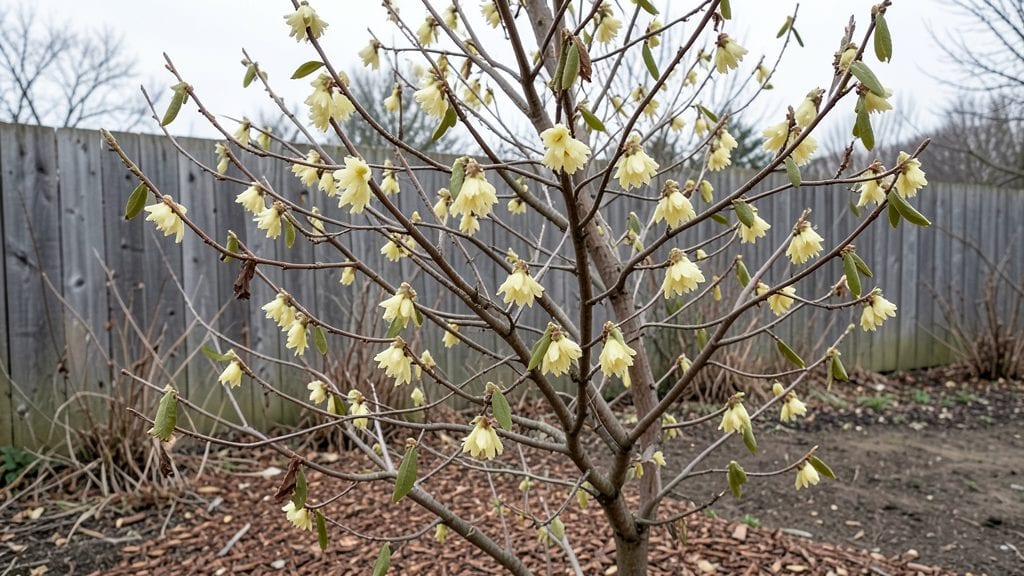
March brings the first real promise of spring, and early flowering bushes like azaleas, forsythia, and camellias deliver that color when you need it most. 🌸 I’ve learned that timing everything right—planting, pruning, and care—is what turns a bush into a reliable spring showstopper year after year.
The secret isn’t just picking the right varieties; it’s matching their needs to your climate zone and preparing the soil so they burst into bloom as soon as the frost lifts.
Most people plant these bushes in early fall or late winter, but the real work starts in late winter when you prep the soil with compost and mulch. Watering schedules change too—deep watering once a week beats light sprinkles, and pruning after blooms fade keeps them healthy for next season.
I’ve seen azaleas in Zone 7 flower by late February if you give them the right conditions, while forsythia in cooler zones might wait until April but still outshine everything else in the yard.
What you’ll end up with is a yard that feels alive before summer even arrives. The fragrance of camellias, the golden cascade of forsythia, and the bold blooms of azaleas create a show that lasts weeks, not days.
The best part? These bushes reward you with less fuss than you’d expect—just a little attention at the right times, and they’ll keep delivering color for decades.
Whether you’re in the South where winter is mild or the North where frost lingers, the same principles apply. Start with the right soil, protect young plants from late frosts, and don’t skip the mulch—it’s the difference between a bush that struggles and one that thrives.
Let’s get those blooms going!
📚 In This Guide
- What you need
- Instructions
- Tips and common mistakes
- Wrapping up and next steps
What you need
- ● Early flowering bushes: Choose from varieties like Pieris japonica, Hamamelis (witch hazel), or Mahonia. Buy 3–5 healthy plants (depending on garden size) from a reputable nursery. Look for bare-root or container-grown options.
- ● High-quality potting soil or garden soil: 5–10 gallons, amended with compost or organic matter (20–30% mix) for drainage and nutrients.
- ● Organic fertilizer: Balanced 10-10-10 or slow-release granular (e.g., Osmocote), 1–2 cups per plant.
- ● Mulch: 2–3 inches of pine bark, cedar chips, or shredded leaves to retain moisture and regulate soil temperature.
- ● Watering can or hose with a gentle spray nozzle: For deep watering (1–2 gallons per plant, 2–3 times per week).
- ● Garden trowel or spade: For digging holes 2–3 times wider than the root ball.
- ● Gloves (gardening or work gloves): To protect your hands from thorns or rough bark.
- ● Pruning shears: Bypass pruners (for clean cuts) to shape bushes after planting.
- ● Measuring tape or ruler: To ensure proper spacing (3–6 feet apart, depending on mature size).
- ● Wheelbarrow or bucket: For mixing soil amendments or transporting materials.
- ● Soil test kit: To check pH (ideal range: 5.0–6.5 for most early bloomers).
- ● Epsom salt: 1 tablespoon per plant (mixed into soil) for magnesium boost.
- ● Plant support stakes: If planting in windy areas (e.g., 3–4 foot bamboo stakes).
- ● Drip irrigation system: For automated watering (especially useful in dry climates).
- ● Frost cloth: To protect young plants from late frosts (March can be unpredictable!).
How to select and plant early flowering bushes for March blooms
Here’s my foolproof approach to bringing vibrant spring color to your yard starting in March.
🌱 Step 1: Choose the Right Bushes for Early Blooms
Start with shrubs known for early flowering, like Forsythia, Dwarf Lilac, or Weigela. These varieties burst into color as soon as temperatures rise above 40°F, often in late February or March. I always check the USDA hardiness zone on the tag—pick plants rated for your area to avoid frost damage.
Look for healthy, established plants with strong stems and buds already forming. Avoid leggy or sparse specimens—they’ll take longer to recover and bloom. If buying bare-root, soak the roots in water for 1-2 hours before planting to rehydrate them.
🪴 Step 2: Prepare the Planting Site for Fast Establishment
Pick a spot with full sun to partial shade (at least 6 hours of sunlight daily). Early bloomers need bright light to set buds early. Dig a hole twice as wide as the root ball but only as deep—planting too deep suffocates roots. Loosen the soil at the bottom of the hole with a trowel to encourage root spread.
Amend the native soil with compost or aged manure if it’s heavy clay or sandy. Mix in a handful of slow-release fertilizer (like 10-10-10) to give the bush a nutrient boost for spring growth. Avoid fresh manure—it can burn tender roots.
☀️ Step 3: Plant and Water for Immediate Root Growth
Place the bush in the hole so the top of the root ball sits 1 inch above ground level. This prevents soil from settling later and smothering the stem. Backfill with native soil, pressing gently to remove air pockets. Water deeply right away—1 gallon per plant—to settle the soil and eliminate gaps.
Mulch around the base with 2-3 inches of shredded bark or wood chips, keeping it 6 inches away from the stem. Mulch retains moisture and regulates soil temperature, which helps roots establish faster. Water again in 3-5 days to keep the soil consistently moist but not soggy.
✂️ Step 4: Prune and Maintain for Next Year’s Blooms
After flowering, trim back one-third of the oldest stems to encourage new growth. This keeps the bush compact and ensures bigger blooms next March. I prune in late spring or early summer—never in fall or winter, as it removes next year’s flower buds.
Fertilize lightly in early spring with a balanced formula (like 10-10-10) to support bud formation. Avoid high-nitrogen fertilizers—they promote leafy growth at the expense of flowers. Watch for pests like aphids or spider mites; a strong spray of water usually clears them up before they cause damage.
Tips & tricks for perfect early flowering bushes
Between us, these small details make all the difference when you're aiming for that showstopping spring display.
Selection Tip: The 1-2 hour soaking time for bare-root plants is non-negotiable if you want vigorous growth. I've seen too many gardeners skip this step and end up with plants that struggle to establish. Fill a bucket with water and let the roots soak while you prepare your planting site—this simple step can mean the difference between a thriving bush and one that takes years to recover. Trust me on this.
Temperature Matters: Those early bloomers need that 40°F threshold to trigger flowering, but don't let false springs fool you. If we get a warm spell in February followed by a freeze, the buds can get damaged. I always monitor the forecast and delay planting if we're expecting below-freezing temperatures after the initial warm-up. A little patience now means bigger blooms later.
Planting Depth Secret: That 1-inch elevation above ground level is crucial for proper air circulation and prevents soil from settling and smothering the stem. After planting, I take a stick and gently mark the soil level at the base of the stem—this helps me monitor settling over time. If the soil level rises above that mark, I'll add a bit more soil to maintain the proper depth.
Mulch Strategy: The 2-3 inches of mulch you apply isn't just for looks—it's a moisture regulator and temperature stabilizer. I always keep it 6 inches away from the stem to prevent rot. For extra insurance against winter freezes, I add an extra inch of mulch in late fall, creating a protective barrier that helps roots survive temperature fluctuations. This simple layer can make the difference between a bush that makes it through winter and one that doesn't.
Pro Tips for Early Flowering Bushes
- Between us, these small details make all the difference when you're aiming for that showstopping spring display.
- Selection Tip: The 1-2 hour soaking time for bare-root plants is non-negotiable if you want vigorous growth.
- Temperature Matters: Those early bloomers need that 40°F threshold to trigger flowering, but don't let false springs fool you.
Frequently asked questions
Got questions about early flowering bushes?
You’re not alone! Here are answers to the most common queries to help you pick, plant, and enjoy vibrant blooms before spring even arrives.
What are the best early flowering bushes for cold climates?
Cold-hardy options like Hamamelis (witch hazel), Mahonia, and Pieris japonica thrive in USDA Zones 4–7. These tough beauties burst into color as early as February or March, even in chilly regions. Just ensure they’re planted in well-draining soil to prevent frost damage.
How do I encourage my bushes to bloom earlier?
Timing is key! Prune after flowering (late spring/early summer) to avoid cutting off next year’s buds. For evergreens, like Pieris, mulch heavily in late fall to protect roots. Water deeply in late winter to kickstart growth—just avoid overwatering, which can delay blooms.
Can I plant early flowering bushes in containers?
Dwarf varieties like Dwarf Fothergilla or Compact Viburnum thrive in 15–20 gallon pots. Use a lightweight, well-draining mix and place containers in full sun to partial shade. Just remember: Container plants may bloom slightly later than ground-planted ones due to temperature fluctuations.
Why aren’t my early flowering bushes blooming?
Common culprits include over-pruning (cutting back too late), poor soil (low nutrients or compacted roots), or pest damage (aphids, scale insects). Check for yellowing leaves or missing buds—these are red flags. Feed with balanced fertilizer in early spring and inspect for pests.
What’s a low-maintenance early bloomer?
If you want color without the fuss, try Weigela or Spirea. Both are drought-tolerant, deer-resistant, and perennial, meaning they’ll return year after year. Weigela even produces bright pink or red flowers that hummingbirds love!
Wrapping up and next steps
Early flowering bushes are the perfect way to bring vibrant color and life to your garden as soon as spring arrives—often as early as March! Whether you’re drawn to the delicate blooms of Hamamelis or the bold charm of Pieris, these plants offer low-maintenance beauty with minimal fuss.
With the right placement, soil prep, and care, you’ll enjoy months of stunning displays with minimal effort.
Ready to transform your landscape? Start by selecting 1-2 varieties that suit your climate and space, then grab your gardening tools and get planting! 🌸 Your future spring garden will thank you.