
Tools
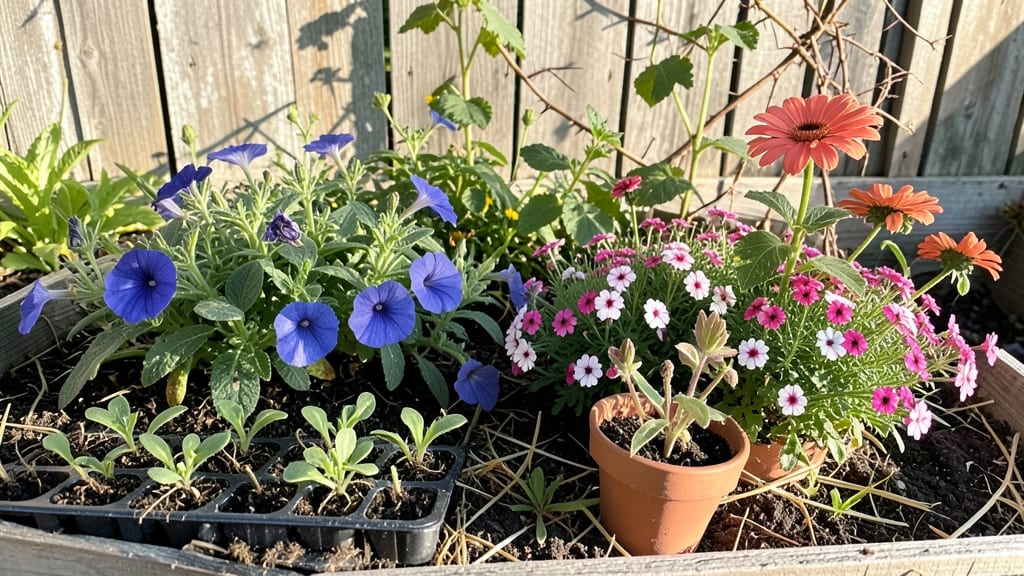
Building a flower garden that stays vibrant all year—without endless work—is totally doable. 🌸 I spent years watching my garden fizzle out by August, until I realized the secret was grouping plants by bloom time, sunlight needs, and maintenance demands.
The right mix means you’re never stuck with bare soil while others enjoy color.
Start with a sun map of your yard (note which spots get 6+ hours of light) and pick plants that naturally overlap—early bloomers like tulips, mid-season favorites like coneflowers, and fall stars like asters. Add mulch and drip irrigation upfront, and you’ll cut watering time by 70%.
Even a small patch can look lush if you focus on layers: tall back, medium middle, and spillers like petunias at the front.
By summer’s end, your garden won’t just survive—it’ll thrive with clusters of blooms that attract bees and hummingbirds all season. The best part? Once established, these beds need just one deep watering per week and a quick trim every few weeks. No more gardening burnout.
Works for any style—cottage charm, modern lines, or pollinator paradise—and adapts to containers if space is tight. Let’s make this your easiest, most rewarding garden yet.
📚 In This Guide
- What you need
- Instructions
- Tips and common mistakes
- Wrapping up and next steps
What you need
- ● Flower seeds or plants: Choose seasonal varieties (e.g., marigolds, zinnias, petunias, or native wildflowers). Aim for 5–10 plants per square foot for a lush look.
- ● High-quality soil: 2–3 cubic yards of well-draining, organic-rich soil (or compost blend) for a 10’x10’ garden bed.
- ● Mulch: 1–2 bags of shredded bark or straw to retain moisture and suppress weeds.
- ● Slow-release fertilizer: 10–20 lbs (e.g., 10-10-10 or organic options like composted manure).
- ● Garden gloves (1–2 pairs) – Protect your hands from thorns and dirt!
- ● Hand trowel or transplanting spade – For digging small holes (6–8" deep).
- ● Garden rake – To level soil and remove debris.
- ● Watering can or hose with adjustable nozzle – A 1-gallon can is great for seedlings.
- ● Pruners or shears – For trimming dead blooms and shaping plants.
- ● Drip irrigation system – Saves time and ensures consistent watering.
- ● Stakes or trellises – For climbing flowers like morning glories or clematis.
- ● Decorative stones or edging – Adds a polished touch to garden borders.
- ● Soil pH test kit – Ensures your plants thrive in the right conditions.
Step-by-step instructions for building a flower garden
Here's how to create a vibrant, low-maintenance flower garden that blooms from spring through fall.
🌱 Step 1: Choose the Perfect Location
Scan your yard for a spot that gets at least 6 hours of sunlight daily. Most flowers thrive with morning sun and afternoon shade, especially in hotter climates. I always look for areas near water sources—this saves time hauling hoses later. Avoid low spots where water pools after rain, as soggy soil invites rot and fungal diseases.
Test the soil by digging a 6-inch hole and examining the texture. Sandy soil drains too fast, while clay holds moisture too long. Amend heavy clay with 2-3 inches of compost to improve drainage, or mix sand into sandy soil to help retain moisture. This prep step ensures your plants won’t struggle from day one.
🪴 Step 2: Outline Your Garden Layout
Sketch a rough design on paper, grouping plants by height and sun needs. Tall flowers like sunflowers or hollyhocks should go in the back, medium-height like coneflowers in the middle, and low-spreading ones like impatiens or marigolds in front. I like to leave 18-24 inches between plants for easy access and airflow, which prevents diseases.
Use a garden hose or string> to mark planting lines in the soil. This helps visualize spacing before digging. For a 4-person garden, plan for about 10-12 square feet of space—enough to create impact without overwhelming maintenance. Pro tip: Place fragrant flowers like lavender or roses near seating areas for a sensory bonus.
☀️ Step 3: Prepare the Soil
Remove weeds, grass, and debris from your outlined area. Use a garden fork to loosen the soil to a depth of 12 inches, breaking up compacted layers. This aeration lets roots grow deeper and access nutrients more easily. If your soil is poor, mix in 2-3 inches of compost or aged manure to enrich it naturally.
Level the ground with a rake, creating a smooth surface for planting. Avoid walking on the prepared bed—your weight compacts the soil again. For a 4-person garden, you’ll need about 2 cubic feet of compost to amend the entire area. Water the soil lightly before planting to help roots establish faster.
🌿 Step 4: Plant Your Flowers
Dig holes slightly larger than the root balls of your plants. Gently remove each plant from its container, loosening tangled roots if needed. Place the plant in the hole so the top of the root ball sits level with the soil surface—burying too deep can suffocate stems, while planting too high leaves roots exposed.
Fill the hole with soil, pressing lightly around the base to eliminate air pockets. Water each plant deeply to settle the soil and encourage root contact. Space perennials 12-18 inches apart and annuals 6-12 inches apart, depending on their mature size. Mulch with 2-3 inches of organic mulch to retain moisture and suppress weeds.
✂️ Step 5: Maintain for Season-Long Blooms
Water newly planted flowers once a week for the first month, then adjust based on rainfall. Aim for 1 inch of water per week, delivered either by rain or irrigation. I always water in the morning so foliage dries quickly, reducing fungal risks. Avoid overhead watering after 6 PM to prevent mildew.
Deadhead spent blooms regularly to encourage more flowers and extend the season. Fertilize lightly every 4-6 weeks with a balanced, slow-release fertilizer. For a 4-person garden, a 10-10-10 fertilizer applied at half-strength is perfect. Watch for pests like aphids or slugs—address them early with organic sprays or barriers to keep your garden thriving.
Tips & tricks for perfect flower garden layouts
A few simple strategies can transform your flower garden from good to stunning with minimal extra effort.
Sunlight Secret: That 6-hour sunlight minimum is non-negotiable, but here's the thing: most flowers actually prefer morning sun and afternoon shade in hot climates. I've seen gardens fail when planted in full afternoon sun—leaves scorch and blooms fade faster. If your spot gets intense afternoon heat, consider adding shade plants like impatiens or ferns to protect your more delicate flowers.
Soil Prep Game-Changer: When you're amending that 12-inch deep soil with 2-3 inches of compost, don't just spread it on top! Mix it thoroughly into the existing soil—this creates a nutrient-rich zone where roots can really thrive. I like to use a garden fork to cut through the soil layers and blend the compost in like you're making a lasagna. This ensures your plants have access to nutrients at all depths, not just the surface.
Planting Depth Tip: Getting that root ball level with the soil surface is trickier than it sounds. Here's my foolproof method: after placing the plant, press your finger about an inch into the soil beside the root ball. If the top of the root ball sits at the same level as your finger's first knuckle, you're golden. Too deep? The stem will rot. Too high? Roots will dry out. This small detail makes all the difference in plant survival.
Watering Wisdom: That first month of weekly watering is critical, but don't just set a timer! The key is to water deeply each time—aim for about 1 inch of water per week. I use a rain gauge or even a tuna can buried in the soil to measure. Morning watering is best because it gives foliage time to dry before evening, which prevents fungal diseases. And remember, mulch helps retain that moisture, so don't skimp on those 2-3 inches!
Pro Tips for Building A Flower Garden
- A few simple strategies can transform your flower garden from good to stunning with minimal extra effort.
- Sunlight Secret: That 6-hour sunlight minimum is non-negotiable, but here's the thing: most flowers actually prefer morning sun and afternoon shade in hot climates.
- Soil Prep Game-Changer: When you're amending that 12-inch deep soil with 2-3 inches of compost, don't just spread it on top!
Frequently asked questions
Got questions about creating a stunning, low-maintenance flower garden? You’re not alone! Here are answers to the most common queries to help you grow with confidence.
When is the best time to start my flower garden?
The ideal time depends on your climate, but spring (after the last frost) and early fall are the sweet spots for most regions. Cool-season flowers (like pansies or snapdragons) thrive in early spring, while warm-season blooms (like marigolds or zinnias) love summer planting. Pro tip: Check your local frost dates and plant perennials in early fall for stronger roots!
How often should I water my flower garden?
Newly planted flowers need deep watering 2-3 times per week (about 1 inch total), while established gardens thrive with 1 inch of water per week. Water early in the morning to reduce evaporation and fungal risks. Drip irrigation or soaker hoses save time and keep soil consistently moist—perfect for busy gardeners!
Can I use annuals or perennials for low-maintenance color?
Perennials (like coneflowers or daylilies) return yearly with minimal replanting, while annuals (like petunias or cosmos) offer bold, seasonal pops. For effortless color, mix both: use perennials as a base and annuals for fill-in gaps. Bonus: Drought-tolerant varieties (e.g., lavender or sedum) cut watering chores!
How do I keep pests away without harsh chemicals?
Prevention is key! Encourage beneficial insects (like ladybugs) by planting nectar-rich flowers (e.g., alyssum or marigolds). Use physical barriers (row covers for cabbage moths) or neem oil for spot treatments. Healthy soil = resilient plants! Pro tip: Remove spent blooms to deter pests and diseases.
What’s the easiest way to design a flower bed with limited space?
Start small with containers or raised beds—they’re perfect for balconies or tiny yards! Group plants by height, color, and sunlight needs (tall in back, short in front). Use mulch to suppress weeds and retain moisture. Design hack: Try a "thriller-filler-spiller" layout (e.g., tall snapdragons + bushy impatiens + trailing lobelia) for instant impact!
Still stumped? Drop your question in the comments—we’re happy to help your garden bloom!
Wrapping up and next steps
Building a stunning, low-maintenance flower garden is all about strategic planning, smart plant choices, and a little seasonal TLC—not endless hours of work! 🌸 By selecting the right perennials, mulching wisely, and embracing seasonal swaps, you’ll enjoy months of vibrant color with minimal effort.
Remember, even small steps—like deadheading spent blooms or adding a drip irrigation system—can make a big difference.
Ready to dive in? Start with one small bed or container this weekend, and let your garden grow—literally! 🌱 Whether you’re a beginner or a seasoned gardener, every bloom you nurture is a step toward a brighter, more beautiful outdoor space. Happy planting!