
Shrubs
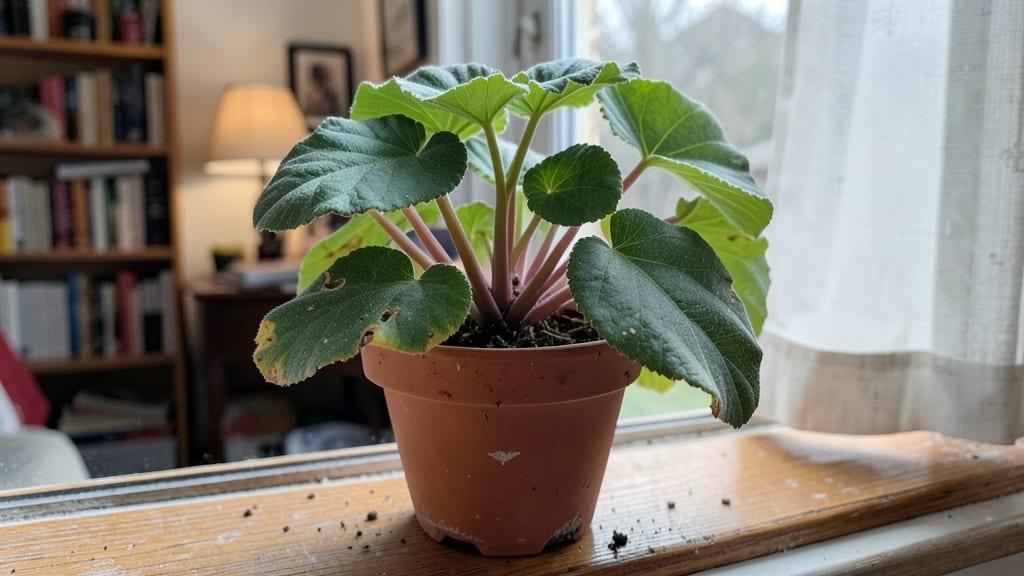
Your begonias are putting out lush leaves but no blooms, and I’ve been there—frustrated after months of waiting for those vibrant flowers. 🌸 The problem usually boils down to three key factors: light, food, and pruning, all working (or not) behind the scenes.
Most growers overlook how much begonias hate inconsistent care, especially when it comes to their light needs—too little, and they focus on leaves; too much direct sun, and they bolt before flowering.
Here’s the thing—begonias need bright, indirect light for at least 6-8 hours a day, but they’ll protest with leafy growth if they’re baked by midday sun. I switched mine to an east-facing window last spring, and within weeks, they started sending up flower stalks.
Pair that with a balanced fertilizer (half-strength, every 4-6 weeks) and you’re giving them the energy to bloom instead of just growing foliage. Over-fertilizing? That’s another common culprit—too much nitrogen means all leaves, no flowers.
Pruning isn’t just about shaping—it’s about redirecting energy. Pinch back leggy stems in early spring to encourage bushier growth, and deadhead spent blooms to push new ones. My tuberous begonias now flower nonstop from May through October after I started this routine.
The secret’s in the timing: prune right after the last frost, and you’ll see buds forming within 4-6 weeks.
Works for wax, rex, and tuberous varieties alike, though tuberous types need a cool winter dormancy to rebloom. Let’s turn those leafy green monsters into flowering showstoppers—no more waiting, just results.
Root Causes Behind Stalled Blooms
Begonias are prized for their vibrant foliage and delicate flowers, but when those blooms refuse to appear, it’s often a sign that your plant’s basic needs aren’t being met. Understanding the why behind the lack of flowers is the first step to reviving your begonia’s flowering potential.
Below, we break down the key factors—from environmental stressors to biological signals—that keep your plant from producing those coveted blossoms.
Begonias are light-loving plants, but not all light is equal. Too little sunlight triggers a survival response: the plant prioritizes leaf growth over energy-intensive blooming. Most begonia varieties (especially Begonia × tuberhybrida, the classic tuberous begonia) need 6–8 hours of bright, indirect light daily.
Direct midday sun can scorch leaves, while dim corners or north-facing windowsills starve them of the photosynthesis energy needed for flower buds.
💡 Pro Tip: If your begonia is in a low-light area, supplement with a grow light (12–16 hours/day) to mimic natural conditions. For outdoor plants, place them in dappled shade (e.g., under trees with filtered sun) rather than full shade.
Flowering is a metabolic luxury—your begonia won’t invest in blooms if it’s malnourished or overfed. Two common soil-related issues sabotage flowering:
- Too Much Nitrogen: Fertilizers high in nitrogen (the first number on the label, e.g., 10-10-10) promote leafy growth at the expense of flowers. Begonias need a balanced or phosphorus-rich fertilizer (look for a ratio like 5-10-10 or 10-20-20) to encourage blooming.
- Poor Drainage or Compacted Soil: Waterlogged roots or dense soil restrict nutrient uptake. Begonias thrive in well-draining, slightly acidic soil (pH 5.5–6.5). If the soil is too heavy (e.g., clay), roots suffocate, limiting energy for flowers.
📊 Fix It: Test your soil’s pH and amend with perlite, peat moss, or compost to improve aeration. Switch to a bloom-boosting fertilizer (like 7-9-5) every 4–6 weeks during growing season (spring–fall).
Begonias are temperamental thermometers—they flower best when conditions align with their natural rhythms. Key triggers include:
- Cool Nights: Many begonia varieties (e.g., Begonia semperflorens) need a 10°F drop in nighttime temps (e.g., from 75°F to 65°F) to signal flowering. Indoor plants rarely get this, while outdoor begonias may struggle in consistently warm climates.
- Dormancy Disruption: Tuberous begonias enter dormancy in winter. If you don’t let them rest (by reducing water and light), they may skip flowering the next season.
- Heat Stress: Temps above 90°F can cause bud drop or prevent buds from forming entirely.
✨ Actionable Fix: For indoor plants, place them near a cool window (but not in drafts). If growing outdoors, choose a USDA Zone 10–11 climate or bring potted begonias inside before winter. For tuberous types, simulate dormancy by reducing water and light in late fall.
Watering affects flowering in two critical ways:
- Overwatering: Soggy soil leads to root rot, which starves the plant of nutrients. Begonias need consistently moist (not soggy) soil. Overwatering also dilutes soil nutrients, making it harder for the plant to produce flowers.
- Underwatering: While begonias tolerate slight drought, chronic dryness stresses the plant, causing it to conserve energy by halting flower production. Drooping leaves or crispy edges are red flags.
🔥 Golden Rule: Water when the top 1–2 inches of soil are dry. Use a well-draining pot with drainage holes and avoid letting the plant sit in saucers of water.
Begonias flower best when they’re not overpruned or overcrowded. Here’s how pruning backfires:
- Aggressive Pruning: Cutting back too much removes flowering nodes (the points where buds form). Light trimming to shape the plant is fine, but never shear more than 1/3 of the foliage at once.
- Root-Bound Pots: When roots circle the pot, the plant focuses energy on expanding roots rather than blooming. Repotting every 1–2 years (or when roots emerge from drainage holes) helps.
- Leggy Growth: Tall, sparse stems with few leaves indicate etoliation (a stretch response to low light). These plants often never flower because they’re too weak.
🎯 Pruning Hack: Pinch back new growth tips in early spring to encourage bushier, flower-ready stems. If your begonia is root-bound, repot into a container just 1–2 inches larger to avoid shocking the plant.
Hidden invaders like aphids, spider mites, or fungal infections drain your begonia’s energy. Infestations cause:
- Stunted growth (no energy for flowers).
- Leaf drop (reducing photosynthesis).
- Bud rot (preventing blooms from opening).
🔪 Treatment: Isolate affected plants and treat with neem oil or insecticidal soap. For fungal issues (like powdery mildew), improve airflow and avoid overhead watering.
Revive Your Begonia’s Blooms
Now that you know why your begonia might be skipping its floral show, let’s roll up our sleeves and fix it! Here’s a step-by-step guide to coax those vibrant blooms back into action, tailored to the most common causes.
If your begonia is basking in too little light, it’s time for a sunny makeover—but carefully!
🔥 Boost Light Exposure Gradually
- Move your plant closer to a bright, indirect light source (e.g., an east- or west-facing window).
- If natural light is limited, supplement with a grow light (LED or fluorescent) for 12–14 hours daily.
- Avoid direct midday sun (especially for wax begonias) to prevent leaf scorch.
🌿 Rotate for Even Growth
- Turn your begonia quarter-turn every few days so all sides get equal light.
- Pro Tip: 💡 If leaves start stretching (etiolation), it’s a sign of insufficient light—adjust immediately!
❄️ Prevent Winter Light Slump
- In darker months, extend light exposure with artificial sources.
- Keep windows clean (dust blocks light!) and avoid placing plants behind curtains.
Begonias need the right fertilizer mix to bloom like crazy. Here’s how to feed them right:
🥄 Choose the Right Fertilizer
- Use a balanced, water-soluble fertilizer (e.g., 10-10-10 or 20-20-20) diluted to half-strength.
- For flowering begonias, opt for a phosphorus-rich formula (e.g., 5-10-5) to encourage blooms.
- Avoid high-nitrogen feeds (like lawn fertilizers)—they promote leafy growth, not flowers!
📅 Fertilize on a Schedule
- Feed every 2–4 weeks during spring and summer (active growing season).
- Stop fertilizing in fall/winter—resting plants need a break!
- Pro Tip: 🌡️ Always water your plant before fertilizing to prevent root burn.
🍄 Boost with Organic Amendments
- Mix compost or worm castings into the soil for slow-release nutrients.
- A light sprinkle of bone meal (high in phosphorus) can give blooms a natural boost.
Deadheading and strategic pruning trick your begonia into flowering harder. Here’s how:
🔪 Deadhead Regularly
- Snip off spent flowers with clean scissors just above a leaf node.
- This prevents energy waste on seed production and encourages new blooms.
- Do this weekly during the flowering season (spring to fall).
🌿 Trim Leggy Growth
- If stems are too long or bare, cut them back by 1/3 to promote bushier growth.
- Pro Tip: ✨ Pinch back new growth tips in early spring to trigger more branches (and more flowers!).
🌿 Avoid Over-Pruning
- Never cut more than 1/3 of the plant at once—this can stress it.
- Prune in early morning so wounds have time to heal before evening.
Begonias are temperamental about their environment. Small adjustments can make a big difference!
🔥 Keep It Warm (But Not Too Hot)
- Ideal temps: 65–75°F (18–24°C) during the day, no lower than 60°F (15°C) at night.
- Avoid drafts (AC vents, open windows in winter) and sudden temperature swings.
💦 Raise Humidity Levels
- Mist leaves daily (or use a pebble tray with water).
- Group begonias together or use a humidifier in dry climates.
- Pro Tip: 🎯 In winter, place a humidifier near heating vents to combat dry air.
Once your begonia is back in full flower, keep it happy long-term with these habits:
- 📅 Plant at the right time: Begonias bloom best when planted in early spring (after last frost). - 🌱 Choose the right variety: Some begonias (like angel-wing or tuberous) flower more reliably than others. - 💧 Water wisely: Keep soil evenly moist but not soggy—root rot = no flowers! - 🌿 Repot every 2–3 years: Crowded roots = stressed plant = fewer blooms.
Use well-draining soil (add perlite or orchid bark). - 🌿 Watch for pests: Spider mites and aphids sap energy—treat early with neem oil or insecticidal soap.
With these fixes, your begonia should be bursting with blooms in no time! 🌸💐 Which issue do you think is holding yours back? Try one fix at a time and observe the results—your plant will thank you with a showstopping display!
Frequently asked questions
Why does my begonia grow leaves but no flowers?
Your plant is likely getting too much nitrogen or not enough light. Begonias prioritize leaf growth when they're overfed with high-nitrogen fertilizer or starved for 6-8 hours of bright, indirect light daily. Try switching to a phosphorus-rich fertilizer (like 5-10-5) and moving it to a sunnier spot.
Can I force my begonia to bloom if it's past its season?
For tuberous begonias, yes! Provide cool nights (60-65°F) and bright light to trigger blooming. For other varieties, improve growing conditions (light, fertilizer, humidity) and be patient—some may take 4-6 weeks to respond. Never force dormancy—this can prevent future blooms.
How often should I fertilize begonias for flowers?
Use a balanced fertilizer (10-10-10) diluted to half-strength every 4-6 weeks during spring and summer. In fall/winter, stop fertilizing entirely. Over-fertilizing causes leafy growth at the expense of blooms, while under-fertilizing starves the plant of nutrients.
Will pruning my begonia make it flower more?
Yes, but only if done correctly! Lightly prune leggy stems in early spring to encourage bushier growth. Avoid cutting more than 1/3 of the plant at once. Deadhead spent blooms regularly to redirect energy toward new flowers. Prune in early morning to prevent stress.
Why did my begonia's buds drop before opening?
Bud drop usually means temperature stress (above 90°F or below 60°F) or low humidity. Move your plant to a stable environment with 65-75°F temps and increase humidity by misting daily or using a pebble tray. Avoid drafts and sudden temperature changes.