
Flowers
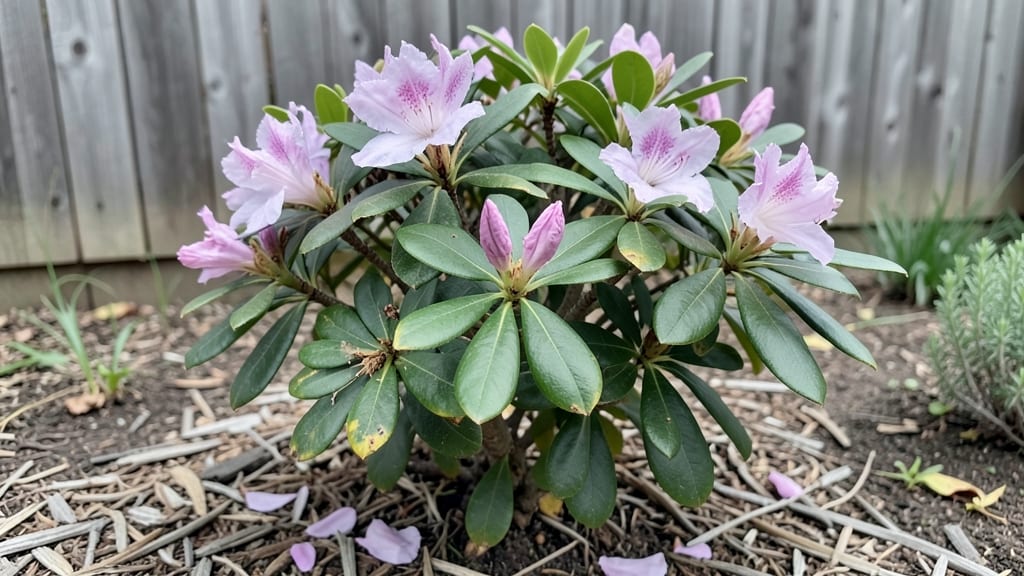
These azaleas pictures flowers—bursting with color—transform spring gardens into living paintings, each bloom like a burst of sunshine in the yard. 🌸 I’ve spent years arranging them in borders, containers, and under trees, and the difference between a scattered planting and a deliberate display is night and day.
The key isn’t just choosing one variety but mixing heights, colors, and textures so they complement each other like a well-composed photograph.
Start with three core elements: a focal azalea (like the deep pink ‘Girard’s’ or the creamy ‘White Sim’), mid-height fillers (such as hydrangeas or camellias), and trailing plants (like ferns or boxwood) to soften the edges.
Most azaleas thrive in partial shade, so position them where they’ll get morning sun and afternoon dappled light—their blooms last longer and stay vibrant. Containers work too, especially for smaller spaces, where you can move them to follow the sun or create seasonal displays.
When styled right, azaleas become the star of the show—their petals spill over borders, their fragrance fills the air, and their evergreen leaves keep the garden lush year-round.
Pair them with jewel-toned foliage (like heucheras or hostas) to make the colors pop, or add spring bulbs at their base for early-season contrast. The result? A garden that feels curated, not just planted.
Here’s the secret: less is more. A handful of well-chosen azaleas in the right spot creates impact without overwhelming the space. Whether you’re framing a path, lining a patio, or filling a container, these tips will help you design with confidence—and make every season feel like a masterpiece.
📚 In This Guide
- What you need
- Instructions
- Tips and common mistakes
- Wrapping up and next steps
What you need
- ● Azalea plants: Choose between Rhododendron (evergreen) or Rhodora (deciduous) varieties. Buy 3–5 plants for a fuller display.
- ● Well-draining acidic soil: Test soil pH (ideal: 4.5–6.0). Amend with peat moss or pine bark (1–2 bags per 10 sq. ft.).
- ● Organic mulch: Pine straw or wood chips (1–2 inches thick) to retain moisture and acidity.
- ● Slow-release fertilizer: Acid-loving plant fertilizer (e.g., 10-10-10 or 8-3-9) with iron and sulfur. Apply once in early spring.
- ● Pruning shears: Sharp, bypass-pruning shears (for shaping after blooming).
- ○ Gloves & protective clothing: Optional but recommended for handling soil and thorns.
- ○ Camera or smartphone: DSLR/mirrorless with a macro lens (optional) or a high-res smartphone (e.g., iPhone 15 Pro, Google Pixel 8).
- ● Tripod or monopod: For steady shots in low light or close-ups.
- ● Reflector or diffuser: 5-in-1 photography reflector kit (to soften harsh sunlight).
- ● Backdrop fabric: Neutral or colored fabric (e.g., linen or muslin) for studio-style shots.
- ● Water spray bottle: To mist petals for a fresh, dewy look.
- ● Vases or containers: Glass or ceramic (3–5 varying sizes) for floral arrangements.
- ● Soil pH test kit: $10–$15 (e.g., Luster Leaf or MySoil).
- ● Azalea-specific fungicide: Copper-based (e.g., Bonide Copper Fungicide) for disease prevention.
- ● LED ring light: For indoor photography or cloudy days.
- ● Dried flowers: Preserve azalea blooms with silica gel or a flower press.
How to select and care for showstopping azalea blooms
These vibrant shrubs thrive with the right conditions—here’s how to coax their boldest colors year after year.
🌱 Step 1: Choose the Right Variety for Your Climate
Azaleas bloom in three distinct seasons, each with its own hardiness needs. For spring bloomers (like 'Girard’s Pink'), select varieties rated for your USDA zone—most thrive in zones 5-9. Southern gardeners should opt for heat-tolerant types like 'Formosa' or 'Southern Indica', while northern growers need cold-hardy hybrids such as 'Karen's Joy'.
Here’s the thing—color timing matters. Late spring bloomers (May-June) often outlast early varieties by weeks, giving you a longer display. Check bloom charts before buying; some azaleas produce single-season flowers, while others rebloom if deadheaded properly. I always ask nursery staff for the exact cultivar name to verify reblooming potential.
☀️ Step 2: Plant in Partial Shade with Acidic Soil
Azaleas despise full sun in hot climates—leaves scorch and buds fail to open. Instead, site them where they get morning sun and afternoon shade, or dappled light under tall trees. The ideal spot mimics their native understory habitat. Test your soil pH first—azaleas demand acidic conditions (pH 4.5-6.0). If your soil tests higher, amend with sulfur or peat moss before planting.
Dig a hole twice as wide as the root ball but no deeper. Gently loosen roots if they’re circling, then place the plant so the top of the root ball sits 1 inch above ground level. Backfill with native soil mixed with 20% pine bark fines to maintain acidity. Water deeply immediately after planting to settle the soil and eliminate air pockets.
💧 Step 3: Water Deeply and Mulch for Moisture Retention
Azaleas hate soggy roots but also can’t tolerate drought. Water 1-2 inches per week, more during bloom or extreme heat. The key is deep, infrequent watering—soak the root zone until water drains 6 inches down. You’ll know you’ve watered enough when the top 2 inches of soil feel damp but not wet. Overhead watering encourages fungal diseases, so use a soaker hose instead.
Spread 3-4 inches of pine bark mulch over the root zone, keeping it 6 inches away from the trunk. This mimics their natural forest floor environment while suppressing weeds. Replenish mulch annually in spring—it breaks down quickly and loses effectiveness. Avoid dyed mulches; the chemicals can alter soil pH and harm roots.
✂️ Step 4: Prune After Blooming to Encourage Next Season’s Flowers
Never prune azaleas in late summer or fall—you’ll remove next year’s flower buds. Instead, shape them right after blooms fade, using clean, sharp pruners. Cut back to just above a leaf bud or lateral branch, never to bare wood. This ensures dense foliage and more blooms. I prune mine in early June—just as the last flowers drop—and avoid heavy cuts that expose old wood.
For overgrown shrubs, never remove more than one-third of the plant in a single season. Azaleas bloom on new wood, so aggressive pruning reduces flowering potential. If your azalea looks leggy, focus on removing only the oldest stems at the base while leaving younger growth intact. Fertilize lightly with acid-loving plant food after pruning to support new growth.
🌿 Step 5: Protect Against Pests and Diseases Proactively
Azalea lace bugs and scale insects are the biggest threats. Check undersides of leaves weekly for tiny black specks (frass) or sticky residue (honeydew). Treat early with neem oil or insecticidal soap, applying in early morning or evening to avoid harming bees. For severe infestations, use horticultural oil in late winter before buds swell—this smothers overwintering pests before they become active.
Root rot from poor drainage is another common killer. If leaves yellow and drop despite proper watering, your azalea may be sitting in compacted or alkaline soil. Amend with sphagnum peat moss and ensure the planting site has good drainage. Avoid planting in low spots where water pools. A healthy azalea should have deep green, glossy leaves—any dullness or spotting signals stress or disease.
Tips & tricks for perfect azalea blooms
Between us, I've watched azaleas go from stunning to sad in a single season—and it always came down to these overlooked details. Here's how to keep those vibrant blooms thriving year after year.
Variety Selection Strategy: When choosing your azalea, think beyond just color. The reblooming potential is what separates a one-time show from months of color. I always ask for the exact cultivar name at nurseries—some like 'Enchantment' or 'Southern Charm' will give you multiple bloom cycles if deadheaded properly. For northern gardens, look for late spring bloomers (May-June) that can handle cooler temperatures better than early varieties. The difference in seasonal display is night and day once you know what to look for.
Soil Science Secret: That pH 4.5-6.0 range isn't just a number—it's the difference between vibrant blooms and struggling plants. I've seen azaleas in zone 7 gardens with pH 7.0 soil that never produced more than a handful of buds. Test your soil before planting, and if it's too alkaline, don't just add sulfur—mix in 20% pine bark fines with your backfill soil. This maintains acidity while improving drainage, two things azaleas absolutely demand. I keep a soil test kit handy specifically for my acid-loving plants.
Watering Wisdom: The 1-2 inches per week guideline is perfect, but timing matters just as much. I water my azaleas in the early morning using a soaker hose—this gives the roots time to absorb moisture before the heat of the day. The key visual cue? After watering, the top 2 inches of soil should feel damp but not soggy. If you see water pooling around the base, you're overdoing it. And here's a pro move: water 20% more during bloom time to support those energy-intensive flowers.
Pruning Precision: That early June timing for pruning isn't arbitrary—it's when most azaleas finish blooming and start setting next year's buds. I always carry a pair of clean, sharp pruners and make my cuts just above a leaf bud or lateral branch. The worst mistake I see? People pruning in fall or winter, which removes next year's flower buds before they even form. For overgrown shrubs, never take more than one-third of the plant in one season—this keeps the plant healthy while maintaining that lush, flowering shape we all love.
Pro Tips for Azaleas Pictures Flowers
- Between us, I've watched azaleas go from stunning to sad in a single season—and it always came down to these overlooked details.
- Variety Selection Strategy: When choosing your azalea, think beyond just color.
- Soil Science Secret: That pH 4.5-6.0 range isn't just a number—it's the difference between vibrant blooms and struggling plants.
Frequently asked questions
Got questions about azaleas? You’re not alone! Here are some of the most common queries gardeners have when it comes to these stunning blooms.
When is the best time to plant azaleas?
The ideal time to plant azaleas is in early spring or fall, when temperatures are mild (50–70°F). This gives roots time to establish before extreme heat or cold sets in. Avoid planting in summer—azaleas hate drought stress! If you’re in a warm climate, fall planting is best to encourage root growth before winter.
Why aren’t my azaleas blooming this year?
Azaleas need a few key things to bloom: sunlight (4–6 hours/day), proper pruning, and balanced fertilizer. If they’re not flowering, check for overcrowding, poor soil drainage, or last year’s flower buds being pruned off. Pro tip: Feed them in early spring with an acid-loving plant fertilizer (like 10-10-10) and avoid heavy pruning until after blooming.
Can I grow azaleas in containers?
Azaleas thrive in containers if you use well-draining soil mixed with peat moss or pine bark. Choose a pot with drainage holes and place it in partial shade. Water regularly—containers dry out faster—and fertilize monthly during growing season. Bonus: Container azaleas make stunning patio centerpieces!
What pests or diseases should I watch for?
Common azalea pests include lace bugs, spider mites, and scale insects, while diseases like powdery mildew or root rot can appear in damp conditions. Inspect leaves regularly for yellowing, webbing, or sticky residue. Treat pests with insecticidal soap or neem oil, and ensure good airflow to prevent fungal issues.
What flowers pair well with azaleas in garden designs?
Azaleas love companions! Try pairing them with hydrangeas, ferns, boxwoods, or camellias for a lush, layered look. For contrast, add purple or blue salvias or white hellebores to highlight their vibrant colors. Design tip: Group azaleas in odd-numbered clusters (3, 5, or 7) for a natural, eye-catching display.
Wrapping up and next steps
Azaleas bring a burst of color and life to any garden, turning ordinary spaces into breathtaking landscapes with their vibrant blooms. Whether you’re a seasoned gardener or just starting, these stunning flowers offer endless inspiration—from choosing the right varieties to capturing their beauty in photos. 🌸
Ready to make your outdoor space even more magical? Start by selecting your favorite azalea pictures for inspiration, then plan your garden layout or snap some stunning shots of your own! The possibilities are as endless as their colors.