
Shrubs
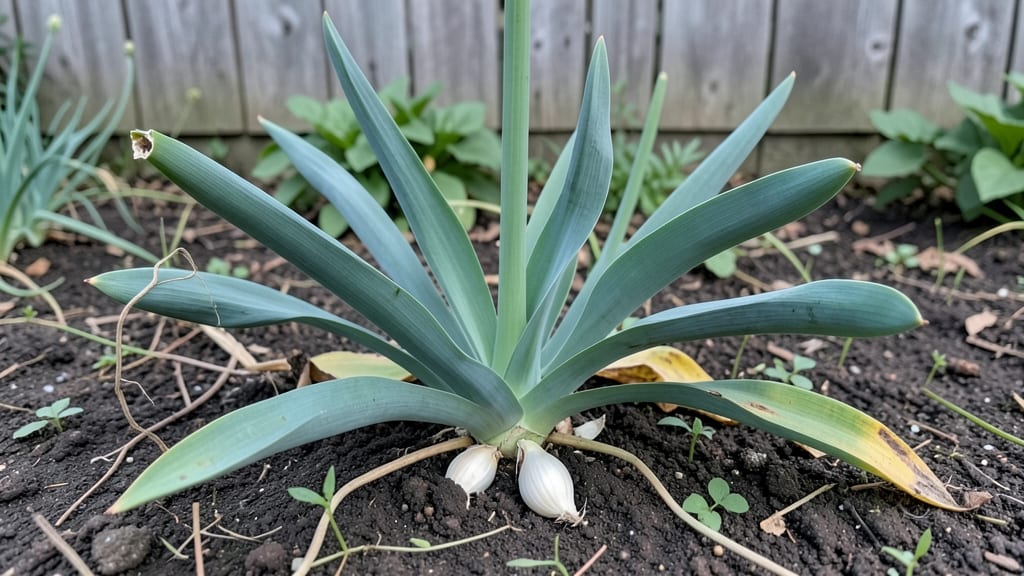
Alliums not flowering can turn your garden from showstopper to disappointment, but I’ve cracked the code on how to revive them. 🌱 The key lies in understanding what’s really going on underground—whether it’s last year’s growth hogging energy, a nutrient imbalance, or bulbs that need a fresh start.
Most gardeners miss these subtle clues until the blooms fail to appear.
First, check the foliage: if it’s tall and leggy without buds, your alliums are putting energy into next year’s growth instead of this year’s flowers. Over-fertilizing with nitrogen is often the culprit—it fuels leaves but starves blooms.
Then examine the soil: compacted or waterlogged conditions stress bulbs, while drought weakens them. Pests like allium leaf miners or thrips can also sabotage flowering by damaging foliage before buds even form.
Here’s the fix: cut back old foliage in early summer to redirect energy, use a balanced fertilizer (like 10-10-10) at planting, and ensure well-draining soil. For bulbs that look tired, dig them up, divide any clumps, and replant in fresh soil.
Within a season, you’ll see stronger stems and those signature globe-shaped blooms you planted for.
This works for globe alliums, ornamental onions, and even garlic chives—just adjust timing for your climate. The secret isn’t complicated, but it does require paying attention to what your plants are really telling you. Let’s get those blooms back.
Root Causes of Stubborn Blooms
Alliums are prized for their dramatic, globe-shaped flowers, but when they refuse to bloom, frustration sets in. Understanding the why behind this botanical behavior is the first step to revival. Below, we break down the most common culprits—backed by science—and how they disrupt your alliums' flowering cycle.
Alliums thrive in full sun (6–8+ hours daily), but shade—whether from nearby trees, buildings, or dense foliage—triggers a survival response. When light drops below 4 hours/day, the plant shifts energy from flowering to vegetative growth (leaves and bulbs) to conserve resources.
Why it happens:
- Photoperiodism: Alliums are long-day plants, meaning they need extended daylight (14+ hours) to initiate bloom signals via the hormone florigen. Short days or low light delay or prevent florigen production.
- Chlorophyll overload: In shade, excess leaf growth competes for nutrients, starving the flower buds. The plant prioritizes photosynthesis over reproduction.
- Weakened bulbs: Shade-stressed alliums produce smaller, weaker bulbs the following year, further reducing bloom potential.
Actionable fix: 🔍 Test your spot: Use a light meter or observe shadows—if your alliums are in dappled or deep shade, relocate them to a sunnier area before spring planting.
Alliums are drought-tolerant but not flood-tolerant. Water stress—whether from overwatering or neglect—disrupts critical growth stages, including flowering.
Why it happens:
- Overwatering: Soggy soil cuts off oxygen to roots, triggering anaerobic respiration. This produces ethanol (yes, like beer!), which poisons root cells and halts nutrient uptake—including phosphorus, essential for flower development.
- Underwatering: Drought stress forces alliums into dormancy prematurely. The plant conserves energy by aborting flower buds to protect the bulb for survival.
- Improper timing: Watering after buds form (when they’re most vulnerable) can cause bud blast, where flowers literally drop off.
Actionable fix: 💧 Water smarter:
- Water deeply once a week (or when top 2" of soil is dry) during active growth.
- Avoid wetting foliage to prevent fungal diseases (like Botrytis) that rot buds.
- Use drip irrigation or soaker hoses to deliver water at soil level.
Alliums are cold-hardy, but their flowering cycle is tightly linked to temperature cues. Too much heat, frost at the wrong time, or inconsistent chilling can throw off their internal clock.
Why it happens:
- Insufficient chilling: Most alliums need 6–12 weeks of temperatures below 50°F (10°C) to break dormancy and trigger flowering. Without this, they stay in a vegetative state.
- Early spring warmth: If bulbs sprout too early (e.g., in a warm winter), a late frost can kill emerging shoots, delaying or preventing blooms.
- Summer heat stress: Temperatures above 85°F (29°C) for prolonged periods can cause flower buds to abort due to heat shock.
Actionable fix: ⏰ Time it right:
- Plant bulbs in fall (6–8 weeks before frost) to ensure proper chilling.
- Mulch with straw or leaves (3–4 inches) to moderate soil temps in extreme heat.
- Choose heat-tolerant varieties (e.g., Allium ‘Globemaster’) if you live in hot climates.
Alliums are light feeders, but specific nutrient deficiencies can stall flowering. The biggest offenders? Phosphorus (P) and potassium (K), which fuel bloom production.
Why it happens:
Deficiency
Symptoms
Impact on Flowering
Phosphorus (P)
Purple-tinged leaves, stunted growth, weak stems
Phosphorus is critical for energy transfer in cells. Without it, flower buds fail to develop or abort early.
Potassium (K)
Yellowing leaf edges, weak stems, poor disease resistance
Potassium regulates enzyme activity and water balance. Low K = poor bud formation and susceptibility to stress.
Nitrogen (N) excess
Lush green leaves but no flowers
Too much nitrogen promotes foliage at the expense of blooms. Alliums prioritize bulb storage over reproduction.
Actionable fix: 📊 Feed strategically:
- Apply a balanced fertilizer (10-10-10 or 5-10-10) in early spring as shoots emerge.
- Avoid high-nitrogen fertilizers (e.g., lawn fertilizers). Instead, use bone meal (3-4-0) for phosphorus or greensand for potassium.
- Test your soil—most gardens lack phosphorus. Amend with composted manure or rock phosphate if needed.
Alliums are sensitive to synthetic chemicals, which can disrupt hormonal signals and soil microbes essential for flowering.
Why it happens:
- Herbicide residue: Pre-emergent herbicides (e.g., pendimethalin) or post-emergent sprays can kill or stunt bulb growth, preventing flowering.
- Over-fertilization: Excessive synthetic fertilizers (especially nitrogen) can burn roots and disrupt the auxin-cytokinin balance, which controls flower initiation.
- Pesticide damage: Systemic insecticides (e.g., imidacloprid) can accumulate in bulbs, weakening plant health and reducing bloom potential.
Actionable fix: 🚫 Avoid harsh chemicals:
- Use organic mulch (straw, grass clippings) to suppress weeds instead of herbicides.
Revive Your Alliums Blooms Now
If your alliums are stubbornly refusing to flower, don’t toss them out just yet! With the right fixes, you can coax those striking globes of color back to life.
Below, we’ve mapped out practical solutions based on the most common causes—plus tips to keep your alliums blooming like champs next season. 🌱✨
Problem: Alliums crave sunlight—too much shade = no blooms. Solution:
- Move them to sunnier spots (at least 6–8 hours of direct sun daily). If planting new ones, choose a south- or west-facing bed.
- Thin nearby plants blocking light (e.g., overgrown perennials or shrubs). Use pruners to trim foliage back gently.
- For container alliums: Place pots in the sunniest part of your patio or balcony. Rotate them weekly for even exposure.
💡 Pro Tip: If your garden has partial shade, opt for allium varieties like Allium karataviense (tolerates lighter conditions) or Allium moly (bright yellow blooms in dappled light).
Problem: Overwatering or drought stress can stall flowering. Solution:
- Check soil moisture before watering—stick your finger 2 inches deep. Water only if it’s dry.
- Improve drainage if soil feels soggy. Amend clay soil with compost or sand, or plant alliums on a slight mound.
- Water deeply but infrequently (1–2 times per week, depending on climate). Aim for 1 inch of water per week, including rainfall.
✨ Prevention Tip: Mulch around the base with 2–3 inches of organic mulch (straw, shredded leaves) to retain moisture and regulate temperature.
Problem: Poor soil nutrition = weak growth and no blooms. Solution:
- Fertilize in early spring with a balanced, low-nitrogen fertilizer (e.g., 5-10-10). Alliums need phosphorus and potassium for flowers, not leafy growth!
- Add compost or aged manure to the soil at planting time for long-term nutrition.
- Avoid over-fertilizing—too much nitrogen = lush foliage, no blooms. Stick to 2–3 feedings per year max.
🔥 Quick Fix: For an instant boost, use a liquid bloom-boosting fertilizer (like fish emulsion) in late winter or early spring.
Problem: Deadheading or pruning at the wrong time can confuse alliums. Solution:
- Wait until after flowering to cut back spent blooms. Leave the foliage intact until it yellows and dies back naturally (this feeds the bulb for next year!).
- Remove only the flower stems (not the leaves) if you want to encourage reblooming in perennial varieties like Allium giganteum.
- Trim dead foliage in late fall or early spring—this prevents disease and keeps the garden tidy.
🎯 Prevention Tip: If your alliums are multi-year perennials, avoid cutting anything until June or July to ensure the bulb stores energy for next season.
Problem: Extreme heat or cold can shock alliums into dormancy. Solution:
- For heat stress: Provide afternoon shade with a lightweight shade cloth (30–50%) during peak summer months.
- For cold-sensitive varieties (e.g., Allium christophii), plant in protected microclimates (near walls or under trees) or mulch heavily in winter.
- Avoid planting in frost pockets where late frosts linger—alliums need consistent warmth to bloom.
💡 Cold-Hardy Hack: If you’re in Zone 3–5, try Allium schubertii or Allium senescens—they thrive in cooler climates and still pack a floral punch!
Problem: Thrips, aphids, or fungal issues can drain energy from blooms. Solution:
- Inspect leaves regularly for pests (tiny black/green bugs = thrips; sticky residue = aphids). Blast them off with a hose or soapy water spray.
- Prevent fungal diseases (like powdery mildew) by:
- Watering at the base of plants (not overhead).
- Ensuring good airflow around alliums (space them 6–12 inches apart).
- Use neem oil as a preventive spray if pests are a recurring issue.
🔪 Emergency Treatment: For severe infestations, apply insecticidal soap or horticultural oil (follow label instructions).
Problem: Planting or dividing at the wrong time delays flowering. Solution:
- Plant bulbs in fall (September–October) for spring blooms. If planting in spring, do it as early as possible (March–April).
- Divide clumps every 3–4 years in early spring or fall. Overcrowded bulbs compete for nutrients and skip flowering.
- Avoid fertilizing right after dividing—wait until new growth appears (4–6 weeks later).
⏰ Blooming Schedule:
Variety
Best Planting Time
Bloom Time
Allium giganteum
Fall or early spring
Mid-to-late spring
Allium sphaerocephalon
Fall
Summer
Allium moly
Fall or spring
Early spring
With these fixes, your alliums should be back on track for stunning blooms this season—and with a little prevention, they’ll keep wowing you for years. 🌟 Try one or two solutions at a time, observe changes, and adjust as needed. Happy gardening!
Frequently asked questions
Why do my alliums keep producing leaves but no flowers?
Too much nitrogen in your soil is likely the culprit. Alliums prioritize leaf growth over blooms when they get excessive nitrogen. Check your fertilizer—high-nitrogen products (like lawn fertilizers) create lush foliage but starve flower buds. Switch to a balanced formula (like 5-10-10) and reduce feedings to 2-3 times per year.
Can I still get flowers if I cut back the foliage too early?
Yes, but it depends on timing. Alliums need their leaves to photosynthesize and store energy for next year's blooms. Wait until the foliage turns yellow and dies back naturally (usually late summer) before trimming. If you cut too soon, you'll sacrifice next year's flowers.
What's the best way to revive old allium bulbs that won't flower?
Dig up the bulbs, separate any clumps, and replant the largest, healthiest ones in fresh, well-draining soil. Add compost and a balanced fertilizer (like 10-10-10) at planting time. This gives them a fresh start and encourages stronger growth. Avoid fertilizing right after dividing—wait until new shoots appear.
How do I know if my alliums need more sunlight?
Check for these signs: leggy stems, sparse foliage, or weak flower stalks. Move your alliums to a spot with at least 6-8 hours of direct sun daily. If shade is unavoidable, choose varieties like Allium moly (golden flowers) or Allium karataviense, which tolerate partial shade better than others.
Will dividing my alliums help them bloom better?
Overcrowded bulbs compete for nutrients and often skip flowering. Divide clumps every 3-4 years in early spring or fall. Use only the largest, firmest bulbs—small or soft ones may not regrow well. Replant them in fresh soil with compost for the best results.