
Shrubs
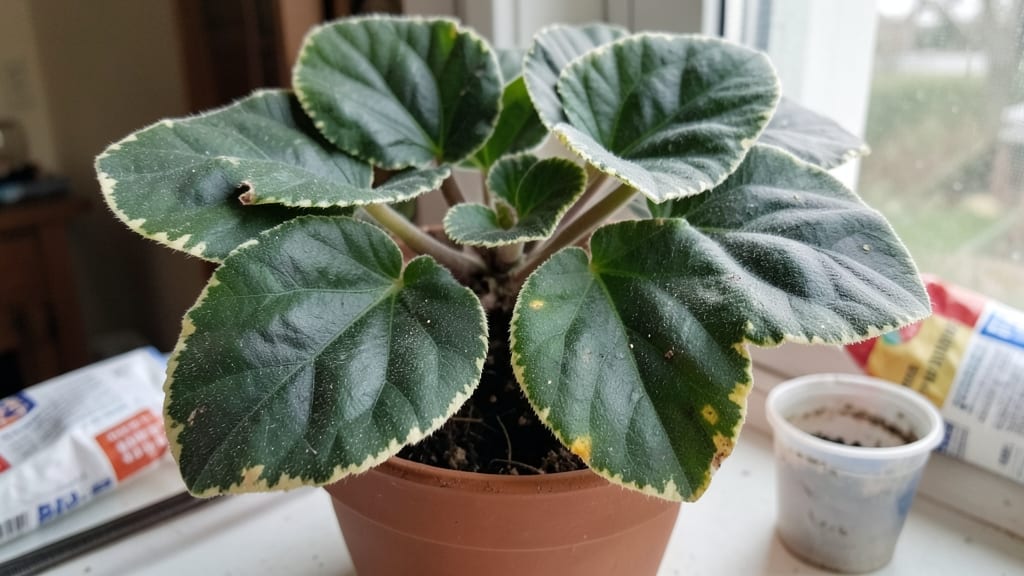
My begonias stopped flowering last summer, and I’ll be honest—it was heartbreaking. 🌸 Those vibrant blooms vanished overnight, leaving just lush green leaves, and I knew something had to change.
The good news? Most of the time, it’s not a death sentence, just a simple fix like tweaking light or feeding them right.
Begonias need bright, indirect light—think east-facing windows or filtered afternoon sun. Too much direct sun scorches leaves, while too little light means no blooms. I also switched to a balanced fertilizer every 4-6 weeks during growing season, and the difference was immediate. Overfeeding or wrong nutrients can stop flowering too.
Pruning spent blooms and crowded stems encourages new growth, and a little patience goes a long way. Within weeks, my plants bounced back with fresh buds, and the lesson stuck: begonias reward attention, not neglect. Let’s get those blooms back to life.
Works for tubers, wax, and rex begonias alike—just adjust light and care based on your variety. Here’s how to diagnose and fix the issue step by step.
📚 In This Guide
- What you need
- Instructions
- Tips and common mistakes
- Wrapping up and next steps
What you need
- ● Balanced liquid fertilizer (e.g., 10-10-10 or 20-20-20 NPK ratio) – 1 bottle (for foliar spray or soil application).
- ● Phosphorus-rich fertilizer (e.g., 5-10-5 or 10-20-10 NPK) – 1 small bag or bottle (to boost blooms).
- ● Grow lights or full-spectrum LED bulbs (6000K–6500K color temperature) – 1–2 bulbs (for indoor setups).
- ● Timer for grow lights – 1 digital or analog timer (to mimic 12–14 hours of daylight).
- ● pH test kit – 1 digital or liquid test kit (to check soil pH, ideal range: 6.0–6.5).
- ● Pruning shears or clean scissors – 1 pair (sterilized with rubbing alcohol).
- ● Well-draining potting mix – 1 bag (1–2 cubic feet) (look for "african violet" or "orchid" mix).
- ● Spray bottle with room-temperature water – 1 bottle (for gentle misting).
- ● Humidity tray or pebble tray – 1 tray + pebbles (to maintain 50–70% humidity).
- ● Epsom salt – 1 small box (1 tbsp/month can boost magnesium for blooms).
- ● Root stimulator – 1 small bottle (e.g., seaweed extract, for stress recovery).
- ● Notebook or app – 1 (to track light exposure, watering, and fertilizer dates).
How to revive begonia blooms when they stop producing flowers
Here's how to coax vibrant blooms back with simple adjustments—no fancy tools needed.
💧 Step 1: Check and Adjust Watering Habits
Begonias hate soggy roots but also need consistent moisture. Stick your finger 1 inch into the soil—if it's dry, water thoroughly until it drains from the bottom. If it's still damp, wait another day. Overwatering stresses plants and halts flowering, while underwatering causes buds to drop.
Use room-temperature water and avoid getting leaves wet. I water mine in the morning so excess moisture evaporates by evening. Yellowing leaves mean you're overwatering; crispy edges mean it's too dry. Find that sweet spot where soil stays evenly moist but never waterlogged.
☀️ Step 2: Optimize Light Exposure
Most begonias need bright, indirect light for 4-6 hours daily. If your plant's leaves are stretching toward the window or turning pale, it's not getting enough light. Move it within 2 feet of an east or west-facing window or use a grow light for 12-14 hours daily.
Direct midday sun will scorch leaves, but too little light means no energy for blooms. I rotate my begonias a quarter turn weekly so they grow evenly. Watch for dark green leaves with sparse flowers—that's your sign to increase light immediately.
🌿 Step 3: Feed with the Right Fertilizer
Flowering begonias need balanced fertilizer with equal parts nitrogen, phosphorus, and potassium (like 10-10-10). I mix ½ teaspoon of fertilizer per gallon of water and apply it every 2-3 weeks during spring and summer. Too much nitrogen makes leaves grow but stops flowers from forming.
Stop fertilizing in fall and winter—begonias rest then. If you see brown leaf tips, you're overdoing it. Always water the plant first, then feed, to prevent root burn. The goal is to encourage blooms, not leafy growth.
✂️ Step 4: Prune and Encourage New Growth
Deadhead spent blooms by pinching off the flower stem just above a leaf node. This redirects the plant's energy to producing new buds. I also trim leggy stems back by ⅓ their length to encourage bushier growth and more flowers.
Use clean, sharp scissors to avoid damaging the plant. Prune in the morning so wounds can heal by evening. You'll see new growth within 2-3 weeks—that's your sign the plant is responding well. Avoid heavy pruning after midsummer, as it may delay fall blooms.
🪴 Step 5: Refresh the Soil and Repot if Needed
If your begonia hasn't bloomed in over a year, it's likely root-bound. Gently remove it from its pot and check the roots. If they're circling or packed tightly, repot into a container just 1-2 inches larger with fresh potting mix.
I always refresh the top 2 inches of soil annually with new potting mix, even if I don't repot. Old, depleted soil lacks nutrients needed for flowering. After repotting, water lightly and place the plant in bright, indirect light. You should see new blooms within 4-6 weeks.
Tips & tricks for reviving begonia blooms
Real talk: Begonias are finicky about their environment, but these simple tricks will help you bring back those gorgeous blooms without stressing over complicated care routines.
Light Exposure Secret: In Step 2, when you're moving your begonia to bright, indirect light, pay attention to the direction of your windows. North-facing windows provide consistent, gentle light, while south-facing ones can get too intense even in the morning. If you notice leaves turning yellow or developing brown spots, it's a sign the light is too harsh—move your plant back a few feet or use a sheer curtain to diffuse the light.
Fertilizer Timing Matters: The 2-3 week feeding schedule in Step 3 is crucial, but don't start fertilizing until you see new growth after pruning. I always wait until I spot fresh leaves before beginning my feeding routine. Also, remember that half-strength fertilizer is gentler on your plant—mixing that ½ teaspoon per gallon gives you exactly what you need without overwhelming the roots.
Pruning Precision: When you're deadheading in Step 4, focus on making clean cuts just above a leaf node. This small detail makes a huge difference in how quickly your plant responds. I use my fingernail to gently pinch off spent blooms rather than cutting with scissors—it's faster and prevents accidental damage to nearby growth. The key is to remove the entire flower stem down to the leaf node, not just the flower itself.
Soil Refresh Strategy: In Step 5, when refreshing your soil, don't just skim off the top layer—gently loosen the soil around the edges of the pot first. This helps roots access the fresh nutrients more easily. I find that mixing in a handful of perlite or vermiculite with that top 2 inches of fresh potting mix improves drainage, which prevents the very root rot that can stop flowering in the first place.
Pro Tips for Begonia Stopped Flowering
- Real talk: Begonias are finicky about their environment, but these simple tricks will help you bring back those gorgeous blooms without stressing over complicated care routines.
- Light Exposure Secret: In Step 2, when you're moving your begonia to bright, indirect light, pay attention to the direction of your windows.
- Fertilizer Timing Matters: The 2-3 week feeding schedule in Step 3 is crucial, but don't start fertilizing until you see new growth after pruning.
Frequently asked questions
Got questions about why your begonia stopped flowering?
You’re not alone! Here are some of the most common concerns—and quick fixes—to get those blooms back in action.
Why did my begonia stop flowering suddenly?
Begonias often quit blooming due to light deprivation or nutrient imbalances. If they’re not getting enough bright, indirect light (6+ hours/day), they’ll focus on leaf growth instead. Overfeeding with high-nitrogen fertilizer can also stunt flowers—switch to a balanced bloom booster (like 10-10-10) every 4-6 weeks.
How long does it take for a begonia to flower again after adjustments?
With the right care, most begonias rebound in 4–8 weeks. Start by moving them to a sunnier spot (but avoid harsh midday sun) and resume feeding. Tuberous begonias may take longer—up to 3 months—since they need a dormancy period in winter. Patience is key!
Can I prune my begonia to encourage more flowers?
Yes! Pruning stems just above a leaf node (where leaves grow) promotes bushier growth and more blooms. Use clean scissors to trim leggy or bare stems, and avoid cutting more than ⅓ of the plant at once. Deadheading (removing faded flowers) also signals the plant to produce new buds.
What’s the best fertilizer for flowering begonias?
Avoid heavy nitrogen—it’s the enemy of blooms! Opt for a low-nitrogen, high-phosphorus fertilizer (like 5-10-5 or 7-9-5). Dilute it to half-strength and feed every 2–4 weeks during spring and summer. Organic options like fish emulsion or bone meal work too. Pro tip: Flush the soil monthly to prevent salt buildup!
Is temperature affecting my begonia’s flowers?
Begonias thrive in 65–75°F (18–24°C). If temps drop below 50°F (10°C) or spike above 85°F (29°C), blooming slows or stops. Keep them away from drafts, AC vents, or heaters. Tuberous varieties need cooler nights (55–60°F/13–16°C) to trigger flowering in spring.
What if my begonia still won’t flower after trying everything?
It might be stressed from overcrowding or root-bound. Gently repot it into fresh, well-draining soil (like a mix of peat, perlite, and compost) if roots circle the pot. Also, check for pests (like spider mites) or disease (powdery mildew), which drain energy from blooming. If all else fails, it may be a non-flowering variety—like Begonia rex—which focuses on foliage instead.
Wrapping up and next steps
Don’t let a lack of blooms dim your begonia’s charm—with the right tweaks, you can coax those vibrant flowers back! 🌸 Remember: light, nutrition, and a little TLC are your best allies. Adjusting care isn’t just about fixing a problem; it’s about helping your plant thrive for seasons to come.
Ready to take action? Start by checking your begonia’s light exposure and feeding schedule this week. Small changes can lead to big rewards—happy blooms ahead! 🌱