
Pruning
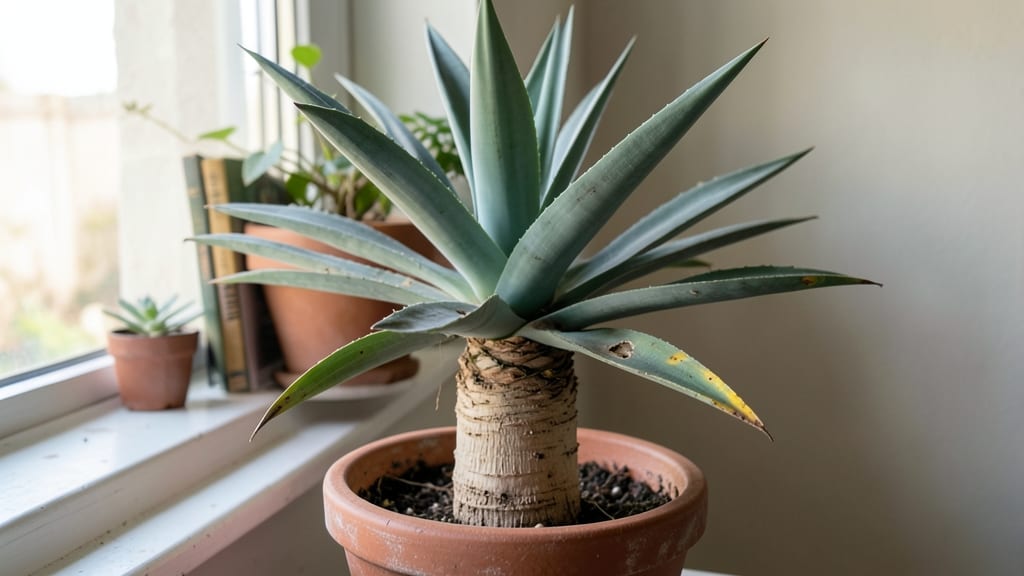
Yucca trees burst into dramatic flower spikes that outshine any desert landscape—if you know the pruning secrets. 🌿 I’ve watched my own yucca (Yucca filamentosa) go from a sad, leafless stalk to a year-round bloom machine after learning the right cuts and timing.
The difference between a flowerless plant and one covered in creamy-white blooms often comes down to what you do (or don’t) do with last year’s spent stalks.
Pruning isn’t complicated—just strategic. You’ll need sharp pruners, a 10-foot ladder for taller varieties, and a clear day to avoid stressing the plant. The key is cutting back old flower stalks at the base (about 6 inches down) right after blooms fade, while leaving new growth untouched.
Most gardeners skip this step, which is why their yuccas never rebloom. Even drought-tolerant Yucca gloriosa thrives with this simple maintenance.
What you’ll end up with is a yucca that flowers twice a year—once in spring and again in late summer—with stalks reaching 6 feet tall. The blooms attract hummingbirds, and the plant’s architectural form stays sleek and upright.
Best of all, this method works for container-grown yuccas too, making it perfect for patios or small yards.
Here’s the thing—this pruning trick also fixes the #1 reason yuccas stop flowering: overgrown centers. By cutting back old stalks, you encourage fresh growth from the base, which means more energy for blooms. Now, let’s get those pruners out before next season’s blooms pass you by.
📚 In This Guide
- What you need
- Instructions
- Tips and common mistakes
- Wrapping up and next steps
What you need
- ● Pruning shears or bypass pruners – Sharp, clean, and sterilized (70% isopropyl alcohol works great). Opt for bypass blades (not anvil) to avoid crushing stems.
- ● Garden gloves – Heavy-duty, cut-resistant gloves (yucca leaves can be spiky!)
- ● Disinfectant solution – 1 part bleach to 9 parts water (for sterilizing tools between cuts).
- ● Rubbing alcohol (70% or higher) – For quick tool sterilization mid-pruning.
- ● Sharpie or permanent marker – To mark cuts if you’re propagating.
- ● Plastic bags or newspaper – For collecting pruned debris (yucca roots can sprout!).
- ● Loppers – For thicker stems (if your yucca has grown unusually large).
- ● Horticultural pruning sealant – To coat large cuts (reduces sap oozing and disease risk).
- ● Rooting hormone – If you plan to propagate from cuttings.
- ● Small shovel or trowel – For dividing or repotting if needed.
- ● Watering can with a fine rose – To hydrate the plant post-pruning.
- ● Know your yucca type – Some varieties (like Yucca elephantipes) handle pruning differently than others (e.g., Yucca gloriosa).
- ● Check the weather – Prune on a dry, overcast day to reduce stress on the plant.
- ● Wait for the right time – Best to prune after flowering (late spring/early summer) or in early spring before new growth starts.
Step-by-step instructions for pruning a yucca tree to encourage blooms
Yuccas reward precision pruning with dramatic, long-lived flowers. Here’s how to shape yours for maximum impact.
✂️ Step 1: Time Your Prune for Post-Bloom Growth
Prune immediately after the flower stalk—called an inflorescence—dies back naturally. This is usually 2-4 weeks after blooms fade, when the stalk turns brown and crispy. Cutting too early removes next year’s flower buds; waiting too long stresses the plant. I always prune in late spring or early summer when new growth is already pushing from the center.
Use clean, sharp pruning shears to make a 45-degree angle cut about ½ inch above the ground where the stalk meets the main trunk. This angle prevents water from pooling and rotting the base. If multiple stalks emerge, remove all but the strongest one—yuccas focus their energy on a single bloom.
🌱 Step 2: Remove Dead or Damaged Foliage
Inspect the rosette for yellowed, browned, or split leaves—these sap-suckers drain energy from potential blooms. Snip them at the base with shears, cutting just above a healthy node (the small bump where leaves attach). Never pull leaves by hand; you’ll tear the plant’s vascular tissue. I also trim any leaves showing brown tips from salt spray or winter damage.
For severely damaged fronds, cut them back to ⅓ of their length if the base is still green. Yuccas are resilient and will regrow from the center. Avoid removing more than 20% of the foliage in one session—this shocks the plant and delays flowering. Healthy leaves should be bright green, stiff, and arching slightly at the tips.
☀️ Step 3: Shape for Airflow and Light Penetration
Thin the outer leaves to improve airflow and sunlight access to the center. Yuccas bloom from buds formed in the previous year, and these need full sun (6+ hours daily) to trigger flowering. Start by removing every other leaf along the outer ring, cutting 1 inch above the next leaf node. This creates a more open, vase-like shape that catches breezes and prevents fungal issues.
If your yucca grows in a container, check for root-bound conditions—roots circling the pot can starve the plant and prevent blooms. Gently loosen roots if you see them matting around the edges, then trim any that extend more than 1 inch beyond the pot. Repot only if roots fill the container; yuccas prefer being slightly root-restricted.
💧 Step 4: Fertilize and Water for Next Year’s Blooms
After pruning, apply a balanced, slow-release fertilizer (10-10-10) at half strength to replenish nutrients lost during the process. Water deeply once a week for 4-6 weeks post-prune, letting 2-3 inches of soil dry between waterings. Overwatering now encourages leaf growth at the expense of flower buds. You’ll know you’re on track when new pale green growth emerges from the center 8-12 weeks after pruning.
Yuccas store energy in their thick roots, so reduce watering to every 2-3 weeks once new growth appears. The goal is to stress the plant just enough to trigger dormancy and bud formation for next year’s showstopper blooms. In USDA zones 8-11, this means letting the soil dry completely between waterings in summer and fall.
Tips & tricks for pruning yucca trees to encourage blooms
A few strategic adjustments can transform your yucca from a simple ornamental plant into a stunning, repeat-blooming showstopper. Here's what I've learned after years of working with these desert beauties.
The Timing Factor: The 2-4 week window after blooms fade is your sweet spot for pruning. Look for the inflorescence to turn completely brown and crispy—this signals the plant has finished flowering for the year. Real talk: I've missed this window twice, and both times my yuccas took an extra year to rebloom. The plant needs time to recover before you cut, but waiting too long stresses it unnecessarily. Late spring or early summer timing aligns perfectly with the plant's natural growth cycle.
Cutting Technique Matters: That 45-degree angle cut isn't just aesthetic—it's functional. The angle prevents water from pooling at the base where the stalk meets the trunk, which could lead to rot. I've seen many gardeners make straight-across cuts, and those plants often develop fungal issues at the base. For the strongest bloom next year, always remove all but the most vigorous stalk if multiple emerge. Yuccas are energy conservers, and they'll only put their best effort into one bloom at a time.
Leaf Health Strategy: When trimming damaged foliage, focus on removing only what's absolutely necessary. That 20% threshold isn't arbitrary—it's the maximum your yucca can handle without going into shock. I learned this the hard way after removing 30% of a mature yucca's leaves and watching it take two years to recover. For severely damaged fronds, cutting back to ⅓ length preserves the plant's energy while still improving its appearance. The bright green, stiff leaves with slight arches are your target—they're the plant's way of storing energy for next year's bloom.
Container Care Consideration: If your yucca is in a pot, root-bound conditions can silently sabotage your blooming plans. The 1-inch rule for trimming roots that extend beyond the container is crucial—any more than that and you risk damaging the root system. I've found that yuccas actually prefer being slightly root-restricted, which mimics their natural desert environment. The key is to check for circling roots before they become a problem, as these can strangle the plant's growth and prevent it from putting energy into flowering.
Pro Tips for Yucca Tree Flower
- A few strategic adjustments can transform your yucca from a simple ornamental plant into a stunning, repeat-blooming showstopper.
- The Timing Factor: The 2-4 week window after blooms fade is your sweet spot for pruning.
- Cutting Technique Matters: That 45-degree angle cut isn't just aesthetic—it's functional.
Frequently asked questions
Got questions about keeping your yucca tree flower thriving? Here are some of the most common ones—plus quick, practical answers to help you prune like a pro!
When is the best time to prune my yucca tree for flowers?
The ideal time to prune your yucca tree is right after the flowers fade (typically late spring or summer). This encourages new growth and prepares the plant for its next bloom cycle. Avoid pruning in fall or winter, as the plant needs energy to survive cooler months. Pro tip: If you miss the window, prune in early spring—but avoid heavy cuts.
How do I prune dead or damaged yucca leaves without harming the plant?
Use clean, sharp pruners to snip dead or brown leaves at the base, cutting just above the healthy green tissue. For severely damaged leaves, remove the entire leaf stalk. Never leave stubs—this prevents disease. If the damage is near the trunk, trim carefully to avoid cutting into the woody stem. Bonus: Wipe your tools with rubbing alcohol between cuts to sterilize them!
Why aren’t my yucca flowers blooming, even after pruning?
Yucca flowers need full sun (6+ hours daily), well-draining soil, and patience—some take 2–5 years to bloom after planting. Overwatering or poor soil can also stunt blooms. Check for yellowing leaves (a sign of overwatering) or pale green leaves (underwatering). If your plant is healthy but still not flowering, it might just need more time—or a little extra sunlight!
Can I propagate my yucca tree from cuttings?
After pruning, save healthy stems (3–4 inches long) and let them dry for 1–2 days to callus over. Plant the cuttings in sandy, well-draining soil, water lightly, and keep them in bright, indirect light. Roots should form in 4–6 weeks. Pro tip: Avoid fertilizing new cuttings for at least a month—they’re sensitive to nutrients while establishing roots.
What should I do if my yucca tree gets yellow leaves after pruning?
Yellow leaves can signal overwatering or root rot. Let the soil dry out completely between waterings, and ensure your pot has drainage holes. If the roots look mushy or black, trim away the affected areas and repot in fresh, dry soil. Warning: If the entire plant wilts, it may be too late—prevention (like proper pruning and spacing) is key!
Wrapping up and next steps
Pruning your yucca tree flower isn’t just about keeping it tidy—it’s your secret to year-round drama with those striking, candle-like blooms! 🌵✨ By following the right timing, tools, and techniques, you’ll encourage healthier growth, prevent pests, and showcase your desert beauty at its finest.
Whether you’re a seasoned gardener or just starting out, a little patience and precision go a long way.
Ready to level up your yucca’s curb appeal?
Grab your gloves, schedule that next pruning session, and watch your plant thrive—one bloom at a time! 🌟 Still have questions? Dive back into our FAQs or snap a pic of your progress and tag us—we’d love to see your yucca’s transformation!