Flowers
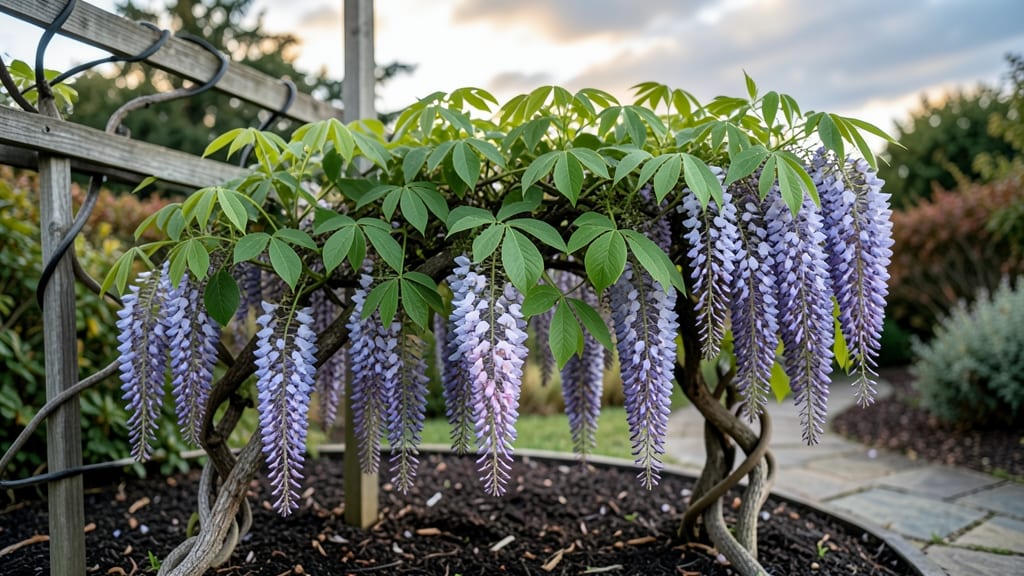
These wisteria photos flower clusters—whether captured in lavender, pink, or white—reveal why their cascading blooms transform gardens into fragrant, dreamy retreats. that lingers long after you’ve passed.
I still remember the first time I saw wisteria draping over a rustic pergola, its tendrils spilling like silk ribbons, and I knew it would become the centerpiece of my garden.
The secret to making wisteria shine lies in its placement—think trellises, arches, or even a sturdy fence where it can climb and sprawl dramatically. Pair it with complementary plants like clematis for a layered effect or hostas at the base for contrast.
The key is patience; wisteria grows slowly but rewards you with years of lush, fragrant beauty once established. Even in small spaces, its dramatic presence makes it a showstopper.
Photographing wisteria is pure magic—soft morning light catches the delicate petals, and the dappled shade creates a dreamy, almost ethereal backdrop. Focus on the textures: the velvety blooms, the gnarled wood of mature vines, and the way sunlight filters through the cascading flowers.
A close-up of a single cluster against a blurred garden background will make your photos pop, while wider shots highlight the grand scale of a fully bloomed vine.
Whether you’re designing a romantic garden retreat or simply want to add drama to your outdoor space, wisteria delivers. Its versatility works in both formal and wild landscapes, and with the right care, it becomes the heart of your garden’s story. Ready to transform your space with this fragrant masterpiece?
📚 In This Guide
- What you need
- Instructions
- Tips and common mistakes
- Wrapping up and next steps
What you need
- ● Camera: DSLR, mirrorless, or high-end smartphone with manual settings (e.g., iPhone 13 Pro, Samsung Galaxy S22 Ultra)
- ● Lenses: Wide-angle lens (16-35mm) for sweeping canopies
- ● Macro lens (50mm–105mm) for close-up details (e.g., Canon EF 100mm f/2.8L or Nikon AF-S VR Micro-Nikkor 105mm)
- ● Tripod: Sturdy, lightweight (e.g., Manfrotto Compact Action or Joby GorillaPod)
- ● Remote shutter: 2–3 second timer or Bluetooth/Wi-Fi remote (e.g., Vello ShutterBoss)
- ● Reflector: 5-in-1 (gold/silver/diffusion) for soft lighting (e.g., Neewer 43-inch)
- ● Polarizing filter: Circular (e.g., Hoya HD Circular Polarizer) to reduce glare
- ● Lighting: Softbox or LED panel (e.g., Neewer 18-inch) for backlighting
- ● Pruning shears: Sharp, bypass-style (e.g., Fiskars Ergo) for trimming wisteria branches
- ● Backdrop: Neutral fabric or wooden panel for studio-style shots
- ● Editing software: Adobe Lightroom, Photoshop, or free alternatives like Darktable or GIMP
- ● Weather gear: Rain cover for camera, gloves, and a windbreaker (wisteria blooms are delicate!)
- ● Access to a wisteria vine in full bloom (late spring/early summer)
- ● Basic knowledge of camera settings (aperture, shutter speed, ISO)
- ● Permission to photograph on private property (if applicable)
- ● Patience! Wisteria blooms are ephemeral—plan shoots during peak hours (morning/late afternoon).
How to capture and display wisteria flowers in your garden photography
Here's how to showcase wisteria's stunning blooms in your garden photos—no fancy equipment needed.
Choose the Right Time of Day for Optimal Light
Early morning light—within 2 hours of sunrise—creates soft, diffused lighting that enhances wisteria's delicate petals. The golden hour just before sunset also works beautifully, but morning photos often have crisper details. Avoid midday sun, which casts harsh shadows and can wash out the flowers' vibrant colors.
I like to scout locations the day before. Look for spots where wisteria vines cascade naturally over trellises, arbors, or fences. The play of light through the canopy at dawn creates ethereal, dreamy effects that are perfect for capturing wisteria's romantic appeal. If your garden has a reflective surface like a pond or patio stones, position yourself to include it in the frame.
Frame the Composition for Depth and Texture
Wisteria's natural growth habit makes it ideal for layered compositions. Start by including a foreground element—like a stone path, garden bench, or even a pair of gardening gloves—to create depth. This draws viewers into the image and emphasizes the scale of the flowering canopy.
I always look for contrasting textures. The soft, feathery clusters of wisteria flowers work beautifully against rough bark, weathered wood, or smooth stone surfaces. Move around your garden to find these natural contrasts—perhaps the vines draping over a rustic wooden fence or spilling down a stone wall. Include a few leaves in the frame to show the plant's full beauty, not just the blooms.
Capture the Fragrance Through Visual Storytelling
Since wisteria's fragrance can't be photographed directly, focus on visual cues that evoke its sensory experience. Capture close-ups of bees and butterflies visiting the flowers—these moving elements bring life to the scene and suggest the garden's aromatic allure.
I like to include a person in some shots, subtly positioned to enjoy the flowers. Have them hold a small bouquet or simply stand near the vine with their head tilted back, as if savoring the scent. This human element creates an emotional connection that makes viewers feel they're experiencing the garden with you. For wider shots, include garden tools or a watering can to suggest recent care and maintenance.
Edit Photos to Enhance Wisteria's Natural Beauty
Use editing software to enhance the colors without over-saturating them. Wisteria flowers have a natural softness that should remain intact. I typically boost the blues and purples slightly while maintaining the flowers' delicate white accents. Be careful with contrast—wisteria photos often look best with slightly muted tones that preserve their ethereal quality.
Adjust the exposure to brighten the flowers while keeping shadows slightly dark. This creates depth and makes the blooms stand out against their background. I also use a slight vignette effect to draw attention to the center of the image where the flowers cluster most densely. For black-and-white conversions, focus on the texture of the petals and the play of light through the canopy—these elements translate beautifully to monochrome.
Tips & tricks for perfect wisteria flower photography
Here's what I've learned after years of chasing wisteria blooms—these details make all the difference in capturing their magic.
Timing is Everything: The two-hour window after sunrise is your golden opportunity for soft, diffused light that highlights wisteria's delicate petals. I've found that checking your local sunrise time the night before helps you plan your shoot perfectly. Pro tip: Use a sunrise/sunset app to get exact times for your location—this ensures you're ready when the light is ideal. If you miss morning light, golden hour at sunset works too, but morning often gives crisper details that make the flowers pop.
Composition Secrets: When framing your shots in Step 2, think about leading lines created by the wisteria vines themselves. The natural curves of the vines can guide viewers' eyes through your image. I like to position myself so the vines lead from the foreground element (like that garden bench) directly to the flower clusters in the background. This creates a sense of depth that makes your photos feel more dynamic and three-dimensional.
Storytelling Through Details: For Step 3, don't overlook the small details that bring your photos to life. I always carry a small notebook to jot down ideas for different shots. For example, if you notice a particular bee hovering near the flowers, set up your tripod and wait for it to return—capturing that moment adds a layer of authenticity that static shots can't match. Even something as simple as a dew drop on a leaf can add a magical quality to your images.
Editing Like a Pro: When enhancing your photos in Step 4, remember that wisteria flowers have a natural softness you want to preserve. I use a color grading tool to slightly boost the blues and purples while keeping the white accents pure. The key is to enhance, not overpower—the flowers should still look like they belong in your garden. For black-and-white conversions, focus on the texture contrast between the feathery petals and the rough bark or wood they're growing against.
Pro Tips for Wisteria Photos Flower
- Here's what I've learned after years of chasing wisteria blooms—these details make all the difference in capturing th...
- Timing is Everything: The two-hour window after sunrise is your golden opportunity for soft, diffused light that high...
- Composition Secrets: When framing your shots in Step 2, think about leading lines created by the wisteria vines thems...
Frequently asked questions
Got questions about growing, styling, or caring for wisteria? Here are some of the most common ones—plus expert tips to help you create a stunning floral display with these fragrant beauties!
When is the best time to plant wisteria for full blooms?
Plant wisteria in early spring (March–April) or fall (September–October) for optimal root establishment. Avoid planting in late summer or winter, as extreme temperatures can stress young plants. Give it 3–5 years to mature—patience pays off with those iconic cascading blooms!
How do I train wisteria to grow on a trellis or arbor?
Start by tying young vines to the trellis with soft twine or clips every 6–12 inches. Prune in late winter to shape growth—cut back old wood by ⅓ and trim new shoots to encourage bushier blooms. Use spiral or fan training for arbors to create a lush, floral canopy.
Why isn’t my wisteria flowering? Troubleshooting tips.
Wisteria skips blooms often due to over-pruning, young age, or poor sunlight. Ensure it gets 6+ hours of sun daily and prune after flowering (not in fall). Feed with phosphorus-rich fertilizer in early spring. If vines are too vigorous, reduce water slightly—stress can trigger blooms!
Are there low-maintenance wisteria alternatives?
Yes! Try Clematis (fast-growing, less aggressive), Jasmine (fragrant but compact), or Honeysuckle (vining, pollinator-friendly). For a similar look without the upkeep, Campsis radicans (Trumpet Vine) offers bold blooms in red/orange. Just avoid planting near structures—some can be invasive!
What’s the best way to photograph wisteria flowers?
Shoot on overcast days or early morning to soften light and highlight details. Use a macro lens for close-ups of blooms or step back for cascading shots with a shallow depth of field. Include foliage texture and dappled sunlight for dramatic contrast. Pro tip: Tripods help capture wisteria’s movement in wind!
Wrapping up and next steps
Wisteria’s cascading blooms and intoxicating fragrance truly make it a showstopper for any garden. Whether you’re drawn to its romantic purple hues or its practicality as a shade-providing climber, these flowers offer both beauty and charm.
Now that you’re inspired, why not take the next step? Start small—plant a single vine, experiment with a hanging basket, or even share your newfound love for wisteria with fellow gardeners! 🌸
- Next steps: Sketch a design, gather supplies, or explore local nurseries for the perfect variety.
- Share the magic: Snap stunning wisteria photos and tag us—we’d love to see your garden transformation!