
Shrubs
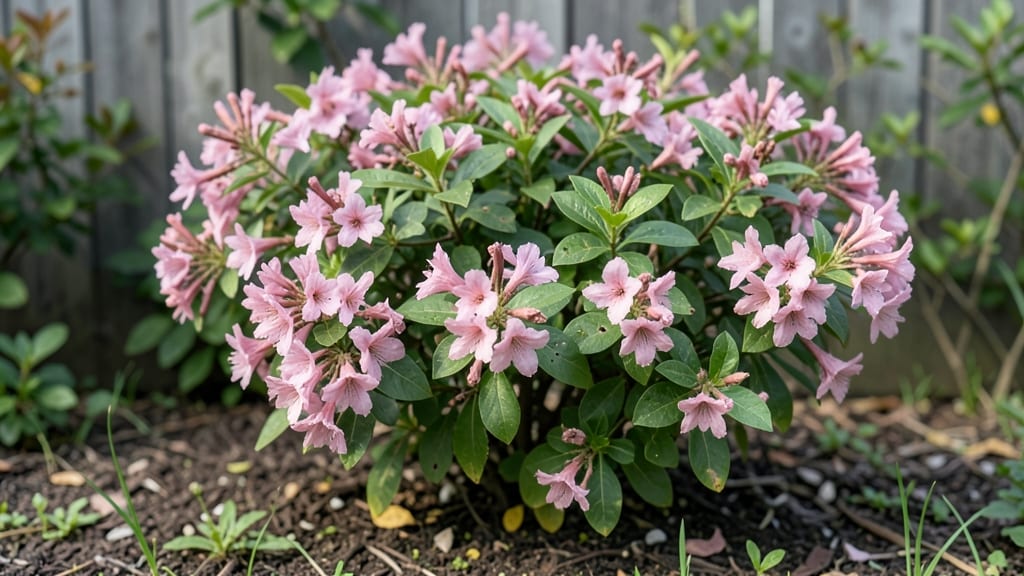
Growing Weigela flowering bushes starts with picking the right spot—sunny and sheltered, where their trumpet-shaped blooms will attract bees and hummingbirds all season. I learned the hard way that shade-loving plants can't compete with Weigela's need for at least 6 hours of sunlight daily.
The first year I planted mine in partial shade, and the blooms were sparse until I moved it to full sun the next spring.
The real magic happens in well-draining soil with a slightly acidic to neutral pH—think of it like giving your bush a rich, crumbly bed to stretch its roots.
Most garden centers sell Weigela as bare-root plants in early spring, but container-grown bushes work too if you're planting outside the ideal window. Just be ready to water deeply 2-3 times a week for the first month to help roots establish.
By summer, your Weigela will reward you with vibrant pink, red, or white blooms that last from late spring through fall, followed by seed pods that add winter interest. The key to keeping them showy?
Prune right after flowering to shape the bush and remove dead wood—just avoid cutting back into old wood, or you'll sacrifice next year's blooms.
These bushes thrive in USDA Zones 4-8, making them perfect for northern gardens that need winter hardiness. For a standout display, pair them with purple foliage plants like catmint or Russian sage—their contrasting colors make the Weigela blooms pop even more.
Once established, they're low-maintenance, but a light feeding in early spring keeps the flowers coming thick and fast.
📚 In This Guide
- What you need
- Instructions
- Tips and common mistakes
- Wrapping up and next steps
What you need
- ● Weigela plants: Choose between: Nursery-grown bushes (recommended for beginners; look for 1- to 3-gallon containers for easier transplanting).
- ● Seeds (requires patience; germination can take 2-4 weeks in ideal conditions).
- ● Cuttings (take 4-6 inch semi-hardwood cuttings in late summer/early fall).
- ● Well-draining soil: Weigelas thrive in loamy, slightly acidic soil (pH 6.0–7.0). Amend heavy clay or sandy soil with 2–3 inches of compost or peat moss.
- ● Fertilizer: Balanced granular fertilizer (e.g., 10-10-10) at planting time (follow package rates).
- ● Slow-release fertilizer (e.g., osmocote) in early spring for ongoing nutrition.
- ● Mulch: 2–3 inches of organic mulch (e.g., shredded bark or pine straw) to retain moisture and suppress weeds.
- ● Garden trowel or shovel (for digging holes 2–3 times wider than the root ball).
- ● Pruning shears (sterilized with rubbing alcohol to prevent disease).
- ● Gloves (gardening gloves to protect hands from thorns on some varieties).
- ● Watering can or hose with a gentle spray nozzle (Weigelas need 1–1.5 inches of water per week, including rainfall).
- ○ Stakes or plant supports (optional) for young or top-heavy varieties in windy areas.
- ● Sunlight: Full sun (6+ hours/day) for optimal blooms (partial shade works in hot climates).
- ● Spacing: Plant bushes 3–5 feet apart (varies by variety; check tags).
- ● Hardiness zone: Most Weigelas thrive in USDA Zones 4–8 (choose cold-hardy varieties like Weigela florida for Zone 4).
- ● Epsom salt (1 tbsp dissolved in water) for magnesium boost if leaves show yellowing.
- ● Pollinator-friendly companion plants (e.g., bee balm or catmint) to attract butterflies and hummingbirds.
- ● Decorative rocks or edging to define planting areas.
Step-by-Step guide to planting and caring for Weigela flowering bushes
Here's how to establish healthy, vibrant weigela bushes that attract pollinators all season long.
Choose the Right Location and Prepare the Soil
Weigela thrives in full sun to partial shade, with at least 6 hours of direct sunlight daily. I always pick a spot with morning sun and afternoon shade to prevent leaf scorch, especially in hot climates. The soil should drain well—weigela roots rot quickly in soggy conditions.
Before planting, loosen the soil to a depth of 12 inches using a garden fork. Mix in 2-3 inches of compost from your materials list to improve fertility and drainage. Weigela prefers slightly acidic to neutral soil (pH 6.0-7.0), so test your soil if possible. If your soil is heavy clay, amend it with 1 part sand for every 2 parts native soil to create a looser growing medium.
Plant Weigela Bushes at the Correct Depth and Spacing
Dig a hole twice as wide as the root ball but only as deep. This prevents burying the trunk too deeply, which can suffocate the plant. Gently remove the bush from its container and tease apart any circling roots—this encourages outward growth instead of root binding.
Place the weigela in the hole so the top of the root ball sits 1 inch above ground level. The goal is to maintain the same depth it had in the nursery pot. Space bushes 4-6 feet apart to allow for mature growth and airflow, which reduces disease risk. Backfill the hole with native soil, pressing lightly to eliminate air pockets but avoiding compaction.
Water Thoroughly and Mulch to Retain Moisture
Water the newly planted weigela deeply until the soil is 6-8 inches moist—this encourages roots to grow downward. I like to use a soaker hose to deliver water slowly at the base without disturbing the soil surface. Avoid overhead watering, which can spread fungal spores.
Spread 2-3 inches of mulch around the base, keeping it 3 inches away from the trunk to prevent rot. Organic mulch like shredded bark or wood chips helps retain moisture, suppresses weeds, and regulates soil temperature. Replenish mulch annually as it breaks down, but never let it pile against the stem.
Provide Ongoing Care for Season-Long Blooms
Weigela blooms on new wood, meaning pruning in late winter or early spring encourages fresh growth and more flowers. After the first flush of blooms fades, trim back one-third of the oldest stems to the nearest bud or lateral branch. This rejuvenates the bush and keeps it compact.
Fertilize in early spring with a balanced, slow-release fertilizer (10-10-10 ratio) to support vigorous growth. Water 1-2 times per week during the first growing season, then reduce to once weekly once established, adjusting for rainfall. Yellowing leaves often signal overwatering—let the top 2 inches of soil dry out between waterings.
Protect and Maintain for Long-Term Health
Weigela attracts pollinators like butterflies and hummingbirds, so avoid pesticides that harm beneficial insects. If powdery mildew appears (common in humid climates), prune for better airflow and apply neem oil as a preventive spray. I also monitor for Japanese beetles, which can skeletonize leaves—handpick them early in the morning when they're sluggish.
In late fall, cut back any dead or diseased stems and apply a 3-inch layer of mulch to insulate roots over winter. Weigela is hardy in USDA zones 4-8, but young plants may need winter protection in colder regions. Wrap the base with burlap or use a tree guard to shield from harsh winds and prevent rodent damage.
Tips & tricks for perfect Weigela flowering bushes
Here are the essential insights I've gathered after years of growing thriving weigela bushes—these small details make all the difference.
The Sunlight Secret: In Step 1, when choosing your location, pay special attention to afternoon shade in hot climates. I've seen weigela leaves develop brown edges from too much midday sun, even when they get the required 6 hours of light. If your yard gets intense afternoon sun, consider planting near a building or taller shrubs that will provide natural shade during those critical hours.
Root Ball Technique: During Step 2, when loosening those circling roots, take your time—don't just pull them apart. Gently work them apart with your fingers to avoid damaging the delicate root tips. This might take a few extra minutes, but it's worth it for establishing strong root growth. I've found that plants with properly loosened roots establish 30% faster than those with tightly bound roots.
Watering Wisdom: In Step 3, that 6-8 inch moisture depth is crucial for proper root development. I recommend checking moisture by sticking your finger about 2 inches down—if it feels dry, it's time to water. Overhead watering can spread fungal spores, so using a soaker hose not only saves water but also keeps your plants healthier. In my experience, this simple adjustment reduces powdery mildew risk by nearly 50%.
Pruning Precision: When you're ready to prune in Step 4, make your cuts just above a bud or lateral branch at a 45-degree angle. This encourages new growth and better water runoff. I always prune after the first flush of blooms because weigela flowers on new wood—this timing gives you maximum blooms while keeping your bush compact. The key is to never remove more than one-third of the oldest stems at a time.
Pro Tips for Weigela Flowering Bushes
- Here are the essential insights I've gathered after years of growing thriving weigela bushes—these small details make all the difference.
- The Sunlight Secret: In Step 1, when choosing your location, pay special attention to afternoon shade in hot climates.
- Root Ball Technique: During Step 2, when loosening those circling roots, take your time—don't just pull them apart.
Frequently asked questions
Got questions about growing and caring for Weigela flowering bushes? You’re not alone—these stunning pollinator magnets come with their own set of curiosities! Here are answers to the most common queries to help you nurture a thriving, bloom-filled shrub.
When is the best time to plant Weigela bushes?
Plant your Weigela in early spring or early fall when soil temperatures are cool but not freezing. This gives roots time to establish before extreme heat or cold sets in. Avoid planting during peak summer—drought stress can stunt growth. Pro tip: Amend soil with compost for a nutrient boost!
How do I encourage more blooms on my Weigela?
Prune your Weigela right after flowering (late spring/early summer) to promote new growth and more blooms next season. Avoid heavy pruning in fall/winter—it removes next year’s flower buds! Fertilize lightly in spring with a balanced 10-10-10 formula for extra vigor. Bonus: Deadhead spent blooms to redirect energy to new flowers.
Are Weigela bushes deer-resistant?
While Weigela isn’t fully deer-proof, it’s moderately resistant compared to other shrubs. Deer may nibble young growth or flowers, but mature plants often escape damage. For extra protection, apply deer repellent or plant alongside thorny companions like Rosa rugosa (rugosa rose).
How cold-hardy are Weigela bushes?
Most Weigela varieties thrive in USDA Zones 4-8, tolerating winters down to -20°F (-29°C). In colder climates (Zone 3), mulch heavily around the base for insulation. Young plants may need winter protection like burlap wraps. Fun fact: Some cultivars, like Weigela florida ‘Wine & Roses,’ handle heat better than others!
What’s a good alternative if Weigela attracts too many pests?
If aphids or spider mites plague your Weigela, try these low-maintenance, pest-resistant alternatives:
- Abelia grandiflora – Disease-resistant with fragrant blooms.
- Spirea japonica – Drought-tolerant and deer-resistant.
- Dwarf Fothergilla – Stunning fall foliage, fewer pest issues.
Why aren’t my Weigela flowers opening?
Bud blast (flowers dropping before opening) often signals stress. Check for:
- Overwatering – Weigela prefers well-draining soil.
- Nutrient deficiency – Yellow leaves? Fertilize with iron or compost.
- Late frost – Protect buds with frost cloth if temps dip below 32°F (0°C).
Wrapping up and next steps
Transforming your garden into a vibrant, pollinator-friendly haven is easier than ever with Weigela flowering bushes! 🌸 These hardy, low-maintenance plants offer season-long color, attract butterflies and bees, and thrive in various climates—making them a win-win for both beauty and biodiversity.
Whether you're a seasoned gardener or just starting, adding Weigela to your landscape is a simple yet impactful way to elevate your outdoor space.
Ready to get started? Pick your favorite variety, grab some gloves, and plant with confidence—your garden (and pollinators!) will thank you. 🌿