
Watering
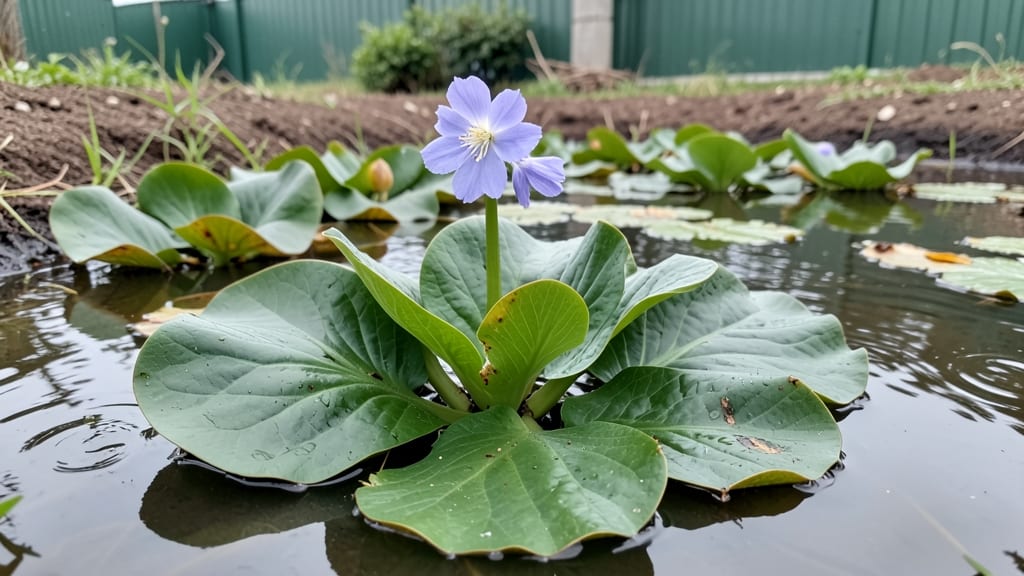
Growing water hyacinth flowers transforms any pond into a floating garden of edible blooms that hummingbirds can’t resist. 🌸 I’ve watched these vibrant purple flowers turn a stagnant water feature into a thriving ecosystem—just by adding a few key elements.
The secret isn’t complicated: clean water, full sun, and a little patience. Most people assume these plants are high-maintenance, but they’re actually one of the easiest aquatic additions for pollinators.
You’ll need a container or pond with at least 12 inches of water depth, warm temperatures (above 60°F), and a spot that gets 6+ hours of sunlight daily.
Start with a single plant or a small clump, and within weeks, you’ll see lush green leaves and clusters of fragrant blooms. The best part? These flowers are non-invasive in controlled settings, unlike the myths you might hear.
By mid-summer, your water hyacinths will be covered in blooms that attract bees, butterflies, and birds—while also providing edible petals for salads or teas. The roots even help filter water naturally, making this a double win for your garden. Just avoid letting them spread uncontrollably in open waters.
Perfect for small ponds, koi ponds, or even large containers. With the right setup, you’ll have a pollinator magnet that keeps blooming all season long. Let’s get those roots in the water!
📚 In This Guide
- What you need
- Instructions
- Tips and common mistakes
- Wrapping up and next steps
What you need
- ● Water hyacinth plants: 3–5 healthy, established plants (ensure they’re free of pests/diseases). Pro tip: Buy from a reputable aquatic nursery to avoid invasive strains!
- ● Container or pond: For containers: A 10–20 gallon plastic or fiberglass tub (minimum 12" deep), with drainage holes covered by mesh.
- ● For ponds: A sunny, still-water area (3–6 ft deep) with no fish (they’re toxic to aquatic life!).
- ○ Growing medium (optional for containers): 1–2 inches of aquatic soil or perlite mixed with peat moss (for stability).
- ● Water: Stagnant or slow-moving, warm (70–85°F), and free of chlorine (use rainwater or let tap water sit for 24 hours).
- ● Gloves (nitrile or rubber—hyacinths can irritate skin).
- ● Long-handled net or tongs (for harvesting or moving plants).
- ● pH test kit (ideal range: 5.0–7.0).
- ○ Fertilizer (optional): Balanced aquatic fertilizer (e.g., 10-10-10) or compost tea (apply sparingly, every 4–6 weeks).
- ● Pruning shears (for trimming dead blooms or runners).
- ● Sunlight access: Full sun (6+ hours/day)—partial shade may reduce blooms.
- ● Check local regulations: Water hyacinths are banned in some states (e.g., Florida, California) due to invasiveness. Verify before planting! 🌍
- ● Avoid overcrowding: Divide plants every 6–8 weeks to prevent nutrient depletion.
Step-by-step instructions for cultivating water hyacinth in containers
Transform your pond into a vibrant, edible ecosystem with these easy steps for thriving water hyacinths.
🪴 Step 1: Select and Prepare Containers
Choose 4 floating containers (like plastic trays or old kiddie pools) with at least 6 inches of depth. Water hyacinths spread aggressively, so limit each container to 1-2 plants to prevent overcrowding. Drill multiple drainage holes in the bottom if using solid containers—this ensures roots stay submerged but oxygenated.
Fill containers with clean, dechlorinated water (tap water left out for 24 hours removes chlorine). Test water quality first—hyacinths thrive in pH 6.0-7.5 and temperatures above 60°F. If your pond water is murky, add a small air stone to maintain oxygen levels before planting.
🌱 Step 2: Plant and Acclimate Starter Plants
Place 1-2 healthy water hyacinth plants per container, spacing them 6-8 inches apart. Gently press the roots into the water to secure them—avoid burying the crown (where roots meet stems). I use a small mesh bag (like a produce sack) to contain roots in early stages if my pond has strong currents.
Keep containers in partial shade for 3-5 days to reduce transplant shock. Watch for new root growth along the stems—this signals successful acclimation. If leaves yellow within the first week, it’s usually just adjusting; replace only if 50%+ of leaves turn brown.
☀️ Step 3: Position for Optimal Growth
Move containers to full sun (6+ hours daily) once established. Water hyacinths love warmth but can scorch in afternoon heat above 90°F. In hot climates, provide 30% shade during peak hours to prevent leaf burn. You’ll see rapid blooming within 4-6 weeks—pink or blue flowers appear first on mature stems.
Rotate containers weekly to ensure even sunlight exposure. This prevents lopsided growth and encourages bushier plants. If your pond has fish, add barriers to protect young plants—they’re edible but may attract nibbles from goldfish or koi.
💧 Step 4: Maintain Water and Fertility
Top off water weekly to compensate for evaporation, using dechlorinated water only. Over time, roots will absorb nutrients from the water, but you can boost growth by adding 1 tablespoon of fish emulsion per container monthly. Avoid chemical fertilizers—they can harm pollinators drawn to the flowers.
Harvest 1-2 blooms per plant when fully open to encourage more production. Snip stems just above a leaf node with clean scissors. I save the petals for teas or salads (they’re mild and slightly sweet) and let the rest feed bees and butterflies.
✂️ Step 5: Prune and Divide for Year-Round Blooms
Trim overgrown stems in early spring to refresh growth. Cut back one-third of the oldest stems to redirect energy to new shoots. You’ll notice fresh green leaves within 2 weeks—this is your cue the plant is rebounding.
Divide crowded plants every 6 months by separating root clusters. Replant 2-3 smaller divisions per container to maintain vigor. Discard any stems with blackened roots or mushy centers—these signal rot from stagnant water.
Tips & tricks for perfect water hyacinth cultivation
Mastering water hyacinth growth takes patience and precision—here are the game-changing strategies I've perfected over years of experimentation.
Container Selection Wisdom: Avoid glass or metal containers—they can leach chemicals into the water and disrupt pH balance. I've found that food-grade plastic trays (like those from restaurant supply stores) work best because they're lightweight, durable, and won't degrade in water. For extra stability in windy conditions, anchor containers with floating pond weights or secure them to docks with UV-resistant zip ties. The 6-inch depth requirement is non-negotiable—shallower containers will expose roots to air, causing them to dry out and rot.
Water Quality is Everything: The 24-hour dechlorination period is critical, but I've learned an even better trick: use a water conditioner designed for aquariums if you're in a hurry. These neutralize chlorine in minutes while also removing chloramines. Always test your water's pH and temperature before planting—hyacinths are sensitive to sudden changes. I keep a small digital pH meter handy and adjust with pH down or pH up solutions if needed. Remember, temperatures below 60°F will stunt growth, while sudden spikes above 90°F can cause leaf scorch.
Transplanting Technique: When placing your 1-2 plants per container, I've found that gently twisting the roots to spread them out creates a more stable base. The 6-8 inch spacing might seem generous, but it's essential for air circulation—crowded plants develop fungal issues. For containers in moving water, my mesh bag trick has saved countless plants. Use a fine nylon produce sack with drainage holes punched in the bottom to contain roots while allowing water flow. This works surprisingly well even in currents up to 3 mph.
Harvesting for Maximum Yield: The key to continuous blooms is strategic harvesting. When you remove 1-2 blooms per plant, always cut just above a leaf node—this is where new growth emerges. I harvest in the morning when flowers are fully open but still firm. For culinary use, I've found that pink varieties have a slightly sweeter flavor than blues, but both work beautifully in teas and garnishes. Save the stems and leaves too—they make excellent compost tea when steeped in water for 24 hours.
Pro Tips for Water Hyacinth Flower
- Mastering water hyacinth growth takes patience and precision—here are the game-changing strategies I've perfected over years of experimentation.
- Container Selection Wisdom: Avoid glass or metal containers—they can leach chemicals into the water and disrupt pH balance.
- Water Quality is Everything: The 24-hour dechlorination period is critical, but I've learned an even better trick: use a water conditioner designed for aquariums if you're in a hurry.
Frequently asked questions
Got questions about growing and enjoying water hyacinth flowers?
Here are some common ones—and their answers—to help you dive in with confidence!
Are water hyacinth flowers really edible?
Yes! All parts of the water hyacinth—flowers, leaves, and even roots—are edible when properly prepared. The petals add a mild, slightly sweet flavor to salads, teas, or garnishes. Just ensure they’re pesticide-free and grow in clean water to avoid contaminants.
How do I know when water hyacinth flowers are ready to harvest?
Harvest flowers when they’re fully open but still vibrant (usually morning hours). For leaves, pick younger, tender shoots. Timing matters: Avoid harvesting after heavy rain (may dilute flavor) or in peak sunlight (can wilt quickly). Store in a cool, damp cloth to preserve freshness.
Will water hyacinth flowers attract bees or other pollinators?
These flowers are a magnet for pollinators like bees, butterflies, and hummingbirds. Their bright purple blooms and nectar-rich centers make them a garden superstar. Pro tip: Plant in clusters near water features or pollinator-friendly areas for maximum impact.
Are there any downsides to growing water hyacinths?
While stunning, water hyacinths can spread aggressively in warm climates. They’re invasive in some regions (e.g., Florida, Hawaii), so check local regulations before planting. If containment is an issue, grow in containers or harvest frequently to control growth.
What’s a good alternative if I don’t have a pond?
Try water lettuce, lotus, or even watercress for edible aquatic blooms! For containers, opt for dwarf water hyacinths or water lilies (non-invasive varieties). Even a shallow tray with 2–3 inches of water can work—just ensure proper drainage to prevent root rot.
Wrapping up and next steps
The water hyacinth flower isn’t just a stunning aquatic beauty—it’s a year-round edible treasure that supports pollinators and thrives with minimal effort! From its vibrant blooms to its versatile uses in the kitchen, this plant proves that nature’s gifts are both functional and magical.
Whether you’re a gardener, eco-warrior, or foodie, there’s no better time to dive in and cultivate your own patch.
Ready to transform your water garden? Start small—grab your materials, follow the steps, and let the water hyacinth work its charm. Your pollinators (and taste buds) will thank you! 🌸🐝