
Trees
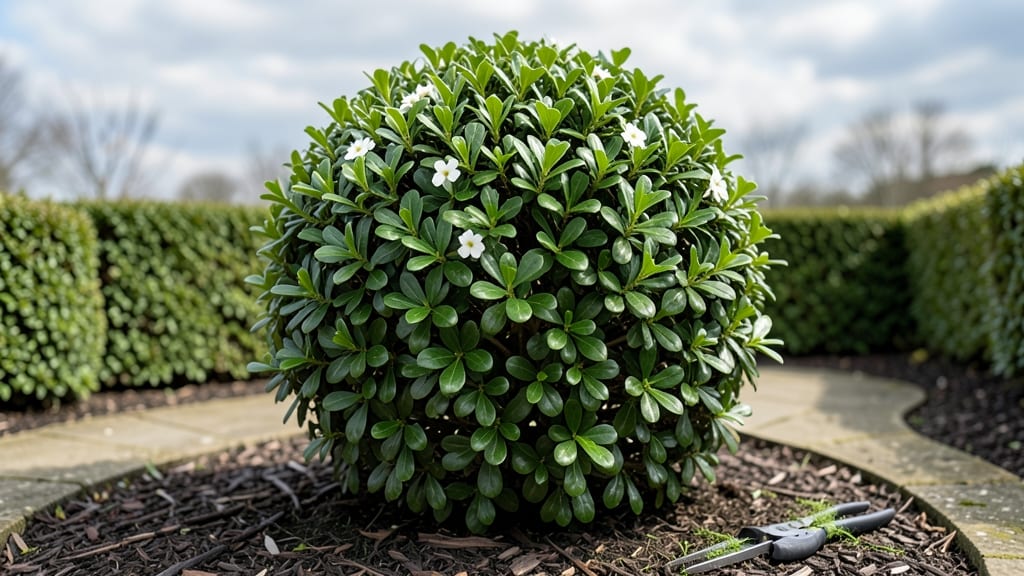
Flowering topiary trees turn your garden into a living sculpture gallery that blooms from spring to fall. ✨ I remember the first time I saw one—its carefully shaped branches bursting with color while still looking effortlessly natural.
The secret lies in choosing the right species like roses, hydrangeas, or flowering cherries that handle pruning well.
These trees work as stunning focal points or elegant borders, depending on how you shape them. Pair a vibrant pink rose topiary with creamy hydrangeas for a romantic cottage look, or keep it sleek with a deep green boxwood accented by purple blooms for modern contrast.
The key is balancing their height—taller specimens anchor the design while smaller ones add layers.
You’ll love how they transform any space with their season-long color, from spring blossoms to autumn foliage. Even in tight urban gardens, a single well-placed topiary can create drama. The best part? Their sculpted forms grow more refined each year with proper care.
Whether you’re going for formal symmetry or whimsical shapes, these trees adapt to any style. Start with one as a statement piece, then expand your collection as you fall in love with their versatility. Here’s how to make them thrive in your garden!
📚 In This Guide
- What you need
- Instructions
- Tips and common mistakes
- Wrapping up and next steps
What you need
- ● Flowering Topiary Tree: Choose a species like Buxus sempervirens (Boxwood), Lagerstroemia (Crape Myrtle), or Hibiscus syriacus (Rose of Sharon). Ensure it’s young (3–5 years old) and healthy for easier shaping.
- ● Pruning Shears: Bypass pruners (sharp, 6–8" blades) for clean cuts—1 pair is all you need!
- ● Hand Pruners: Smaller, precision pruners (4–6") for intricate details—1 pair for fine-tuning.
- ● Topiary Wire or Twine: Copper or aluminum wire (1/8"–1/4" gauge) or jute twine for shaping—1–2 rolls depending on tree size.
- ● Gloves: Heavy-duty gardening gloves to protect hands from thorns or sharp branches—1 pair.
- ● Stakes & Twine: Wooden stakes (6–12") and twine to secure branches during training—4–6 stakes.
- ● Slow-Release Fertilizer: Balanced 10-10-10 or organic options like compost—1 bag per season.
- ● Mulch: Organic mulch (wood chips or bark) to retain moisture—2–3 cubic feet.
- ● Topiary Frame or Template: Pre-made wire frames (e.g., spirals, animals) for guided shaping—1–2 frames.
- ● Hose with Adjustable Nozzle: For efficient watering post-pruning.
- ● Plant-Based Spray: Anti-desiccant spray (e.g., Wilt-Pruf) for drought-prone species.
- ● Garden Twine or Ribbon: For decorative finishing touches on your topiary design.
- ● A sunny location (6+ hours of sunlight daily) for most flowering topiary trees.
- ● Well-draining soil (amend with compost if needed).
- ● Patience! Topiary takes time—commit to regular pruning (every 4–6 weeks in growing season).
Step-by-Step guide to designing and maintaining topiary flowering trees
Here's how to transform ordinary trees into living art with vibrant blooms and precise shapes.
🪴 Step 1: Select the Right Tree Species
Start with flowering trees naturally suited for topiary: boxwood, lilac, forsythia, or flowering cherry. These varieties handle pruning well and reward you with seasonal color. Boxwood is my go-to because it stays compact and blooms reliably, but lilacs bring dramatic spring fragrance if you prefer height.
Check the mature size of your chosen tree against available space. A 6-foot forsythia needs room to grow, while boxwood stays under 3 feet when pruned aggressively. Plant in well-draining soil with full sun exposure—most flowering topiary needs at least 6 hours of direct light daily to produce vibrant blooms.
🌿 Step 2: Establish the Foundation Shape
Wait until spring after flowering to begin shaping. Start with broad cuts to establish your basic form—whether it's a formal square, spiral, or animal silhouette. Use sharp pruning shears to make clean cuts at a 45-degree angle just above a leaf node to encourage new growth.
I like to begin with a pyramid or cone shape—it's classic and easy to maintain. Remove any crossing branches first, then trim back to about ⅓ of the tree's height to stimulate bushier growth. Avoid cutting into old wood; new growth responds best to pruning. You'll see fresh green shoots within 2-3 weeks—this is your signal that the tree is healing well.
☀️ Step 3: Refine the Design with Precision Cuts
Work on the details during summer growth spurts. Use your hands to gently shape foliage where shears are too large. For smooth curves, trim just outside the desired line—this prevents sharp edges and encourages natural regrowth. I find a wire frame (like chicken wire) helps guide complex shapes until the tree establishes its form.
Flowering topiary needs regular maintenance to keep its shape. Trim every 4-6 weeks during the growing season, always cutting just above a leaf node. Watch for uneven growth—this is your cue to adjust pruning frequency. Over time, the tree will fill in naturally, requiring only light touch-ups to maintain its elegant lines.
✂️ Step 4: Encourage Season-Long Blooms
Feed your topiary with a balanced fertilizer (10-10-10 ratio) in early spring and again after summer pruning. This supports both foliage growth and flower production. Water deeply once a week during dry spells, keeping soil consistently moist but never soggy—root rot is the enemy of healthy blooms.
Deadhead spent flowers regularly to redirect the tree's energy into new growth. I also prune back any leggy branches that disrupt the shape. The key is balance: too much pruning reduces flowering, but too little lets the tree lose its sculpted form. You'll know you're doing it right when your tree bursts with color from spring through fall and maintains its architectural lines.
⏰ Step 5: Winter Care for Next Season's Growth
Reduce watering in late fall but keep soil lightly moist. Mulch around the base with 2-3 inches of organic mulch to protect roots from freezing temperatures. Wrap young trees in burlap if your winters drop below 10°F—this prevents sunscald and frost damage.
Plan your next year's design in winter. Sketch out any adjustments you want to make, noting which branches need more aggressive pruning. Most flowering topiary can handle 10-15% annual pruning without stress. The result? A stunning, colorful centerpiece that evolves with your garden over the years.
Tips & tricks for perfect topiary flowering trees
Transforming your garden into a living canvas starts with these essential insights that'll keep your topiary thriving and stunning year-round.
Species Selection Matters: Boxwood is my go-to for beginners because it handles aggressive pruning beautifully and stays compact under 3 feet. If you're working with a 6-foot forsythia, plan for its mature size and give it plenty of space to grow. Remember, lilacs bring incredible fragrance but need more room to develop their dramatic shape.
Timing is Everything: The 2-3 weeks after your initial broad cuts in Step 2 is critical—this is when you'll see those fresh green shoots signaling healthy regrowth. Don't rush this process; patience here prevents stressing the tree. For summer maintenance, those 4-6 week intervals between trims keep your design crisp without over-pruning. Watch for uneven growth as your cue to adjust frequency.
Pruning Precision: Always cut at a 45-degree angle just above a leaf node—this simple technique encourages new growth where you want it. When refining details, trim just outside your desired line rather than cutting into it. This subtle difference prevents sharp edges and lets the tree fill in naturally. For complex shapes, a wire frame provides temporary support while the tree establishes itself.
Winter Protection Strategy: When temperatures drop below 10°F, young trees need that extra protection with burlap wrapping. I've seen too many beautiful topiary trees damaged by winter's harsh conditions. Even mature trees benefit from 2-3 inches of organic mulch around the base—this simple layer prevents root damage and retains moisture during dry spells.
Pro Tips for Topiary Flowering Trees
- Transforming your garden into a living canvas starts with these essential insights that'll keep your topiary thriving and stunning year-round.
- Species Selection Matters: Boxwood is my go-to for beginners because it handles aggressive pruning beautifully and stays compact under 3 feet.
- Timing is Everything: The 2-3 weeks after your initial broad cuts in Step 2 is critical—this is when you'll see those fresh green shoots signaling healthy regrowth.
Frequently asked questions
Got questions about topiary flowering trees?
You’re not alone! Here are some of the most common concerns—plus expert answers to help you create stunning, low-maintenance masterpieces.
What’s the best time of year to plant topiary flowering trees?
Plant them in early spring or fall when temperatures are mild. This gives roots time to establish before extreme heat or cold sets in. Avoid planting in summer—root stress can stunt growth, and winter’s frost may harm tender new plants.
How often should I prune topiary flowering trees to keep them shaped?
Prune 2-3 times a year for best results: lightly after flowering (to encourage new blooms), mid-summer for shaping, and lightly in late fall to tidy up. Use sharp, sterilized shears and follow the natural growth pattern to avoid stressing the tree.
Can topiary flowering trees survive in hot, dry climates?
Some varieties, like olive or boxwood topiary trees, thrive in heat and drought once established. Water deeply 1-2 times per week during the first year, then reduce to weekly watering. Mulch the base to retain moisture and protect roots from temperature swings.
What are some low-maintenance alternatives to traditional topiary?
If pruning seems daunting, try columnar trees (like ‘Fastigiata’ hornbeam) or ornamental grasses (such as fountain grass) for structured, low-effort designs. Buxus ‘Green Velvet’ is also a great choice—it’s slow-growing and holds shapes well with minimal trimming.
Why aren’t my topiary flowers blooming this year?
Blooms may skip a year due to over-pruning, nutrient deficiencies, or stress from transplant shock. Feed with balanced fertilizer in early spring and avoid heavy pruning in the year you expect flowers. If the issue persists, check for pests or disease and adjust care accordingly.
Wrapping up and next steps
Transforming your outdoor space with topiary flowering trees is a rewarding journey that blends artistry with nature’s beauty! These sculpted masterpieces not only add year-round color but also elevate your landscape’s elegance.
Whether you’re a seasoned gardener or just starting, the key is patience, creativity, and a love for nurturing living art.
Ready to bring your vision to life? Start small—pick a beginner-friendly tree, gather your tools, and dive in! With each pruning session, you’ll watch your garden flourish into a breathtaking, personalized sanctuary. 🌿✨