Pests
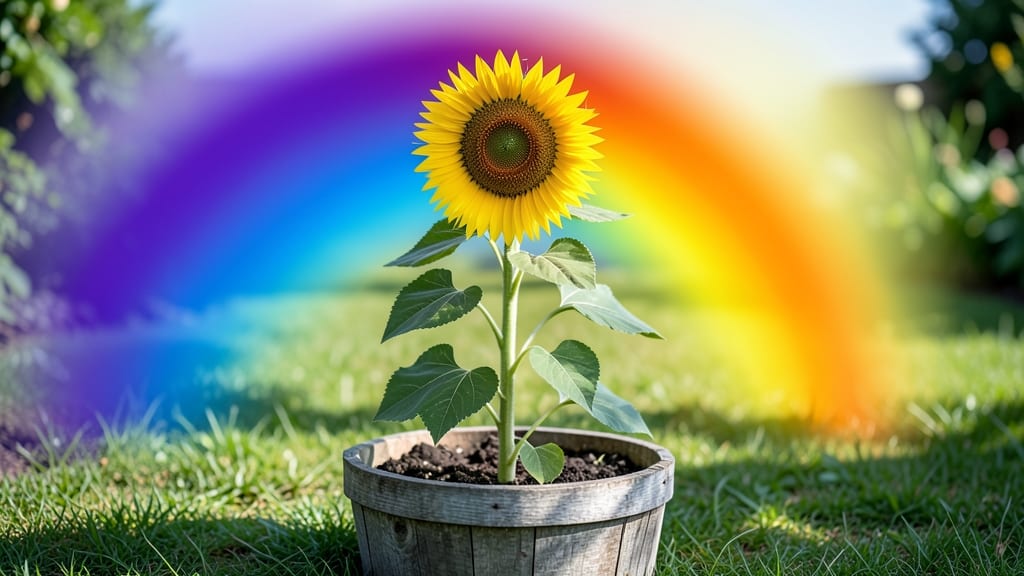
Sunflowers with rainbow-colored blooms turn your garden into a living work of art—each striped petal catching the light like a prism. 🌈 I planted my first rainbow sunflower patch last summer, and the way bees and butterflies swarmed those vibrant blooms made me realize how much beauty we miss by sticking to single-color flowers.
These sunflowers aren’t just pretty—they’re pollinator magnets that thrive in full sun. Varieties like 'Moulin Rouge' or 'Rainbow Bright' create natural rainbow effects with their bold, multicolored petals. Pair them with other sun-loving flowers like zinnias or marigolds for a border that pops all season long.
You’ll end up with a garden that feels like a celebration—every bloom a splash of color against the green. The striped patterns draw hummingbirds and bees, while the towering stems add drama to any space, whether in a sunny corner or as a vertical focal point.
Perfect for cutting gardens, pollinator-friendly borders, or even container arrangements. Let’s bring that rainbow glow to your yard—naturally and effortlessly.
📚 In This Guide
- What you need
- Instructions
- Tips and common mistakes
- Wrapping up and next steps
What you need
- ● Sunflower seeds: Choose a mix of heirloom varieties (e.g., Moulin Rouge or Autumn Beauty) for vibrant petals. Plant 5–10 seeds per cluster for a full rainbow effect.
- ● Companion flowers: Add 1–2 packets of pollinator-friendly seeds like cosmos, zinnias, or marigolds (annuals) or lavender and bee balm (perennials).
- ● Well-draining potting mix: 2–3 cubic feet (or enough to fill raised beds/containers). Opt for a blend with compost for nutrient-rich soil.
- ● Organic fertilizer: A balanced 10-10-10 or fish emulsion (follow package rates for application).
- ● Mulch: 1–2 inches of straw or shredded leaves to retain moisture and suppress weeds.
- ● Garden trowel or transplanting spade for digging holes.
- ● Watering can or hose with a gentle spray nozzle (avoid blasting seeds).
- ○ Gloves (optional but recommended for handling soil and seeds).
- ● Measuring tape or ruler to space seeds 6–12 inches apart.
- ● Stakes or plant markers (if sowing in rows for organization).
- ● Pollinator hotel or bee water station (a shallow dish with pebbles and water).
- ● Pest deterrents: Neem oil spray (for aphids) or diatomaceous earth (for soil pests).
- ● Sunflower-themed decor (e.g., painted rocks or signs) to personalize your garden. 🎨
- ● Camera or sketchbook to document your rainbow blooms!
Step-by-step guide to growing a stunning rainbow sunflower pollinator garden
Here’s how to create a vibrant, bee-friendly display that blooms all summer long.
🌱 Step 1: Choose and Prepare Your Planting Site
Sunflowers need full sun—at least 6-8 hours daily—and well-draining soil to thrive. Scout your yard for the sunniest, most open spot, as these plants grow 6-10 feet tall and need room to sway in the breeze. If your soil is heavy clay, mix in 2-3 inches of compost to improve drainage before planting.
Here’s the thing—rainbow sunflowers aren’t a single variety but a mix of heirloom types with striped, multicolored, and bi-color blooms. Pick a flat, level area to ensure even growth. Avoid low spots where water pools, as soggy roots lead to rot. Test your soil’s pH—sunflowers prefer 6.0-7.5, and you can adjust with lime (to raise pH) or sulfur (to lower it) if needed.
🌱 Step 2: Plant Seeds at the Right Depth and Spacing
Direct-sow seeds ½ inch deep and 12-18 inches apart in rows 2-3 feet apart to allow airflow and prevent mildew. I like to plant in early spring, 2-3 weeks after the last frost, when soil temperatures reach 55°F or warmer. Press seeds firmly into the soil—sunflowers have large taproots, so they need good contact with earth from day one.
For a 4-plant rainbow display, you’ll need about 10-12 feet of row space. Water gently after planting to settle the soil, but don’t drown the seeds. Keep the area moist (not soggy) until germination, which takes 7-14 days. Thin seedlings to your desired spacing once they’re 4-6 inches tall, snipping weaker stems at the base with clean scissors.
☀️ Step 3: Provide Consistent Water and Support
Sunflowers are drought-tolerant once established, but deep watering 1-2 times per week encourages strong stems and vibrant blooms. Water at the base in the morning to reduce evaporation and fungal risks. You’ll notice leggy growth if they’re thirsty—this means the stem stretches too fast, weakening the plant. Mulch with 2-3 inches of straw or wood chips to retain moisture and suppress weeds.
As plants grow, they’ll need staking or support, especially in windy areas. Drive 6-foot stakes into the ground 6 inches from each plant and tie stems loosely with soft garden twine. Avoid tight bindings—the stems thicken as they grow, and constriction can girdle them. Watch for Japanese beetles or sunflower moths, which can defoliate plants. Handpick pests early to protect your blooms.
✂️ Step 4: Deadhead and Maintain for Continuous Blooms
Cut back spent blooms 2-3 inches below the flower head to encourage new growth. This prevents the plant from putting energy into seed production and redirects it toward more flowers. I do this every 2-3 weeks during peak bloom season (late summer). Avoid cutting into the stem—always leave a healthy node to support regrowth.
Fertilize lightly with a balanced 10-10-10 formula at planting and again when plants reach 3 feet tall. Too much nitrogen leads to lush foliage but fewer blooms. Harvest seeds from a few plants in fall by cutting heads and drying them upside down in a dark, airy space. Save seeds for next year’s rainbow garden!
🐝 Step 5: Extend the Pollinator Party All Season
Plant companion flowers like cosmos, zinnias, or marigolds around your sunflowers to attract bees, butterflies, and hummingbirds. These plants bloom at different times, ensuring a continuous nectar buffet. Avoid pesticides—sunflowers are a pollinator magnet, and chemicals will chase them away.
Here’s where it gets fun: Let a few sunflowers go to seed to feed goldfinches and other birds in late summer. The striped varieties add a whimsical touch to winter wreaths or dried arrangements. By fall, your rainbow sunflower haven will be a living work of art—and a lifeline for local wildlife.
Tips & tricks for perfect rainbow sunflower pollinator gardens
Between us, these little tricks will turn your sunflower dream into a thriving pollinator paradise without the common pitfalls.
Sun Exposure Strategy: That 6-8 hours of full sun is non-negotiable—sunflowers are light-hungry divas. If your yard has partial shade, position your rainbow display where it gets the most direct sunlight possible. I’ve seen dramatic differences in bloom size when plants receive even just an extra hour of direct light. For maximum color intensity, consider adding a reflective surface like white gravel nearby to bounce extra light onto your plants.
Soil Prep Secret: The 2-3 inches of compost recommendation isn't just about drainage—it's about creating the perfect microbial party in your soil. Mix in some well-aged manure if you have it, as sunflowers are heavy feeders. I like to add a handful of bone meal at planting time for that extra phosphorus boost, which encourages strong root development and vibrant blooms. Just avoid overdoing it—they don't need to be swimming in organic matter.
Planting Precision: When you're planting those seeds ½ inch deep, think of it like tucking them into a cozy blanket—not too deep, not too shallow. Use your finger to make small holes rather than pressing seeds into compacted soil. For the 12-18 inch spacing, I find that 15 inches gives you that sweet spot between air circulation and visual impact. Pro tip: Plant a few extra seeds than you need—they're not expensive, and you'll inevitably lose some to thinning or pests.
Watering Wisdom: The 1-2 times per week deep watering is crucial, but timing matters just as much. Water in the morning so the foliage has all day to dry, preventing fungal diseases. I've learned this the hard way after losing plants to mildew. For the first few weeks after planting, keep the soil consistently moist (not soggy) to encourage strong root establishment. Once they're established, you'll be amazed at how drought-tolerant these giants become.
Pro Tips for Sunflower With Rainbow
- Between us, these little tricks will turn your sunflower dream into a thriving pollinator paradise without the common...
- Sun Exposure Strategy: That 6-8 hours of full sun is non-negotiable—sunflowers are light-hungry divas. If your yard h...
- Soil Prep Secret: The 2-3 inches of compost recommendation isn't just about drainage—it's about creating the perfect ...
Frequently asked questions
Got questions about growing a sunflower with rainbow (or Helianthus annuus with multicolored blooms)? Here are some common ones—and answers to help you cultivate a vibrant, pollinator-friendly garden!
What exactly is a "sunflower with rainbow" variety?
A sunflower with rainbow refers to cultivars with striped or multicolored petals (often yellow, orange, red, or purple). These aren’t naturally occurring—they’re bred varieties like ‘Rainbow Bright’ or ‘Teddy Bear’ that add whimsy to your garden while still attracting bees and butterflies.
When is the best time to plant rainbow sunflowers?
Plant seeds after the last frost when soil is at least 55°F (13°C). For most U.S. zones, this means mid-April to early June. Direct-sow ½” deep, 6–12” apart, or start indoors 4–6 weeks before transplanting. Pro tip: Rainbow sunflowers grow fast—expect blooms in 60–90 days!
Are rainbow sunflowers prone to pests or diseases?
Like traditional sunflowers, they’re vulnerable to aphids, spider mites, and powdery mildew. Preventative tips:
- Space plants 12–18” apart for airflow.
- Water at the base (avoid wetting leaves to deter mildew).
- Use neem oil if pests appear.
They’re also deer-resistant, so they’re a great low-maintenance choice!
Can I grow rainbow sunflowers in containers?
Yes! Choose dwarf varieties like ‘Moulin Rouge’ (3–4’ tall) for pots. Use a 5-gallon container minimum with drainage holes and well-draining soil. Place in full sun (6+ hours/day) and fertilize lightly every 2–3 weeks. Bonus: Container sunflowers make stunning patio centerpieces!
How can I extend the rainbow effect in my garden?
Pair rainbow sunflowers with complementary pollinator plants like:
- Cosmos (pink/white)
- Zinnias (red/orange)
- Lavender (purple)
Plant in gradients or stripes for a dramatic rainbow border. Pro tip: Deadhead spent blooms to encourage more flowers!
Why aren’t my rainbow sunflowers blooming?
Common causes:
- Insufficient sunlight (they need 6+ hours of full sun).
- Overwatering (let soil dry between waterings).
- Crowding (thin seedlings to 12” apart).
- Immature plants (some varieties take 90+ days to bloom).
If issues persist, check for nutrient deficiencies (yellow leaves = nitrogen; purple stems = phosphorus).
Wrapping up and next steps
A sunflower with rainbow isn’t just a stunning sight—it’s a powerhouse for pollinators and a low-maintenance champion in sunny gardens. By embracing these vibrant blooms, you’re creating a haven for bees, butterflies, and birds while adding a splash of color to your outdoor space. 🌈
Ready to take the next step? Start small—plant a few seeds or share this guide with fellow gardeners to spread the joy (and the pollinators!). Your garden—and the ecosystem—will thank you!