
Shrubs
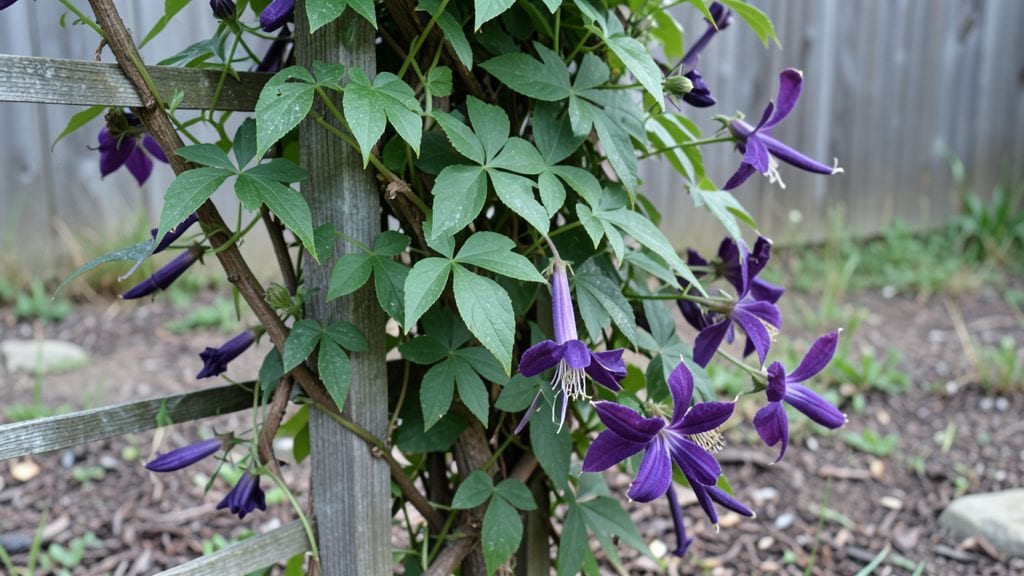
Fast-growing summer flowering vines are the secret weapon for transforming bare walls into lush, fragrant privacy screens in just one season. 🌿 I remember the first time I wrapped my backyard fence with clematis—what started as a few bare stems turned into a 10-foot-tall explosion of purple blooms by July.
The best part? They keep flowering until frost, giving you months of color without the upkeep of annuals.
These vines aren’t just pretty—they’re practical. Choose sun-loving climbers like morning glories or shade-tolerant varieties like ivy for different spots in your yard. A simple trellis or arbor (even a DIY wooden frame) gives them structure while creating a living curtain that blooms from top to bottom.
Pair them with companion plants like roses or ferns at their base to fill in gaps and add texture.
By mid-summer, you’ll have a vibrant green wall that hums with bees and smells like a cottage garden. The key is pruning strategically—cut back leggy growth in early spring to encourage bushier blooms, and deadhead faded flowers to prolong the show.
With the right vine, your privacy screen will outperform any fence or lattice.
Works for small patios, large backyards, or even balcony railings—just match the vine to your sunlight and space. Here’s how to pick the perfect one for your garden’s personality and style.
📚 In This Guide
- What you need
- Instructions
- Tips and common mistakes
- Wrapping up and next steps
What you need
- ● Summer flowering vines: Choose 3–5 healthy plants (e.g., Clematis, Wisteria, or Morning Glory) based on your climate zone and sunlight needs.
- ● Potting soil or garden soil: 1–2 bags (50 lbs each) of high-quality, well-draining soil (add compost for extra nutrients!).
- ● Fertilizer: Slow-release granular fertilizer (10-10-10 ratio) or organic options like composted manure.
- ● Mulch: 2–3 bags (2 cubic feet each) of shredded bark or wood chips to retain moisture.
- ● Garden gloves (1 pair) – Protect your hands from thorns or rough bark.
- ● Trowel or shovel – A 10-inch gardening trowel for small holes or a spade for larger plantings.
- ● Pruners – Bypass pruners (for clean cuts) to trim vines as they grow.
- ● Measuring tape – To space plants 3–6 feet apart (depending on vine type).
- ● Watering can or hose – With a gentle spray nozzle for deep watering.
- ● Trellis or arbor: Metal, wooden, or PVC trellis (6–10 feet tall) for vertical growth.
- ● Support stakes: 3–4 bamboo or metal stakes (6 feet tall) for temporary support.
- ● Plant ties: Soft garden twine or Velcro plant straps to secure vines.
- ● Drip irrigation kit: Automates watering for busy gardeners!
- ● Plant food: Liquid bloom booster (e.g., Miracle-Gro) for extra color.
Step-by-Step instructions for planting fast-growing summer flowering vines
Here's how to create a vibrant, fast-growing privacy screen that blooms all season long.
🌱 Step 1: Choose the Right Vine Varieties for Fast Growth
For quick results, I recommend black-eyed Susan vine or morning glory—both grow aggressively and flower rapidly. Plant 4-6 vines per 10-foot section to ensure full coverage by mid-summer. These varieties thrive in full sun to partial shade and tolerate a range of soil types, making them ideal for beginners.
Space plants 12-18 inches apart along your fence or trellis line. I always mark the spots with small stakes before digging—this prevents overcrowding as the vines spread. If you're using a trellis, attach it securely now so the vines have something sturdy to climb.
💧 Step 2: Prepare the Planting Site for Quick Establishment
Loosen the soil to a depth of 12 inches with a garden fork, breaking up any compacted layers. Mix in 2 inches of compost into the top 6 inches of soil to improve drainage and fertility. This step is critical—vines need strong roots to support their rapid growth and heavy blooms.
Dig holes slightly larger than the root balls, then water each hole deeply until the soil is saturated. The goal is to eliminate air pockets around the roots. I like to add a handful of slow-release fertilizer to each hole—this gives the vines a nutrient boost right when they need it most.
☀️ Step 3: Plant and Water for Immediate Growth
Place each vine in its hole, ensuring the top of the root ball sits 1 inch below soil level. This prevents the stem from drying out as it establishes. Backfill with native soil, pressing gently to remove air gaps. Water immediately after planting to settle the soil and encourage root contact.
Keep the soil consistently moist for the first 2-3 weeks—this is when roots are most vulnerable. You'll see new growth within 7-10 days if conditions are right. Mulch around the base with 2-3 inches of organic mulch to retain moisture and suppress weeds. Avoid piling mulch against the stems to prevent rot.
✂️ Step 4: Train Vines and Maintain for Fast Coverage
As vines grow, gently weave them through the trellis or along the fence every 3-5 days to encourage even distribution. Prune back any leggy growth to promote bushier, more productive plants. I always cut just above a leaf node—this triggers branching and more blooms.
Fertilize monthly with a balanced, water-soluble fertilizer during the growing season. Watch for signs of nutrient deficiency—yellow leaves mean it's time to feed. Deadhead spent blooms regularly to encourage continuous flowering. With proper care, your vines will reach full coverage in just 8-12 weeks.
🌿 Step 5: Enjoy Season-Long Color and Minimal Maintenance
Once established, these vines require minimal care. Water deeply 1-2 times per week during dry spells, focusing on the root zone. You'll know they're thriving when they produce new growth every 2-3 weeks and bloom profusely from early summer through fall.
For next year, cut back vines in late winter to 6-12 inches above the ground. This rejuvenates the plant and encourages even more vigorous growth. With this fast-growing approach, you'll have a stunning privacy screen that's both functional and beautiful—without the wait.
Tips & tricks for perfect summer flowering vines
Want your fast-growing privacy screen to thrive even faster? These insider tips will help you maximize growth and blooms while avoiding common pitfalls that slow down results.
Soil Preparation Secret: In Step 2, when loosening soil to 12 inches deep, don't just break it up—focus on creating a loose, crumbly texture like cake batter. This improves root penetration dramatically. I like to use a garden fork to gently tease apart compacted layers rather than forcing it. The goal is to create a sponge-like structure that holds moisture while allowing air circulation—critical for those first 2-3 weeks when roots establish.
Watering Wisdom: That "consistently moist" requirement in Step 3 means your finger should sink in about 1 inch without hitting dry soil. I test this daily during the first 2 weeks by sticking my finger in the soil near the base. If it's dry at that depth, water immediately. Morning watering works best—it gives roots time to absorb moisture before afternoon heat evaporates it. Overwatering is just as bad as underwatering, so always check before adding more.
Training Technique: When you weave vines through trellises every 3-5 days (Step 4), don't just toss them over—use soft plant ties or twist them gently around support structures. This prevents stem damage that could slow growth. I've seen vines grow 2 inches faster per week when properly trained versus those just left to scramble. Also, rotate the trellis occasionally to ensure even sun exposure on all sides, which promotes balanced growth and more blooms.
Fertilizer Timing: That monthly balanced fertilizer in Step 4 is key, but here's the pro move: split the dose into two applications—half when you plant and half again 4-6 weeks later. This prevents fertilizer burn that could stress young roots. I also recommend using a water-soluble fertilizer with micronutrients to support rapid vine growth and vibrant blooms. Look for one with equal parts nitrogen, phosphorus, and potassium (like 10-10-10) for balanced results.
Pro Tips for Summer Flowering Vines
- Want your fast-growing privacy screen to thrive even faster?
- Soil Preparation Secret: In Step 2, when loosening soil to 12 inches deep, don't just break it up—focus on creating a loose, crumbly texture like cake batter.
- Watering Wisdom: That "consistently moist" requirement in Step 3 means your finger should sink in about 1 inch without hitting dry soil.
Frequently asked questions
Got questions about summer flowering vines? You’re not alone!
Here are answers to the most common queries—from planting tips to troubleshooting—so you can create a stunning, low-maintenance privacy screen with ease.
When is the best time to plant summer flowering vines?
Plant them in early spring or fall when temperatures are mild (50–75°F). This gives roots time to establish before summer heat or winter frost. If you must plant in summer, water deeply daily for the first 2 weeks and use shade cloth to protect young vines. Avoid extreme heat or cold—it stresses them out!
How fast do these vines grow, and when will I see flowers?
Most summer flowering vines grow 6–12 feet per year with proper care! You’ll see blooms the first summer if planted in spring, or the following year if planted in fall. Some varieties (like Clematis) may take a season to establish, but patience pays off with season-long color.
What’s the trick to keeping them alive in hot, dry climates?
These vines love moisture—water deeply 2–3 times per week during dry spells (check soil 2 inches down; it should stay slightly damp). Mulch with 3–4 inches of organic mulch (like wood chips) to retain moisture. For extra heat protection, train vines to climb a trellis or arbor to create shade for their roots.
Can I prune summer flowering vines after they bloom?
It depends! Deadhead spent blooms regularly to encourage more flowers, but avoid heavy pruning after flowering unless you’re removing dead or leggy growth. For vines like Honeysuckle or Wisteria, prune lightly in late winter to shape them. Always use sterilized shears to prevent disease.
Are there low-maintenance alternatives for small spaces?
Yes! Try fast-growing climbers like Star Jasmine (fragrant, drought-tolerant) or Mandevilla (thrives in containers). For vertical gardens, Passionflower or Cobaea scandens (cup-and-saucer vine) add color without bulk. Just ensure they get 6+ hours of sun and a sturdy trellis.
What pests should I watch for, and how do I treat them?
Common pests include aphids, spider mites, and vine borers. For mild infestations, spray with neem oil or insecticidal soap. Vine borers? Prune affected stems and treat cuts with copper fungicide. Encourage beneficial insects (like ladybugs) by planting marigolds nearby.
Wrapping up and next steps
Transforming your outdoor space into a vibrant, private oasis is easier than you think! Summer flowering vines like Clematis or Jasmine offer a fast-growing, colorful solution that thrives with minimal effort.
Whether you’re a gardening novice or a seasoned pro, these beauties bring life, texture, and charm to any yard—and they’ll keep blooming all season long!
Ready to get started? Pick your favorite vine, gather your supplies, and let nature do the rest. Check out our step-by-step planting guide to dive in with confidence—and soon, you’ll be enjoying a lush, fragrant privacy screen that’s the envy of the neighborhood! 🌿✨