
Flowers
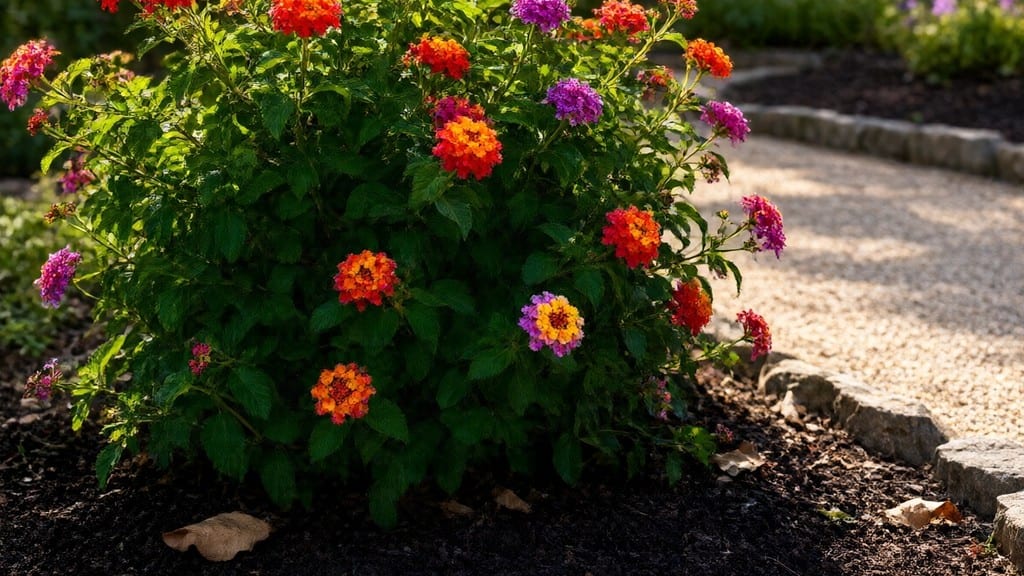
Summer cemetery flowers bring quiet beauty to memorial landscapes with their hardy blooms and symbolic meanings. 🌸 I’ve planted sunflowers, lilies, and roses in my family’s plot, and they’ve thrived through heatwaves and droughts—adding color without demanding constant care.
These flowers aren’t just pretty; they carry stories of resilience and remembrance.
The best choices for summer cemeteries are drought-resistant varieties like black-eyed Susans or bearded irises, which bloom boldly with minimal water. Roses, especially Knock Out varieties, stay lush with fewer pests and less fuss than fussy hybrids.
Sunflowers add height and joy, while lilies symbolize restored purity—perfect for honoring loved ones.
By mid-July, your cemetery plot will burst with vibrant blooms that last through summer’s end. The deep reds of roses contrast beautifully with sunflowers’ golden centers, creating a serene yet striking tribute. These flowers also attract pollinators, bringing life to the space in a way that feels meaningful.
Works in any climate zone with proper soil prep—just add mulch to retain moisture and keep weeds at bay. Start with 3-5 plants per variety for a balanced look, and you’ll have a memorial garden that honors tradition while requiring almost no upkeep.
📚 In This Guide
- What you need
- Instructions
- Tips and common mistakes
- Wrapping up and next steps
What you need
- ● Low-maintenance perennials: 5–10 plants of Lavender, Russian Sage, Coneflower, or Black-Eyed Susan (choose 2–3 varieties for diversity).
- ● Evergreen shrubs: 2–3 Boxwood, Dwarf Holly, or Inkberry Holly for structure.
- ● Seasonal annuals: 3–5 Marigolds or Zinnias (for summer color) and 3–5 Pansies or Violas (for cooler months).
- ● Mulch: 2–3 bags of shredded bark or pine straw (1–2 inches thick) to retain moisture and suppress weeds.
- ○ Gravel or decorative stones: 1–2 bags (for pathways or borders, optional but adds texture).
- ● Hand trowel (for planting small perennials).
- ● Garden gloves (to protect your hands).
- ● Pruners (sharp, bypass-style for clean cuts).
- ● Watering can or hose with a gentle spray nozzle (for delicate watering).
- ● Measuring tape or ruler (to space plants correctly).
- ● Wheelbarrow or bucket (for hauling soil/mulch).
- ● Sunlight assessment: Confirm your cemetery plot receives at least 6 hours of sunlight daily (most perennials thrive in full sun).
- ● Soil test: Check pH (aim for 6.0–7.0; amend with lime or sulfur if needed).
- ● Drainage check: Ensure no standing water after rain (perennials hate soggy roots!).
- ● Local regulations: Verify if your cemetery allows non-traditional plantings (some restrict flowers to certain areas).
- ● Solar-powered garden lights (for evening ambiance).
- ● Decorative planters or urns (for annuals or herbs).
- ● Birdhouses or feeders (to attract pollinators and add life to the space).
- ● Weather-resistant stakes or trellises (for climbing plants like Clematis).
Step-by-Step guide for planting summer cemetery flowers
Here's my foolproof method for creating a serene, long-lasting memorial garden that thrives with minimal effort.
🌱 Step 1: Prepare the Cemetery Plot
Clear the area of weeds and debris, then loosen the soil to a depth of 6 inches using a garden fork. I find that amending the soil with 2 inches of compost improves drainage and nutrient retention—critical for summer blooms that face intense heat. Test the soil pH; most cemetery flowers prefer a slightly acidic to neutral range of 6.0-7.0. If your soil is heavy clay, mix in 1 part sand for every 3 parts soil to prevent compaction.
Level the ground with a rake, creating gentle mounds for better water runoff. This prevents root rot during summer downpours. Mark planting locations with small stakes or a garden hose outline—especially important if you're working with multiple varieties. I like to sketch a simple layout first, placing taller plants toward the back and shorter ones in the front for a natural tiered effect.
🌿 Step 2: Select and Plant Drought-Tolerant Varieties
Choose flowers known for their heat resistance and longevity, such as black-eyed Susans, coneflowers, and Russian sage. These varieties thrive in full sun and require minimal watering once established. Dig holes twice as wide and just as deep as the root ball to encourage spreading roots. Gently remove plants from their containers and tease apart any circling roots—this prevents girdling as they mature.
Place each plant in its hole, ensuring the top of the root ball sits level with the soil surface. Fill around the roots with native soil, pressing lightly to eliminate air pockets. Water deeply to settle the soil and encourage root contact. I like to apply a 2-inch layer of mulch around each plant, keeping it 3 inches away from the stem to prevent rot. Use organic mulch like pine straw or shredded bark, which also helps retain moisture during hot spells.
☀️ Step 3: Establish a Watering Schedule
Water newly planted flowers deeply every other day for the first two weeks, then taper to once a week once they're established. The goal is to encourage deep root growth rather than shallow, thirsty plants. You'll know you're doing it right when the soil feels dry 2 inches below the surface—this is the signal to water again. Avoid overhead watering, which can spread disease; instead, use a soaker hose or drip irrigation placed at the base of each plant.
After the initial establishment period, most summer cemetery flowers only need supplemental watering during extended dry spells. I recommend installing a simple rain gauge nearby to track precipitation—this helps you adjust your schedule. If you notice leaves wilting slightly during the day but perking up in the evening, your plants are likely conserving water efficiently and don't need immediate attention.
✂️ Step 4: Maintain Through the Seasons
Deadhead spent blooms regularly to encourage continuous flowering throughout the summer. I like to do this on a weekly basis, especially with varieties like beardtongue and salvia, which reward consistent care with abundant blooms. Prune back leggy growth in early spring to promote bushier, more compact plants. For perennials, cut back the entire plant in late fall or early winter, leaving 2-3 inches of stem above the ground to protect the crown during cold snaps.
Fertilize lightly in early spring with a balanced, slow-release fertilizer (10-10-10 ratio) to support new growth. Avoid heavy feeding during the summer, as this can lead to lush foliage at the expense of flowers. Instead, top-dress with a thin layer of compost in late summer to replenish nutrients naturally. Monitor for pests like aphids or spider mites—these are rare in well-established cemetery gardens but can appear during drought stress. Treat affected plants with a strong spray of water or insecticidal soap if needed.
Tips & tricks for perfect summer cemetery flowers
Creating a lasting memorial garden doesn't have to be complicated—these pro tips will help you establish a thriving summer flower bed with minimal effort.
Soil Preparation Secret: The 6-inch soil loosening in Step 1 is crucial, but don't stop there. I recommend adding a handful of perlite or vermiculite to your compost mix if your soil is particularly dense. This creates tiny air pockets that improve root development during summer's intense heat. For clay-heavy soils, mix in 1 part coarse sand to help break up compaction and improve water drainage—this prevents those dreaded summer root rots that can kill plants before they establish.
Planting Technique: When placing your plants in Step 2, pay special attention to the root ball placement. The top should sit exactly level with the surrounding soil—never buried or exposed. I've found that creating a small mound of soil in the center of each hole helps achieve this perfectly. This slight elevation prevents water pooling around stems, which is especially important during summer downpours. After planting, give each plant a thorough watering until water runs out the bottom of the hole—this ensures good root-to-soil contact.
Watering Wisdom: The two-week watering schedule in Step 3 is perfect, but timing matters just as much as frequency. I recommend watering in the early morning hours (between 5-8 AM) to allow foliage to dry completely before evening. This prevents fungal diseases that thrive in damp conditions. For the first week, check soil moisture every other day—if the top 2 inches feel dry by mid-morning, it's time to water again. This helps you adjust to your specific microclimate without overwatering.
Long-Term Maintenance: The 2-3 inch stem recommendation for winter pruning in Step 4 works beautifully, but here's a pro move: Mark each plant's location with small landscape flags or paint marks on nearby rocks. This prevents accidental over-pruning in early spring when new growth begins. I also recommend applying a 3-inch layer of mulch annually in late winter—this helps regulate soil temperature and conserves moisture during summer's peak heat.
Pro Tips for Summer Cemetery Flowers
- Creating a lasting memorial garden doesn't have to be complicated—these pro tips will help you establish a thriving summer flower bed with minimal effort.
- Soil Preparation Secret: The 6-inch soil loosening in Step 1 is crucial, but don't stop there.
- Planting Technique: When placing your plants in Step 2, pay special attention to the root ball placement.
Frequently asked questions
Got questions about keeping your summer cemetery flowers vibrant and thriving?
Here are answers to the most common inquiries—from timing to troubleshooting—so you can enjoy year-round elegance with minimal fuss.
When is the best time to plant summer cemetery flowers for year-round blooms?
Plant in early spring (March–April) or late summer (August–September) for the best results. This gives roots time to establish before extreme heat or cold. Choose perennials like Lantana or Black-Eyed Susan for resilience and repeat blooms.
How often should I water these flowers in the summer heat?
Water deeply 2–3 times per week (or daily in extreme heat) to encourage strong roots. Early morning is ideal—avoid evening watering to prevent fungal issues. Mulch (2–3 inches) retains moisture and keeps soil cool.
Can I use annuals instead of perennials for a summer cemetery display?
Annuals like Zinnias or Marigolds thrive in summer heat and offer bold colors. However, they’ll fade by fall, so pair them with perennials (e.g., Coneflowers) for long-term beauty. Annuals are great for seasonal impact!
What should I do if my flowers attract pests like aphids or deer?
Start with prevention: Use neem oil for aphids or plant deer-resistant varieties like Lavender or Russian Sage. For existing issues, handpick pests or apply organic insecticidal soap. Physical barriers (e.g., fencing) deter deer.
Will these flowers survive winter, or do I need to replant every year?
Most perennial summer bloomers (e.g., Daylilies, Salvias) are hardy and return yearly. Cut back dead foliage in late winter, then watch them rebound. Annuals, however, will die off—so plan to replant them in spring for summer color.
How can I mix cemetery flowers with memorial stones or plaques for a cohesive look?
Opt for low-growing perennials (e.g., Creeping Thyme) near plaques to avoid obstruction. Use color coordination: Soft blues/purples near granite, warm reds/yellows with marble. Add evergreen shrubs (like Boxwood) for structure and year-round greenery.
Wrapping up and next steps
Transforming your summer cemetery flowers into a year-round sanctuary is simpler than you think—with the right plants, a little care, and a dash of creativity!
These low-maintenance blooms not only honor loved ones but also bring lasting beauty to your space. Start small: pick one or two varieties to test, then expand as you gain confidence.
Your next step? Grab your gardening tools, sketch a simple layout, and visit a local nursery to pick out your first batch of resilient, vibrant flowers. Every bloom planted is a step toward a serene, ever-blooming tribute. 🌸