Plants
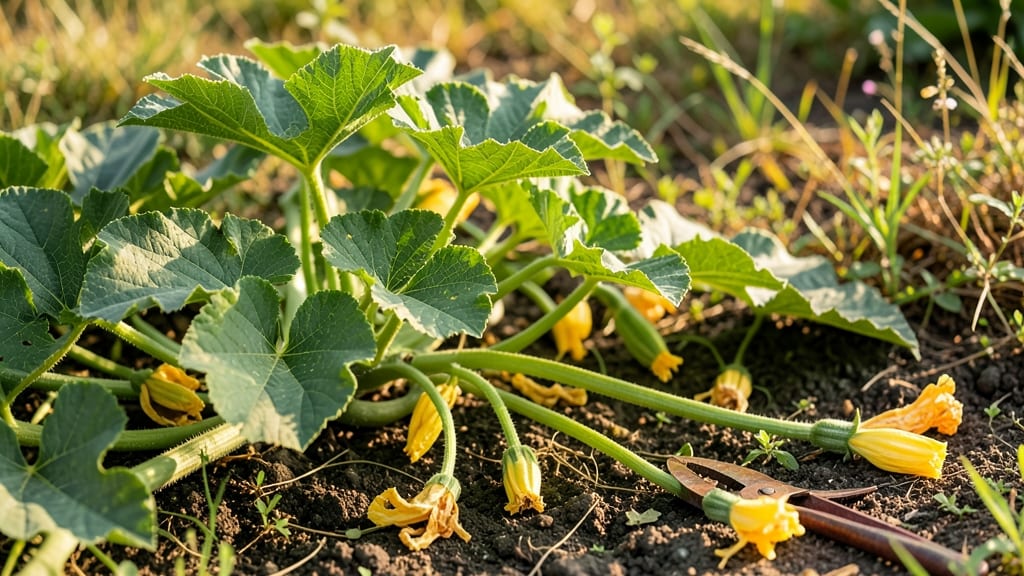
Squash flowers falling off before producing fruit is one of the most frustrating summer garden mysteries—until you know the real culprits. 🌱 I’ve watched my own zucchini vines drop blossoms for years, thinking it was just the plant’s quirk, until I realized it was a fixable problem.
The good news? Most cases come down to three key issues: pollination failures, water stress, or nutrient imbalances. Once you spot the pattern, you can turn those empty vines into a bumper crop.
Here’s the thing—most gardeners assume squash just need sun and water, but these plants are actually fussy pollinators. Bees and squash have a love-hate relationship: too much rain, wind, or even overwatering can wash away pollen before it does its job.
I learned this the hard way after a week of 90-degree heat and zero fruit—turns out, my vines needed a little help. A quick spray of water in the morning (when bees are active) or hand-pollinating with a paintbrush can make all the difference.
What you’ll end up with is a vine that holds onto its flowers long enough to set fruit, then keeps producing week after week of zucchini, pattypan, or whatever variety you’re growing.
The fix is simpler than you’d think: check soil moisture with your finger (damp, not soggy), balance nitrogen (too much = more leaves, fewer flowers), and protect blossoms from late-afternoon watering. Within days, you’ll see those little fruits swelling where flowers used to fall.
This works for backyard gardens, raised beds, and even container-grown squash—just scale the solutions to your setup. The key is catching the problem early, so grab a notebook and start tracking when flowers drop. You’ll spot the pattern before it ruins your harvest.
Root Causes of Premature Blooms
Understanding why your squash flowers drop off before fruiting starts with identifying the underlying triggers. These issues often stem from environmental stress, biological factors, or mismanagement of plant needs. Let’s break down the key culprits:
Squash plants thrive in warm, stable conditions (ideal daytime temps: 70–90°F / 21–32°C). When temperatures swing too high or too low, flowers can abort prematurely—a survival mechanism to conserve energy.
- Extreme Heat (Above 90°F / 32°C): High temperatures cause male flowers to drop before pollination. Female flowers (with tiny squash bumps) may also shrivel if the plant struggles to maintain energy.
- Actionable Fix: Use shade cloth (30–50%) during peak heat or water deeply to cool soil and roots.
- Cold Snaps (Below 50°F / 10°C): Chilly nights slow metabolism, preventing flowers from opening or setting fruit. Young plants are especially vulnerable.
- Actionable Fix: Cover plants with row fabric or frost blankets if temps dip unexpectedly.
- Wind and Storms: Heavy winds physically damage delicate flowers, causing them to detach. Rain can also wash away pollen, reducing pollination success.
- Actionable Fix: Plant squash in sheltered spots or use windbreaks (e.g., cornstalks or trellises).
Squash plants hate inconsistent moisture. Overwatering or drought stress both trigger flower drop by disrupting nutrient uptake or causing root rot (which starves the plant).
- Underwatering: Dry soil leads to wilting flowers and poor pollination. The plant prioritizes root survival over fruit production.
- Signs: Flowers appear limp or curled before dropping.
- Actionable Fix: Water deeply 1–2 inches per week (more in heat). Use drip irrigation to avoid wetting leaves (which spreads disease).
- Overwatering: Soggy soil suffocates roots, preventing nutrient absorption. Excess moisture also promotes fungal diseases (like powdery mildew), which weaken plants.
- Signs: Yellowing leaves, mushy stems, or flowers dropping without wilting.
- Actionable Fix: Ensure well-draining soil (amend with compost) and let topsoil dry slightly between waterings.
Squash flowers need balanced nutrients to develop properly. Deficiencies—especially in phosphorus, potassium, or calcium—can cause flowers to fall off before pollination.
- Phosphorus (P) Deficiency: Critical for flower and fruit development. Without enough P, flowers may open but drop quickly.
- Signs: Dark green leaves with purple stems (in some varieties).
- Actionable Fix: Apply a phosphate-rich fertilizer (e.g., bone meal) at planting and side-dress mid-season.
- Potassium (K) Deficiency: Low K weakens cell structure, causing flowers to wilt and detach.
- Signs: Yellowing leaf edges (scorch-like damage).
- Actionable Fix: Use potassium sulfate or wood ash (sparingly) to boost levels.
- Calcium (Ca) Deficiency: Prevents proper cell wall formation, leading to blossom-end rot in flowers/fruit.
- Signs: Flowers may curl or drop with brown, leathery edges.
- Actionable Fix: Apply crushed eggshells or calcium nitrate to soil.
Squash flowers are self-pollinating but rely on bees/wind for efficiency. If pollination fails, flowers drop within 24–48 hours of opening.
- Lack of Pollinators: Bees avoid plants due to pesticide use, lack of flowers nearby, or early/late planting.
- Actionable Fix: Plant bee-friendly flowers (e.g., marigolds, borage) nearby and avoid neonicotinoids.
- Poor Weather for Pollinators: Rainy or windy days keep bees indoors, delaying pollination.
- Actionable Fix: Hand-pollinate on cloudy days: Gently brush male flowers (long stems) onto female flowers (with tiny squash bumps).
- Male Flowers Dropping Too Soon: If all male flowers fall off before females open, pollination fails. This is normal but can be exacerbated by stress (heat, drought).
- Actionable Fix: Let a few male flowers stay on the plant to ensure cross-pollination.
Pests and pathogens drain plant energy, causing flowers to abort. Common culprits:
- Squash Vine Borers: Larvae chew roots and stems, starving the plant. Infested plants drop flowers without warning.
- Signs: Wilting vines, sawdust-like frass, or hollow stems.
- Actionable Fix: Use row covers early or Bt (Bacillus thuringiensis) spray.
- Powdery Mildew: Fungal infection blocks sunlight, reducing photosynthesis. Flowers may drop covered in white powder.
- Signs: White, talcum-like coating on leaves.
- Actionable Fix: Spray with neem oil or baking soda mix (1 tsp baking soda + 1 quart water + drop of soap).
- Aphids/Spider Mites: These sap-suckers weaken plants, causing flowers to curl and fall.
- Actionable Fix: Blast off with water spray or use insecticidal soap.
Squash plants compete for resources when overcrowded or pruned incorrectly, leading to flower drop.
- Overcrowding: Too many plants shade each other, reducing light and air flow. Flowers abort due to lack of energy.
- Actionable Fix: Space plants 3–6 feet apart (depending on variety) and thin seedlings to the strongest 1–2 per hill.
- Aggressive Pruning: Removing too many leaves or vines reduces the plant’s ability to photosynthesize and support flowers.
- Actionable Fix: Prune only diseased or overly crowded growth—leave most foliage intact to feed the plant.
Not all squash varieties handle stress equally. Young or old plants are more prone to flower drop.
- Young Plants: If planted too early (when soil is cold), they focus on leaf growth before flowering. Flowers may drop until the plant matures.
- Actionable Fix: Wait until soil is 60°F+ (15°C+) and harden off seedlings properly.
- Old or Exhausted Plants: By mid-season, squash plants may drop flowers as they shift energy to seed production (especially in bush varieties).
- Actionable Fix: Harvest mature fruit promptly to encourage new blooms and fertilize lightly with compost tea.
Pro Tip: 💡 Keep a garden journal! Track when flowers drop, weather patterns, and care routines to pinpoint patterns and adjust next season.
Quick Fixes for Dropping Squash Blooms
When your squash plants start shedding flowers before they can turn into fruit, it’s time to act fast! The good news is that most causes have simple, practical solutions—some even take just a few minutes.
Below, we’ll match common triggers to easy-to-follow fixes, plus pro tips to keep your squash thriving.
Fix: Adjust your watering routine and improve soil aeration.
- 💦 Step 1: Let the top 1–2 inches of soil dry out between waterings. Squash roots need oxygen—soggy soil suffocates them.
- 🏗️ Step 2: Amend heavy clay soil with compost or perlite to boost drainage. A 5-gallon bucket of compost mixed into the planting hole works wonders.
- 🌡️ Pro Tip: Water deeply once or twice a week (depending on heat) rather than daily shallow sprinkles. Early morning is best to prevent fungal issues.
Fix: Provide shade and hydration during peak heat.
- 🌿 Step 1: Use row covers or shade cloth (30–50%) if temps hit 90°F+. Even a simple DIY shade with old bedsheets can help.
- 💧 Step 2: Mulch with straw or grass clippings to keep roots cool and retain moisture.
- ⏰ Pro Tip: If possible, plant squash in partial shade (e.g., near taller plants like corn or sunflowers) to break up intense afternoon sun.
Fix: Protect blooms and stabilize plants.
- 🏗️ Step 1: Install windbreaks (burlap screens, trellises, or even cardboard) if your garden is exposed.
- 👨🍳 Step 2: Gently hand-pollinate flowers if they’re damaged but still intact. Use a small paintbrush to transfer pollen from male to female blooms (see below for how).
- 🎯 Pro Tip: Stake or cage vining squash varieties (like zucchini) to prevent flopping in breezy conditions.
Fix: Hand-pollinate or attract bees naturally. - 🐝 Step 1: Hand-pollinate by brushing pollen from male flowers (the ones with long stems) onto the female flowers (they have tiny squash bumps at the base). - 🌼 Step 2: Plant bee-friendly flowers nearby, like marigolds, borage, or nasturtiums, to lure pollinators. - 💡 Pro Tip: Avoid pesticides!
Even "organic" sprays can harm bees. Opt for neem oil (bee-safe when applied at dusk) instead.
Fix: Balance soil nutrients with targeted amendments. - 📊 Step 1: Test your soil (kits are cheap and available at garden centers). Squash needs phosphorus (P) and potassium (K) for flowering. - 🍽️ Step 2: Feed with a balanced fertilizer (10-10-10) or compost tea once a month during flowering.
Avoid high-nitrogen fertilizers—they promote leaves over fruit. - 🌡️ Pro Tip: A banana peel tea (steep peels in water for a week) adds potassium, or use wood ash (sparingly) for a quick calcium boost.
Fix: Isolate, treat, and prevent further damage. - 🐛 Step 1: Check for squash vine borers, aphids, or powdery mildew. Handpick borers or spray with neem oil (follow label instructions). - 🌿 Step 2: Remove infected leaves immediately and destroy them (don’t compost!).
Space plants 3–4 feet apart for better airflow. - ✨ Pro Tip: Copper fungicide (for mildew) or row covers (for borers) can be game-changers. Act fast—once borers tunnel in, the plant often dies.
- 🌱 Start strong: Choose disease-resistant varieties (e.g., ‘Defender’ zucchini or ‘Early Prolific’ straightneck squash). - 🌡️ Time it right: Plant squash after the last frost when soil is 60°F+.
Cold soil slows root growth. - 🌿 Rotate crops: Avoid planting squash in the same spot yearly to prevent soil-borne diseases. - 💧 Water wisely: Drip irrigation (not overhead) keeps foliage dry and reduces fungal risks.
Remember: Even if some flowers drop, your plant may still produce fruit from later blooms. Stay patient, adjust your approach, and soon you’ll be harvesting a bounty of squash! 🎉🍠
Frequently asked questions about squash flowers dropping
Why are my squash flowers falling off before they turn into fruit?
This usually happens due to pollination failures, temperature extremes, or water stress. Squash relies on bees or wind to pollinate flowers—if pollen isn’t transferred, blooms drop within 24-48 hours. Heat above 90°F or cold below 50°F can also shock plants into dropping flowers. Check soil moisture too—overwatering or drought weakens the plant.
How can I tell if my squash flowers are male or female?
Male flowers grow on long stems and have no bulge at the base, while female flowers have a tiny squash bump (ovary) where the fruit will form. Focus on pollinating female flowers—if you see more males dropping, it’s normal (they’re expendable). Save a few male flowers to brush pollen onto females using a paintbrush if bees aren’t visiting.
Will my squash plant still produce fruit if flowers keep dropping?
Yes! Healthy squash vines often rebound and produce later in the season. Keep the plant well-watered, protected from pests, and fertilized with phosphorus-rich compost. If the plant is young, give it time to mature—older plants handle stress better. Harvest any small squash that forms to encourage more blooms.
What’s the fastest way to fix pollination problems?
Hand-pollinate immediately! On cloudy or windy days, use a small paintbrush to transfer pollen from male flowers (long stems) to female flowers (with the tiny squash bump). For long-term fixes, plant bee-friendly flowers (like marigolds) nearby and avoid pesticides. Morning is the best time for pollinators to work naturally.
Can over-fertilizing cause squash flowers to drop?
Absolutely—too much nitrogen (like lawn fertilizer) makes plants grow lush leaves but fewer flowers. Switch to a balanced fertilizer (10-10-10) or compost tea during flowering. If you’ve already over-fertilized, flush the soil with water and reduce feeding for 2 weeks to let the plant focus on blooms.