
Flowers
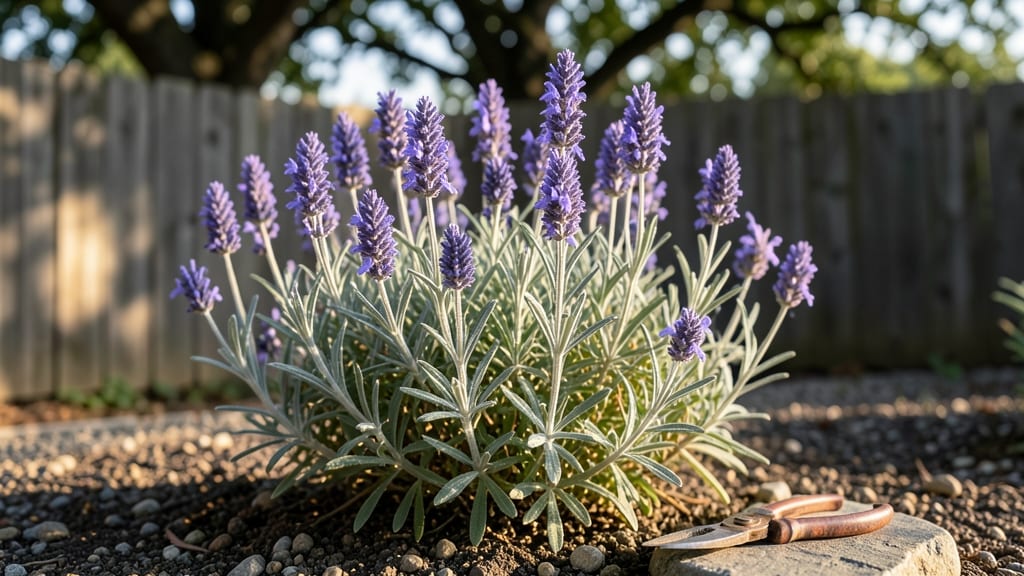
Salvia annual flowers bring shockingly lush purple spikes to gardens from spring until frost—my go-to for instant color that hummingbirds can't resist. 🌿 The secret isn't fancy soil or rare varieties, but matching their needs to what they crave: bright light, well-draining dirt, and water that keeps their roots happy without drowning them.
I've grown everything from Salvia splendens (the classic red) to Salvia leucantha (silvery foliage with purple blooms), and they all thrive with the same basic care.
You'll need full sun (at least 6 hours daily), a spot with good airflow, and soil that drains fast—salvias hate soggy roots. Plant them 12-18 inches apart in spring after the last frost, and watch them shoot up in weeks.
The first flush of blooms comes in 4-6 weeks, and with proper pruning, they'll keep flowering until fall. No deadheading? No problem—they self-clean, though a light trim after blooming extends the show.
What you end up with is a neighbor-jealousy border that hums with pollinators and stays vibrant through heat waves. The foliage stays glossy, the stems stay sturdy, and you avoid the floppy, leggy plants that plague other annuals.
Even my black thumb can't kill these—just stick to the basics, and they'll reward you with bold purple spikes from June until frost.
Works in borders, containers, or cutting gardens, and pairs beautifully with zinnias, cosmos, and ornamental grasses. Once you try them, you'll never go back to boring annuals again—here's how to make them thrive in your garden.
📚 In This Guide
- What you need
- Instructions
- Tips and common mistakes
- Wrapping up and next steps
What you need
- ● Salvia seeds: Choose Salvia splendens (Scarlet Sage) or Salvia coccinea (Blood Sage) for bold colors. Aim for 10-20 seeds per pot or 50-100 seeds for a full garden bed.
- ● Seed-starting mix: A lightweight, well-draining potting mix (e.g., 50% peat moss, 30% perlite, 20% vermiculite). 1-2 cubic feet for indoor starts.
- ● Containers: Small biodegradable pots (2-3 inches deep) for seedlings (10-20 units).
- ● Larger garden pots (5-6 inches) or direct sowing space in full sun (6+ hours/day).
- ● Watering can or spray bottle: With a fine rose nozzle for gentle watering.
- ● Fertilizer: A balanced liquid fertilizer (10-10-10) or slow-release granules (follow package rates).
- ● Hand trowel or small shovel for transplanting.
- ○ Gloves (optional but helpful for handling soil/seeds).
- ○ Pruning shears (optional, for deadheading or shaping plants).
- ○ Mulch (e.g., straw or shredded leaves) (optional, to retain moisture).
- ● Grow lights or sunny windowsill (if starting indoors before last frost).
How to grow stunning Salvia annuals with long-lasting blooms
Here's how I grow salvia that keeps flowering until frost—no fading spikes or weak stems.
🌱 Step 1: Choose the Right Variety and Planting Time
Annual salvias like Salvia splendens (scarlet sage) and Salvia coccinea (blood sage) thrive in warm climates. Plant seeds 4-6 weeks before your last frost for strong, early blooms. If starting from transplants, wait until soil reaches 60°F—cold soil slows root growth and delays flowering.
I always check seed packets for height—taller varieties (like Salvia 'Hot Lips') need 4 inches between plants, while dwarf types can go 3 inches apart. Crowding leads to leggy stems and fewer blooms. Real talk: if you plant too close, you'll spend summer fighting overcrowded spikes.
☀️ Step 2: Pick a Sun-Dappled Spot with Well-Draining Soil
Salvias crave full sun (6+ hours daily) but tolerate morning sun with afternoon shade in hot zones. Too much midday heat causes buds to drop. Amend heavy soil with 2-3 inches of compost—salvias hate soggy roots. I mix in 1 part perlite to ensure drainage, especially in clay soil.
Here's the thing—if your soil drains poorly, roots rot before flowers appear. Test drainage by digging a hole, filling it with water, and timing how long it takes to drain. If it sits longer than 30 minutes, improve the site before planting.
💧 Step 3: Water Deeply but Infrequently
Once established, salvias are drought-tolerant. Water deeply once a week (or when the top 2 inches of soil feel dry). Shallow watering encourages weak stems and powdery mildew. I use a soaker hose to avoid wetting leaves—moisture on foliage invites fungal issues.
After the first flush of blooms, reduce watering slightly. Stress from mild drought actually triggers more flower spikes—just don’t let the soil dry out completely. Yellowing leaves mean you’re overwatering; crispy edges mean underwatering.
✂️ Step 4: Deadhead and Fertilize for Continuous Blooms
Snip spent flower spikes just above the first set of leaves to encourage new growth. I do this every 2 weeks throughout summer. Without deadheading, salvias put energy into seed production instead of more blooms. Use clean, sharp scissors—dull tools crush stems and slow regrowth.
Feed lightly with a balanced 10-10-10 fertilizer every 4-6 weeks. Too much nitrogen makes plants leafy and sparse-flowering. I switch to low-phosphorus fertilizer after mid-summer to avoid leggy growth before frost.
🌿 Step 5: Extend the Season with Simple Care
To keep salvias blooming until fall, remove 1/3 of the oldest stems in early summer. This opens up the plant for airflow and new growth. Mulch with 2 inches of shredded bark to retain moisture and regulate soil temperature.
Frost-sensitive varieties? Cut back stems to 6 inches tall after flowering, then cover with row fabric for a late-season rebloom. I’ve had salvias push out fresh spikes even in 50°F soil with protection.
Tips & tricks for growing vibrant Salvia annuals
These simple strategies will help you avoid common pitfalls and maximize your salvia's stunning purple blooms all season long.
Variety Selection: When choosing between Salvia splendens and Salvia coccinea, consider your climate. Scarlet sage (Salvia splendens) thrives in warmer zones, while blood sage (Salvia coccinea) handles slightly cooler temperatures better. I've found that Salvia 'Hot Lips' produces the most dramatic purple spikes when given the right conditions—it's worth seeking out for its bold color.
Soil Preparation: The 30-minute drainage test is your best friend for preventing root rot. If your soil fails this test, mix in 1 part perlite to 3 parts native soil—this creates perfect drainage while maintaining soil structure. For heavy clay soil, I've had great success adding 2-3 inches of compost mixed with 1 part coarse sand to improve both drainage and fertility simultaneously.
Watering Strategy: The key to salvia's drought tolerance is deep watering. When you water deeply once a week, aim to wet the soil to a depth of 6-8 inches—this encourages deep root growth. I use a soaker hose set to low flow for 20-30 minutes to achieve this without wetting the leaves, which helps prevent powdery mildew. Morning watering is ideal as it allows foliage to dry quickly.
Season Extension: For that late-season rebloom, I've found that cutting back stems to 6 inches and covering with row fabric works even in 50°F soil. The fabric creates a microclimate that protects tender new growth. Just remember to remove it during the day if temperatures rise above 60°F to prevent overheating. This simple trick can extend your blooming season by 3-4 weeks in cooler climates.
Pro Tips for Salvia Annual Flowers
- These simple strategies will help you avoid common pitfalls and maximize your salvia's stunning purple blooms all sea...
- Variety Selection: When choosing between Salvia splendens and Salvia coccinea, consider your climate. Scarlet sage (S...
- Soil Preparation: The 30-minute drainage test is your best friend for preventing root rot. If your soil fails this te...
Frequently asked questions
When is the best time to plant salvia annual flowers?
Plant salvia annuals after the last frost in spring (when soil temps reach at least 50°F). For cooler climates, start seeds indoors 6–8 weeks before transplanting. If you’re in a warm region, you can also sow seeds in fall for winter blooms!
How often should I water salvia annual flowers?
Water deeply once a week (or more in extreme heat), but avoid soggy soil—salvia hates "wet feet." Let the top inch dry out between waterings. Mulch around the base to retain moisture and deter weeds.
What pests or diseases should I watch for?
Salvia is generally pest-resistant, but keep an eye out for aphids or whiteflies. If leaves yellow or wilt, it could signal fungal issues (like powdery mildew)—improve airflow and avoid overhead watering. Neem oil can help if pests strike!
Can I grow salvia annuals in containers?
Use pots at least 12 inches wide with drainage holes. Mix well-draining soil with compost, and place containers in full sun. Dwarf varieties (like ‘May Night’) are perfect for balconies or patios.
What can I plant alongside salvia for a fuller garden?
Pair salvia with black-eyed Susans, coreopsis, or salvia ‘Hot Lips’ for a vibrant, pollinator-friendly combo. Avoid heavy feeders like impatiens—they’ll compete for nutrients. For height contrast, try Russian sage or purple coneflowers.
Will salvia annuals survive winter?
Nope! Since they’re annuals, they’ll die back with frost. But don’t worry—save seeds from your best blooms for next year, or treat yourself to fresh packets in spring. Perennial salvias (like ‘May Night’) are a great alternative if you want year-round color!
Wrapping up and next steps
Salvia annual flowers bring vibrant color and effortless beauty to any garden, with their striking purple spikes and low-maintenance charm. Whether you’re a seasoned gardener or just starting out, these hardy plants are a fantastic choice for adding height, texture, and seasonal interest to your outdoor space. 🌸
Now that you’re armed with the right knowledge and tips, why not take the next step? Grab your seeds or seedlings, pick a sunny spot, and let your salvia annuals transform your garden into a showstopping purple paradise. Happy planting—your garden will thank you! 🌿✨