Planting
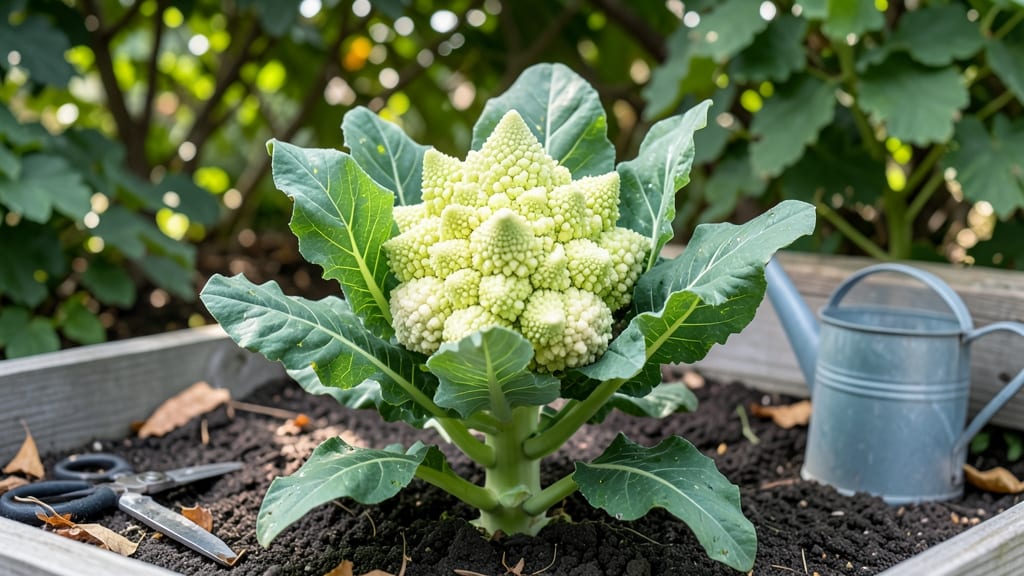
Growing a romanesco cauliflower plant delivers the kind of architectural beauty most vegetables can't match—those stunning fractal spirals look like something from a math textbook, not your backyard. 🌿 The best part?
It thrives in small spaces, making it perfect for urban gardens, raised beds, or even large containers where it can stretch vertically without hogging real estate.
This plant demands cool weather and rich soil, but the payoff is worth the effort. Start seeds indoors 8-10 weeks before your last frost, or buy sturdy transplants when they're at least 6 inches tall.
Romanesco loves full sun (6+ hours daily) and well-draining soil with a pH between 6.0 and 7.0. Space plants 18-24 inches apart to give their broad leaves room to unfurl—crowding leads to weak stems and poor fractal formation.
What makes romanesco special is how it grows: those tight, lime-green spirals form when the plant matures, typically 90-120 days after transplanting. Keep soil consistently moist but not soggy, and watch for pests like cabbage worms or aphids—neem oil or row covers are your best defenses.
When the heads reach 6-8 inches wide and turn a vibrant chartreuse, they're ready to harvest with a sharp knife.
Here's the secret to showstopping fractals: light and space. If plants get too crowded, the spirals flatten out. For advanced gardeners, try succession planting every 2 weeks for a continuous harvest.
Even in small gardens, romanesco delivers both beauty and flavor—crisp, nutty, and perfect raw or roasted. Let's get those seeds started!
📚 In This Guide
- What you need
- Instructions
- Tips and common mistakes
- Wrapping up and next steps
What you need
- ● Romanesco cauliflower seeds – Choose heirloom or hybrid varieties like 'Green Magic' or 'Romanesco' (pack of 10-20 seeds).
- ● Well-draining potting mix – 5-10 lbs of organic, peat-free soil blend (e.g., 60% compost, 30% coconut coir, 10% perlite).
- ● Containers or garden bed – Containers: 12-18" deep pots (2-3 plants per 12" pot) with drainage holes.
- ● Garden bed: Full sun (6+ hours/day) with loose, fertile soil (pH 6.0-7.0).
- ● Fertilizer – Balanced organic fertilizer (10-10-10 or composted manure) or slow-release granules.
- ● Mulch – Straw or shredded leaves (2-3 inches) to retain moisture.
- ● Hand trowel or small shovel for transplanting.
- ● Watering can or hose with gentle nozzle (avoid overhead watering).
- ○ Garden gloves (optional but recommended for handling soil/seeds).
- ● Plant markers (small stakes or labels) to track varieties.
- ○ Row cover or shade cloth (optional, for young plants in hot climates).
- ● Pruning shears (for harvesting or trimming excess foliage).
- ● Start seeds indoors 8-10 weeks before last frost (or direct-sow in warm climates after frost).
- ● Ideal temperature: 60–75°F for germination; avoid heat stress (>85°F).
- ● Hardy to USDA Zones 3-10 (adjust planting times accordingly).
Step-by-step guide to growing romanesco cauliflower in small spaces
This striking fractal plant thrives with precise care—here’s how to coax its bold geometry from seed to harvest.
🌱 Step 1: Start Seeds Indoors for Early Growth
Romanesco needs a long growing season, so begin seeds indoors 8-10 weeks before your last frost date. Use sterile seed-starting mix in 2-3 inch deep containers—this prevents damping-off and gives roots room to establish. I like to sow 2 seeds per cell at a depth of ¼ inch, just below the soil surface. Cover lightly with mix and mist until evenly moist.
Place containers in a warm spot (70-75°F) under grow lights (14-16 hours daily). Without enough light, seedlings stretch leggily and never recover. You’ll see first true leaves in 10-14 days—this is your cue to remove weaker seedlings, leaving the strongest one per cell. Here’s the thing—don’t rush germination. If your room runs cooler, germination may take 2-3 extra days, but patience pays off with sturdy plants.
☀️ Step 2: Harden Off and Transplant for Outdoor Success
Two weeks before transplanting, start hardening off seedlings by moving them outdoors for 1-2 hours daily, gradually increasing exposure. Watch for leaves wilting slightly—this means they’re adjusting. By the time you transplant, they should handle full sun without stress. Choose a spot with 6+ hours of direct sunlight and well-draining soil (Romanesco hates soggy roots).
Transplant seedlings 12-18 inches apart in rows 24 inches apart to allow airflow. Bury stems slightly deeper than in the container—this encourages root growth. Water deeply at the base immediately after planting. The key here is consistency: keep soil moist but never waterlogged. You’ll know it’s right when the top 1 inch of soil feels dry to the touch.
💧 Step 3: Maintain Moisture and Fertility for Fractal Perfection
Romanesco is a heavy feeder, so side-dress with compost when plants reach 6 inches tall. I use balanced organic fertilizer (10-10-10) every 4-6 weeks to prevent nutrient deficiencies. Yellowing leaves? That’s usually nitrogen deficiency—time to feed. Water 1-2 inches per week, more in extreme heat. Drip irrigation works best to keep foliage dry and prevent disease.
Watch for curling leaves—this often signals cabbage worms or aphids. Remove pests by hand or spray with neem oil at dusk. The goal is to keep plants stress-free so they focus energy on forming those iconic pinecone heads. When heads reach 4-6 inches wide, they’re ready to harvest—cut with a clean knife and enjoy the math-like beauty.
✂️ Step 4: Harvest and Extend the Season
Harvest Romanesco when heads are firm and tightly packed—this ensures the best flavor and texture. Cut the entire head at the base with sharp shears to avoid damaging the plant. Here’s the trick: if your climate is warm, harvest before heads open to prevent bitterness. Store unwashed heads in the fridge for up to 1 week or freeze for later use.
After harvest, some varieties produce secondary heads—keep feeding and watering to encourage regrowth. In cooler climates, mulch heavily to protect roots from frost. I’ve grown Romanesco successfully in USDA Zones 3-10 with proper care, proving its versatility. The reward? A stunning, edible fractal that turns every meal into a conversation starter.
Tips & tricks for perfect romanesco cauliflower growth
These game-changing insights will help you transform your small space into a fractal-producing powerhouse—no matter your gardening experience.
Lighting is Everything: That 14-16 hours of grow light daily isn't just a suggestion—it's non-negotiable for preventing leggy seedlings. I've seen seedlings stretch to 6 inches tall in just 3 days when light is insufficient! Invest in full-spectrum LED grow lights if your natural light is weak. Place them just 2-3 inches above seedlings and adjust as they grow to maintain consistent light intensity.
Seedling Selection Strategy: When those first true leaves appear around day 10-14, resist the urge to rush thinning. Let them grow for 2-3 extra days to ensure you can properly identify the strongest seedling. The one with the most vibrant green leaves and sturdy stem will be your winner. Use clean scissors to snip at soil level—never pull—so you don't disturb the root system of your chosen plant.
Transplanting Technique: Burying stems deeper than in the container might seem counterintuitive, but it's a game-changer for root development. The buried portion will sprout new roots, creating a stronger plant. After transplanting, water deeply but avoid creating puddles—Romanesco's shallow root system can't handle waterlogged conditions. The 1-inch dry soil test is your best friend for maintaining proper moisture levels.
Pest Prevention Proactive: That curling leaves warning isn't just about cabbage worms—it's your early detection system. I've caught infestations before they became visible by checking the undersides of leaves weekly. Neem oil isn't just for treatment—apply it preventatively every 2 weeks during the growing season. The key is timing: always spray at dusk when pests are most active but before beneficial insects retire for the night.
Pro Tips for Romanesco Cauliflower Plant
- These game-changing insights will help you transform your small space into a fractal-producing powerhouse—no matter y...
- Lighting is Everything: That 14-16 hours of grow light daily isn't just a suggestion—it's non-negotiable for preventi...
- Seedling Selection Strategy: When those first true leaves appear around day 10-14, resist the urge to rush thinning. ...
Frequently asked questions
How long does it take for a romanesco cauliflower plant to mature?
Most varieties take 80–120 days from seed to harvest, depending on the cultivar and growing conditions. Early varieties like 'Green Magic' mature in about 70 days, while heirloom types may take closer to 120. Start seeds indoors 6–8 weeks before your last frost for a head start!
Can romanesco survive frost? How cold is too cold?
Young plants are frost-sensitive, but mature heads can tolerate light frosts (28–32°F). Seedlings need consistent warmth (above 40°F). If your zone gets harsh winters, grow romanesco as an annual or use row covers. Pro tip: Harvest before hard freezes—cold snaps can turn heads mushy!
What can I plant alongside romanesco to improve growth?
Romanesco thrives with companion plants like:
- Herbs: Dill, thyme, or basil (repel pests naturally)
- Vegetables: Beans, peas, or lettuce (they share nutrients)
- Avoid: Cabbage family (compete for resources)
Is romanesco cauliflower as nutritious as regular cauliflower?
It’s packed with fiber, vitamin C, K, and antioxidants—often higher in nutrients than green cauliflower due to its unique structure. The fractal pattern doesn’t affect taste or health benefits, but the darker green hues sometimes signal slightly higher nutrient density. Roast or steam it for a crunchy, nutty twist!
Why is my romanesco turning yellow or purple?
Yellowing can mean:
- Overmaturity (harvest sooner!)
- Heat stress (provide shade in hot climates)
Purple tint? Likely a cold response—harvest before it cooks itself!
Fix it: Ensure consistent moisture and mulch to stabilize soil temps.Wrapping up and next steps
Growing romanesco cauliflower is a rewarding way to add stunning visual interest and nutritious harvests to your garden—even in small spaces! 🌱 With its striking fractal patterns and compact growth, this plant proves that big beauty doesn’t require big yards.
Whether you’re a seasoned gardener or just starting out, the key is patience, proper care, and a little creativity.
Ready to dive in? Start small: plant a few seeds or seedlings this season, experiment with companion plants, and enjoy the process. Before you know it, your garden will be buzzing with textured greens and bragging rights! 🌟