Flowers
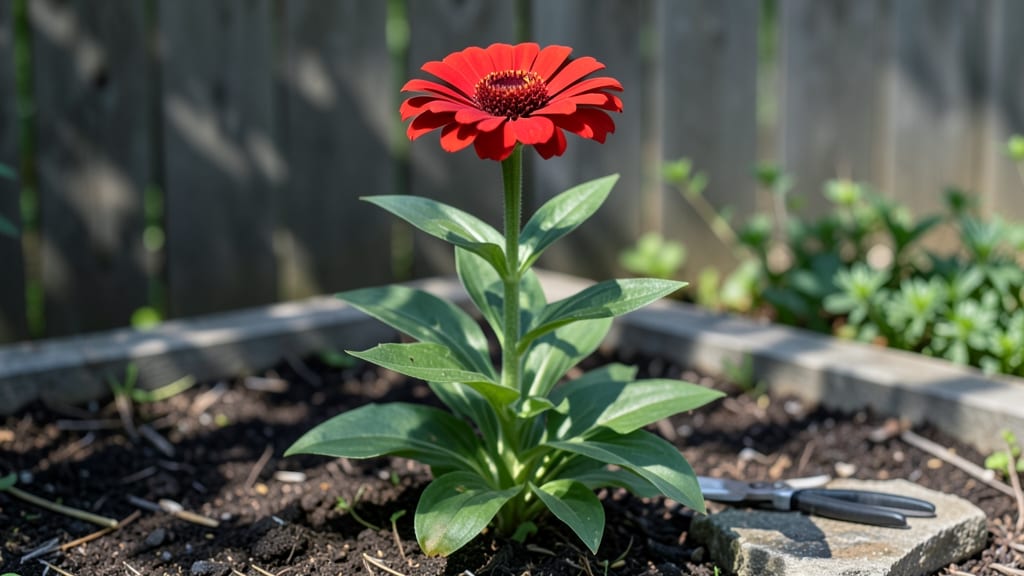
Growing red zinnias is like inviting a fireworks show into your garden—bold, bright, and impossible to ignore. 🌸 These drought-tolerant powerhouses thrive even when other flowers wilt, and their velvety petals attract pollinators all summer long.
I planted my first zinnias after a neighbor’s garden caught fire with their deep crimson blooms, and I’ve been hooked ever since.
The secret to their success? Full sun and well-draining soil—no fancy amendments needed. They’re tough enough to handle occasional dry spells but love regular watering once established.
Start seeds indoors 6-8 weeks before your last frost or sow directly after soil warms, and watch those first sprouts emerge in just 7-10 days.
By midsummer, you’ll be snipping fresh blooms for bouquets that last weeks in a vase. Pinch back early flowers to encourage bushier growth, and deadhead spent blooms to keep the show going until frost. These zinnias are the ultimate low-maintenance star—beautiful, resilient, and endlessly rewarding.
Perfect for cutting gardens, pollinator-friendly spaces, or adding drama to borders. Whether you’re a beginner or a seasoned gardener, red zinnias deliver effortless impact with every season. Let’s get those seeds planted!
📚 In This Guide
- What you need
- Instructions
- Tips and common mistakes
- Wrapping up and next steps
What you need
- ● Red zinnia seeds: Choose a variety like 'Benary’s Giant' or 'Profusion Red' (1 packet = ~100 seeds).
- ● Well-draining potting mix: 5–10 gallons (or enough to fill containers). Pro tip: Mix in perlite or sand for extra drainage!
- ● Containers or garden bed: Containers: 5–12" deep pots (1–2 plants per 6" pot).
- ● Garden bed: Full sun (6+ hours/day) and loose, fertile soil.
- ● Watering can or hose with a gentle spray nozzle.
- ○ Fertilizer (optional but helpful): Balanced 10-10-10 or slow-release granules (follow package rates).
- ● Mulch: Straw or shredded leaves to retain moisture and suppress weeds.
- ● Plant markers: Small stakes or labels to track varieties.
- ● Pruning shears: For deadheading spent blooms (encourages more flowers!).
- ● Shade cloth (30–50%): For seedlings if your climate is scorching.
- ● Compost or worm castings: Boosts soil health for stronger plants.
Step-by-step guide to growing stunning red zinnia flowers
Here's how to coax vibrant red zinnias from seed to full bloom with minimal fuss.
🌱 Step 1: Start Seeds Indoors or Direct-Sow After Frost
Zinnias thrive in warm soil, so wait until after your last frost date to plant—typically 2-3 weeks before Memorial Day in most climates. If you're impatient, start seeds indoors 6-8 weeks before transplanting. Use biodegradable pots to avoid disturbing roots later.
Press seeds ¼ inch deep into moist seed-starting mix. They need light to germinate, so don't bury them too deep. Keep the soil consistently moist but not soggy—zinnias hate wet feet. Place pots in a warm spot (70-75°F) until sprouts appear, which usually takes 7-14 days. Watch for the first true leaves (the second set after the initial seed leaves) before transplanting outdoors.
☀️ Step 2: Choose a Sunny Spot and Prepare the Soil
Zinnias demand full sun—6-8 hours daily—for their boldest red blooms. Pick a location where they’ll get morning sun and afternoon light without afternoon shade. Amend the soil with compost to improve drainage, as zinnias wilt quickly in heavy, clay-rich soil.
Dig a hole slightly larger than the root ball if transplanting seedlings. Space them 12-18 inches apart to allow airflow and prevent fungal diseases. Water deeply before planting to settle the soil around roots. You'll know the soil is right when water drains through within an hour—no puddles.
💧 Step 3: Water Deeply but Infrequently
Here’s the secret to drought-tolerant zinnias: water deeply once a week (or when the top 2 inches of soil feel dry). Shallow watering encourages weak roots and leggy stems. Use a soaker hose or water at the base to avoid wetting leaves, which reduces disease risk.
Once established, zinnias store water in their thick stems and can handle dry spells. If you notice wilting, water immediately—zinnias bounce back quickly. Mulch around plants with straw or shredded leaves to retain moisture and suppress weeds. The mulch layer should be 1-2 inches thick but keep it a few inches away from stems to prevent rot.
✂️ Step 4: Deadhead and Support for Continuous Blooms
Pinch off spent blooms every 2-3 days to encourage more flowers. Use clean pruners or just your fingers—zinnias respond beautifully to this pruning. Cut back to the first set of healthy leaves below the bloom to redirect energy into new growth.
Tall varieties (over 3 feet) may need staking or support. Insert stakes at planting time to avoid damaging roots later. Remove faded flowers from the base of the plant too—this prevents seed formation and keeps energy focused on vibrant new blooms. You’ll see a steady stream of fresh red flowers within 2-3 weeks of consistent deadheading.
🌿 Step 5: Enjoy and Extend the Season
Zinnias keep blooming until frost if you keep up with deadheading and watering. For a late-season show, cut back plants by half their height in early fall. This stimulates a second flush of blooms before winter sets in.
Save seeds from your healthiest plants by leaving a few flowers uncut until they dry on the stem. Harvest seeds when the flower head turns papery and brown. Store them in a cool, dry place for next year’s garden. With proper care, your zinnias will reward you with bold red blooms from summer through early autumn.
Tips & tricks for perfect red zinnia blooms
Here's what nobody tells you about growing zinnias that'll make all the difference between a few sad flowers and a garden full of vibrant red blooms.
Timing is Everything: When starting seeds indoors, use a heat mat set to 70-75°F to speed up germination—those 7-14 days can feel like forever! I've found that keeping seeds in a warm spot (like on top of the fridge) can cut germination time by 2-3 days. Place a humidity dome or plastic wrap over the tray to maintain moisture without overwatering, then remove it once sprouts appear.
Soil Science: The 6-8 hours of daily sun is non-negotiable, but soil prep makes all the difference. Before planting, mix in compost at a 1:3 ratio with native soil. This improves drainage while retaining moisture—critical for zinnias that wilt quickly in heavy soil. I like to add a handful of perlite to the mix for extra drainage, especially in clay-heavy areas.
Deadheading Discipline: Those 2-3 days between deadheading sessions might seem like a chore, but it's the secret to non-stop blooms. I set a reminder on my phone for every other day to check my zinnias. Use clean pruners or just your fingers to pinch off spent blooms—this redirects energy to new flowers. The first 2-3 weeks of consistent deadheading is when you'll see the biggest payoff in vibrant red blooms.
Mulching Magic: That 1-2 inch thick mulch layer of straw or shredded leaves isn't just for looks—it's a game-changer. Keep it 2 inches away from stems to prevent rot, but spread it generously around the base. The mulch insulates roots, keeps soil moist, and suppresses weeds. I've found that mulched zinnias need watering 20% less than unmulched ones during dry spells.
Pro Tips for Red Zinnia Flower
- Here's what nobody tells you about growing zinnias that'll make all the difference between a few sad flowers and a ga...
- Timing is Everything: When starting seeds indoors, use a heat mat set to 70-75°F to speed up germination—those 7-14 d...
- Soil Science: The 6-8 hours of daily sun is non-negotiable, but soil prep makes all the difference. Before planting, ...
Frequently asked questions
When is the best time to plant red zinnias?
Plant red zinnias after the last frost when soil temperatures reach at least 50°F (10°C). For most U.S. regions, this means late spring (April–June). If you’re in a warm climate, you can even sow seeds in early spring. For longer blooms, consider a fall planting (August–September) in cooler zones.
How long do red zinnias take to bloom?
Red zinnias are fast growers! With proper care, you’ll see first blooms in 6–8 weeks from seed. If starting with transplants, expect flowers in 4–6 weeks. Deadhead spent blooms to encourage nonstop summer-long color—just pinch off faded flowers with your fingers or snips.
Are red zinnias really drought-tolerant?
Yes! Once established, red zinnias are drought-resistant and thrive with minimal watering—about 1 inch per week. However, young seedlings need consistent moisture to prevent wilting. Mulch around plants to retain soil moisture and reduce weeds. Pro tip: Water at the base (not leaves) to avoid fungal issues.
What pests or diseases should I watch for?
Red zinnias are generally pest-resistant, but keep an eye out for:
- Aphids: Spray with water or use neem oil.
- Spider mites: Increase humidity or use insecticidal soap.
- Powdery mildew: Improve airflow and avoid overhead watering.
- Japanese beetles: Handpick or use row covers early.
Can I grow red zinnias in containers?
Red zinnias thrive in containers 12+ inches deep with well-draining soil. Use a balanced fertilizer (like 10-10-10) every 4–6 weeks. Place pots in full sun (6+ hours/day) and water regularly until established. Bonus: Container zinnias make stunning balcony or patio displays!
How can I keep red zinnias blooming all summer?
To extend blooms, follow these tricks:
- Deadhead regularly (remove faded flowers).
- Fertilize lightly with low-nitrogen feed (like 5-10-10).
- Ensure full sun—zinnias wilt in shade.
- Avoid overwatering (let soil dry slightly between waterings).
Wrapping up and next steps
Growing red zinnias is a rewarding way to add vibrant color and resilience to your garden—even in dry conditions! These drought-tolerant beauties thrive with minimal fuss, offering months of bold blooms that attract pollinators and brighten any space.
Whether you're a beginner or a seasoned gardener, their easy-care nature makes them a perfect choice for summer-long joy.
Ready to transform your garden? Start by grabbing seeds or young plants, picking a sunny spot, and following the simple steps above. Watch your red zinnias flourish—and don’t forget to share your progress with fellow gardeners! 🌸