Shrubs
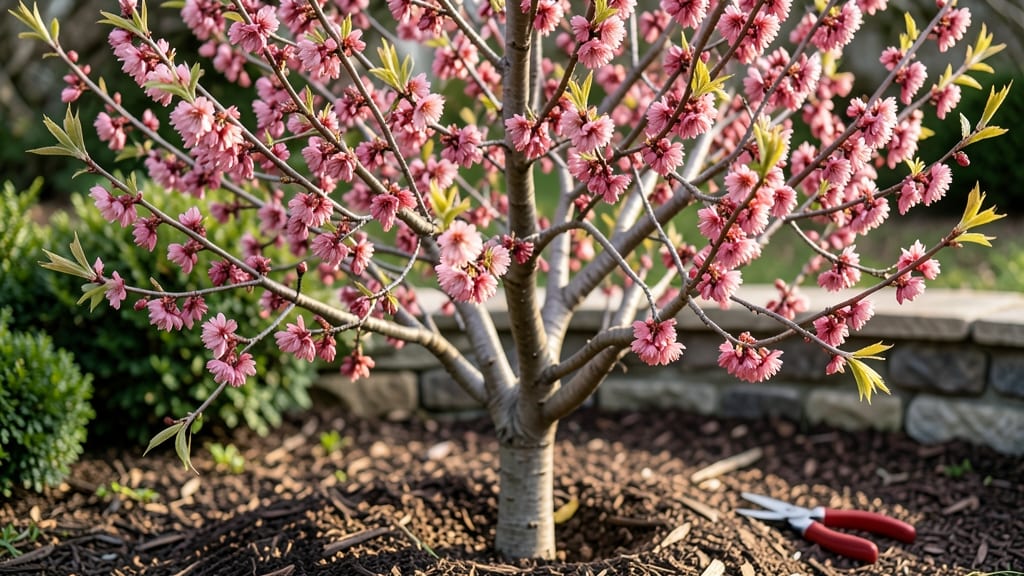
Planting a red flowering peach tree means welcoming a riot of spring color that hummingbirds and bees can't resist. 🌸 I've grown these showstoppers for years, and they never fail to transform a dull corner into a living canvas of pink and white blossoms.
The key difference from fruiting varieties is their focus on beauty over harvest—though some still produce tiny, tart peaches if you're lucky.
These trees thrive in full sun and well-draining soil, making them perfect for gardeners in zones 5-9. You'll need a spot with at least 6 feet of space for mature growth, and they handle pruning like a pro—just shape them in late winter before buds swell.
The first year is all about establishing roots, so water consistently but avoid soggy soil.
By late April or May, you'll be rewarded with weeks of vibrant blooms that outshine even the most prized roses. The fragrance alone makes it worth the effort, and the branches become a magnet for pollinators.
With minimal care after establishment, these trees reward you with decades of color—some varieties even develop golden fall foliage.
Best of all, they're beginner-friendly once you know the basics. Whether you choose a dwarf variety for containers or a standard tree for your lawn, this pollinator powerhouse delivers year-after-year impact with almost no fuss. Let's get that tree planted!
📚 In This Guide
- What you need
- Instructions
- Tips and common mistakes
- Wrapping up and next steps
What you need
- ● Red flowering peach tree: Choose a Prunus persica variety (e.g., 'Red Haven' or 'Bonanza Red') from a reputable nursery. Opt for a 1-3 year old sapling (5-6 feet tall) for best results.
- ● Planting site: Full sun (6+ hours of direct sunlight daily).
- ● Well-draining soil (sandy loam or amended clay with compost).
- ○ Soil amendments (optional but helpful): Compost (5-10 gallons) to enrich soil.
- ● Slow-release fertilizer (10-10-10 NPK ratio, 1 lb per tree).
- ● Tools: Shovel or trowel.
- ● Garden gloves.
- ● Watering can or hose with a gentle spray nozzle.
- ● Mulch (2-3 inches of wood chips or pine straw).
- ● Climate: Plant in USDA Hardiness Zones 5-9. Avoid frost-prone areas during early growth.
- ● Spacing: Plant trees 15-20 feet apart to allow airflow and future growth.
- ● Water source: Access to water for the first 2-3 weeks post-planting (deep watering 2-3 times per week).
- ○ Pest/disease prevention (optional): Copper fungicide (for fungal risks like peach leaf curl).
- ● Neem oil spray (to deter aphids or scale insects).
Step-by-step guide to planting and caring for a red flowering peach tree
Here’s how to cultivate a stunning red flowering peach that thrives as both a decorative centerpiece and a magnet for pollinators.
🌱 Step 1: Choose the Right Location and Prepare the Soil
Select a spot with full sun exposure (6-8 hours daily)—red flowering peaches demand bright light to produce vibrant blooms. Avoid low-lying areas where cold air settles, as these trees are sensitive to frost damage. The soil should drain well but retain moisture; amend heavy clay with 2-3 inches of compost to improve aeration.
Dig a hole twice as wide as the root ball but no deeper. Loosen the soil at the bottom to encourage root spread. Here’s the thing—peach trees hate soggy roots, so if your yard sits in a depression, consider planting on a slight mound or installing a drainage pipe.
🪴 Step 2: Plant the Tree at the Correct Depth and Stake for Support
Remove the tree from its container and tease the roots gently if they’re circling. Position the graft union (the raised bump near the base) 2-3 inches above ground level—this ensures strong regrowth if the trunk is damaged. Place the tree in the hole and backfill with native soil mixed with compost, tamping lightly as you go.
Stake the tree only if it’s top-heavy or in a windy location. Use two stakes positioned 12 inches apart and tie the trunk loosely with soft fabric strips. Water deeply immediately after planting to settle the soil around the roots. You’ll know it’s right when the surface looks slightly compacted but not crusted.
💧 Step 3: Water Deeply and Mulch to Retain Moisture
Water the tree to a depth of 12-18 inches—this encourages deep root growth. Use a soaker hose or drip irrigation to avoid wetting the foliage, which can promote fungal diseases. After watering, apply a 3-inch layer of organic mulch (like wood chips) around the base, keeping it 6 inches away from the trunk to prevent rot.
Mulch helps regulate soil temperature and reduces evaporation, but don’t overdo it. A thick layer can suffocate roots and attract pests. Check the mulch monthly and replenish if it breaks down or settles.
☀️ Step 4: Prune for Shape and Airflow in Early Spring
Prune in late winter or early spring before new growth begins. Remove any dead, diseased, or crossing branches first, then thin the canopy to allow light and air to reach the center. Aim for an open, vase-like shape—this prevents overcrowding and improves bloom visibility.
Here’s what I do: I look for branches growing inward and cut them back to an outward-facing bud. Avoid heavy pruning in the first year; focus on shaping rather than reducing size. You’ll see stronger growth and more abundant flowers in subsequent seasons.
⏰ Step 5: Fertilize and Monitor for Pests in Growing Season
Apply a balanced, slow-release fertilizer (10-10-10) in early spring, following package rates. Red flowering peaches are light feeders, so avoid over-fertilizing, which can lead to excessive leaf growth at the expense of blooms. Water the tree thoroughly after applying fertilizer to help it absorb into the soil.
Watch for aphids or peach tree borers, common pests that target young trees. If you spot chewed leaves or sawdust-like frass, treat with neem oil or insecticidal soap. A healthy tree with good airflow rarely suffers from serious infestations, so pruning and proper spacing are your best defenses.
Tips & tricks for perfect red flowering peach tree care
These essential insights will help you cultivate a thriving red flowering peach that bursts with vibrant blooms year after year.
The Sunlight Factor: That 6-8 hours of full sun is non-negotiable for vibrant red blooms. I've seen trees in partial shade produce pale, sparse flowers—it's worth testing multiple spots in your yard with a sun tracker app before planting. South-facing locations get the most consistent sunlight, but west-facing spots can work too if they receive unobstructed afternoon sun.
Root System Strategy: When loosening the soil at the bottom of the planting hole, think of it like fluffing a pillow—you want to create a loose, inviting space for roots to spread. I always use my hands or a root rake rather than a shovel to avoid compacting the soil further. This single step can make the difference between a struggling tree and one that establishes quickly.
Mulch Mastery: That 3-inch layer of organic mulch isn't just decoration—it's a living system that regulates soil temperature and moisture. I like to use wood chips because they break down slowly, but shredded leaves work too. The key is keeping it 6 inches away from the trunk to prevent rot. Pro tip: Refresh your mulch annually as it breaks down, but never pile it higher than 3 inches.
Pruning Precision: In Step 4, when you're shaping your tree, focus on creating an open center that lets light penetrate. I cut branches back to outward-facing buds to encourage new growth in the right direction. Remember that first-year pruning is about shaping, not reducing size—you want to establish good habits that will pay off with abundant blooms in future seasons.
Pro Tips for Red Flowering Peach
- These essential insights will help you cultivate a thriving red flowering peach that bursts with vibrant blooms year ...
- The Sunlight Factor: That 6-8 hours of full sun is non-negotiable for vibrant red blooms. I've seen trees in partial ...
- Root System Strategy: When loosening the soil at the bottom of the planting hole, think of it like fluffing a pillow—...
Frequently asked questions
Got questions about growing and caring for your red flowering peach tree? You’re not alone! Here are some of the most common queries—and their answers—to help you nurture a thriving, pollinator-friendly beauty in your garden.
How fast does a red flowering peach tree grow?
A young red flowering peach tree typically grows 1 to 2 feet per year under ideal conditions. With proper care—like well-draining soil, full sun, and regular watering—it can reach 15 to 20 feet tall within 5–10 years. Patience is key, but the vibrant blooms make it worth the wait!
When is the best time to plant a red flowering peach tree?
Plant your tree in early spring or fall when temperatures are mild (50–70°F). This gives roots time to establish before extreme heat or cold. Avoid planting in summer’s scorching heat or winter’s frost, as stress can hinder growth.
Do red flowering peach trees attract bees and other pollinators?
Absolutely!
Their bright pink-red blossoms are a magnet for bees, butterflies, and hummingbirds. To maximize pollinator visits, plant near other early-season bloomers (like fruit trees or lavender) and avoid pesticides that harm beneficial insects.
Will a red flowering peach tree produce edible fruit?
While it’s notoriously picky about pollination, some red flowering peach trees may yield small, tart fruit if cross-pollinated with another peach variety. However, most are grown solely for their stunning flowers. If fruit is your goal, opt for a fruit-bearing peach cultivar instead.
How cold-hardy are red flowering peach trees?
Most varieties tolerate USDA Zones 5–9 (down to -15°F). Young trees need winter protection (like mulch or burlap wraps) in colder zones. Prune damaged branches in late winter to encourage new growth.
What are common pests or diseases to watch for?
Keep an eye out for:
- Aphids: Spray with water or neem oil.
- Peach leaf curl: Apply fungicide in late fall.
- Borers: Remove infested branches promptly.
Wrapping up and next steps
The red flowering peach tree isn’t just a stunning addition to your garden—it’s a lifeline for pollinators and a burst of seasonal joy. With its vibrant blossoms, low-maintenance care, and dual-purpose beauty, it’s a win-win for both your landscape and local ecosystems.
Whether you’re a beginner or a seasoned gardener, this tree offers easy rewards for minimal effort.
Ready to transform your outdoor space? Start by selecting the perfect spot, gathering your supplies, and planting with confidence. Your future blooms—and buzzing pollinator friends—will thank you! 🌸🐝