
Shrubs
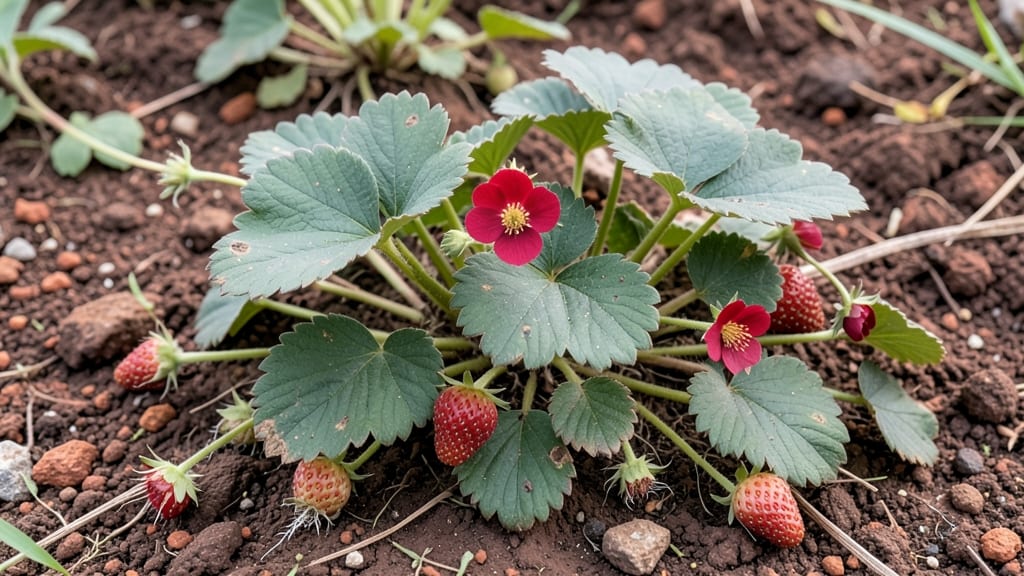
Red flowered strawberries aren’t just berries—they’re a pollinator magnet with vibrant red blooms that put on a show from spring until frost. 🌸 I first spotted them in a cottage garden, where their delicate flowers seemed to glow against the green, drawing bees and butterflies like a neon sign.
These aren’t your typical berry bushes; they’re living art pieces that double as a harvest.
Their year-round blooms make them perfect for borders, containers, or mixed shrub beds. Pair them with lavender for a purple-and-red contrast, or let them spill over trellises for a romantic, old-fashioned look.
They thrive in partial shade too, so they won’t scorch in hot afternoons like some flowers. The berries? Sweet-tart and perfect for snacking straight off the vine.
Imagine your garden buzzing with life while you sip tea beneath their shade. The flowers attract hummingbirds, and the berries reward you with flavor. They’re low-maintenance once established—just keep them pruned lightly to encourage more blooms. This is the kind of plant that makes neighbors stop and ask, “What’s that?”
Best for cottage gardens, pollinator patches, or any spot where you want color and function. They’re the ultimate “do more with less” plant—beauty, food, and wildlife support all in one. Let’s make your garden irresistible to both humans and pollinators.
📚 In This Guide
- What you need
- Instructions
- Tips and common mistakes
- Wrapping up and next steps
What you need
- ● Red flowered strawberry plants: 3–5 bare-root or potted plants (choose varieties like Fragaria × ananassa 'Red Delicious' or 'Seascape' for vibrant blooms).
- ● Well-draining soil: Mix equal parts potting soil and perlite or coarse sand (10–12 quarts total).
- ○ Containers (optional but recommended): 12–18" pots with drainage holes (1–2 per plant) or a raised garden bed (12" deep).
- ● Organic compost: 1–2 cups per plant to enrich the soil.
- ● Mulch: Straw or shredded bark (1–2 inches) to retain moisture and suppress weeds.
- ● Garden trowel or small shovel for planting.
- ● Pruning shears for trimming spent blooms and runners.
- ● Watering can or hose with a gentle spray nozzle (avoid overhead watering to prevent fungal issues).
- ● Sunlight access: Minimum 6–8 hours of direct sun daily (partial shade in hot climates).
- ○ Optional but helpful: Slow-release balanced fertilizer (10-10-10 ratio) for nutrient boosts.
- ● Pollinator-friendly companion plants (e.g., basil, marigolds, or lavender) to enhance the ecosystem.
Step-by-Step guide to planting and caring for red flowered strawberries
Here’s how to create a stunning, pollinator-friendly garden that blooms all season long!
🌱 Step 1: Choose the Perfect Planting Spot
Red flowered strawberries thrive in full sun to partial shade—at least 6 hours of sunlight daily—but they’ll reward you with more blooms if you give them morning sun and afternoon shade in hot climates. I always pick a spot with well-draining soil (they hate soggy roots) and shelter from strong winds—nothing worse than watching delicate blooms snap in a storm.
If your soil is heavy clay, mix in 2-3 inches of compost from the list to improve drainage. The ideal soil pH is 5.5-6.5—test it with a kit if you’re unsure. I like to plant mine near a fence or trellis for support, especially if you’re growing the trailing varieties.
🪴 Step 2: Plant Bare-Root or Potted Strawberries
For bare-root plants, soak the roots in lukewarm water for 30 minutes before planting—this jumpstarts growth and prevents shock. Dig a hole wide enough to spread the roots without bending them (they should fan out naturally). The crown (where leaves meet roots) should sit just above soil level—burying it too deep causes rot, while leaving it exposed dries it out.
If using potted plants, remove them from the container and loosen any tangled roots. Space plants 12-18 inches apart in rows 2-3 feet apart for airflow. Gently firm the soil around the roots and water deeply—this helps settle everything and removes air pockets. I always add a 1-inch layer of mulch (like straw or pine needles) to keep roots cool and retain moisture.
☀️ Step 3: Water and Feed for Continuous Blooms
Water deeply 1-2 times per week, aiming for 1 inch of water total—more in extreme heat. I water in the early morning to reduce evaporation and fungal risks. Avoid wetting the leaves or flowers, as this invites mildew. Instead, water at the base of the plant using a soaker hose or drip irrigation for precision.
Feed every 4-6 weeks with a balanced fertilizer (10-10-10) or a low-nitrogen, high-phosphorus blend to encourage blooms over leafy growth. I also sprinkle compost tea around the base monthly for extra nutrients. Watch for yellow leaves—this usually means overwatering or nutrient deficiency. Adjust your care based on what you see!
✂️ Step 4: Prune and Maintain for Year-Round Beauty
After the first flush of blooms fades, trim back old leaves and runners to redirect energy to new growth. I cut back weak or diseased foliage immediately—this keeps plants healthy and prevents pests. For everbearing varieties, pinch off the first set of flowers to encourage a second, larger harvest later in the season.
In fall, add a 2-inch layer of mulch to insulate roots if your winters are cold. I also remove any dead or damaged growth before the first frost. With red flowered strawberries, the key is balance—prune enough to keep them tidy, but not so much that you stunt their blooming potential. You’ll see the most stunning displays when you let them grow naturally while guiding their shape.
🐝 Step 5: Encourage Pollinators and Extend the Season
Plant companion flowers like alyssum, marigolds, or lavender nearby to attract bees and butterflies—they’ll pollinate your strawberries and keep your garden buzzing! I also leave some wild areas in the garden for native pollinators to nest. Avoid pesticides, especially when flowers are open, to protect these helpful visitors.
To extend blooms, deadhead spent flowers regularly—this tricks the plant into producing more. In cooler climates, use row covers in early spring to warm the soil and jumpstart growth. With a little care, your red flowered strawberries will bloom from spring to frost, creating a pollinator paradise that never quits!
Tips & tricks for perfect red flowered strawberry planting
Here's how to turn your red flowered strawberries into a pollinator magnet that keeps blooming all season!
Soil Prep Secret: Before amending heavy clay soil with 2-3 inches of compost, I like to add a handful of perlite or coarse sand to improve drainage even more. This creates tiny air pockets that prevent waterlogging—red flowered strawberries absolutely despise soggy roots! Test your soil's pH first with a simple kit (available at garden centers) to ensure it's in the ideal 5.5-6.5 range before planting.
Planting Position: In Step 2, when positioning your plants, remember the crown should sit just above soil level—this prevents rot while allowing roots to establish properly. For trailing varieties, plant near a trellis or fence right away. I've learned the hard way that trying to add support later often damages the delicate runners!
Watering Wisdom: The 1-2 times per week watering schedule in Step 3 works best when you water deeply at the base using a soaker hose. This delivers moisture right to the roots while keeping leaves dry to prevent mildew. In extreme heat, I increase to 1 inch of water daily—just monitor the soil moisture with your finger about 1 inch below the surface.
Pollinator Power-Up: For maximum pollinator attraction, plant your companion flowers in clusters rather than scattered. I create "pollinator pockets" with 3-5 plants of each variety near my strawberries. This creates visual landmarks for bees and butterflies, making your garden irresistible to them!
Pro Tips for Red Flowered Strawberry
- Here's how to turn your red flowered strawberries into a pollinator magnet that keeps blooming all season!
- Soil Prep Secret: Before amending heavy clay soil with 2-3 inches of compost, I like to add a handful of perlite or coarse sand to improve drainage even more.
- Planting Position: In Step 2, when positioning your plants, remember the crown should sit just above soil level—this prevents rot while allowing roots to establish properly.
Frequently asked questions
about red-flowered strawberries—because every gardener deserves a little clarity!Do red-flowered strawberries produce edible fruit?
Yes! While prized for their stunning ever-blooming red flowers, these varieties (like 'Seascape' or 'Albion') still yield small, sweet berries. The fruit may be less abundant than traditional types but offers a unique dual reward: beauty + snackable treats. Just note—some ornamental hybrids focus more on flowers than fruit.
How long does it take for red-flowered strawberries to bloom?
Patience is key! With proper care, you’ll see first flowers in 6–12 months after planting. Ever-bearing varieties may produce sporadic blooms early, but full, continuous color typically takes 1–2 years. Cold frames or row covers can accelerate blooming in cooler climates.
Are red-flowered strawberries better for pollinators than regular strawberries?
Absolutely!
Their year-round blooms (in mild climates) provide 5x more nectar/pollen than traditional strawberries, supporting bees, butterflies, and hummingbirds. Plant them near veggie gardens to boost pollination for tomatoes, peppers, and more—a win-win for your ecosystem!
Can red-flowered strawberries survive winter?
Most varieties are hardy to USDA Zones 5–9, but protection helps. Mulch heavily with straw or leaves, and use burlap wraps for young plants. In Zone 4, grow them in containers for winter indoor storage or plant spring-blooming bulbs beneath them for seasonal interest.
Where can I buy red-flowered strawberry plants?
Check local nurseries specializing in pollinator plants or reputable online sellers like Bare Root Nursery or Territorial Seed Co.. Avoid big-box stores—they often carry non-everblooming varieties. Pro tip: Ask for 'day-neutral' or 'everbearing' labels to ensure continuous flowers!
Wrapping up and next steps
Growing red flowered strawberries isn’t just about adding beauty to your garden—it’s about creating a thriving ecosystem that supports pollinators and extends your blooming season. These vibrant plants are low-maintenance, drought-tolerant, and packed with charm, making them a perfect choice for both beginners and seasoned gardeners. 🌸
Ready to take the next step? Start by planting a few in your garden or even in containers on your patio. Watch as they transform your space into a pollinator paradise and enjoy their stunning, year-round blooms! Your garden (and the bees!) will thank you. 🐝✨