
Trees
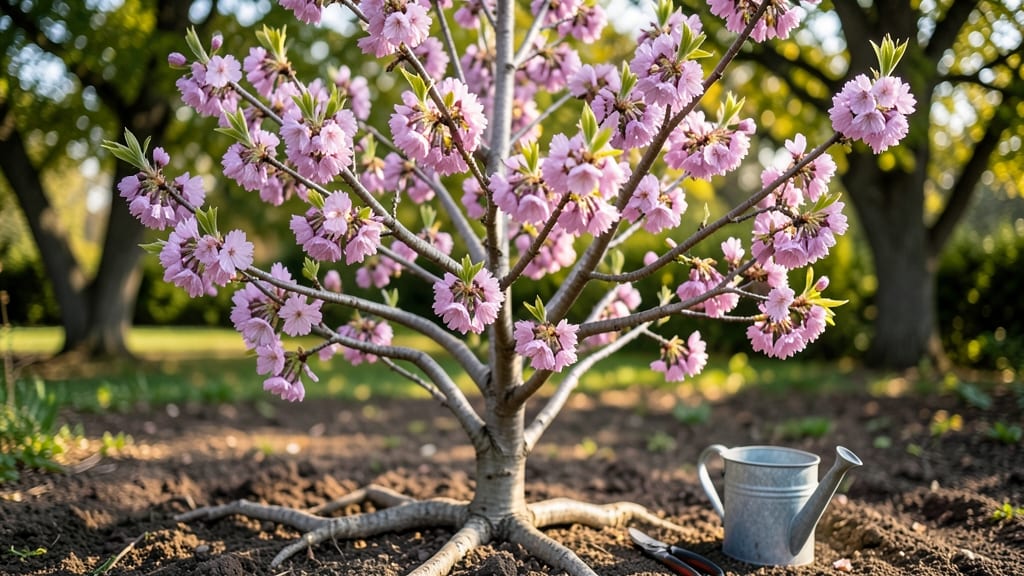
Finding the prettiest flowering trees can transform your yard from ordinary to showstopping. 🌸 I planted a Japanese cherry in my front yard last spring, and the way it stole every neighbor’s attention made me realize how much impact a single tree can have.
The right specimen doesn’t just add color—it creates a focal point that draws people in, whether it’s the soft pink clouds of spring blooms or the fiery reds of autumn foliage.
These standout trees thrive in different climates and spaces, from small urban yards to sprawling estates. Some, like the crape myrtle, burst with lavender blooms all summer long, while others, such as the dogwood, offer delicate white flowers followed by vibrant fall colors.
The key is matching your tree to your space—sun exposure, soil type, and mature size all play a role in long-term success. Most need well-draining soil and at least six hours of sunlight daily, but a few, like the serviceberry, adapt to partial shade.
Imagine walking past your front door and being greeted by a canopy of fragrant blooms, or hosting dinner under a tree dripping with blossoms. These trees don’t just look beautiful—they enhance your outdoor living spaces, attract pollinators, and even increase your home’s curb appeal.
The payoff? A garden that feels like a curated masterpiece, not just a patch of green. Let’s dive into the best choices for your landscape.
Whether you’re going for a romantic cottage garden vibe or a modern minimalist look, the right flowering tree ties everything together. Pair a weeping cherry with hostas for contrast, or plant a magnolia near a bench for a fragrant seating area.
The possibilities are endless, and the impact is immediate. Here’s how to pick the perfect one for your yard.
📚 In This Guide
- What you need
- Instructions
- Tips and common mistakes
- Wrapping up and next steps
What you need
- ● Flowering Trees: 1-3 trees (depending on space and desired impact)—popular picks include Crabapple (Malus spp.), Dogwood (Cornus florida), Japanese Cherry (Prunus serrulata), or Magnolia (Magnolia grandiflora).
- ● Ensure trees are bare-root, container-grown, or balled-and-burlapped (B&B) for best results.
- ● Soil Amendments: 5-10 lbs of compost or well-rotted manure (for nutrient-rich soil).
- ● 1-2 bags of organic mulch (pine bark or shredded leaves) (2-3 inches deep).
- ● Planting Tools: 1 shovel or spade (for digging).
- ● 1 garden trowel (for delicate root adjustments).
- ● 1 wheelbarrow (for transporting soil/amendments).
- ● 1 measuring tape (to mark planting depth).
- ○ Safety Gear (Optional but Recommended):strong> 1 pair of gardening gloves (to protect hands).
- ● 1 safety goggles (if digging in rocky soil).
- ● Location: Choose a spot with 6+ hours of sunlight daily (adjust for shade-tolerant varieties like Japanese Maple).
- ● Soil Test: Check pH (most flowering trees thrive in 6.0–7.0; amend if needed).
- ● Water Source: Ensure easy access to a hose or watering can for the first 2 weeks post-planting.
- ● Local Climate: Pick trees suited to your USDA Hardiness Zone (e.g., Dogwood for Zones 5–9).
How to choose and plant the prettiest flowering trees for year-round color
Here's how I select and plant flowering trees that keep your landscape vibrant from spring through fall.
🌿 Step 1: Select Trees Based on Seasonal Bloom Cycles
Start by choosing trees that offer staggered blooms. I always include cherry blossoms for spring drama, crape myrtle for summer heat, and dogwood for early fall color. Each tree should contribute to the seasonal palette—think pinks in spring, whites in summer, and fiery oranges in fall. Check your hardiness zone to ensure each variety thrives locally.
For example, a magnolia blooms early spring, while a redbud follows with its purple blossoms. This layering creates continuous interest. I recommend spacing them so one tree's peak coincides with another's fade—never have a colorless gap. Plant taller varieties toward the back of your landscape to avoid blocking views or sunlight from smaller plants.
🪴 Step 2: Prepare Planting Sites with Proper Drainage and Sunlight
Most flowering trees need full sun (6+ hours daily) for vibrant blooms, but a few like serviceberry tolerate partial shade. Test your site by observing sunlight patterns for a week—mark areas where shadows fall. Dig holes twice as wide as the root ball but only as deep. Amend the native soil with 2-3 inches of compost to improve fertility without smothering roots.
I always avoid planting in low spots where water pools. If your yard has heavy clay, mix in sand or perlite to improve drainage. The goal is loose, well-draining soil that mimics the tree's natural growing conditions. Never amend the entire hole—just the backfill soil. This prevents nutrient overload around the roots.
☀️ Step 3: Plant Trees at the Right Depth and Stake for Support
Place the tree so the root flare (where roots meet trunk) sits 1-2 inches above ground level. Backfill with native soil mixed with compost, tamping gently to remove air pockets. Water deeply to settle the soil, then add 2-3 inches of mulch (keeping it 6 inches away from the trunk) to retain moisture and suppress weeds. I use pine straw or shredded bark—never plastic or rocks.
Stake only if needed—young trees in windy areas benefit from two stakes placed diagonally. Use soft tree ties (not wire) to secure the trunk without restricting growth. Water immediately after planting to help roots establish contact with the surrounding soil. The first few weeks are critical—keep the soil evenly moist but never soggy.
✂️ Step 4: Prune for Shape and Encourage Future Blooms
Prune new plantings to remove dead, crossing, or weak branches—never more than 25% of the canopy. I focus on shaping the tree while it's young to avoid heavy pruning later. For flowering trees, prune right after blooming (except spring bloomers like lilac, which should be pruned immediately after flowering). This ensures next year's buds form properly.
Watch for sucker growth at the base—remove these immediately to direct energy upward. Thin out crowded branches to improve airflow, which reduces disease risk. The goal is an open, balanced shape that allows sunlight to reach the inner canopy. Avoid heavy pruning in fall—it stimulates new growth that won't harden off before winter.
💧 Step 5: Water Deeply and Adjust Care by Season
Water deeply once a week (or more in extreme heat) for the first two years to encourage deep root growth. I use a soaker hose to deliver moisture slowly at the drip line. Check soil moisture by sticking your finger 2 inches down—if it's dry, water again. Overwatering is just as harmful as underwatering, especially in heavy clay soils.
In summer, mulch again if needed to retain moisture. Fertilize lightly in early spring with a balanced, slow-release fertilizer (10-10-10). Avoid high-nitrogen fertilizers—they promote leafy growth at the expense of flowers. By fall, reduce watering slightly to prepare trees for dormancy. A well-cared-for flowering tree will reward you with decades of seasonal color.
Tips & tricks for perfect flowering tree planting
Here's what nobody tells you about creating a stunning year-round display with flowering trees.
Seasonal Layering Secret: In Step 1, when selecting your trees, consider adding a viburnum for late spring blooms and a Japanese maple for brilliant fall foliage. This creates a four-season interest that most gardeners miss. I always sketch a simple layout first, marking where each tree's peak bloom will occur—this prevents colorless gaps that ruin the visual flow.
Soil Prep Game-Changer: For Step 2, if your soil is particularly heavy clay, mix in 1 part sand or perlite to 3 parts native soil—this dramatically improves drainage without overwhelming the roots. I've seen clay soil turn from a brick-like consistency to fluffy just by following this ratio. Test your soil's drainage by digging a hole and filling it with water—if it drains slower than 4 hours, you definitely need amendments.
Root Flare Reality Check: In Step 3, that root flare (where roots meet trunk) is more important than most people realize. I've seen many gardeners bury it too deep, which can cause the tree to suffocate. Use a pencil to mark where the flare should sit—1-2 inches above ground level—before you start backfilling. This small detail makes all the difference in long-term health.
Pruning Timing Trap: The pruning instructions in Step 4 are critical—don't prune spring bloomers like lilacs until immediately after they finish flowering, or you'll cut off next year's buds. I always make a note on my calendar when my lilacs bloom to remind myself to prune right away. For other trees, wait until just after blooming to encourage new growth for next season's flowers.
Pro Tips for Prettiest Flowering Trees
- Here's what nobody tells you about creating a stunning year-round display with flowering trees.
- Seasonal Layering Secret: In Step 1, when selecting your trees, consider adding a viburnum for late spring blooms and a Japanese maple for brilliant fall foliage.
- Soil Prep Game-Changer: For Step 2, if your soil is particularly heavy clay, mix in 1 part sand or perlite to 3 parts native soil—this dramatically improves drainage without overwhelming the roots.
Frequently asked questions
Got questions about transforming your yard with the prettiest flowering trees? You’re not alone! Here are answers to the most common queries—so you can pick, plant, and enjoy with confidence.
What’s the best flowering tree for small yards or containers?
If space is limited, opt for compact varieties like the Japanese Snowbell (Styrax japonicus) or Dwarf Fothergilla (Fothergilla gardenii). Both thrive in containers (with proper drainage!) and burst with fragrant blooms. For instant curb appeal, try Crape Myrtle ‘Tonto’—its dwarf size packs big floral power!
When is the ideal time to plant flowering trees?
Plant in early spring or fall (4–6 weeks before frost) for the best root establishment. Avoid summer heat or winter freezes, which stress young trees. Pro tip: Water deeply before planting to prep the soil, and mulch afterward to retain moisture.
How do I extend my flowering tree’s bloom time?
Choose reblooming varieties like Crapemyrtle or Bradford Pear (with proper pruning). Deadhead spent blooms regularly to encourage new flowers. For tropical flair, Jacaranda or Royal Poinciana love full sun and warm climates—plant them where they’ll bask year-round!
Are flowering trees prone to pests or diseases? How do I prevent issues?
Most pests (like aphids or borers) target stressed trees. Keep yours healthy with balanced watering and seasonal pruning. Watch for fungal signs (e.g., powdery mildew on Dogwood) and treat early with neem oil or fungicide. Resistant varieties like Serviceberry (Amelanchier) are low-maintenance champions.
Can I grow flowering trees in partial shade?
Try Eastern Redbud (Cercis canadensis) or Smoke Tree (Cotinus), which tolerate partial shade (4–6 hours of sunlight). For deeper shade, Weigela or Viburnum deliver reliable blooms. Just avoid full-shade spots—most flowering trees need some sunlight to thrive.
What’s the most fragrant flowering tree?
For a sensory feast, plant Fringe Tree (Chionanthus virginicus)—its jasmine-like scent in spring is unbeatable! Other top picks: Mock Orange (Philadelphus) and Japanese Snowbell. Bonus: These trees attract pollinators like bees and butterflies.
Wrapping up and next steps
Transforming your outdoor space into a stunning floral paradise doesn’t have to be complicated—just pick the right trees! From the delicate blooms of the Japanese Cherry to the bold charm of the Crapemyrtle, these prettiest flowering trees bring year-round beauty and joy.
Whether you’re a seasoned gardener or just starting, planting one (or a few!) is a game-changer for curb appeal and wildlife support.
Ready to make your mark? 🌸 Start small—research your climate, pick a standout variety, and watch your garden become the talk of the neighborhood. Happy planting!