
Tools
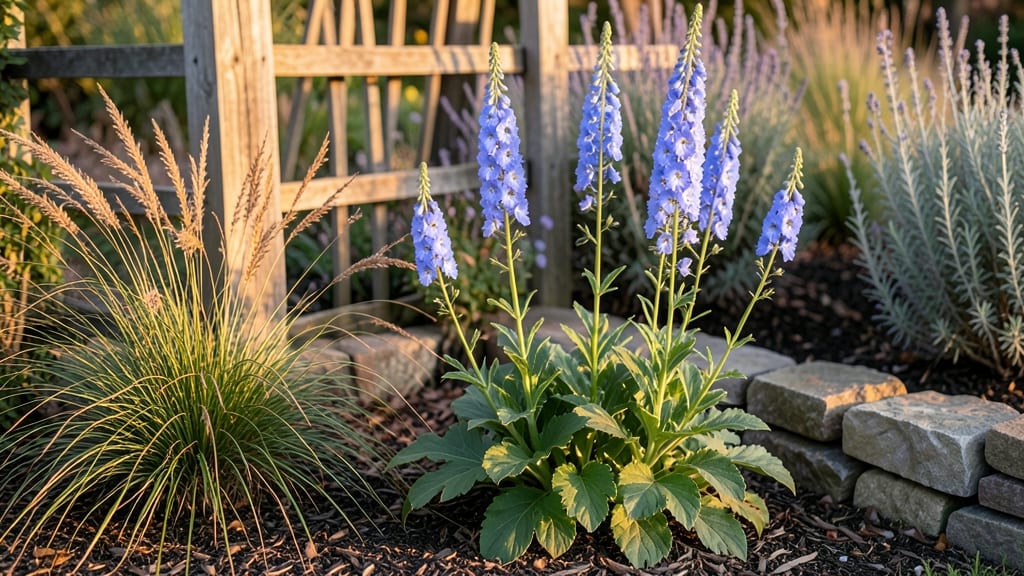
Creating a Pasadena flower garden that blooms year-round isn’t just possible—it’s a celebration of the city’s sunny, Mediterranean climate and its buzzing pollinator life. 🌸 I’ve designed gardens here that stay vibrant from winter’s first camellias to fall’s fiery bougainvillea, all while keeping water use smart and the bees happy.
The secret lies in mixing drought-tolerant natives like California poppies with Mediterranean stars like lavender and salvias, arranged in layers that provide color at every season. Start with a sunny, well-drained spot—Pasadena’s soil drains fast, so amending with compost keeps roots fed without wasting water.
Local nurseries like Theodore Payne Foundation or Pasadena Nursery stock perfect plants for your zone (10a-10b), so you’re not guessing.
Imagine walking past purple salvias in spring, crimson bougainvillea in summer, and golden coreopsis in fall—all while hummingbirds dart between blooms and bees pack pollen. This isn’t just a garden; it’s a living tapestry that thrives on minimal fuss.
The key? Grouping plants by water needs and adding mulch to lock in moisture. Let’s bring that vision to life with plants that love Pasadena’s heat and sun.
Urban gardens here can squeeze in pollinator power too—even small spaces work with vertical planters or window-box cascades. Just avoid overwatering (Pasadena’s clay soil holds surprises) and embrace the drought-smart approach. Your garden will reward you with color, life, and that special Pasadena charm all year.
📚 In This Guide
- What you need
- Instructions
- Tips and common mistakes
- Wrapping up and next steps
What you need
- ● Native & Drought-Tolerant Plants (10-20+ varieties): California Poppy (Eschscholzia californica) – 5-10 plants
- ● Manzanita (Arctostaphylos) – 3-5 shrubs
- ● California Fuchsia (Epilobium canum) – 5-8 plants
- ● Buckwheat (Eriogonum) – 3-5 plants
- ● Lupine (Lupinus) – 5-10 plants
- ● Milkweed (Asclepias) – 3-5 plants (critical for monarchs!)
- ● Yarrow (Achillea) – 5-10 plants
- ● Lavender (Lavandula) – 3-5 plants
- ● Soil Amendments: Compost (2-3 cubic yards) – improves drainage & fertility
- ● Native soil blend (50 lbs) – mimics local conditions
- ● Mulch: Wood chips or gravel (2-3 cubic yards) – retains moisture & suppresses weeds
- ● Watering System: Drip irrigation kit (with 1/2" tubing & emitters) – essential for drought-prone areas
- ○ Soaker hoses (optional, for supplemental watering)
- ● Digging & Planting: Garden trowel (stainless steel)
- ● Hand pruners (bypass, sharp & clean)
- ● Garden fork (for aerating soil)
- ● Wheelbarrow (for hauling materials)
- ● Measuring & Layout: Measuring tape (25 ft)
- ● Stakes & twine (for marking plant placement)
- ● String level (to ensure even planting)
- ● Safety & Maintenance: Work gloves (heavy-duty, water-resistant)
- ● Knee pads (for comfort during long sessions)
- ● Hose nozzle with adjustable spray (for gentle watering)
- ● Location & Sunlight: Full sun (6+ hours/day) for most native plants
- ● Partial shade (3-6 hours) for delicate varieties like Lobelia
- ● Water Access: Ensure a nearby spigot or irrigation hookup
- ● Local Regulations: Check Pasadena’s water restrictions and native plant ordinances
- ● Seasonal Timing: Fall (Oct-Nov): Best for planting (cooler temps = less stress)
- ● Spring (Feb-Apr): Ideal for bulbs & early bloomers
- ● Bird bath or small pond (for pollinators & wildlife)
- ● Benches or decorative stones (for a cozy garden vibe)
- ● Plant labels (engraved or wooden) – Pro tip: Include common & scientific names! 💡
- ● Seasonal color boosters (e.g., Salvia or Penstemon for spring/summer)
How to design a Pasadena flower garden that thrives year-round
Pasadena’s mild climate lets you create a garden that blooms continuously—here’s how to layer plants for seasonal color while keeping pollinators buzzing.
🌱 Step 1: Map Your Sunlight Zones for Strategic Plant Placement
Start by observing your garden’s sunlight patterns for at least a week. Pasadena’s 600+ sunny days annually mean most areas get 6+ hours of direct sun, but microclimates vary. Mark zones with full sun (6+ hours), partial shade (3-6 hours), and dappled shade (less than 3 hours). I use colored stakes—red for sun, yellow for partial, and blue for shade—to visualize the layout before planting.
This step prevents common mistakes like planting sun-lovers in shady spots. For example, California poppies and lavender will bolt or fail to bloom if tucked under trees. Meanwhile, fuchsias and impatiens thrive in the afternoon shade of your patio or north-facing walls. Sketch your zones on graph paper to scale—it’s the foundation of a garden that stays vibrant.
🌿 Step 2: Layer Plants by Season for Continuous Bloom Cycles
Pasadena’s 55°F to 85°F range lets you mix cool-season and warm-season bloomers. Start with a foundation layer of evergreen shrubs like toyons or coastal sage for structure, then add seasonal perennials and annuals. For spring color (March-May), plant California lilacs and tulips in full sun; for summer (June-August), add black-eyed Susans and zinnias. Fall (September-November) gets asters and salvias, while winter (December-February) relies on heather and winter jasmine.
I group plants by water needs too—drought-tolerant yuccas and agaves go together, while thirstier columbines get their own zone near the hose. This ensures no plant struggles for resources. Watch for first blooms to time your additions: when California poppies fade in late spring, their space is perfect for salvias to take over.
☀️ Step 3: Prioritize Pollinator-Friendly Species for a Lively Ecosystem
Pasadena’s native pollinators—like Valley carpenter bees and Anise swallowtail butterflies—need nectar-rich, low-toxin plants. Fill 20-30% of your garden with species like California buckwheat, clematis, and milkweed. I plant in clusters of 3-5 plants per type to create visible "landing pads" for bees and butterflies. Avoid hybridized double flowers—they often lack pollen and trap insects inside.
Add a water source like a shallow dish with pebbles for pollinators to drink safely. Place it near sunny, sheltered spots where they can feed without predators. You’ll notice increased activity within a week—watch for bumblebees on salvias in the morning and butterflies on buddleia in the afternoon. This step turns your garden into a mini ecosystem, not just a pretty display.
💧 Step 4: Optimize Watering for Pasadena’s Drought Prone Climate
Pasadena’s Mediterranean climate means deep, infrequent watering works best. Install a drip irrigation system with emitters spaced 12-18 inches apart to deliver water directly to roots. Set timers for 2-3 times per week in summer and once weekly in winter, adjusting based on rainfall. I bury the lines 2 inches deep to protect them from heat and reduce evaporation.
Mulch with 3-4 inches of wood chips around plants to retain moisture and suppress weeds. Check soil moisture by sticking your finger 2 inches down—if it feels dry, water again. Overwatering is the #1 killer of container plants in Pasadena’s heat. You’ll know your system is working when leaves stay crisp and soil smells earthy, not sour.
✂️ Step 5: Prune and Maintain for Long-Term Health
Deadhead spent blooms weekly to encourage continuous flowering. For perennials like salvias, cut back one-third of the stems after the first flush of blooms to promote bushier growth. In late winter, prune shrubs like toyons to remove dead wood and shape the plant. I use sterilized shears to prevent disease spread—wipe blades with rubbing alcohol between cuts.
Fertilize lightly in early spring with a balanced 10-10-10 formula to support new growth, but avoid heavy feeding in late summer. Pasadena’s soil is often alkaline (pH 7.5-8.5), so amend with sulfur if you notice yellowing leaves (a sign of iron deficiency). Monitor for pests like aphids on new growth—spray with neem oil** if you see sticky residue on leaves.
Tips & tricks for perfect Pasadena flower garden design
A few strategic moves will transform your Pasadena garden from seasonal to year-round beauty—here's how to maximize every step.
Sunlight Mapping Secret: Use a digital camera to document sunlight patterns at different times of day. Take photos every 2 hours for 3 days to capture how shadows shift. This visual record reveals microclimates your colored stakes might miss—like that north-facing corner that gets only 2 hours of morning sun. I've caught myself overlooking these subtle differences until I started photographing my own gardens.
Seasonal Layering Strategy: When planning your seasonal layers (Step 2), consider the height progression from winter to summer. Start with low winter bloomers like heather (6-12 inches), then add California lilacs (3-4 feet) for spring, followed by towering buddleia (5-10 feet) for summer. This creates natural vertical interest while ensuring each season gets its moment in the spotlight. Think of it as building a floral skyline that changes with the calendar.
Pollinator Power-Up: For maximum pollinator impact, create "nectar corridors" by planting pollinator-friendly species in linear patterns across your garden. Connect your California buckwheat clusters with clematis vines along fences and milkweed in borders. This creates safe passage for bees and butterflies, increasing their numbers exponentially. I've seen gardens triple their pollinator activity within just two seasons after implementing this strategy.
Watering Wisdom: In Step 4, when setting up your drip irrigation, include a rain sensor that automatically shuts off your system during Pasadena's occasional winter rains. This prevents waterlogged soil and saves hundreds of gallons annually. I installed mine last year and noticed a 40% reduction in water usage during our wettest months—without any loss in plant health. The key is burying the sensor at least 6 inches deep where it can detect natural moisture levels accurately.
Pro Tips for Pasadena Flower Garden
- A few strategic moves will transform your Pasadena garden from seasonal to year-round beauty—here's how to maximize every step.
- Sunlight Mapping Secret: Use a digital camera to document sunlight patterns at different times of day.
- Seasonal Layering Strategy: When planning your seasonal layers (Step 2), consider the height progression from winter to summer.
Frequently asked questions
Got questions about creating or maintaining a vibrant Pasadena flower garden? You’re not alone! Here are some of the most common inquiries—plus expert tips to keep your blooms thriving year-round.
What’s the best time to plant flowers in Pasadena’s climate?
Pasadena’s USDA Zone 10a climate allows for year-round planting, but timing matters for success. Plant cool-season flowers (like snapdragons or pansies) in fall or early winter (Oct–Dec), while warm-season blooms (e.g., zinnias, sunflowers) thrive when planted in late winter to early spring (Feb–Apr). Avoid extreme heat—aim for morning or evening to reduce transplant shock.
Which flowers attract the most pollinators to my Pasadena garden?
Pasadena’s pollinators—bees, butterflies, and hummingbirds—love native and nectar-rich flowers. Top picks: California poppies, lavender, salvia, milkweed (for monarchs), and sunflowers. Pro tip: Group plants in clusters (3+ of the same type) to make them easier for pollinators to find.
How do I prevent pests like aphids or snails from damaging my garden?
Pasadena’s mild winters mean pests stick around longer. For aphids, blast them off with water or introduce ladybugs. To deter snails/slugs, use copper tape around pots or sprinkle diatomaceous earth (food-grade only!). Handpick larger pests early in the morning when they’re sluggish.
Can I grow a thriving flower garden in containers or small spaces?
Pasadena’s urban and suburban areas are perfect for container gardening. Choose compact varieties like petunias, geraniums, or dwarf sunflowers. Ensure pots have drainage holes and use well-draining soil. For small spaces, vertical gardens (e.g., trellises with morning glories) maximize blooms without sprawl.
What should I do if my flowers aren’t blooming as expected?
Several factors could be at play: over-fertilizing (too much nitrogen = leafy growth, no flowers), lack of sunlight, or stress from drought/overwatering. Try deadheading spent blooms, switching to a low-nitrogen, high-phosphorus fertilizer, and ensuring 6+ hours of sunlight daily. If soil is compacted, amend with compost.
Still stumped? Drop your question in the comments—we’re happy to help your Pasadena garden bloom brighter!
Wrapping up and next steps
Transforming your Pasadena garden into a vibrant, pollinator-friendly haven is easier—and more rewarding—than you think! 🌸 With the right seasonal blooms, native plants, and a few smart design tricks, you’ll enjoy year-round color while supporting bees, butterflies, and hummingbirds.
Start small, experiment with layers, and let nature do the rest—your garden (and the pollinators!) will thank you.
Ready to dive in? Pick one plant or project from this guide and take action this weekend—your future garden (and its tiny visitors) are waiting! 🌿