Flowers
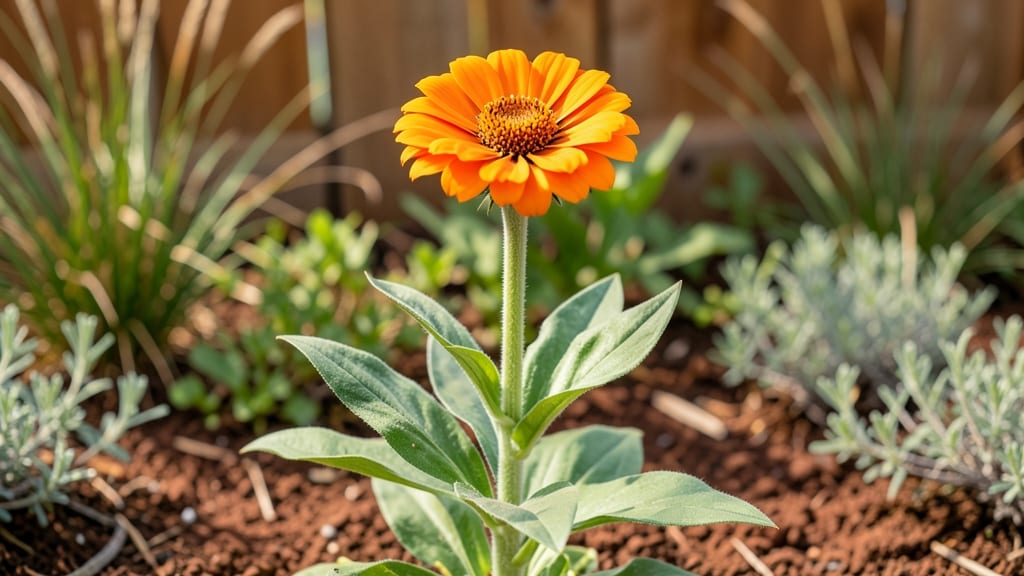
Bright orange zinnias burst into shade-friendly summer color when most flowers fade—my garden’s secret weapon for dappled-light spots. 🌿 These cheerful blooms thrive where others struggle, offering weeks of effortless beauty with just the right soil prep and a little deadheading.
The key? Part sun, rich soil, and knowing when to trim for that second flush of flowers.
You’ll need well-draining soil (amend with compost if yours is heavy), 6-12 inches of spacing between plants, and a spot that gets at least 3-4 hours of sunlight daily. Plant seeds directly after the last frost or start indoors 6-8 weeks early.
Water consistently but avoid soggy soil—zinnias hate wet feet. A light mulch keeps roots cool and conserves moisture, especially in hot afternoons.
Prune spent blooms regularly to encourage more flowers, and watch for aphids or powdery mildew—both dislike airflow, so space plants properly. Pair orange zinnias with purple salvias or silver foliage for a stunning contrast that pops in partial shade.
By midsummer, you’ll have a nonstop display that’s the talk of the neighborhood.
Perfect for borders, containers, or cutting gardens—these zinnias deliver bold color with minimal fuss. Whether you’re filling a shady corner or brightening a patio, they’re the shade-lover’s dream. Let’s get those seeds in the ground!
📚 In This Guide
- What you need
- Instructions
- Tips and common mistakes
- Wrapping up and next steps
What you need
- ● Orange Zinnia Seeds or Plants: Seeds: 1–2 packets (50–100 seeds per packet) for a small garden patch.
- ● Plants: 3–5 nursery-grown seedlings (6+ inches tall) for faster blooms.
- ● Well-Draining Soil: 1–2 bags of potting mix or garden soil amended with compost (avoid heavy clay).
- ● Containers or Garden Bed: Containers: 5–6-inch pots (1 per plant) or a raised bed (at least 12" deep).
- ● Garden Bed: Full sun to partial shade (3–6 hours of light daily).
- ● Watering Can or Hose: With a gentle spray nozzle to avoid disturbing seedlings.
- ● Fertilizer: Balanced 10-10-10 or organic compost tea (1 tbsp per plant monthly).
- ● Gloves (to protect hands from prickly stems).
- ● Trowel (for transplanting seedlings).
- ● Mulch (straw or shredded leaves to retain moisture).
- ● Pruning Shears (to deadhead spent blooms and encourage new growth).
- ● Shade Cloth (30–50% coverage if your garden gets intense afternoon sun).
- ● Patience! Zinnias germinate in 7–14 days and bloom in 60–70 days from seed.
- ● Consistent moisture (keep soil evenly damp, not soggy).
- ● Protection from strong winds (young plants are delicate!).
Step-by-step instructions for cultivating vibrant orange zinnias in shaded spaces
Here's how to coax bold, sun-kissed blooms from zinnias that thrive even where sunlight is scarce.
🌱 Step 1: Choose the Right Location and Soil Conditions
Zinnias adore partial shade—think 3-6 hours of morning sun with afternoon dappled light or filtered shade from trees. Avoid deep shade; your plants will stretch and produce fewer blooms. I test spots by watching how quickly a white sheet dries—if it's bone dry by midday, the area gets too much sun.
Amend your soil with 2-3 inches of compost before planting. Zinnias hate soggy roots, so if your soil drains poorly, mix in sand or perlite to create air pockets. The ideal soil feels like a damp sponge—light enough for roots to spread but holding moisture without pooling.
🌱 Step 2: Plant Seeds at the Correct Depth and Spacing
Direct-sow seeds ¼ inch deep after the last frost when soil reaches 60°F. I use a seed spacing chart to place seeds 12-18 inches apart—crowding leads to weak stems and fewer blooms. Tap the soil gently after planting to ensure good seed-to-soil contact, then water lightly with a fine mist.
Real talk: Zinnia seeds are tiny, so I sprinkle them over a 1-inch layer of sand first. This makes them easier to see and space evenly. Cover the area with 1 inch of mulch (straw or shredded leaves) to retain moisture and deter weeds.
☀️ Step 3: Provide Supplemental Light and Water Strategically
Even shade-loving zinnias need bright, indirect light to produce vibrant orange blooms. If your garden spot lacks morning sun, supplement with a grow light (12-14 hours daily) placed 18-24 inches above the plants. Watch for leggy growth—a sign the light is too far away.
Water deeply 1-2 times per week, aiming for 1 inch of moisture total. The key is consistency: Let the top 1-2 inches of soil dry out between waterings. Overwatering causes root rot, while underwatering stresses plants and dulls their color. I use a rain gauge to track weekly rainfall and adjust accordingly.
✂️ Step 4: Deadhead and Prune for Continuous Blooms
This is the moment that matters: Deadhead spent blooms weekly by pinching off faded flowers with your fingers. This encourages more vibrant new buds to form. I also trim back leggy stems to just above a set of leaves—this redirects energy to bushier growth and prevents flopping.
For a purple canopy effect, let a few stems grow taller than others. These will act as natural supports for trailing varieties. If you notice yellowing leaves, it’s usually a sign of overwatering—zinnias prefer slightly dry conditions over soggy soil.
🌿 Step 5: Fertilize Lightly and Protect from Pests
Zinnias are light feeders, so I apply a balanced 10-10-10 fertilizer once at planting and again mid-season. Too much nitrogen leads to lush foliage but fewer blooms. I also sprinkle granular compost around the base monthly to replenish nutrients.
Watch for aphids or spider mites, which love zinnias. I spray plants with neem oil weekly as a preventative. If you see chewed leaves, handpick caterpillars early in the morning when they’re sluggish. Aphids leave a sticky residue—wipe it off with a damp cloth to keep blooms pristine.
Tips & tricks for perfect orange zinnias in shade
Here's what nobody tells you about growing zinnias that pop with color even in shady spots.
Light Strategy: The 3-6 hours of morning sun is non-negotiable for those vibrant orange blooms—it's the golden hour for zinnias. If your spot only gets 2 hours, supplement with a grow light positioned 18-24 inches above for those critical 12-14 hours daily. I use a LED grow light on a timer to avoid forgetting, and trust me, the difference in bloom intensity is night and day.
Soil Science: That 2-3 inches of compost isn't just filler—it's the secret to happy roots. Mix in sand or perlite if your soil feels heavy when squeezed. I test drainage by filling a cup with soil and water—if it takes more than 10 minutes to drain, you need more amendments. Zinnias hate soggy feet, but they'll thrive in soil that drains like a well-wrung sponge.
Planting Precision: Those ¼-inch deep seeds are tiny, so here's my trick: Sprinkle them over a 1-inch layer of sand first—it creates a perfect visual guide and prevents overcrowding. The 12-18 inch spacing might feel generous, but crowded zinnias stretch toward light and produce fewer blooms. Think of it as giving each plant its own personal sunspot.
Watering Wisdom: The 1-2 times per week rule works, but timing matters more. Water deeply in the morning so leaves have all day to dry—wet foliage invites pests. I use a rain gauge to track my weekly inch of water, and adjust when we get heavy rainfall. The top 1-2 inches drying out between waterings is your moisture sweet spot for vibrant blooms.
Pro Tips for Orange Zinnia Flower
- Here's what nobody tells you about growing zinnias that pop with color even in shady spots.
- Light Strategy: The 3-6 hours of morning sun is non-negotiable for those vibrant orange blooms—it's the golden hour f...
- Soil Science: That 2-3 inches of compost isn't just filler—it's the secret to happy roots. Mix in sand or perlite if ...
Frequently asked questions
Got questions about growing orange zinnia flowers? You’re in the right place! Whether you're a beginner or a seasoned gardener, these answers will help you cultivate stunning blooms with ease. Let’s dive in!
Can orange zinnias grow in partial shade?
Yes! While zinnias thrive in full sun, orange varieties (like 'Benary’s Giant' or 'Crystal') tolerate partial shade (4–6 hours of sunlight daily). Just expect slightly smaller blooms. For shade gardens, prioritize well-draining soil and consistent moisture to keep them happy.
How long does it take for orange zinnias to flower?
From seed, expect 60–70 days to first bloom in warm climates. In cooler zones, start seeds indoors 8–10 weeks before the last frost. Pro tip: Deadhead spent blooms to encourage nonstop flowers all season!
Are orange zinnias annuals or perennials?
Orange zinnias are annuals in most U.S. zones (they die back in winter). However, in Zones 9–11, they may self-seed or return as short-lived perennials. Save seeds from your healthiest blooms for next year’s garden!
What pests or diseases should I watch for?
Common issues include:
- Aphids: Spray with soapy water or introduce ladybugs.
- Powdery mildew: Improve airflow and avoid overhead watering.
- Japanese beetles: Handpick or use neem oil early.
Healthy plants with full sun + balanced fertilizer resist pests best!
What’s a good alternative if orange zinnias don’t thrive?
Try these shade-tolerant, orange-blooming alternatives:
Plant
Sun Needs
Height
Calendula ('Pot Marigold')
Partial shade to sun
12–24"
Coleus ('Orange varieties')
Shade to partial sun
12–18"
Impatiens ('Orange Jewel')
Shade-loving
6–12"
All three are low-maintenance and add vibrant pops of color!
Wrapping up and next steps
The orange zinnia isn’t just a burst of color—it’s a statement for your shade garden! With the right soil, patience, and a little creativity, you can transform even the trickiest spots into a vibrant, low-maintenance paradise.
Whether you’re a seasoned gardener or a beginner, these tips make it easier than ever to grow purple canopy magic right at your doorstep.
Ready to take the next step? Start by picking your favorite orange zinnia variety and grab your supplies—your garden (and pollinators!) will thank you. 🌱 Plant your first seeds today and watch your shade garden bloom with confidence!