
Shrubs
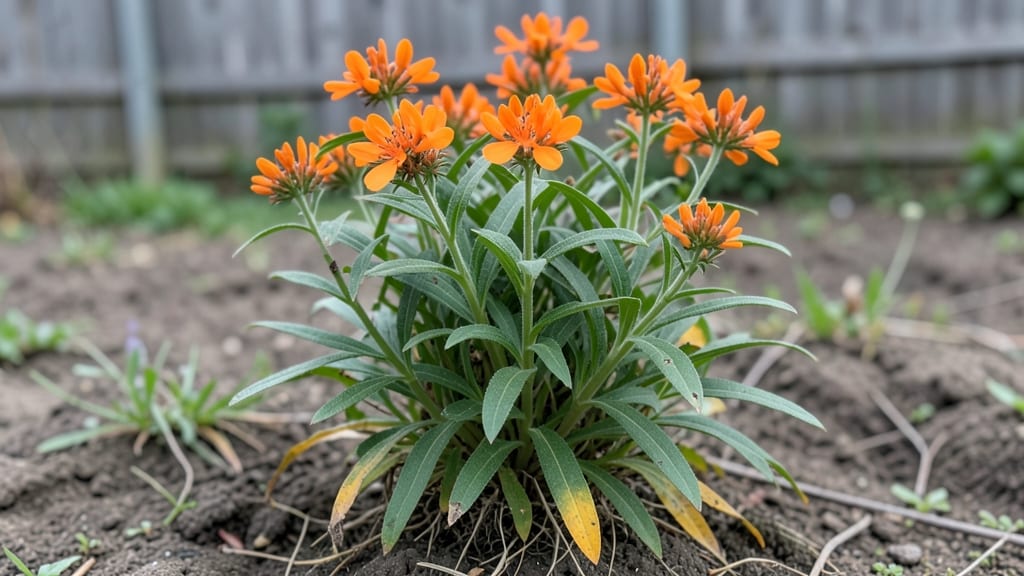
Growing orange-flowered milkweed transforms your garden into a monarch butterfly superhighway—bright blooms that feed caterpillars and fill the air with a honeyed scent. I planted my first patch last spring after watching monarchs vanish from my neighborhood, and within weeks, the plants were buzzing with activity.
The secret isn’t complicated: this tough native shrub thrives on neglect once established, but it rewards you with three months of vibrant color and a garden that hums with life.
Start with well-draining soil and full sun—six hours daily—and you’ll see those iconic orange flowers appear by early summer. Water lightly after planting, then let nature take over; drought-tolerant once rooted, it handles dry spells better than most perennials.
The real magic happens when monarchs lay eggs on the leaves, and you’ll spot tiny caterpillars munching away—proof your garden is doing its part for pollinators. Just avoid heavy clay or soggy spots, and you’re golden.
By midsummer, your plants will be covered in blooms, attracting bees, butterflies, and even hummingbirds. The fragrance lingers in the evening, making it a standout in any border.
Prune back dead stems in early spring to encourage fresh growth, and watch as the cycle repeats—year after year of effortless beauty. This isn’t just a plant; it’s a lifeline for declining ecosystems, and it’s easier to grow than you’d think.
Perfect for sunny borders, meadow-style gardens, or even container plantings in warm climates. Once established, it spreads slowly but steadily, creating a self-sustaining pollinator oasis that requires almost no maintenance.
The only challenge? Resisting the urge to move it—every gardener who plants one ends up wanting more. Let’s get yours growing!
📚 In This Guide
- What you need
- Instructions
- Tips and common mistakes
- Wrapping up and next steps
What you need
- ● Orange flowered milkweed seeds – 10–20 seeds (or 1–2 starter plants from a nursery). Pro tip: Choose heirloom or native varieties for best pollinator support! 🌡️
- ● Well-draining potting mix – 2–3 gallons (for seed starting) or native soil amended with compost (for direct planting). Skip heavy clay!
- ○ Seed-starting trays or small pots (3–4 inches deep) – 10–12 units (if starting indoors). Optional: Use biodegradable peat pots to avoid transplant shock. ✨
- ● Garden soil – 1 cubic yard (if planting directly outdoors). Test soil pH (ideal: 6.0–7.0).
- ● Hand trowel – For transplanting seedlings or digging holes (6–8 inches deep).
- ● Watering can or hose with a gentle spray nozzle – Keep soil moist but not soggy.
- ● Garden gloves – Protect your hands from milkweed sap (can irritate skin).
- ○ Mulch (optional) – 2–3 inches of pine straw or shredded leaves to retain moisture and deter weeds.
- ● Pruners (sterilized) – For trimming dead blooms or leggy stems later in the season. ⏰
- ● Sunlight – A full-sun location (6+ hours of direct sunlight daily). Partial shade may reduce blooms.
- ● Drought tolerance – Once established, milkweed thrives in dry conditions (water deeply 1–2x/week for the first year).
- ● Pollinator-friendly zone – Native to USDA Zones 3–9. Check local regulations if planting near wild areas (some states restrict non-native species).
Step-by-Step guide to planting and cultivating orange flowered milkweed
Here's how to establish a thriving patch of this vibrant pollinator favorite in your garden.
Select and Prepare the Planting Site
Orange flowered milkweed (Asclepias tuberosa) thrives in full sun with at least 6 hours of direct light daily. Choose a location with well-draining soil—this species despises soggy conditions. If your soil is heavy clay, amend it with 2-3 inches of coarse sand or perlite mixed into the top 12 inches of soil to improve drainage.
This milkweed is drought-tolerant once established, but young plants need consistent moisture. Test your site by digging a 6-inch hole—if water pools instead of draining within 30 minutes, improve drainage before planting. I like to work in a 5-10% sand mixture for the first planting season to give roots a head start.
Plant Bare-Root Seedlings or Transplants
For best results, plant 2-3 year-old bare-root seedlings in early spring or fall when temperatures are mild (50-70°F). Dig a hole twice as wide as the root ball but only as deep—planting too deep suffocates the crown. Gently loosen the roots if they’re circling and position the plant so the top of the root ball sits just below soil level. This prevents rot while allowing the crown to access air.
Backfill with native soil, pressing lightly to remove air pockets but not compacting. Water deeply to settle the soil around roots, then create a 2-inch deep watering basin around the base. Space plants 18-24 inches apart—they’ll spread over time, but crowding invites disease. Mulch with 2 inches of shredded bark to conserve moisture and suppress weeds, but keep mulch 3 inches away from the stem to prevent rot.
Water and Establish New Plants
Keep the soil evenly moist but not soggy for the first 6-8 weeks after planting. Water deeply 2-3 times per week, aiming for 1 inch of water per week. You’ll know you’re on track when the soil feels damp 2 inches below the surface—stick your finger in to check. Overwatering is the fastest way to kill milkweed; let the top 1-2 inches of soil dry out between waterings once established.
Fertilizer isn’t necessary—milkweed prefers lean soil. In fact, too much nitrogen produces lush foliage at the expense of flowers. If your soil is extremely poor, apply ½ cup of 5-10-5 slow-release fertilizer at planting, but skip additional feedings. Watch for bright green, healthy leaves as your signal that the plant is thriving. Yellowing leaves usually mean overwatering or poor drainage.
Support Pollinators Through the Growing Season
Once established, milkweed requires minimal care beyond seasonal pruning. In early spring, trim back dead foliage to 6 inches tall to encourage new growth. Deadhead spent flower clusters in late summer to prolong blooming, but leave some seed pods for monarchs—they rely on them for overwintering. The fragrant orange blooms appear in late spring to early summer, attracting butterflies, bees, and hummingbirds in droves.
This perennial spreads via underground rhizomes, so expect gradual expansion. Divide clumps every 3-4 years in early spring by digging up the root mass, separating sections with a clean knife, and replanting. Orange milkweed is deer-resistant, making it a low-maintenance choice for wildlife gardens. Just avoid using herbicides—milkweed is highly sensitive to chemical sprays.
Overwinter and Prepare for Next Year’s Blooms
In USDA Zones 3-9, milkweed is hardy to -20°F, but young plants benefit from a 2-inch layer of mulch in winter to insulate roots. In Zone 10, where winters are mild, reduce watering in late fall to allow foliage to die back naturally. This protects the plant from fungal diseases that thrive in damp conditions.
Prune back dead stems in late winter before new growth emerges. The first flush of bright orange flower buds appears in early spring, signaling it’s time to thin out overcrowded areas. I always mark my best-performing plants with orange garden flags—they’re the ones that produce the most blooms and attract the most monarchs.
Tips & tricks for perfect orange flowered milkweed cultivation
These insights will help you create an ideal environment for your orange flowered milkweed to thrive and attract pollinators like never before.
Site Selection Insight: When testing your soil's drainage in Step 1, I recommend using a simple bucket test: Dig your 6-inch hole, fill it with water, then time how long it takes to drain completely. If it takes longer than 30 minutes, you'll need to add more sand or perlite to that 12-inch soil layer. The goal is to mimic the dry, sandy conditions where milkweed naturally thrives in its native prairie habitats.
Planting Depth Precision: In Step 2, that "just below soil level" positioning for the root ball is critical—it's the difference between a thriving plant and one that struggles with crown rot. I use a simple trick: After planting, gently press the soil around the base and look for the soil line to be exactly at the top of the root ball. This subtle elevation prevents water from pooling against the stem during those crucial first 6-8 weeks.
Watering Strategy: The 1-inch weekly watering guideline in Step 3 works beautifully, but I've found that timing matters just as much as quantity. Water in the early morning so the foliage has all day to dry, reducing fungal risks. And here's a pro tip: Use a rain gauge or measuring cup to track your watering—eyeballing can lead to either underwatering or the dreaded overwatering that causes yellowing leaves.
Seasonal Maintenance: That 3-4 year division schedule in Step 4 is perfect timing for when milkweed's rhizomes naturally become crowded. I mark my calendar to divide in early spring because the plant's energy is focused on new growth rather than seed production. Just be gentle with that clean knife—you're separating living tissue, not chopping wood!
Pro Tips for Orange Flowered Milkweed
- These insights will help you create an ideal environment for your orange flowered milkweed to thrive and attract pollinators like never before.
- Site Selection Insight: When testing your soil's drainage in Step 1, I recommend using a simple bucket test: Dig your 6-inch hole, fill it with water, then time how long it takes to drain completely.
- Planting Depth Precision: In Step 2, that "just below soil level" positioning for the root ball is critical—it's the difference between a thriving plant and one that struggles with crown rot.
Frequently asked questions
Is orange flowered milkweed easy to grow for beginners?
This milkweed variety thrives in USDA Zones 3–9 and adapts to poor soil, drought, and full sun. Just plant seeds or transplants in spring or fall, and water occasionally until established. Pro tip: It’s perennial in most climates, so once planted, it’ll return year after year!
Why aren’t monarch butterflies visiting my orange milkweed?
Monarchs love all milkweeds, but timing matters! Plant in early spring for the best results, as caterpillars emerge when flowers appear. If no visitors show up, check for pesticides (neonicotinoids are a no-go) or nearby predators like birds. Bonus: Hummingbirds and bees adore the blooms too!
How long does it take for orange milkweed to bloom?
From seed, expect 60–90 days to first blooms (faster with transplants). Once established, it blooms continuously from late spring to fall—a pollinator buffet! For instant color, opt for 1-gallon container-grown plants, which may flower within 4–6 weeks of planting.
Can I grow orange milkweed in containers?
Yes! Use a 5+ gallon pot with drainage holes and well-draining soil. Place in full sun and water when the top inch of soil dries. Warning: It spreads via seed pods—plant in a pot with a deep saucer to contain seeds or harvest them for next year’s garden!
What should I do if my milkweed gets powdery mildew?
Powdery mildew (a white fuzzy coating) thrives in humid, shaded spots. Improve airflow by spacing plants 18–24 inches apart and water at the base (avoid overhead sprinkling). For mild cases, neem oil or a baking soda spray (1 tsp baking soda + 1 quart water + drop of soap) helps. Prevent it: Plant in sunny locations with good drainage.
Are there orange milkweed alternatives with similar pollinator benefits?
If you love the look but want variety, try:
- ‘Hello Yellow’ milkweed (Asclepias tuberosa) – Bright yellow blooms, equally drought-tolerant.
- Swamp milkweed (Asclepias incarnata) – Pink flowers, loves moist soil.
- Butterfly weed (same as orange milkweed!) – Just a different common name!
Note: All milkweeds support monarchs, but orange is the showstopper for color!
Wrapping up and next steps
Orange flowered milkweed isn’t just a stunning addition to your garden—it’s a powerhouse for pollinators and a fragrant, low-maintenance shrub that thrives all summer long. 🌸 Whether you're drawn to its vibrant blooms, its role in supporting monarch butterflies, or its easy-care nature, this plant proves that beauty and function go hand in hand.
Ready to transform your outdoor space? Start by selecting the perfect spot, gathering your materials, and planting with confidence—your garden (and the pollinators!) will thank you.