Shrubs
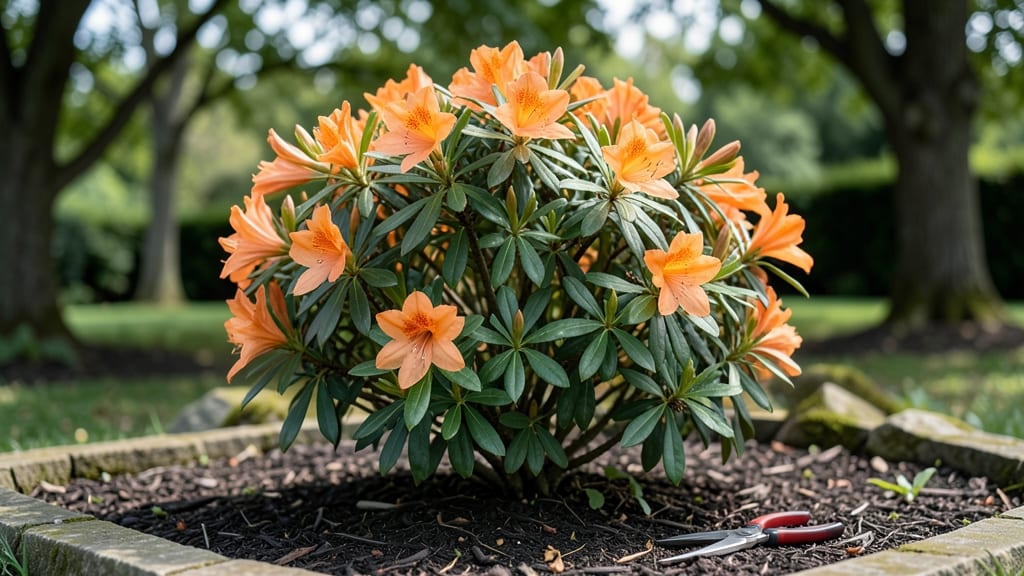
Orange flowered azaleas turn your garden into a hummingbird magnet with their fiery blooms and sweet fragrance. 🌸 I planted mine last spring near the patio, and now they’re the star of the summer show—bright orange clusters that brighten even the shadiest spots.
The secret lies in their placement: they thrive where other shrubs struggle, adding bold color without demanding full sun.
Pair them with deep green hostas or silvery lamb’s ear to make their orange pop, or tuck them alongside hydrangeas for a layered, textured look. In cottage gardens, they soften borders with their cascading blooms, while modern landscapes use them as a striking focal point near pathways.
Their fragrant flowers also lure hummingbirds, turning your yard into a lively summer hub.
Care is simple once you know their quirks: keep soil moist but well-draining, mulch to protect roots, and prune right after blooming. They reward patience with years of vibrant color, even in partial shade.
The key is matching them with the right neighbors—plants that complement their height, texture, and seasonal interest.
Whether you’re designing a shade garden, a pollinator-friendly retreat, or a low-maintenance border, these azaleas deliver drama with minimal fuss. Let’s make your garden shine with their fiery charm while keeping care effortless. The best part? Their fragrance lingers long after the blooms fade.
📚 In This Guide
- What you need
- Instructions
- Tips and common mistakes
- Wrapping up and next steps
What you need
- ● Orange-flowered azalea plants: 1–3 mature plants (3–5 gallons in size) or 5–10 young nursery-grown seedlings (1-gallon containers). Choose Rhododendron varieties like 'Girard’s Orange' or 'Orange Rocket' for bold color.
- ● Well-draining acidic soil: 5–10 bags of peat moss or pine bark fines (per cubic yard of soil) to amend clay or alkaline soil. Aim for a pH of 4.5–6.0.
- ● Organic mulch: 2–3 inches of pine straw or wood chips (cypress or oak) to retain moisture and suppress weeds.
- ● Slow-release fertilizer: 1–2 pounds of azalea-specific 8-3-8 or 10-6-8 fertilizer (e.g., Miracle-Gro Azalea, Camellia & Rhododendron Food).
- ○ Watering supplies: Garden hose with soaker hose or drip irrigation (optional but ideal for deep watering).
- ● Pruning tools: Bypass pruners (for clean cuts) and sterilizing alcohol (to prevent disease).
- ● Garden gloves (to protect hands from thorns and soil).
- ● Trowel or spade (for planting holes, 2–3x wider than the root ball).
- ● Lime sulfur or copper fungicide (preventative treatment if your area has phytophthora or fungal risks).
- ● Hummingbird-friendly companions: 1–2 salvia or bee balm plants to extend pollinator appeal.
- ● Stakes & twine (if planting in windy areas or for young, top-heavy azaleas).
How to plant and care for orange flowered azaleas
Here's the simple approach I use to keep these stunning shrubs thriving for years.
🪴 Step 1: Choose the Perfect Planting Location
Orange azaleas need partial shade—think morning sun with afternoon shade—to protect their delicate blooms from scorching. I always plant mine where they get 3-4 hours of direct sunlight daily, typically on the east side of the house or under tall evergreens that filter harsh afternoon rays.
Check the soil pH before planting—azaleas demand acidic soil between 5.0 and 6.0. If your soil tests higher, amend it with 2-3 inches of peat moss mixed into the top 12 inches of soil. The roots will thank you with vibrant blooms next spring.
🌱 Step 2: Dig and Prepare the Planting Hole
Dig a hole twice as wide as the azalea's root ball but only as deep as the container it came in. This prevents burying the stem too deeply, which can suffocate the plant. Gently loosen the roots if they're circling in the container—just tease them apart with your fingers, no need to force them.
Mix the removed soil with 2 parts native soil and 1 part peat moss to maintain acidity. Place the azalea in the hole so the top of the root ball sits 1 inch above ground level. This slight elevation prevents water from pooling around the stem, which causes rot. I always double-check by comparing the root ball's top to the surrounding soil line.
💧 Step 3: Water Thoroughly and Mulch Properly
After planting, water the azalea deeply—about 1 gallon per plant—to settle the soil around the roots. Let the water soak in completely, then add 2-3 inches of pine bark mulch around the base, keeping it 3 inches away from the stem. Mulch helps retain moisture and keeps roots cool, but too much right against the stem traps dampness and invites disease.
Water twice weekly for the first month, then taper to once weekly once established. You'll know it's time to water when the top 2 inches of soil feel dry. Azaleas hate soggy roots, so always let the top layer dry out between waterings—this prevents root rot while keeping them hydrated.
☀️ Step 4: Feed and Prune for Continuous Blooms
Feed azaleas in early spring with an acid-loving plant fertilizer (look for one labeled for rhododendrons or azaleas). I use ½ the recommended dose to avoid burning the roots. Follow up with a second feeding in late summer to encourage next year's buds. Never fertilize in fall or winter—this can stimulate tender new growth that won't survive cold snaps.
Prune azaleas right after flowering to shape the shrub and remove any dead or crossing branches. Cut back to just above a leaf bud or outward-growing branch. Avoid heavy pruning—azaleas bloom on old wood, so pruning too aggressively reduces next year's flowers. I never trim more than ⅓ of the plant's height in a single season.
Tips & tricks for perfect orange flowered azaleas
Here's what nobody tells you about keeping these vibrant shrubs thriving for years to come.
Location is Everything: That 3-4 hours of morning sun is critical for those stunning orange blooms. I've seen azaleas planted in full sun wilt by afternoon—leaves turn crispy and flowers fade fast. If your yard only gets harsh afternoon sun, consider planting near a north-facing wall or under deciduous trees that provide shade in summer but let light through in winter.
Soil pH Check: Don't skip the soil test! Azaleas are divas about acidity. If your soil tests above 6.0, mix in that 2-3 inches of peat moss into the top 12 inches as instructed, but go the extra mile by testing again after amending. I've seen azaleas struggle for years because gardeners assumed their soil was acidic enough—always double-check. The difference in bloom intensity is night and day.
Root Care Matters: When loosening those circling roots in Step 2, be gentle—you're not trying to pull them apart like taffy. Just tease them with your fingers until they spread naturally. I've made the mistake of being too aggressive and actually damaged the delicate feeder roots. Also, that 1-inch elevation above ground level is crucial—it's the difference between thriving plants and ones that develop stem rot.
Watering Wisdom: The twice-weekly watering for the first month isn't just about keeping roots hydrated—it's about establishing good habits. After that initial period, let the top 2 inches dry out between waterings, but don't let the soil become bone-dry. I've found that using a moisture meter near the roots gives the most accurate reading. And remember, those 3 inches of mulch should stay clear of the stem—it's a common mistake that leads to fungal issues.
Pro Tips for Orange Flowered Azalea
- Here's what nobody tells you about keeping these vibrant shrubs thriving for years to come.
- Location is Everything: That 3-4 hours of morning sun is critical for those stunning orange blooms.
- Soil pH Check: Don't skip the soil test!
Frequently asked questions
about orange-flowered azaleas—because every gardener deserves clarity before diving in!When is the best time to plant orange-flowered azaleas?
The ideal time to plant them is in early spring or fall, when temperatures are mild (50–70°F). This gives roots time to establish before extreme heat or cold sets in. Avoid planting in summer—azaleas hate transplant shock from drought or scorching sun!
Why aren’t my orange azaleas attracting hummingbirds like they should?
Hummingbirds love bright orange blooms, but a few factors might be at play:
- Timing: Ensure they’re in full bloom (spring/summer).
- Nectar: Healthy flowers = more nectar. Fertilize lightly with acidic plant food.
- Location: Plant near feeders or open areas for easy access.
- Pests: Check for aphids—they can deter birds!
How often should I water orange-flowered azaleas?
Keep the soil consistently moist but not soggy, especially the first year. Water deeply 2–3 times per week in dry spells, then taper to once a week once established. Mulch helps retain moisture—just keep it 2–3 inches away from the trunk to avoid rot. Pro tip: Drip irrigation works wonders!
Are orange azaleas toxic to pets or kids?
Yes! All azaleas contain grayanotoxins, which can cause vomiting, drooling, or lethargy if ingested. Keep them out of reach of curious pets or children. If accidental exposure occurs, contact your vet or ASPCA Poison Control immediately.
Can I grow orange azaleas in containers instead of the ground?
Just choose a large pot (15+ gallons) with drainage holes and use acidic, well-draining potting mix. Move containers to partial shade in summer and water frequently. Bonus: Container azaleas bloom even more prolifically because they’re not competing with grass roots!
Why are my azalea leaves turning yellow?
Yellow leaves usually signal overwatering, nutrient deficiency, or pH issues. Check:
- Soil pH: Azaleas thrive in acidic soil (4.5–5.5). Test with a kit or add sulfur if needed.
- Watering: Yellowing edges = too much water; uniform yellow = root rot.
- Fertilizer: Lack of iron (yellow between veins) or nitrogen (pale green) may be the culprit.
Wrapping up and next steps
Transforming your garden into a vibrant, hummingbird haven with orange-flowered azaleas is easier—and more rewarding—than you think! 🌸 These stunning shrubs bring color, fragrance, and life to any outdoor space while supporting local wildlife. Whether you’re a seasoned gardener or just starting, their low-maintenance charm makes them a perfect addition.
Ready to dive in? Start by choosing the right variety for your climate, then plant with confidence—your future blooms (and feathered visitors) will thank you! 🐦⬛🌿