Flowers
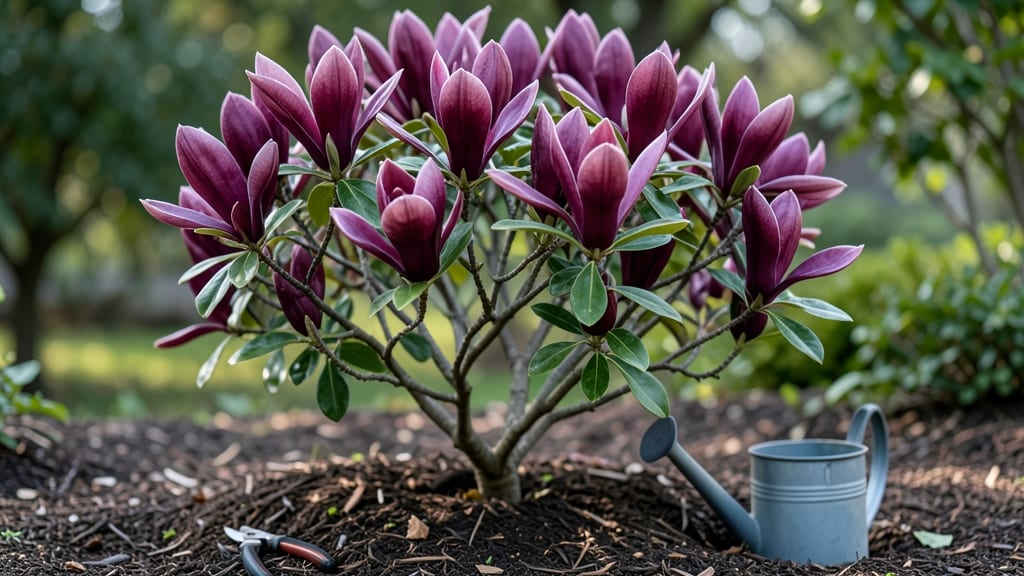
Purple magnolia blooms turn your garden into a fragrant masterpiece—especially in humid climates where their rich color and intoxicating scent truly shine. 🌿 I’ve seen these dramatic flowers transform even the most ordinary landscapes into showstoppers, with varieties like Magnolia 'Black Tulip' and Magnolia 'Jane' stealing the spotlight.
Their deep purple petals contrast beautifully against glossy evergreen foliage, creating a striking focal point that draws the eye all season long.
The best part? These magnolias thrive where others struggle—humid summers and occasional heat waves don’t phase them. Plant them near patios or entryways to enjoy their intoxicating fragrance up close, or use them as a dramatic backdrop for shade-loving perennials like hostas or ferns.
Their large, upward-facing blooms also make them perfect for cutting gardens, adding a touch of exotic elegance to indoor arrangements.
Imagine your garden in late spring when these magnolias burst into bloom, their petals unfurling like velvet curtains against the sky. The scent alone—sweet, spicy, and unforgettable—will have neighbors stopping to ask what you’ve planted.
With the right placement, you’ll create a year-round display: vibrant flowers in spring, textured foliage in summer, and even winter interest from their sturdy branches.
Pair them with white azaleas or silver-leafed plants to heighten their drama, or let them stand alone as a bold statement piece. The key is giving them space to grow—these aren’t shrubs to be crowded.
In just a few years, you’ll have a fragrant, shade-loving centerpiece that turns heads and fills the air with beauty.
📚 In This Guide
- What you need
- Instructions
- Tips and common mistakes
- Wrapping up and next steps
What you need
- ● Purple Magnolia Plant: 1 young sapling (3–5 years old, Magnolia × soulangeana or similar hybrid) or
- ● Seeds (if starting from scratch—note: germination can take 6+ months!)
- ● Well-Draining Soil: 5–10 bags (2 cubic feet each) of a mix: 60% acidic loam (pH 5.0–6.0)
- ● 30% compost
- ● 10% perlite or sand (for drainage)
- ● Fertilizer: 10-10-10 balanced fertilizer (1 lb) or
- ● Slow-release magnolia-specific granules (5 lbs)
- ● Mulch: 2–3 bags of pine bark or shredded leaves (to retain moisture)
- ● Garden trowel or spade
- ● Pruning shears (sterilized with rubbing alcohol)
- ● Garden gloves (heavy-duty for handling soil)
- ● Watering can or hose with a gentle spray nozzle
- ○ Optional (but helpful): Soil pH test kit (to confirm acidity)
- ● Shade cloth (for young plants in intense humidity)
- ● Drip irrigation system (for consistent moisture)
- ● 📍 Location: Partial shade (4–6 hours of morning sun; avoid afternoon heat)
- ● 💧 Water Access: Regular watering (1–2 inches per week; more during blooming season)
- ● 🌡️ Climate Note: Purple magnolias thrive in USDA Zones 4–9—ensure your area’s humidity isn’t extreme (they hate soggy roots!)
Step-by-step guide to cultivating purple-blooming magnolias
Here's how to nurture these stately trees for years of fragrant, velvety blooms in your landscape.
🌱 Step 1: Select the Right Site and Soil Conditions
Purple magnolias thrive in slightly acidic soil with a pH between 5.0 and 6.0. Test your soil first—amending with peat moss or pine needles can lower pH if needed. These trees demand well-draining soil to prevent root rot, so avoid low-lying areas where water pools.
Choose a location with morning sun and afternoon shade, especially in hotter climates. Young trees tolerate partial shade, but mature specimens need at least 4-6 hours of direct sunlight daily for optimal blooming. The key is avoiding afternoon sun in summer, which can scorch leaves.
☀️ Step 2: Plant at the Correct Depth and Spacing
Dig a hole twice as wide as the root ball but no deeper—planting too deep suffocates roots. Gently loosen the root ball if roots are circling, then position the tree so the top of the root ball sits 1-2 inches above ground level. This prevents settling that could bury the trunk over time.
Space trees 15-20 feet apart to allow for their eventual canopy spread. Purple magnolias grow 20-30 feet tall and wide, so plan accordingly. Backfill with native soil mixed with compost to encourage root establishment. Water deeply immediately after planting to eliminate air pockets.
💧 Step 3: Water Deeply and Mulch Properly
Water twice weekly for the first year, providing 1-2 inches of water per week. You'll know you're doing it right when water penetrates 12 inches deep into the soil. Overhead watering can spread fungal diseases, so use a soaker hose at the base instead.
Apply 3 inches of organic mulch (like pine bark or wood chips) around the base, keeping it 6 inches away from the trunk. Mulch conserves moisture, regulates soil temperature, and suppresses weeds. Replenish mulch annually—never let it pile against the trunk, which invites rot.
✂️ Step 4: Prune for Structure and Health
Prune only in late winter or early spring before new growth begins. Remove dead, diseased, or crossing branches first, cutting back to the branch collar. Never leave stubs—this invites infections. Thin the canopy to improve air circulation, which reduces humidity-related fungal issues.
Shape the tree by selectively pruning to maintain an open center. Purple magnolias bloom on old wood, so avoid heavy pruning that removes too many branches—this reduces next year's flowers. Use sterilized pruners to prevent spreading diseases between cuts.
🌿 Step 5: Fertilize and Monitor for Pests
Apply a balanced, slow-release fertilizer (10-10-10) in early spring when new growth appears. Avoid high-nitrogen fertilizers, which promote leafy growth at the expense of blooms. Purple magnolias are generally low-maintenance but benefit from annual soil testing to adjust nutrients as needed.
Watch for scale insects, spider mites, or magnolia leaf gall—common pests in humid climates. Treat infestations early with horticultural oil or insecticidal soap, applied in early morning or late evening when beneficial insects are less active. Healthy trees rarely suffer severe damage, so focus on proper care first.
Tips & tricks for perfect purple magnolia cultivation
Between us, these tips will help you avoid the most common mistakes that keep purple magnolias from reaching their full potential.
Soil Science: The pH range of 5.0-6.0 isn't just a suggestion—it's critical for nutrient uptake. I've seen trees fail spectacularly in neutral soil (pH 7.0) where the roots simply couldn't access essential minerals. Test your soil before planting, and if you need to adjust, use sulfur to lower pH rather than lime, which would make things worse. The first year is when roots establish permanently, so don't skimp on this step.
Planting Precision: That 1-2 inch elevation above ground level for the root ball might seem like a small detail, but it makes all the difference. I learned this the hard way after watching a client's magnolia develop trunk rot from being planted too deeply. Use a level to check, and consider marking the correct depth on your shovel before digging. The hole should also be twice as wide—this encourages roots to spread horizontally where they'll find moisture and nutrients.
Watering Wisdom: The 12-inch deep water penetration check is your best friend. I use a soil probe to verify this depth—if water doesn't reach it, you're not watering enough. In humid climates, morning watering is ideal because it gives leaves time to dry before evening humidity sets in. And that soaker hose? It's worth every penny—it delivers water right where roots need it without wetting the foliage.
Pruning Strategy: Late winter to early spring timing is non-negotiable for these trees. I've seen gardeners prune in summer and completely miss the next year's blooms because purple magnolias set flower buds on old wood. When shaping, aim to maintain that open vase shape—it's not just aesthetic, it improves air circulation which is crucial in humid climates where fungal diseases thrive. Sterilize your tools between cuts with rubbing alcohol to prevent spreading any potential infections.
Pro Tips for Magnolia Flower Purple
- Between us, these tips will help you avoid the most common mistakes that keep purple magnolias from reaching their fu...
- Soil Science: The pH range of 5.0-6.0 isn't just a suggestion—it's critical for nutrient uptake. I've seen trees fail...
- Planting Precision: That 1-2 inch elevation above ground level for the root ball might seem like a small detail, but ...
Frequently asked questions
Got questions about purple magnolia flowers? You’re not alone—these stunning blooms spark curiosity! Here are answers to the most common queries, from care tips to troubleshooting, so you can grow (or admire) them with confidence.
Are there truly purple magnolia flowers, or are they just dark pink?
While no magnolia species produces a true purple flower (thanks to genetics), some varieties like Magnolia 'Black Tulip' or 'Purple Lamb' appear deep violet-purple due to their dark pink hues with blue undertones. For a deeper shade, look for hybrids or cultivars bred for intense color.
When do purple magnolia flowers bloom, and how long do they last?
Timing varies
by variety, but most purple-tinted magnolias bloom in late spring to early summer (April–June in warmer climates). Individual flowers last 5–7 days, but the tree may rebloom later in the season if given proper care. Humid climates (like the Southeast U.S.) often trigger longer flowering periods!
Can purple magnolias survive in humid climates without pests?
Purple magnolias thrive in humidity—they’re native to regions like the Southern U.S. and East Asia. However, watch for scale insects or magnolia leaf gall in damp conditions. Preventative tip: Prune for airflow and spray neem oil annually. ‘Black Tulip’ is notably resilient!
What’s the best alternative if I can’t find a purple magnolia?
If true purple eludes you, try these fragrant, shade-loving alternatives with deep hues:
- Camellia ‘Donation’ – Dark red blooms, winter-hardy.
- Weigela ‘Wine & Roses’ – Purple-pink flowers, drought-tolerant.
- Hydrangea ‘Nikko Blue’ – Blue-violet blooms (color changes with soil pH!).
Why are my magnolia leaves yellowing, even though the flowers look healthy?
Yellowing leaves (chlorosis) often signal iron deficiency or overwatering. Magnolias hate soggy roots! Fix it:
- Test soil pH (ideal: 5.0–6.0); amend with sulfur if alkaline.
- Water deeply but only when the top 2 inches of soil are dry.
- Fertilize in early spring with an acid-loving plant formula.
Wrapping up and next steps
The purple magnolia isn’t just a stunning addition to your garden—it’s a resilient, fragrant beauty that thrives in humid climates while demanding minimal fuss. Whether you’re drawn to its velvety blooms or its ability to elevate outdoor spaces with effortless elegance, this floral gem rewards both patience and care. 🌿
Ready to welcome this fragrant canopy into your landscape? Start by choosing the perfect variety for your space, then gather your supplies and dive in—your garden (and future visitors) will thank you! Check out our step-by-step planting guide to begin your magnolia journey today.