
Pruning
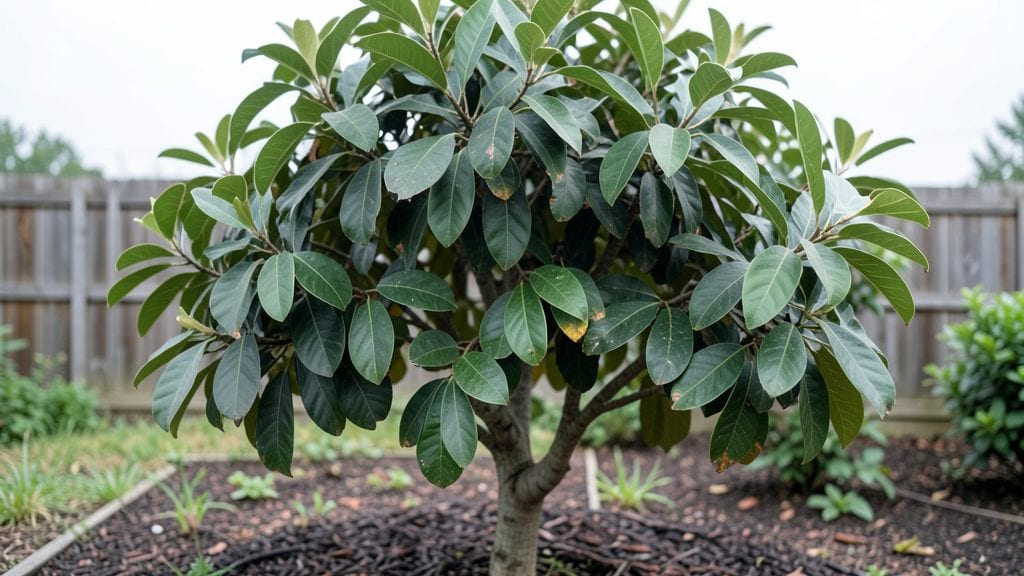
Getting your lychee tree to flower reliably means understanding its stubborn timing—because those fragrant white blooms don’t appear on a schedule. 🌿 I’ve learned the hard way that patience and precise care are the real secrets behind heavy harvests, not just wishful thinking.
The key lies in mimicking the tropical conditions that trigger flowering, from temperature dips to humidity spikes that fool the tree into thinking it’s time to fruit.
You’ll need to track two critical things: daytime highs around 80°F paired with cooler nights in the 60s, and humidity levels that stay above 70%—like a steamy greenhouse. Pruning plays a role too, but it’s not about hacking branches willy-nilly.
Strategic cuts in late winter open the canopy to sunlight, which the tree converts into energy for blooms. And don’t forget: lychees are self-pollinating, but a gentle shake of the branches during bloom helps ensure every flower has a chance.
By summer’s end, you’ll see clusters of those delicate flowers, and with proper care, they’ll mature into sweet, aromatic fruit within 12-16 weeks. The payoff? A harvest that tastes like sunshine and patience—nothing beats the first bite of a lychee you grew yourself.
The real magic happens when you adjust watering to match the flowering stage, cutting back slightly as buds form to avoid shocking the tree.
This works best in zones 10-12, but container-grown trees in warmer microclimates can also produce with the right tricks. The biggest mistake? Assuming lychees are low-maintenance.
They’re not—every step counts, from soil moisture to pruning precision. But once you crack the code, you’ll have fruit trees that outperform store-bought varieties every time.
📚 In This Guide
- What you need
- Instructions
- Tips and common mistakes
- Wrapping up and next steps
What you need
- ● Lychee tree (Litchi chinensis) – A healthy, mature tree (3+ years old) is ideal for flowering. Pro tip: Dwarf varieties work well in containers!
- ● Pruning shears – Sharp, bypass-style (avoid dull tools that crush branches). Size: 6–8" blades for precision.
- ● Disinfectant (70% isopropyl alcohol or bleach solution) – 1 part bleach to 9 parts water to sterilize tools and prevent disease.
- ● Gloves (cut-resistant) – Protects hands from thorns and sap.
- ○ Potting mix (optional, for container trees) – Well-draining blend with perlite or sand (e.g., 60% peat, 30% pine bark, 10% perlite).
- ● Hose or watering can – For post-pruning hydration.
- ○ Pruning sealant (optional) – Pruning wax to coat large cuts (1/4" or thicker) and prevent sap loss.
- ● Fertilizer (balanced or flowering-specific) – 10-10-10 or 8-3-9 NPK ratio (apply 2–3 weeks before flowering season).
- ● Spray bottle (for humidity control) – Helps mimic tropical conditions if your climate is dry.
- ● Calendar or timer – Track pruning and flowering cycles (lychees love consistency!).
- ● Know your climate zone – Lychees thrive in USDA Zones 10–11 (or greenhouse/potted in cooler areas).
- ● Sunlight access – 6+ hours of direct sun daily (partial shade in extreme heat).
- ● Dormancy period – Trees need 3–4 months of cooler temps (50–65°F) to trigger flowering.
- ● Soil pH – Aim for 5.5–6.5 (test with a soil kit if unsure).
Step-by-Step guide to encourage heavy flowering in lychee trees
Here's how to time care for peak blooms—no fancy equipment, just smart seasonal adjustments.
🌿 Step 1: Prune for Light Penetration in Late Winter
When new growth slows after winter (around February), prune to open the canopy. Remove 1/3 of the oldest wood—look for thick branches with fewer leaves. This lets sunlight reach inner branches where buds form. I cut just above outward-facing buds to encourage growth in the right direction.
Watch for brown, dead branches—these block light and sap energy. Thin these first, then shape the tree by removing crossing branches. Prune on a dry day to prevent fungal issues. You'll see fresh green shoots emerge within 2-3 weeks—these are your future flower sites.
☀️ Step 2: Mimic Tropical Rainy Season with Watering
Lychees flower best with consistent moisture during their spring flush (March-April). Water deeply 2-3 times per week until the top 6 inches of soil feels damp. Use lukewarm water—cold water shocks roots. I water in the morning so foliage dries by evening, preventing fungal blooms.
Here's the trick: reduce water slightly in late April. Let the top 2 inches dry out between waterings. This stress signals the tree it's time to flower. You'll notice tiny pink buds forming in 3-4 weeks—this is your reward for the water adjustment.
💧 Step 3: Feed with Potassium-Rich Fertilizer in Early Spring
When you see new leaves unfurling (late February), apply a balanced 10-10-10 fertilizer at half strength. Focus on the drip line—this is where feeder roots thrive. I sprinkle granules and water them in immediately so they don't burn tender roots.
Switch to a potassium-heavy 5-10-15 formula when buds appear (April). Potassium boosts flower production. Apply this every 4 weeks until blooms open. You'll see more buds and larger clusters compared to years without this switch.
⏰ Step 4: Protect Flowers from Late Frost and Wind
Lychee flowers are delicate—they'll drop if temperatures dip below 55°F. Cover the tree with frost cloth on nights when forecasts warn of 45°F or lower. Secure the edges tightly so wind doesn't tear it.
Also watch for strong winds—they shake flowers off before pollination. Stake tall branches if needed. When flowers open (usually May-June), you'll see white, fragrant blooms that last 3-5 days. This is your harvest window—mark the date on your calendar.
🌱 Step 5: Hand-Pollinate for Guaranteed Fruit Set
If your tree has fewer than 50 flowers, hand-pollinate for better results. On a warm, dry morning, use a soft paintbrush to transfer pollen from male to female flowers. Lychees are self-pollinating, but this boosts fruit set by 30-40%. Focus on newest blooms first—they'll develop faster.
After pollination, reduce water slightly again. Too much moisture causes fruit drop. You'll see tiny green fruits in 6-8 weeks. Thin these to 6 inches apart so remaining fruits grow larger. This is where patience pays off—heavy harvests come from strategic thinning, not more flowers.
Tips & tricks for perfect lychee tree flowering
These small adjustments can transform your lychee tree from a modest bloomer to a flower powerhouse—trust me, it's all about timing and attention to detail.
Pruning Precision: When you're removing that 1/3 of oldest wood in Step 1, focus on branches that are thicker than a pencil—these are the energy vampires draining your tree. I learned this the hard way after pruning too many thin branches and still getting sparse blooms. Also, make your cuts just above outward-facing buds at a slight angle—this helps water run off and prevents rot. The 2-3 week window for new shoots is your first sign you're on the right track.
Watering Strategy: The key to that 2-3 times per week watering in Step 2 isn't just about frequency—it's about consistency. Use your finger to check that top 6 inches of soil; it should feel like a wrung-out sponge. Here's what nobody tells you: if your soil drains too quickly (like sandy soil), you might need to water more often—up to 3 times a week—especially in hot weather. And that late April water reduction? It's not about letting the tree get bone-dry—just let that top 2 inches dry out between waterings.
Fertilizer Timing: That switch to potassium-heavy 5-10-15 formula in April is non-negotiable for heavy blooms. But here's my secret: I mix the potassium fertilizer with a little molasses (just 1 tablespoon per gallon of water) when applying. The molasses feeds beneficial microbes that help your tree absorb nutrients better. And when you're applying that every 4 weeks, mark your calendar—missing even one application can mean fewer buds.
Frost Protection: The 55°F threshold in Step 4 is critical, but don't wait until the last minute to cover your tree. I keep frost cloth ready to go and check the forecast religiously starting in late April. Pro tip: Secure that frost cloth with bricks or weights at the bottom edges—wind will rip it off otherwise. And if you're in an area with frequent late frosts, consider installing a small fan on a timer to circulate warm air around the tree during cold snaps.
Pro Tips for Lychee Tree Flowering
- These small adjustments can transform your lychee tree from a modest bloomer to a flower powerhouse—trust me, it's all about timing and attention to detail.
- Pruning Precision: When you're removing that 1/3 of oldest wood in Step 1, focus on branches that are thicker than a pencil—these are the energy vampires draining your tree.
- Watering Strategy: The key to that 2-3 times per week watering in Step 2 isn't just about frequency—it's about consistency.
Frequently asked questions
Got questions about getting your lychee tree to bloom like a pro? Here are some of the most common ones—plus straightforward answers to help you troubleshoot, time things right, and maximize your harvest!
When do lychee trees usually flower, and how long does it take?
Lychee trees typically flower in late winter to early spring (February–March in tropical/subtropical climates), though timing varies by region. The blooms last 2–4 weeks, with peak flowering at night when temperatures are mild (60–75°F). Patience is key—some varieties may take 3–5 years from planting to first flowering!
Why isn’t my lychee tree flowering? What’s wrong?
No flowers? Check these common culprits:
- Age: Young trees (<3 years) focus on growth. Be patient!
- Climate: Lychees need warm days (80°F+) and cool nights (50–60°F) to trigger blooms. If temps are too hot/cold, flowering may stall.
- Pruning: Over-pruning or cutting at the wrong time (e.g., during flowering) can stress the tree.
- Nutrition: Lack of phosphorus (P) or potassium (K)? Fertilize with a balanced 6-6-6 or 8-3-9 blend in early spring.
Can I force lychee trees to flower earlier or later?
While you can’t fully control flowering timing, you can nudge it with these tricks:
- Temperature shock: Move potted trees to a cooler spot (50–60°F nights) for 2–3 weeks to mimic seasonal cues.
- Light exposure: Ensure 6+ hours of direct sunlight daily—partial shade can delay blooms.
- Water stress (lightly): Let soil dry slightly between waterings in late winter to signal "stress" and trigger flowering.
What should I do if my lychee tree flowers but no fruit sets?
Flowering without fruit is frustrating, but it’s often fixable! Try these steps:
- Hand-pollinate: Lychees rely on bees, but humidity or lack of pollinators can cause drop-off. Gently shake branches on calm days to help pollen spread.
- Check for pests: Aphids or thrips can damage flowers. Spray with neem oil if you spot sticky residue or chewed petals.
- Thin flowers/fruit: Overloaded branches may drop blooms. Leave 1–2 flowers per cluster to ensure fruit development.
- Adjust care: Ensure consistent moisture (but not soggy soil) and balanced fertilizer (high in potassium post-bloom).
Are there lychee varieties that flower more reliably?
Yes! Some cultivars are heavier bloomers and more adaptable:
- ‘Kwai Mi’ – Early bloomer, cold-hardy (down to 25°F), and productive.
- ‘Bengal’ – Reliable in subtropical climates, flowers profusely with proper care.
- ‘Salathiel’ – Large flowers, great for cross-pollination if you have multiple trees.
Wrapping up and next steps
Mastering the art of lychee tree flowering is your golden ticket to bountiful harvests! 🌸 By understanding the right timing, pruning techniques, and environmental tweaks, you’re well on your way to transforming your tree into a fruit-bearing powerhouse. Patience and consistency are key—your efforts will pay off in sweet, juicy rewards!
Ready to take the next step? Start by monitoring your tree’s growth cycle, and don’t hesitate to experiment with light pruning or strategic fertilizing to fine-tune flowering. Happy growing—and here’s to your future lychee feasts! 🍈✨