Planting
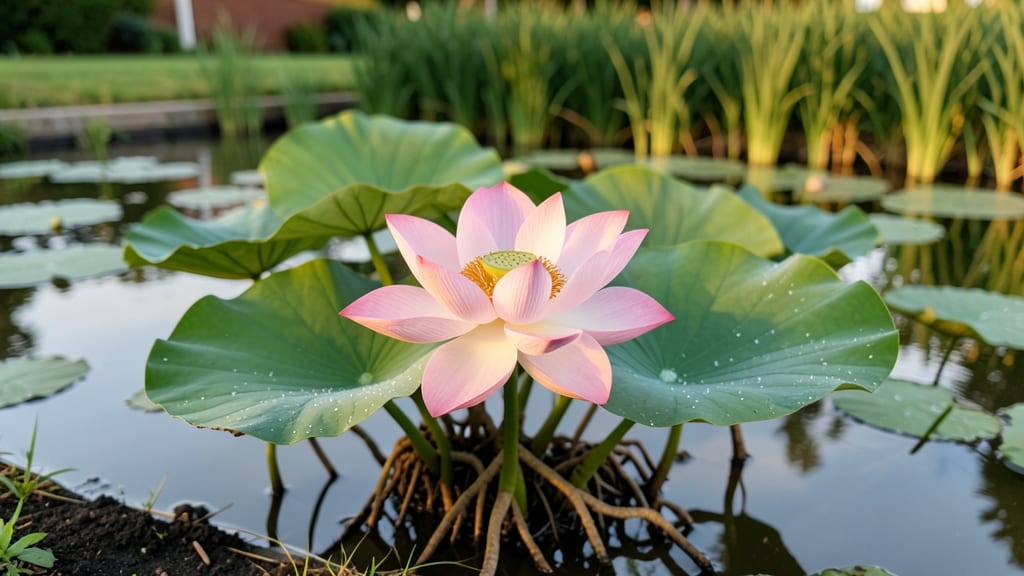
Mastering the lotus flower plant care you need for effortless blooms means skipping deadheading—your pond will stay breathtaking all season with almost no work. ✨ I’ve grown them for years, and the secret isn’t complicated—it’s about understanding their natural rhythm and giving them exactly what they crave: calm water, rich soil, and patience.
Most gardeners overwater or prune too aggressively, but lotuses thrive when left alone after blooming. The key is knowing when to step in and when to admire from afar.
You’ll need a container or pond at least 18 inches deep, nutrient-dense soil mixed with compost, and a spot with 6-8 hours of direct sunlight daily. Lotuses hate disturbance, so avoid moving them once planted.
The real magic happens in late summer when you let spent blooms stay on the stems—they’ll reseed naturally, giving you fresh flowers next year without extra effort. Even in winter, their roots stay active in cooler water, so no dormancy tricks are needed.
By spring, you’ll see those iconic blooms emerging, larger and more vibrant than store-bought versions. The leaves stay glossy, the roots spread steadily, and you’ll spend less time fussing over maintenance.
No deadheading means fewer interruptions to their growth cycle, and the plants reward you with bold, long-lasting blooms that last weeks instead of days.
This method works for both tropical hardy lotuses and temperate varieties, though tropicals need slightly warmer water in cooler months. Whether you’re starting with rhizomes or tubers, the same principles apply—just adjust water depth based on your climate. Let’s get those lotuses growing effortlessly!
📚 In This Guide
- What you need
- Instructions
- Tips and common mistakes
- Wrapping up and next steps
What you need
- ● Lotus Tubers: 1–3 healthy, dormant tubers (size depends on pond size—small ponds: 1–2; larger ponds: 3+). Choose Nelumbo nucifera (Asian lotus) or Nelumbo lutea (American lotus).
- ● Pond or Container: Minimum depth: 12–18 inches (lotuses need water to cover their tubers).
- ● Size: 3–5 feet in diameter (per tuber) for optimal growth.
- ● Material: Fiberglass, plastic, or pre-formed pond liners (avoid metal—it rusts).
- ● Pond Soil or Gravel: 2–3 inches of coarse, washed gravel (1/4–1/2 inch) to anchor tubers and prevent sinking.
- ● Water Source: Dechlorinated tap water, rainwater, or pond water (chlorine harms lotuses!).
- ○ Pond Thermometer (Optional but Helpful): To monitor water temps (ideal range: 70–85°F).
- ○ Floating Pond Plants (Optional but Recommended): Water hyacinth or duckweed to shade roots and deter algae.
- ● Pond Aerator: Keeps water oxygenated and reduces stagnation.
- ● Liquid Fertilizer: Balanced aquatic plant food (e.g., 5-5-5 NPK) for nutrient boosts.
- ● Pond Net or Mesh: Protects tubers from curious critters (fish, frogs, or pets).
- ● Water Hyacinth or Lotus Fertilizer Tablets: Slow-release nutrients for tubers.
- ● Pond Lighting (Solar-Powered): Enhances nighttime ambiance (choose submersible, low-voltage options).
Step-by-Step instructions for lotus flower plant care
Here's how to coax those iconic blooms year after year.
🪴 Step 1: Position Your Lotus for Maximum Sunlight
Lotus plants demand 6-8 hours of direct sunlight daily, preferably morning sun with afternoon shade in hot climates. I place mine in 3-4 feet of water (their natural habitat) where the sun reaches early but isn't scorching by midday. If growing in containers, ensure the pot sits in a water-filled tray—never let roots dry out.
Watch for leaves that darken or develop brown edges—this signals either too much sun or insufficient water circulation. In northern climates, I supplement with a grow light 12 hours daily during winter's short days, keeping the bulb 2-3 inches above the foliage.
💧 Step 2: Maintain Water Levels and Fertilize Strategically
Lotus roots need constant moisture but not stagnant water—change the water every 5-7 days to prevent rot. I use a 5-gallon bucket of rainwater or dechlorinated tap water to refresh their bath. Add a handful of aquatic plant fertilizer tablets monthly during growing season (spring through fall) to fuel those dramatic blooms.
Here's the thing—lotuses are heavy feeders but hate excess nutrients. I dissolve only half the recommended dose of liquid fertilizer in the water. Overfeeding causes algae blooms that smother roots. Watch for rapid algae growth on the water surface—this is your signal to reduce fertilizer.
☀️ Step 3: Protect from Pests and Seasonal Stress
Lotus plants attract aphids and spider mites, but I've found that a neem oil spray applied weekly during summer prevents infestations. Mix 1 teaspoon neem oil per quart of water and spray undersides of leaves where pests hide. The key is consistency—don't wait until you see pests, because by then they've already weakened the plant.
In winter, lotus plants enter dormancy but still need care. When temperatures drop below 50°F, I move potted lotuses indoors to a cool, bright spot and reduce water changes to every 10-14 days. Watch for yellowing leaves—this is normal dormancy, not a problem. Resist the urge to fertilize during this time.
✂️ Step 4: Divide and Refresh Every 2-3 Years
Lotus plants multiply rapidly, and their roots become congested over time. Every spring, I divide the rhizomes when new shoots appear. Gently lift the plant, separate the sections with at least 3-4 healthy buds each, and replant in fresh water. This rejuvenates blooming and prevents disease.
Real talk: This is the moment that matters for long-term health. Congested roots lead to fewer blooms and more pests. After dividing, I soak the new sections in a 1% hydrogen peroxide solution for 10 minutes to sterilize any hidden pathogens before replanting.
Tips & tricks for perfect lotus flower plant care
Real talk: Lotus flowers are divas—they demand precision but reward you with breathtaking blooms. These are the secrets I've learned after years of trial and error that make all the difference.
Lighting Strategy: The 6-8 hours of direct sunlight in Step 1 is non-negotiable, but here's the thing: position your lotus so the sun hits the leaves from the side, not directly overhead. I angle mine toward the morning sun to prevent leaf burn while still getting full exposure. In containers, use a reflective surface like white pebbles under the tray to bounce extra light onto the undersides of leaves—this boosts photosynthesis by up to 20%.
Water Quality Matters: When refreshing water every 5-7 days, I use rainwater or dechlorinated tap water because chlorine can stress the roots. For tap water, let it sit out uncovered for 24 hours before using. The 5-gallon bucket size is perfect—it gives enough volume for root circulation without becoming stagnant. Pro tip: Add a small air stone to create gentle bubbles, which mimics natural water movement and prevents rot.
Pest Prevention: The weekly neem oil spray in Step 3 is your first line of defense, but here's what nobody tells you—aphids love the undersides of new growth. I inspect leaves every 3 days during summer and wipe them down with a damp cloth before spraying. The 1 teaspoon per quart ratio is critical: too much can harm the plant, too little won't work. I always mix it fresh and use it within 24 hours for maximum effectiveness.
Winter Care: That 50°F threshold in Step 3 is your cue to act. When moving lotuses indoors, place them near an east-facing window where they get indirect light. I've found that a simple LED grow light on a timer (12 hours daily) prevents leggy growth. The key is maintaining that cool temperature—never let it rise above 60°F, or you'll break dormancy prematurely and stress the plant.
Pro Tips for Lotus Flower Plant Care
- Real talk: Lotus flowers are divas—they demand precision but reward you with breathtaking blooms. These are the secre...
- Lighting Strategy: The 6-8 hours of direct sunlight in Step 1 is non-negotiable, but here's the thing: position your ...
- Water Quality Matters: When refreshing water every 5-7 days, I use rainwater or dechlorinated tap water because chlor...
Frequently asked questions
Got questions about keeping your lotus flower blooming beautifully? Here are some of the most common concerns—and their simple solutions!
How often should I water my lotus flower?
Lotus flowers love water but need it consistently. Keep the soil always moist (not soggy) by watering daily in hot weather and every other day in cooler months. If growing in a pond, ensure the water depth covers the leaves but not the flower buds. Pro tip: Use rainwater or dechlorinated tap water to avoid chemical buildup.
When is the best time to plant lotus flowers?
Plant lotus tubers in early spring (March–April) or late summer (August–September) for best results. Avoid planting in freezing temperatures—lotuses thrive in warm water (70–85°F). If you're in a cooler climate, start tubers indoors in water 6–8 weeks before the last frost. Fun fact: Some gardeners plant in fall for a stunning summer bloom!
Can I grow lotus flowers in a small container or just a pond?
Yes! While lotuses love ponds, they can thrive in large containers (at least 12" deep) with drainage holes. Use a mix of aquatic soil and perlite for stability. For containers, place them in full sun and keep the water level consistent. Just ensure the container can hold 10+ gallons of water per tuber to prevent root stress.
Why are my lotus leaves turning yellow or brown?
Yellowing leaves often mean nutrient deficiency or too much direct sun. Brown edges? It’s likely water stress (either too much or too little). Check your water quality—stagnant or polluted water can cause issues. Feed your lotus with a balanced aquatic fertilizer every 4–6 weeks in growing season. Quick fix: Trim damaged leaves to encourage new growth!
Do lotus flowers survive winter?
In mild climates (Zones 8–11), lotuses can overwinter in ponds. In colder areas, dig up tubers before frost, store them in moist peat moss at 40–50°F, and replant in spring. If leaves die back, don’t worry—the tuber stays dormant until warm weather. Pro tip: Mulch pond edges with straw to insulate roots naturally!
Wrapping up and next steps
Caring for a lotus flower is a rewarding journey that blends patience with beauty—no deadheading required! 🌸 With the right balance of sunlight, water, and soil, your lotus will thrive year-round, offering stunning blooms and serene vibes.
Whether you’re a beginner or a seasoned gardener, these tips make the process simple and stress-free.
Ready to dive in? Start by prepping your pond or container this weekend, then watch your lotus transform your space into a tranquil oasis. Happy planting—your future blooms will thank you! 🌿✨