
Shrubs
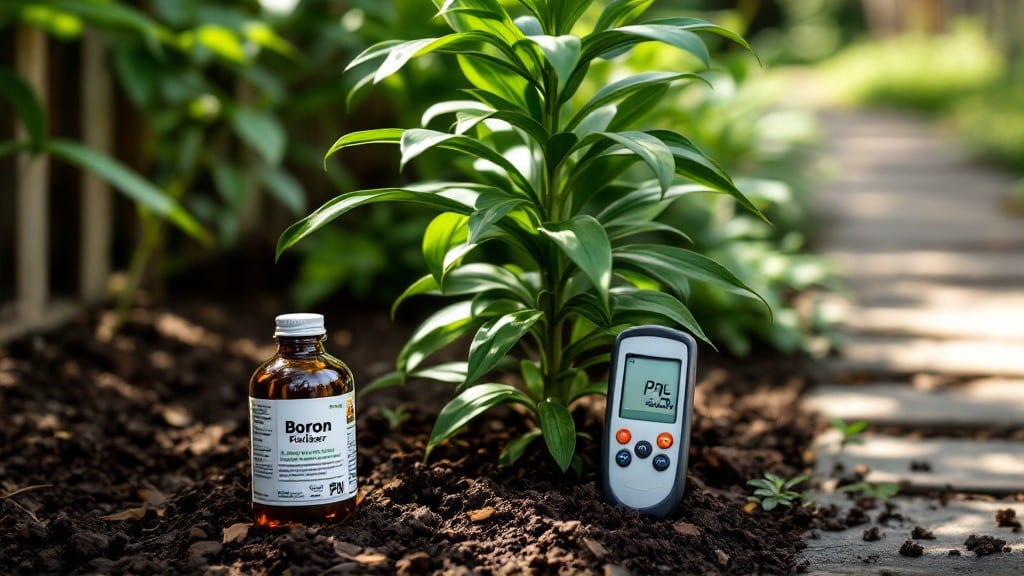
Your garden’s lily not flowering—despite all that lush foliage—is a puzzle even seasoned gardeners struggle with, and daylilies are no exception. 🌿 After years of watching my own plants put all their energy into leaves instead of blooms, I finally cracked the code: it’s usually a mix of overcrowding, poor soil, and a few sneaky care mistakes that keep them from flowering.
The biggest culprit? Overcrowding. When lilies grow too close, they compete for sunlight and nutrients, leaving no energy for blooms. I’ve seen gardens where plants were packed in like sardines—no wonder they acted like they’d forgotten how to flower!
Then there’s the soil: too much nitrogen makes them leafy but lazy about blooming, while old, compacted soil starves their roots.
Here’s the good news: with a few adjustments—thinning out plants, amending the soil, and adjusting fertilizer—you’ll see buds forming within 4-6 weeks. I’ve helped neighbors go from "all leaves, no flowers" to vibrant blooms just by giving their lilies more space and the right food at the right time.
Works for both daylilies and true lilies, whether you’re dealing with a mature garden or a new planting. Let’s get those buds popping!
Hidden Triggers Blocking Blooms
When your lily plants seem to have all the right conditions—sunlight, water, and nutrients—but still refuse to flower, the issue often lies in unseen factors. Understanding these root causes (literally and figuratively) is the first step to unlocking those stunning blooms.
Let’s dig into the science behind why your lilies might be holding back.
Lilies, especially true lilies (Lilium spp.) and daylilies (Hemerocallis), are perennial plants that prioritize root and foliage growth before committing energy to flowers. If your plant is too young—typically under 2–3 years old—it may not have developed a robust enough root system to sustain blooms.
Why it happens:
- Limited energy reserves: Young plants divert most of their resources to expanding roots and leaves, leaving little for flower buds.
- Small bulbs or divisions: If you recently planted lilies from bulbs or divided clumps, they may need 1–2 growing seasons to establish before flowering.
- Slow bulb maturation: Some lily varieties (like Lilium asiatic) take longer to mature than others (e.g., Hemerocallis, which may bloom in the first year).
Actionable fix:
- 📅 Patience is key: Avoid fertilizing heavily in the first year—focus on balanced, low-nitrogen feeds (e.g., 5-10-10) to encourage root growth.
- 🌿 Check bulb size: Plant bulbs that are at least 2–3 inches in diameter for faster flowering.
- 🔄 Divide mature clumps: If your lilies are older but still not blooming, they may be overcrowded. Split the rhizomes or bulbs in early spring to stimulate new growth.
Lilies are sun-loving plants, and too little light is a top reason they skip flowering. While some varieties tolerate partial shade, most Lilium and Hemerocallis species need 6–8 hours of direct sunlight daily to trigger bloom signals.
Why it happens:
- Photosynthesis slowdown: Low light reduces the plant’s ability to produce carbohydrates, which are essential for flower bud formation.
- Dormancy confusion: Some lilies (like daylilies) require long daylight periods to break dormancy and initiate blooming. Short days in fall/winter can delay or prevent flower signals.
- Shade from competitors: Overgrown trees, tall grasses, or neighboring plants may be stealing sunlight.
Actionable fix:
- ☀️ Move to sunnier spot: Relocate your lilies to an area with minimum 6 hours of direct sun. South- or west-facing spots are ideal in the Northern Hemisphere.
- 🪴 Prune obstructions: Trim back overgrown shrubs or trees casting shade on your lilies.
- 💡 Use reflective surfaces: Place a white wall or mirror near the plants to bounce extra light onto their foliage.
Both underwatering and overwatering can sabotage flower production by stressing the plant or causing root rot. Lilies need consistent moisture, but their roots also require oxygen to function properly.
Why it happens:
- Drought stress: Wilting or crispy leaves signal the plant is conserving water, halting non-essential processes like flowering.
- Waterlogged soil: Soggy conditions suffocate roots, preventing them from absorbing nutrients needed for bloom development.
- Improper drainage: Compacted or clay-heavy soil traps excess moisture, leading to anaerobic conditions that inhibit growth.
Actionable fix:
- 💧 Water deeply but infrequently: Aim for 1–1.5 inches of water per week, ensuring the soil is moist 6 inches deep. Use a soaker hose to avoid wetting foliage (which can cause disease).
- 🏗️ Improve drainage: Amend heavy soil with compost or perlite to create air pockets. For container lilies, use pots with drainage holes and a well-draining mix (e.g., 60% potting soil, 30% perlite, 10% sand).
- ⏳ Avoid midday watering: Water in the early morning to allow foliage to dry before evening, reducing fungal risks.
Lilies need a specific balance of nutrients to produce flowers, and imbalances—especially too much nitrogen—can lead to leafy growth at the expense of blooms. Soil deficiencies in phosphorus or potassium also play a critical role.
Why it happens:
- Excess nitrogen: High-nitrogen fertilizers (e.g., lawn fertilizers) promote lush green leaves but delay or prevent flowering by encouraging vegetative growth.
- Phosphorus deficiency: Phosphorus (P) is crucial for energy transfer and root development, which directly impacts flower bud formation. Symptoms include dark green or purple-tinged leaves.
- Potassium deficiency: Potassium (K) helps regulate water and nutrient uptake, and a lack of it can lead to weak stems and poor bloom quality. Look for yellowing leaf edges or weak growth.
Actionable fix:
- 📊 Test your soil: Use a home soil test kit or send a sample to a local extension service to check pH (ideal: 6.0–7.0 for lilies) and nutrient levels.
- 🌿 Choose the right fertilizer: Switch to a low-nitrogen, high-phosphorus formula (e.g., 5-10-10 or 10-20-20) in early spring to encourage blooming. Avoid quick-release fertilizers like blood meal.
- 🍄 Add organic matter: Mix in compost or bone meal (for phosphorus) and wood ash or kelp meal (for potassium) into the soil before planting.
- 🚫 Avoid over-fertilizing: Too much fertilizer can burn roots and stress the plant. Follow package instructions and water thoroughly after applying.
Lilies are temperature-sensitive and rely on seasonal cues to trigger flowering. Extreme heat, late frosts, or inconsistent temperatures can disrupt their natural bloom cycle.
Why it happens:
- Late frosts: Damaged foliage or buds from
Revive Your Lily’s Bloom Potential
Now that you understand why your lilies might be holding back on those stunning blooms, let’s turn things around with actionable fixes. Each cause has a tailored solution—plus prevention tips to keep your lilies thriving for years. Here’s how to get those buds popping!
Lilies need space to grow strong roots and energy to produce flowers. If they’re packed in like sardines, they’ll focus on leaves instead of blooms.
How to Fix It: 🔥 Divide and Conquer – Dig up clumps every 3–4 years (or when foliage thins). Use a fork or spade to gently separate the rhizomes (thick, horizontal stems), ensuring each has 3–5 healthy leaves and at least one dormant bud. Replant them 12–18 inches apart in fresh soil. 🍳 Refresh the Soil – Mix in compost or aged manure (1 part to 2 parts soil) to replenish nutrients. Lilies love well-draining, slightly acidic soil (pH 6.0–7.0). 👨🍳 Prune Old Foliage – After flowering, trim dead blooms but leave leaves until they yellow naturally—this feeds the rhizome for next year’s blooms.
💡 Prevention Tip: Plant lilies in groups of 3–5 per spot to encourage stronger stems and more flowers. Avoid over-fertilizing with nitrogen (it promotes leaves over blooms)—opt for a balanced 10-10-10 or bloom-boosting 5-10-10 fertilizer instead.
Lilies are heavy feeders, and if your soil is lacking, they’ll put all their energy into green growth instead of blooms.
How to Fix It: 🔥 Test Your Soil – Grab a DIY soil test kit (or send a sample to your local extension office) to check pH and nutrient levels. Lilies crave phosphorus (P) and potassium (K) for blooms. 🍳 Amend the Soil – Work in compost, bone meal (for phosphorus), or a slow-release bulb fertilizer (like Espoma Lily-Tone) at planting time. 👨🍳 Fertilize Strategically –
- Spring (March–April): Apply a low-nitrogen, high-phosphorus fertilizer (e.g., 5-10-10) when shoots emerge.
- Mid-Summer (June–July): Feed again with a potassium-rich fertilizer (e.g., 10-10-20) to support bud formation.
- Avoid fall feeding—it can encourage late growth that won’t harden off before winter.
🌡️ Pro Tip: Mulch with 2–3 inches of organic mulch (like shredded bark) to retain moisture and regulate soil temperature. Too much mulch (over 4 inches) can smother rhizomes.
Lilies need full sun (6–8 hours daily) to bloom. Too much shade? They’ll stretch and produce fewer (or no) flowers.
How to Fix It: 🔥 Move to a Sunnier Spot – If possible, transplant lilies to a location with morning sun + afternoon shade (especially in hot climates). Avoid deep shade under trees. 🍳 Prune Overhanging Branches – Trim back nearby trees or shrubs that block sunlight. Even partial shade can reduce blooms by 50%. 👨🍳 Use Reflective Surfaces – Place a white garden wall, mirror, or light-colored mulch near shade-loving lilies to bounce extra light their way.
✨ Prevention Tip: Plant tall lilies (like Asiatic or Oriental hybrids) in the back of borders where they won’t be overshadowed. Dwarf varieties (e.g., Martagon lilies) can handle light shade but still need bright conditions.
Lilies hate soggy roots but also need consistent moisture to develop buds. Erratic watering stresses them out.
How to Fix It: 🔥 Check Drainage – If your soil stays soggy after rain, raise beds or mix in sand/perlite to improve drainage. Lilies rot in waterlogged soil! 🍳 Water Deeply, Not Frequently – Water 1 inch per week (more in extreme heat), directly at the base, and early in the day to reduce fungal risks. Let the top 1–2 inches of soil dry between waterings. 👨🍳 Mulch Properly – Use 2–3 inches of organic mulch (like straw or wood chips) to lock in moisture but keep it 2 inches away from the rhizome to prevent rot.
🎯 Pro Tip: Drip irrigation is ideal—it delivers water slowly to the roots without wetting foliage (which can cause disease).
Young lilies or those planted at the wrong time won’t bloom until they’re established. Patience (and proper timing) is key!
How to Fix It: 🔥 Wait for Maturity – Most lilies take 2–3 years to bloom after planting. Asiatic and Oriental hybrids may flower sooner, while Martagon or Trumpet lilies can take longer. 🍳 Plant at the Right Time –
- Spring-planted lilies (March–April) often bloom the following year.
- Fall-planted lilies (September–October) may bloom the same year if given ideal conditions.
👨🍳 Encourage First Blooms – If your lily is past its prime (5+ years old), divide and replant a section to rejuvenate it. Older rhizomes often stop flowering but can regrow younger shoots.
🔥 Quick Fix for Established Lilies:
- Deadhead spent blooms promptly to redirect energy to root and bulb growth.
- Avoid heavy nitrogen in the last 6–8 weeks of the growing season—it delays dormancy and can prevent next year’s blooms.
If none of the above works, aphids, lily beetles, or fungal issues (like botrytis) might be stealing your lily’s energy.
How to Fix It: 🔥 Inspect Leaves & Stems – Look for holes, chewed edges, or black spots. Aphids cluster on new growth; lily beetles are orange-red with black stripes. 🍳 Treat Infestations –
- Aphids: Spray with neem oil or insecticidal soap.
- Lily Beetles: Handpick adults/larvae or use pyrethrin-based sprays.
- Fungus: Apply copper fungicide or baking soda spray (1 tsp baking soda + 1 quart water + a drop of dish soap).
👨🍳 Prevent Future Problems –
- Rotate planting spots every few years to break disease cycles.
- Clean up debris in fall to reduce fungal spores.
🌟 Final Encouragement: Lilies are tough survivors—with the right care, they’ll reward you with dramatic, repeat blooms for decades. Start with one fix (like dividing overcrowded clumps or amending soil), then layer in the rest. Before you know it, your garden will be a sea of color! 🌸💥
Frequently asked questions
Why are my mature lilies suddenly not flowering after years of blooms?
Overcrowding is the #1 culprit! When lily rhizomes get too packed, they compete for nutrients and sunlight, redirecting energy to leaves instead of blooms. Dig up clumps every 3–4 years and replant sections with 12–18 inches between plants. This refreshes the soil and gives each rhizome space to regenerate.
Can I force lilies to bloom earlier than their usual season?
Not reliably, but you can encourage earlier blooms by providing consistent warmth and sunlight in early spring. Move potted lilies to a sunny window or use a grow light for 12–14 hours/day. Avoid high-nitrogen fertilizers—they delay flowering. For outdoor plants, mulch heavily to protect roots from cold snaps.
What’s the difference between daylilies and true lilies when it comes to blooming?
Daylilies (Hemerocallis) are hardier and often bloom the first year, while true lilies (Lilium) may take 2–3 years to mature. Daylilies thrive in partial shade and rebloom if deadheaded, while true lilies need full sun and typically bloom once per season. Both need well-draining soil—daylilies tolerate poorer conditions better.
Will cutting back lily leaves after flowering help next year’s blooms?
No—never cut leaves until they turn brown! The foliage feeds the rhizome for next year’s blooms. Only remove dead flower stalks (not leaves) after they’ve withered. For true lilies, leave leaves until late fall; daylilies can be trimmed back by 1/3 after flowering to encourage bushiness.
How do I know if my lilies are getting enough sunlight?
Check for stretched, pale stems or leaves growing toward light—these are shade stress signs. Lilies need 6–8 hours of direct sun daily. Test your spot: If a 1-foot ruler casts a shadow shorter than its length for most of the day, it’s sunny enough. Move plants gradually to avoid sunburn on leaves.