
Vegetables
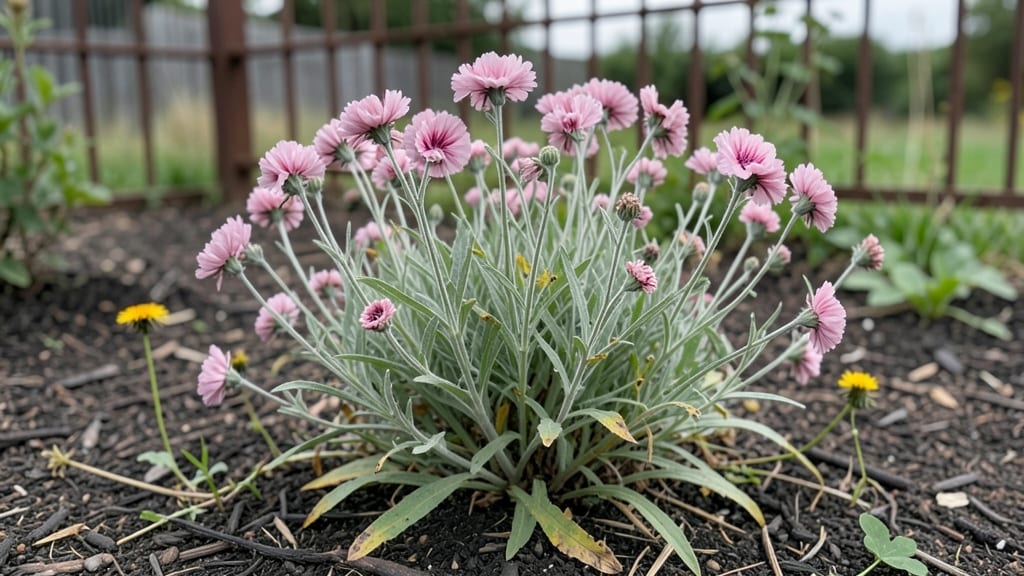
Large flowered gaura transforms any sunny spot into a cloud of delicate, dancing blooms that refuse to quit—even when you forget to water. 🌸 I’ve grown these airy beauties for years, and they’ve taught me that drought-proof doesn’t mean low-maintenance, but it does mean low-stress.
The secret lies in their love for heat, their tolerance for poor soil, and their ability to bloom from early summer straight through frost.
These plants crave full sun (think 6+ hours daily) and well-draining soil—sandy or rocky works just fine, which is why they’re perfect for tough spots where nothing else thrives.
Space them 18-24 inches apart to give their ferny foliage room to spread, and you’ll get those signature 2-inch-wide flowers in shades of pink, white, or purple that flutter in the breeze. Watering? Less is more—once established, they’ll survive on rainfall alone in many climates.
Pruning is where the magic happens: Shear back leggy stems in early spring to encourage bushier growth, and deadhead spent blooms to keep flowers coming. The payoff? A near-continuous bloom season with minimal fuss, plus the added bonus of butterflies and bees treating your garden like an all-you-can-eat buffet.
Even my black thumb can’t kill these.
They handle heat waves like champs, making them ideal for zones 3-10, and pair beautifully with lavender, yarrow, or ornamental grasses. The only real pitfall? Overwatering—these plants hate soggy feet. Once you get the hang of it, you’ll wonder why you didn’t fill your garden with them years ago.
📚 In This Guide
- What you need
- Instructions
- Tips and common mistakes
- Wrapping up and next steps
What you need
- ● Large-flowered gaura seeds or plants: Seeds: 1–2 packets (200–500 seeds per packet) for direct sowing.
- ● Transplants: 3–6 plants (6-inch pots) for faster blooms.
- ● Well-draining potting mix or garden soil: 1–2 cubic yards for in-ground planting.
- ● 5–10 gallons of lightweight, sandy mix for containers.
- ● Fertilizer: Balanced granular fertilizer (10-10-10 or 5-5-5) or slow-release pellets.
- ○ Optional: Liquid bloom booster (like fish emulsion) for extra color.
- ● Gardening tools: Trowel or hand shovel for planting.
- ● Pruners or sharp scissors for deadheading.
- ○ Gloves (optional but recommended for seed handling).
- ● Containers (if not planting in-ground): 5–7 gallon pots with drainage holes (1–2 per plant).
- ● Watering can or hose with a gentle nozzle.
- ● Full sun location (6+ hours of direct sunlight daily).
- ● Drought-tolerant zone (USDA Hardiness Zones 5–10).
- ● Patience! Gaura thrives with minimal fuss but blooms best after 6–8 weeks.
Step-by-step instructions for planting and caring for large flowered gaura
Let's get these drought-loving beauties thriving in your sunny garden with minimal fuss.
🌱 Step 1: Choose the Perfect Planting Location
Large flowered gaura demands full sun—at least 6-8 hours daily. I always pick the sunniest, driest spot in my garden because gaura despises soggy roots. Check the area's drainage by digging a 6-inch deep hole and filling it with water. If it drains in under an hour, it's perfect.
Gaura's airy stems and delicate blooms need space to sway in the breeze. Space plants 18-24 inches apart to prevent overcrowding. You'll see the difference immediately—crowded plants produce fewer blooms and flop over in heavy rain.
🪴 Step 2: Prepare the Soil and Plant
Gaura thrives in well-draining soil with a slightly alkaline pH. Mix 2 inches of compost into the top 6 inches of native soil to improve fertility without compacting it. Avoid heavy clay—amend with 1 part sand to 3 parts soil if needed.
Dig a hole twice as wide as the root ball but only as deep. Gently remove the plant from its container and loosen any circling roots with your fingers. Place it in the hole so the top of the root ball sits 1 inch below soil level. Backfill with native soil, patting lightly to eliminate air pockets.
💧 Step 3: Water Deeply and Establish Roots
Water immediately after planting to settle the soil around roots. Give each plant 1 gallon of water spread evenly at the base. Gaura's shallow root system needs consistent moisture during its first 2-3 weeks—water when the top 1-2 inches of soil feels dry.
After establishment, gaura becomes drought-tolerant. You'll notice new growth emerging within 3-4 weeks if the soil stays moist but not soggy. Mulch with 1-2 inches of gravel or coarse sand to conserve moisture and prevent soil splatter on delicate foliage.
☀️ Step 4: Maintain and Encourage Continuous Blooms
Deadhead spent blooms by pinching off the flower head with your fingers—no need for pruners. This simple step triggers more blooms and keeps plants looking tidy. I do this every 2-3 weeks during peak bloom season to maintain that airy, cottage-garden look.
Fertilize lightly in spring with a balanced 10-10-10 fertilizer at half strength. Gaura doesn't need much—too much nitrogen produces lush foliage but fewer flowers. You'll see the best blooms when plants receive regular sun and minimal interference.
✂️ Step 5: Prune and Prepare for Winter
In early spring, trim back any dead or damaged stems to 6 inches tall. This cleanup encourages fresh growth and prevents disease. Gaura's semi-evergreen foliage often survives winter in mild climates, but a light pruning keeps it looking its best.
In colder zones, cut back stems to 2-3 inches tall before winter. Mulch with 2-3 inches of straw or leaves to protect roots. You'll see new growth emerging in early spring, proving gaura's hardy nature through seasons.
Tips & tricks for perfect large flowered gaura
These simple strategies will help you coax the most vibrant blooms from your gaura while avoiding common pitfalls that lead to floppy stems and sparse flowers.
Sunlight Secret: While gaura thrives in full sun, I've found that the 6-8 hours daily requirement is non-negotiable for large flowered varieties. If your garden gets afternoon shade, position plants where they'll catch the morning sun instead—those first few hours are when gaura builds its energy reserves for blooming. I've seen plants in partial shade produce half as many flowers compared to their sun-soaked siblings.
Soil Strategy: The slightly alkaline pH and well-draining soil requirements are crucial, but don't stress about perfecting the mix. I've successfully grown gaura in native soil amended with just 2 inches of compost—no need for fancy pH test kits. For clay-heavy soils, the 1 part sand to 3 parts soil amendment works wonders, but even that's optional if your soil drains reasonably well after the 6-inch deep drainage test.
Watering Wisdom: That 1 gallon per plant immediately after planting is your best investment. I've learned the hard way that skipping this step leads to air pockets around roots. For the first 2-3 weeks, check soil moisture by sticking your finger 1-2 inches deep—if it feels dry, water thoroughly. After establishment, you'll be amazed at how gaura rebounds from drought, but those first few weeks are critical for root development.
Deadheading Discipline: The 2-3 week deadheading schedule might seem frequent, but it's what keeps gaura blooming continuously. I've tried skipping this step and ended up with plants covered in spent blooms that never rebloom. Pinch off flowers at the base where the stem meets the flower head—this simple action tells the plant to focus energy on producing new blooms instead of seed heads. It takes just 5 minutes per plant and makes all the difference.
Pro Tips for Large Flowered Gaura
- These simple strategies will help you coax the most vibrant blooms from your gaura while avoiding common pitfalls that lead to floppy stems and sparse flowers.
- Sunlight Secret: While gaura thrives in full sun, I've found that the 6-8 hours daily requirement is non-negotiable for large flowered varieties.
- Soil Strategy: The slightly alkaline pH and well-draining soil requirements are crucial, but don't stress about perfecting the mix.
Frequently asked questions
Got questions about growing large flowered gaura? You’re not alone! Here are some of the most common queries—plus quick, practical answers to keep your drought-resistant blooms thriving.
How do I encourage more blooms on my large flowered gaura?
Prune back leggy stems by one-third in early spring or after flowering to promote bushier growth and more blooms. Deadheading spent flowers also signals the plant to produce fresh blooms—just pinch or snip them off at the base. Pro tip: Avoid heavy fertilizing, as gaura thrives in lean soil and overfeeding can reduce flowering.
When is the best time to plant large flowered gaura?
Plant in early spring (after the last frost) or late summer for fall blooms. Gaura is cold-hardy (zones 5–9) and tolerates light frost, but avoid planting in extreme heat—young plants may struggle. If starting from seed, sow indoors 6–8 weeks before the last frost or directly outdoors in spring.
How often should I water large flowered gaura?
Once established, gaura is drought-tolerant—water deeply but infrequently (every 1–2 weeks) to encourage strong roots. New plants need regular watering (weekly) until they’re 3–4 inches tall. Overwatering can lead to root rot, so always ensure well-draining soil.
What pests or diseases should I watch for with large flowered gaura?
Gaura is generally pest-resistant, but keep an eye out for aphids (spray with water or neem oil) and whiteflies (use yellow sticky traps). Fungal issues like powdery mildew can occur in humid conditions—improve airflow and avoid overhead watering. Prevention tip: Space plants 12–18 inches apart for better circulation.
Can I grow large flowered gaura in containers?
Choose a container at least 12 inches wide with drainage holes. Use a lightweight potting mix (add perlite for extra drainage) and water when the top inch of soil feels dry. Containers dry out faster, so monitor moisture closely. Bonus: Gaura’s trailing habit makes it perfect for hanging baskets!
Wrapping up and next steps
Growing large flowered gaura is a rewarding way to add vibrant, drought-resistant beauty to your garden with minimal fuss! 🌸 These cheerful blooms thrive in sunny spots, demand little maintenance, and reward you with months of color—perfect for both beginners and seasoned gardeners.
Ready to transform your outdoor space? Start by choosing your favorite variety, prepping your soil, and planting with confidence! Grab your gloves, and let nature do the rest.
- Next step: Pick a sunny patch, gather your supplies, and plant your gaura—your future blooms will thank you! 🌞