
Landscaping
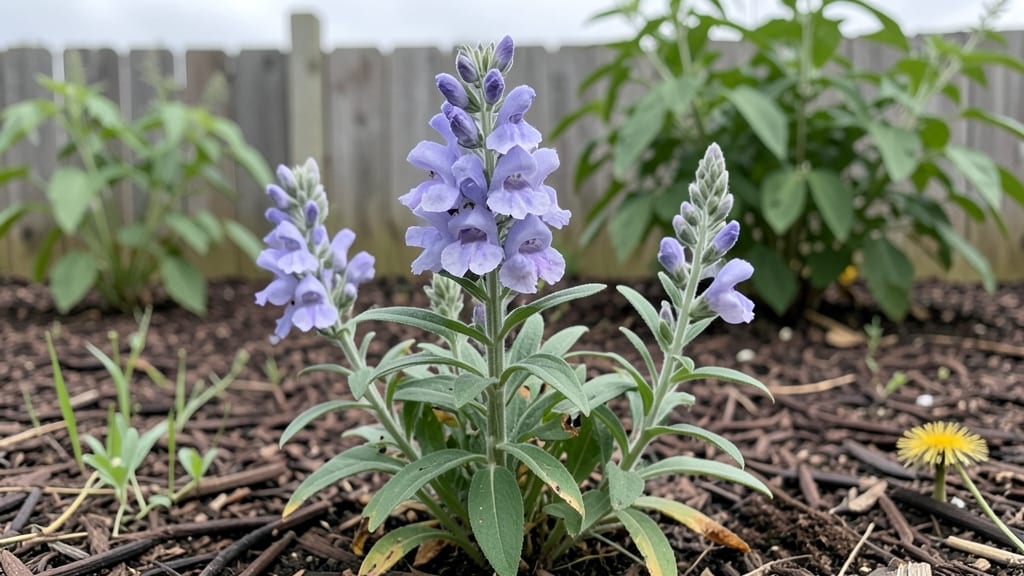
Transform your space with a stunning landscaping snapdragon flower bed that bursts into color from spring until the first frost—simpler and more rewarding than you’d expect. I’ve designed beds where snapdragons take center stage, their spiky blooms adding height and drama while low-growing companions fill in the gaps.
The key is pairing them with the right neighbors: think salvias for texture, sweet alyssum for softness, or ornamental grasses for movement.
Start with a curved bed shape to soften edges and create visual interest—snapdragons thrive in well-drained soil, so mix in compost before planting. For season-long color, choose varieties like ‘Black Knight’ for drama or ‘Peppermint Sticks’ for whimsy, then layer in early bloomers like pansies or late-season asters.
Maintenance is minimal: deadhead spent blooms to encourage more flowers, and water at the base to keep foliage dry.
By mid-summer, your bed will be a magnet for pollinators, with snapdragons standing tall like tiny soldiers and their companions spilling over edges. The contrast of their upright spikes against rounded foliage creates depth, while the scent of evening primrose or lavender adds another layer.
This design works in full sun or partial shade, so adapt it to your space.
Pro tip: Add a few dwarf shrubs like heuchera or sedum at the front for year-round structure. The snapdragons will grow through them, creating a living tapestry that changes with each season. Once established, this bed requires almost no effort—just sit back and enjoy the show.
📚 In This Guide
- What you need
- Instructions
- Tips and common mistakes
- Wrapping up and next steps
What you need
- ● Snapdragon plants: Choose disease-resistant varieties like 'Black Prince,' 'Matrix,' or 'Triumph.' Aim for 6–12 plants per square foot for a lush look.
- ● Potting soil or garden soil: 1–2 bags (or enough to fill your bed to a depth of 6–12 inches). Opt for well-draining, organic-rich soil.
- ● Compost or aged manure: 1–2 bags (to enrich soil and retain moisture).
- ● Slow-release fertilizer: 10–20 lbs (look for a balanced 10-10-10 or 20-20-20 formula).
- ● Mulch: 1–2 bags (use 2–3 inches of shredded bark or pine straw to conserve water and suppress weeds).
- ● Stakes or supports: 10–20 stakes (if your snapdragons are tall varieties, like 'Triumph,' use 6–12-inch bamboo or metal stakes).
- ● Garden trowel or spade: For digging and planting.
- ● Garden gloves: To protect your hands from thorns or rough soil.
- ● Watering can or hose with a gentle spray nozzle: Snapdragons love consistent moisture!
- ● Pruners or shears: For trimming dead blooms or shaping plants.
- ● Measuring tape or ruler: To space plants evenly (aim for 12–18 inches apart for most varieties).
- ○ Wheelbarrow (optional): For hauling soil or mulch.
- ● Companion plants: Pair snapdragons with marigolds, salvia, or lavender for pest control and color contrast.
- ● Decorative rocks or edging: To define the flower bed and add a polished touch.
- ● Drip irrigation system: For automated watering (great for busy gardeners!).
- ● Plant labels: To track varieties and care notes.
Instructions for designing a low-maintenance snapdragon flower bed
Here’s how to create a vibrant snapdragon display that thrives with minimal daily care.
Select and Prepare the Planting Site
Snapdragons flourish in full sun to partial shade, with at least 6 hours of direct sunlight daily. Choose a location with well-draining soil—snapdragons wilt quickly in soggy conditions. If your soil is heavy clay, amend it with 2-3 inches of compost mixed into the top 12 inches before planting. This improves drainage and provides nutrients for strong root development.
Clear the area of weeds and debris, then loosen the soil with a garden fork to a depth of 10-12 inches. Avoid compacting the soil, as this restricts root growth. Test the soil pH—snapdragons prefer a slightly acidic to neutral range (6.0-7.0). If your soil is alkaline, add sulfur or peat moss to adjust the pH gradually before planting.
Plant Snapdragons for Optimal Spacing and Variety
Dig holes twice as wide as the root ball and slightly deeper to accommodate the roots without bending them. Space snapdragons 10-12 inches apart for a full, lush look. If planting in rows, maintain 18-24 inches between rows to allow airflow and reduce disease risk. Plant in early spring, 6-8 weeks before the last frost, or in late summer for a fall display.
Gently remove the plant from its container and place it in the hole, ensuring the top of the root ball sits level with the soil surface. Fill the hole with soil, pressing lightly to eliminate air pockets. Water deeply immediately after planting to settle the soil and encourage root contact. Mulch with 2-3 inches of organic mulch (like shredded bark) to retain moisture and suppress weeds.
Establish a Watering and Fertilizing Routine
Snapdragons need consistent moisture, especially during their first 2-3 weeks of growth. Water deeply 1-2 times per week, ensuring the soil is moist to a depth of 2-3 inches. Avoid overhead watering, which can promote fungal diseases like powdery mildew. Instead, water at the base of the plants in the early morning to allow foliage to dry quickly.
Fertilize every 3-4 weeks with a balanced, water-soluble fertilizer (10-10-10) diluted to half strength. Snapdragons respond well to low-nitrogen, high-phosphorus fertilizers if you’re aiming for abundant blooms. Stop fertilizing 6-8 weeks before the first frost to encourage strong root development for next season. Yellowing leaves or stunted growth may signal over-fertilization—reduce applications if this occurs.
Maintain and Encourage Continuous Blooms
Deadhead spent blooms regularly by pinching off flowers just above the next set of leaves. This redirects the plant’s energy into producing new flowers rather than seed pods. Prune leggy stems back to encourage bushier growth. If snapdragons become too tall or flop over, stake them with 4-5 foot bamboo stakes or a lightweight trellis for support.
Watch for pests like aphids or spider mites, which thrive in dry conditions. Treat infestations early with neem oil or insecticidal soap, applying in the evening to avoid harming beneficial insects. Snapdragons are generally low-maintenance, but powdery mildew can be an issue in humid climates. Improve airflow by spacing plants properly and avoid overhead watering to prevent fungal spores from settling on leaves.
Prepare for Seasonal Transitions
As temperatures drop in late summer or early fall, snapdragons may slow their growth. If planted in late summer, they’ll often bloom until the first frost, providing season-long color. After flowering, allow the plants to go dormant naturally. Cut back stems to 2-3 inches above the soil in late fall, leaving the foliage to decompose and enrich the soil.
In USDA Zones 7-10, snapdragons may overwinter if protected with mulch. In colder zones, remove spent plants and amend the soil with compost before replanting next spring. This ensures a fresh start and prevents soil-borne diseases from carrying over. Mark your flower bed’s location to avoid disturbing roots during future planting seasons.
Tips & tricks for perfect snapdragon flower beds
A few strategic choices will transform your snapdragon garden from ordinary to extraordinary with minimal extra effort.
Site Selection is Everything: While the instructions specify full sun to partial shade, I recommend prioritizing locations with morning sun and afternoon shade in hot climates. Snapdragons can scorch in intense afternoon heat, especially in zones 8-10. If your only option is full sun, choose heat-tolerant varieties like 'Matrix' series and increase mulch depth to 3-4 inches for better moisture retention.
Soil Preparation Payoff: The 2-3 inches of compost recommendation is non-negotiable, but here's the secret: mix in 1/4 cup of bone meal with that compost for each planting hole. This phosphorus boost encourages stronger root systems and more abundant blooms. For heavy clay soils, incorporate 1/2 cup of perlite per hole to improve drainage without sacrificing nutrients.
Planting Precision: When creating your 10-12 inch spacing pattern, I've found that staggering plants in a herringbone pattern (rather than straight rows) creates a more natural, fuller look. For taller varieties, plant them slightly farther back (14-16 inches from front edge) to prevent them from shading shorter varieties. This simple arrangement makes a dramatic visual difference.
Watering Strategy: The 1-2 times per week recommendation works, but timing matters more than frequency. Water in the early morning between 6-8 AM when temperatures are coolest. This prevents evaporation and gives foliage time to dry before evening, reducing powdery mildew risk. For container gardens, check soil moisture daily during the first 2-3 weeks - containers dry out much faster than in-ground beds.
Pro Tips for Landscaping Snapdragon Flower Bed
- A few strategic choices will transform your snapdragon garden from ordinary to extraordinary with minimal extra effort.
- Site Selection is Everything: While the instructions specify full sun to partial shade, I recommend prioritizing locations with morning sun and afternoon shade in hot climates.
- Soil Preparation Payoff: The 2-3 inches of compost recommendation is non-negotiable, but here's the secret: mix in 1/4 cup of bone meal with that compost for each planting hole.
Frequently asked questions
Got questions about creating a stunning snapdragon flower bed?
You’re not alone! Here are answers to the most common concerns—from planting tips to long-term care—so you can enjoy vibrant blooms with confidence.
When is the best time to plant snapdragons in my flower bed?
Snapdragons thrive in cool weather, so plant them in early spring (4-6 weeks before the last frost) or late summer (8-10 weeks before the first frost) for fall blooms. Avoid extreme heat—they’ll bolt (go to seed) faster. For year-round color, stagger plantings every 2-3 weeks!
How often should I water my snapdragon flower bed?
Keep soil consistently moist but not soggy. Water deeply 1-2 times per week (more in extreme heat or wind). Mulch around plants to retain moisture and prevent weeds. Pro tip: Water at the base in the morning to reduce fungal risks.
Can I mix snapdragons with other flowers in my bed?
Snapdragons pair beautifully with salvias, marigolds, or ornamental grasses for height and texture. Avoid heavy feeders like sunflowers, which may compete for nutrients. For a low-maintenance bed, try drought-tolerant companions like lavender or catmint.
Why are my snapdragons wilting or not blooming?
Wilted snapdragons often signal overwatering, underwatering, or heat stress. Check soil moisture and adjust care. Poor blooming? Deadhead spent flowers regularly and fertilize lightly with a balanced 10-10-10 mix every 4-6 weeks. Too much shade? Relocate to full sun (6+ hours/day) for best results.
Do snapdragons come back every year, or do I need to replant?
Most snapdragons are annuals, so you’ll replant each season. However, perennial varieties (like Antirrhinum majus) may return in mild climates. Save seeds from your best blooms for next year—or swap with neighbors for free plants!
Wrapping up and next steps
Creating a stunning snapdragon flower bed is easier than you think—and the rewards are worth every minute! With the right soil, spacing, and a little seasonal care, you’ll enjoy vibrant blooms from spring through fall with minimal fuss.
These cheerful flowers aren’t just beautiful; they’re low-maintenance and perfect for adding height and texture to any garden. 🌸
Ready to transform your outdoor space? Start by sketching your design, then gather your materials and dive in! Once your snapdragons are planted, sit back and enjoy the show—they’ll do most of the work for you. Happy gardening!