
Flowers
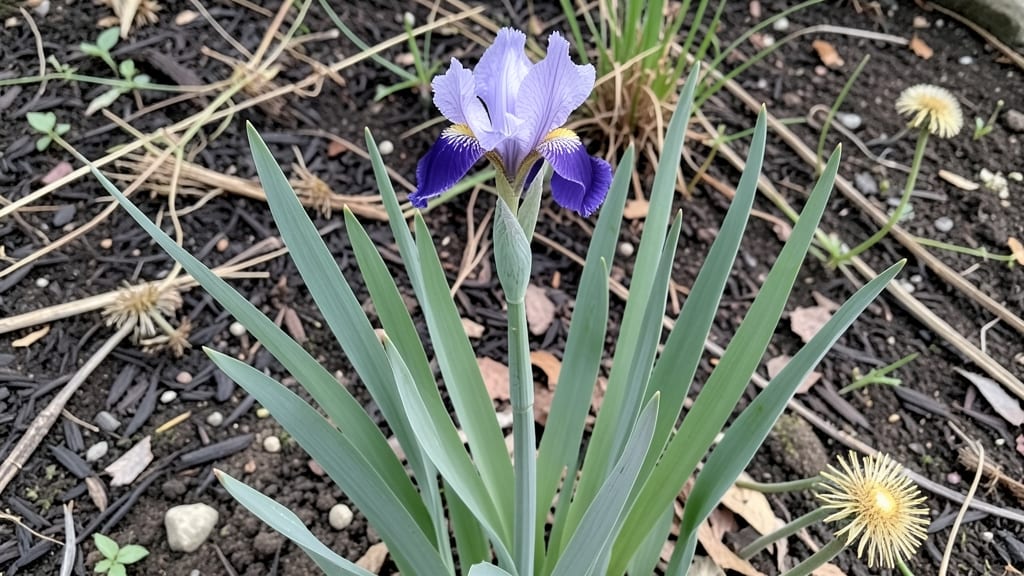
The iris as state flower carries a quiet dignity few plants can match. 🌿 I first noticed its presence in Tennessee’s wild meadows, where clusters of purple blooms stood like sentinels along country roads—each petal folded with the same grace as the state’s history.
This isn’t just a flower; it’s a symbol of resilience, wisdom, and the untamed beauty that thrives without fanfare.
Three states—Nebraska, Tennessee, and Wisconsin—have adopted the iris as their official emblem, each for different reasons. Nebraska’s wild prairie iris represents the plains’ rugged strength, while Tennessee’s blue flag iris nods to the Appalachian spirit of endurance.
Wisconsin chose the northern iris for its hardy nature, mirroring the state’s own tenacity. These connections make iris borders more than decorative—they’re living tributes to place and heritage.
In garden design, irises bring drama with minimal effort. Their sword-like foliage creates striking vertical lines, while blooms in violet, yellow, or white add pops of color that last from spring through early summer.
Plant them in drifts along pathways or as focal points near entryways—where their symbolic weight can be felt as much as seen. The key is grouping them in odd-numbered clusters (threes or fives) to mimic natural colonies and amplify their impact.
For public spaces or themed gardens, consider pairing irises with native companions like coneflowers or black-eyed Susans. The contrast of their upright forms against rounded perennials creates movement, while the iris’s cultural weight ties the design to local identity.
Whether you’re honoring a state’s heritage or simply adding timeless elegance, these flowers deliver both beauty and meaning without a single word.
Behind The Iris State Symbolism
Every state flower carries a story—one woven from history, culture, and the natural world. For the iris, its symbolic ties to specific states (like Tennessee’s official wildflower) aren’t just random; they’re rooted in deep botanical, cultural, and even practical reasons.
Understanding why this striking bloom became an emblem helps gardeners and admirers appreciate its legacy. Here’s why the iris earned its place in state lore.
The iris thrives in regions with moderate climates and moist, well-drained soils, making it a natural fit for states like Tennessee, where it flourishes in meadows and along riverbanks. Here’s why its native range matters:
- Adaptation to Local Conditions: The iris’s robust root system (rhizomes) allows it to survive droughts and thrive in partial shade—ideal for the Appalachian foothills and southeastern woodlands. States with similar climates (like Louisiana, where the iris also holds symbolic weight) prioritize native plants for ecological balance.
- Wildlife Support: Irises attract pollinators like bees and butterflies, while their sword-like leaves provide shelter for small creatures. States like Tennessee, which value biodiversity, often highlight native flowers that sustain local ecosystems.
- Historical Land Use: Early settlers and Indigenous tribes relied on iris roots for medicinal purposes (e.g., treating fevers) and fiber. This practical history ties the flower to states with deep agricultural or herbalist traditions.
Actionable Tip: 💡 If you’re planting irises in your garden, mimic their native conditions—avoid waterlogged soil and choose varieties like Iris virginica (Virginia iris) for southern climates.
The iris’s symbolism—wisdom, hope, and royalty—has made it a favorite in art, mythology, and state emblems. Here’s how history shaped its status:
- Ancient Symbolism: In Greek mythology, the iris was linked to Hera, goddess of marriage, symbolizing faithfulness. This ties to states with strong heritage values, like Tennessee, where the iris represents courage and the Civil War’s legacy.
- Victorian Era Influence: During the 1800s, irises were popular in floral language (e.g., purple irises meant "royalty"). States with Southern Gothic or colonial histories often adopt flowers with layered meanings.
- Statehood Legislation: Many state flowers were officially designated in the early 20th century as a way to celebrate local identity. Tennessee’s choice of the iris in 1933 reflected its Appalachian roots and the flower’s resilience.
Fun Fact: ✨ The iris’s name comes from the Greek word íris, meaning "rainbow"—a nod to its vibrant colors, which states like Louisiana (with its Creole heritage) embrace as symbols of diversity and vibrancy.
States often select flowers that are low-maintenance, versatile, and visually striking. The iris fits this mold perfectly:
| Trait | Why It Matters for States |
|---|---|
| Perennial Growth | Irises return year after year, making them cost-effective for public gardens and state parks. |
| Drought Tolerance | Ideal for states with variable rainfall, like Tennessee, where water conservation is key. |
| Year-Round Interest | Even after blooming, iris foliage adds structure to landscapes—perfect for state borders and highways. |
| Hybrid Varieties | Breeders have developed irises in nearly every color, allowing states to choose versions that match their branding or natural palette. |
Pro Tip: 🌡️ For gardeners in USDA Zones 3–9, irises are a foolproof choice—they’re deer-resistant and pest-deterrent, reducing upkeep for state-maintained gardens.
From its ecological roots to its cultural weight, the iris’s state symbolism isn’t accidental—it’s a perfect storm of nature and human connection. Whether you’re planting one in your garden or admiring it along a highway, you’re seeing a piece of living history in bloom.
Reviving Your Iris Garden
Transforming your garden’s borders into a lush, vibrant display of irises—whether they’re the state flower of Tennessee, Louisiana, or elsewhere—requires a mix of care and quick fixes. If your irises are struggling, don’t worry! With the right approach, you can restore their beauty and ensure they thrive for years.
Below, we’ve mapped out practical solutions tailored to common issues, along with prevention tips to keep your irises healthy and stunning.
Cause: Irises multiply rapidly, and over time, their rhizomes (thick roots) can become packed together, leading to fewer blooms and weaker plants.
Fix: 🔥 Divide and Conquer – Every 3–4 years, dig up your irises in early spring or fall. Gently separate the rhizomes, ensuring each has at least one fan of leaves and a portion of the root. Discard any that are mushy or diseased. 🍳 Replant with Care – Space rhizomes 12–24 inches apart in well-draining soil. Bury only the top third of the rhizome—any deeper, and they’ll rot. 👨🍳 Fertilize Lightly – After replanting, use a balanced, low-nitrogen fertilizer to encourage strong growth without overfeeding.
Prevention Tips: ✨ Monitor Growth – Keep an eye on your iris clumps. If they’re spreading too quickly, divide them sooner rather than later. 🌡️ Avoid Over-Fertilizing – Too much nitrogen promotes leaf growth at the expense of blooms. Stick to a slow-release, phosphorus-rich fertilizer in early spring.
Cause: Irises hate soggy soil. If your garden borders retain too much water, rhizomes can rot, leading to yellowing leaves and no flowers.
Fix: 🔥 Amend the Soil – Mix in organic matter like compost or coarse sand to improve drainage. Avoid heavy clay soil by amending it with perlite or grit. 🍳 Raise the Beds – If drainage is consistently poor, consider creating slightly elevated beds for your irises. This helps water flow away from the roots. 👨🍳 Choose the Right Spot – Plant irises in areas with good airflow and minimal standing water, such as slopes or near gravel paths.
Prevention Tips: 💡 Test Your Soil – Before planting, conduct a simple drainage test: Dig a hole, fill it with water, and see how quickly it drains. If it takes more than an hour, amend the soil. ✨ Mulch Strategically – Use mulch sparingly around irises. Too much can trap moisture. Stick to a thin layer of organic mulch (like pine straw) to protect roots without suffocating them.
Cause: Irises are susceptible to pests like iris borers (larvae that tunnel into rhizomes) and diseases such as leaf spot or bacterial soft rot.
Fix: 🔥 Handpick or Trap Borers – In early summer, check rhizomes for sawdust-like frass (borer droppings). Remove affected plants and dispose of them in sealed bags. 🍳 Apply Organic Sprays – Use neem oil or insecticidal soap to deter borers and aphids. For fungal issues like leaf spot, spray with a copper fungicide in early spring. 👨🍳 Rotate Plantings – Avoid planting irises in the same spot year after year. Rotate with other perennials to break pest and disease cycles.
Prevention Tips: 🌡️ Keep the Area Clean – Remove debris and fallen leaves around iris beds, as these can harbor pests and diseases. 🎯 Plant Resistant Varieties – Some iris cultivars, like the ‘Florentina’ or ‘Engelmann’ varieties, are more resistant to borers. Check with local nurseries for recommendations.
Cause: Irises need full sun (6–8 hours daily) to bloom their best. Too much shade can lead to leggy stems and sparse flowers.
Fix: 🔥 Prune Nearby Plants – Trim back overgrown shrubs or trees casting shade on your iris borders. Aim for at least 6 hours of direct sunlight. 🍳 Move or Replant – If shade is unavoidable, consider transplanting your irises to a sunnier location. If that’s not possible, choose shade-tolerant varieties like the ‘Sioux’ iris. 👨🍳 Supplement with Grow Lights – For container-grown irises, use a small grow light for 12–14 hours a day during short winter days to encourage blooming.
Prevention Tips: 💡 Plan Your Garden Layout – When designing borders, place irises where they’ll receive maximum sunlight. Avoid planting them under tall trees or structures. ✨ Monitor Growth Habits – If your irises start leaning toward the light, it’s a sign they need more sun. Adjust their placement promptly.
Cause: Yellowing leaves, weak stems, or poor blooms can signal a lack of essential nutrients like nitrogen, phosphorus, or potassium.
Fix: 🔥 Soil Test First – Before fertilizing, test your soil to identify deficiencies. Many garden centers offer affordable test kits. 🍳 Feed at the Right Time – In early spring, apply a balanced fertilizer (10-10-10). For blooming power, switch to a phosphorus-rich fertilizer (like 5-10-5) in late winter. 👨🍳 Use Organic Amendments – Work compost or well-rotted manure into the soil in fall to replenish nutrients naturally.
Prevention Tips: 🌡️ Avoid Over-Fertilizing – More isn’t always better. Follow package instructions closely to prevent nutrient burn or excessive leaf growth at the expense of flowers. 🎯 Mulch for Long-Term Health – A 2-inch layer of organic mulch (like leaf mold or shredded bark) helps retain moisture and slowly releases nutrients into the soil.
By addressing these common issues with targeted care, your iris borders will flourish into a stunning display of color and elegance. Whether you’re dealing with overcrowding, pests, or poor drainage, these solutions will help your irises put on their best show year after year!
Frequently asked questions
Which states have the iris as their official state flower?
The iris holds official state flower status in three U.S. states: Tennessee (blue flag iris), Wisconsin (northern iris), and Nebraska (wild prairie iris). Each state chose a different iris variety to reflect its unique climate and heritage. Tennessee’s selection, in particular, honors the state’s Appalachian roots and wildflower traditions.
What does the iris symbolize in state symbolism?
The iris embodies wisdom, hope, and resilience—qualities that resonate with states that adopted it. In Tennessee, it represents courage and endurance, while Wisconsin’s northern iris symbolizes hardiness. Its layered petals also mirror the complexity of state histories, making it a powerful emblem.
Can I grow the official state iris varieties in my garden?
Tennessee’s Iris virginica (blue flag iris) and Wisconsin’s northern iris are both hardy perennials suited for USDA Zones 3–9. Nebraska’s wild prairie iris thrives in dry, sunny conditions. Choose based on your climate—all three are low-maintenance and drought-tolerant once established.
Why did Tennessee choose the iris over other wildflowers?
Tennessee selected the iris in 1933 for its native beauty and symbolic strength. The blue flag iris thrives in the state’s meadows and woodlands, aligning with Tennessee’s Appalachian heritage. Its vibrant purple blooms also reflect the state’s wildflower traditions, making it a unifying choice.
How can I incorporate iris symbolism into my garden design?
Plant irises in odd-numbered clusters (threes or fives) to mimic natural colonies and create visual impact. Pair them with native companions like coneflowers or black-eyed Susans for contrast. For a state-themed garden, use purple or blue irises (like Tennessee’s) to evoke heritage, or yellow varieties for Wisconsin’s northern charm.