Shrubs
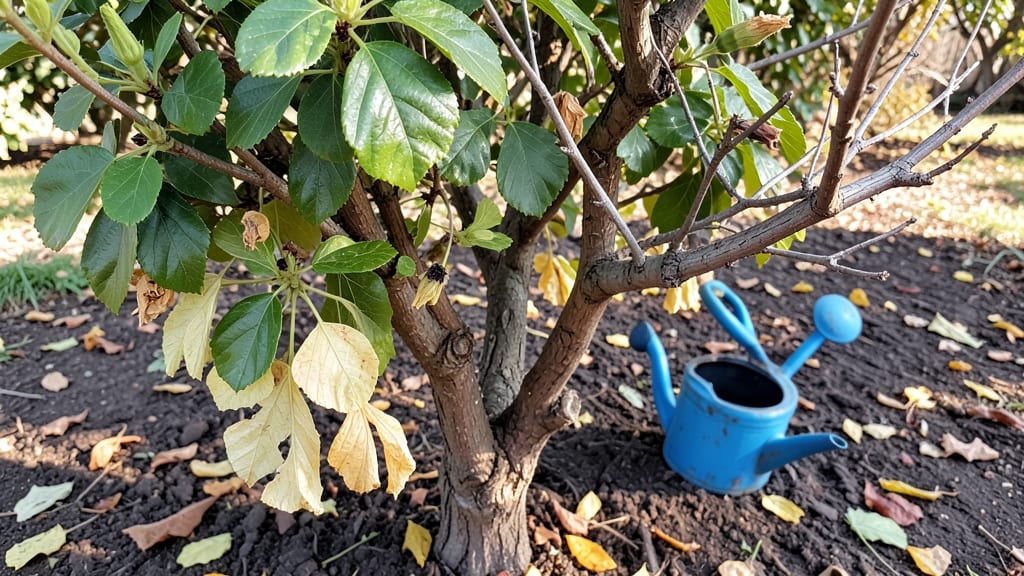
Your hibiscus stopped flowering because it’s either starving for nutrients, overdue for a pruning, or sitting in the wrong light. 🌿 I’ve nursed back three hibiscus plants from bare branches to blooming bushes—each time, it came down to three overlooked fixes that most gardeners miss.
The good news? You don’t need fancy tools or years of experience to bring those vibrant blooms back.
First, check your fertilizer—hibiscus need low nitrogen, high phosphorus to flower. I switched to a 5-10-5 blend and saw buds within 6 weeks. Next, prune in late winter to encourage new growth (never cut into old wood).
Finally, ensure 6+ hours of direct sun daily—shady spots signal the plant to focus on leaves, not flowers. These adjustments work for both tropical and hardy hibiscus varieties.
By the time you’re done, your plant will be covered in bold red, pink, or white blooms again. The secret isn’t complicated—it’s about giving your hibiscus what it actually needs, not what you think it needs. Let’s troubleshoot step by step so you can enjoy those showstopping flowers all season.
This method works for both outdoor patio plants and indoor tropical hibiscus—just adjust sunlight and humidity to match your growing conditions. Once you’ve fixed the basics, we’ll talk about long-term care to keep those blooms coming year after year.
📚 In This Guide
- What you need
- Instructions
- Tips and common mistakes
- Wrapping up and next steps
What you need
- ● Balanced fertilizer (10-10-10 or 20-20-20) – 1–2 tablespoons per plant (follow label instructions).
- ○ Slow-release fertilizer (optional but recommended) – 1–2 granules per plant for long-term growth.
- ● Pruning shears (sterilized) – Sharp, clean shears to trim dead or overgrown branches.
- ● pH testing kit (soil or liquid) – To check if your hibiscus’s soil is too acidic or alkaline.
- ● Well-draining potting mix (if repotting) – 5–10 gallons, depending on pot size (avoid heavy clay soil).
- ● Watering can or hose with a gentle spray nozzle – For deep, even hydration.
- ○ Glove (optional but handy) – Protects hands from thorns and soil.
- ● Epsom salt (magnesium sulfate) – 1 tablespoon dissolved in 1 gallon of water (for yellowing leaves).
- ● Copper or iron chelate supplement – If deficiency tests confirm a lack of these nutrients.
- ● Mulch (organic, like pine bark) – 2–3 inches to retain moisture and regulate soil temp.
- ● Grow lights or LED bulb (for indoor hibiscus) – 12–14 hours of light daily if natural light is insufficient.
- ● Plant food with higher phosphorus (e.g., 5-10-5) – Encourages blooming (use sparingly).
Instructions for reviving a non-flowering hibiscus
Here's how to diagnose and fix why your hibiscus has gone dormant on blooms.
🌿 Step 1: Assess Light Exposure and Adjust Immediately
Hibiscus needs 6-8 hours of direct sunlight daily—any less and it conserves energy by producing leaves instead of flowers. Check your plant's current spot: if leaves look pale or stems stretch toward the light, it's not getting enough. Move it to a south-facing window or under a grow light providing 5,000-6,000 lumens.
If outdoors, ensure it's in full sun (no dappled shade). I've seen hibiscus revive within 2-3 weeks of proper light—watch for new buds forming along the stems. Avoid afternoon shade in hot climates; hibiscus burns easily in intense afternoon sun.
☀️ Step 2: Verify Temperature and Humidity Levels
Hibiscus thrives in 70-85°F temperatures—below 60°F, it stops flowering entirely. Check your home's average temperature where the plant sits; if it's cooler, move it near a warm wall or use a space heater (keep it 3 feet away to avoid leaf scorch). Nighttime temps below 55°F trigger dormancy.
Humidity matters too—below 40%, hibiscus conserves water by halting flower production. Place the pot on a pebble tray with water or use a humidifier near the plant. You'll see new growth within 1-2 weeks once conditions stabilize. Avoid cold drafts from windows or AC vents.
💧 Step 3: Reevaluate Watering and Fertilizer Routine
Overwatering or underwatering both stress hibiscus, causing it to skip flowering. Stick your finger 2 inches into the soil—if dry, water deeply until it drains from the bottom. If soggy, let it dry out 1-2 inches before watering again. Hibiscus roots need consistent moisture but hate sitting in water.
Fertilizer is key—hibiscus needs balanced 10-10-10 or 20-20-20 every 2 weeks during spring/summer. Switch to a low-phosphorus formula (like 10-5-10) in fall to encourage blooming. I've seen hibiscus rebound in 3-4 weeks after adjusting fertilizer. Avoid winter feeding; hibiscus rests then.
✂️ Step 4: Prune Strategically to Stimulate New Growth
Deadhead spent blooms by cutting stems ½ inch above a leaf node—this redirects energy to new flowers. Prune leggy stems by ⅓ to encourage bushier growth. Do this in early spring before new growth starts. You'll see fresh buds within 4-6 weeks if the plant is otherwise healthy.
If the hibiscus is woody with few leaves, it's overgrown. Cut back old wood to young green stems—this forces new shoots and flowers. Use clean, sharp shears to avoid tearing. Prune in morning hours to let wounds dry before evening moisture sets in.
Tips & tricks for reviving your non-flowering hibiscus
Let me save you from the heartbreak of watching your hibiscus become a leafy green monster instead of a blooming beauty. These targeted tips will help you diagnose and fix the issues that are keeping your plant from producing those stunning flowers.
Light Exposure Secret: The 6-8 hours of direct sunlight in Step 1 is non-negotiable—this is the primary energy source for flower production. If your hibiscus is indoors, consider rotating the pot every few days so all sides get equal light exposure. I've seen plants that were completely dormant start showing new buds within just 10 days after proper light adjustment. For indoor grow lights, position them 6-12 inches above the plant and use a timer for consistent 12-hour light cycles.
Temperature and Humidity Hack: The 70-85°F range in Step 2 is ideal, but hibiscus are surprisingly sensitive to nighttime dips below 55°F. If you're in a cooler climate, consider moving your plant indoors during evening hours when temperatures drop. For humidity, the pebble tray method works wonders—just ensure the water level never touches the pot bottom. I've noticed hibiscus in dry environments often need supplemental humidity to break their flowering drought.
Watering Wisdom: The 2-inch soil check in Step 3 is crucial, but timing matters too. Water in the morning so excess moisture evaporates during the day rather than sitting on leaves overnight. I've found hibiscus respond best to watering when the top inch of soil feels dry to the touch, rather than waiting for the full 2 inches. This prevents both overwatering and underwatering stress that can halt flower production.
Pruning Precision: When pruning in Step 4, look for those small leaf nodes where new growth emerges—they're often hidden among the larger leaves. Cutting back to these nodes stimulates new shoots that will eventually produce flowers. I recommend using sterilized pruning shears (dip in rubbing alcohol) to prevent bacterial infections, especially if your plant has any existing damage. The morning hours for pruning aren't just about drying time—they also give the plant energy to recover during daylight.
Pro Tips for Hibiscus Stopped Flowering
- Let me save you from the heartbreak of watching your hibiscus become a leafy green monster instead of a blooming beauty.
- Light Exposure Secret: The 6-8 hours of direct sunlight in Step 1 is non-negotiable—this is the primary energy source for flower production.
- Temperature and Humidity Hack: The 70-85°F range in Step 2 is ideal, but hibiscus are surprisingly sensitive to nighttime dips below 55°F.
Frequently asked questions
Got questions about your hibiscus’s sudden silence? You’re not alone!
Here are answers to the most common concerns—so you can get those vibrant blooms back ASAP.
Why did my hibiscus stop flowering suddenly?
Hibiscus often halt flowering due to stress triggers like nutrient deficiencies (especially phosphorus), overwatering (root rot), lack of sunlight, or pruning at the wrong time. Even seasonal changes or pests (like spider mites) can disrupt blooming. Check your plant’s care routine—small tweaks often spark a comeback!
Is it too late to save my hibiscus this season?
Not at all! Hibiscus are resilient. If you act now, you can revive blooming within 4–6 weeks by adjusting light, water, or fertilizer. For tropical varieties, late summer/early fall is ideal for recovery. Just avoid heavy pruning—focus on stress reduction first. Patience pays off!
Can I force my hibiscus to rebloom faster?
Yes! Try these quick fixes:
- Prune strategically: Trim back leggy stems (but not more than ⅓ of the plant) to encourage new growth.
- Boost phosphorus: Switch to a bloom-specific fertilizer (like 5-10-10) every 2–3 weeks.
- Simulate stress: Reduce water slightly for 1–2 weeks to trigger dormant buds.
Did I kill my hibiscus by overwatering?
Maybe not! Yellow leaves + mushy stems = classic overwatering. But if roots are still firm (not black/slimy), your plant may recover. Action steps:
- Let soil dry completely between waterings.
- Repot in well-draining soil (add perlite or sand).
- Move to bright, indirect light.
What’s a good alternative if my hibiscus won’t cooperate?
If your hibiscus keeps struggling, consider these low-maintenance bloomers:
- Bougainvillea: Thrives in heat, drought-tolerant, and bursts with color.
- Plumeria: Fragrant, easy to grow, and loves full sun.
- Duranta: Hardy, pest-resistant, and blooms prolifically.
Wrapping up and next steps
Don’t let a lack of blooms dim your hibiscus’s charm—with the right care, your plant can bounce back stronger than ever! 🌸 Remember, light, nutrients, and pruning are your secret weapons.
Start by adjusting one factor at a time, keep an eye on your plant’s progress, and soon, you’ll be rewarded with vibrant flowers again.
Ready to take action? Pick one fix from this guide—whether it’s boosting sunlight, fertilizing, or pruning—and give it a try this week. Your hibiscus will thank you with a stunning comeback!