Tools
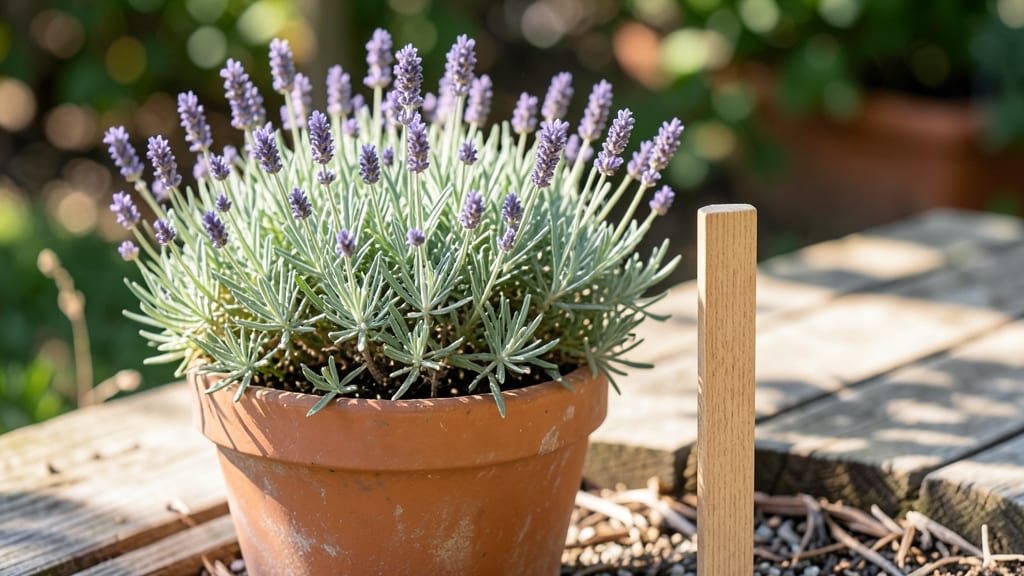
Transforming your garden into a living canvas starts with garden flower decorations that feel like they belong in a storybook. 🌸 I’ve turned ordinary spaces into showstopping displays using nothing more than seasonal blooms, a few tools, and an eye for color—no green thumb required.
The key? Mixing textures, heights, and colors to create arrangements that look intentional (even when they’re not).
Think beyond vases: floral arches over pathways, hanging baskets that spill like waterfalls, or simple wooden crates filled with wildflowers. My favorite projects take under an hour and use plants you might already grow—think cosmos, zinnias, or even overgrown basil stems.
The best part? These decorations evolve with the seasons, so you’re never stuck with last year’s look.
You’ll end up with a garden that feels like a curated escape, where every corner invites lingering. Picture morning coffee surrounded by lavender and roses, or evening strolls past garlands of snapdragons that glow in the fading light.
The magic is in the details—like pairing deep purple salvia with chartreuse grass for a bold contrast, or letting baby’s breath soften any arrangement.
Works for tiny balconies or sprawling backyards, and adapts to any style—rustic, cottage, modern, or even minimalist. Let’s turn your garden into the kind of place where guests pause to take photos (and where you’ll never want to leave).
Behind The Faded Blooms
Even the most stunning garden flower decorations can lose their charm over time. Whether your creations are wilting prematurely, fading in color, or struggling to stay fresh, these issues often stem from a mix of environmental, biological, and human factors.
Understanding the root causes helps you create long-lasting, vibrant displays that stay beautiful season after season. Let’s break down why your floral arrangements might be underperforming—and how to fix it.
Flower decorations are living (or recently living) organisms, and they react to their surroundings just like any plant. Extreme or inconsistent conditions can accelerate decay, dull colors, and even kill blooms before their time.
🔥 Heat And Sun Exposure
Too much direct sunlight—especially in hot climates—can cause flowers to overheat, leading to wilting, browning edges, or rapid dehydration. Why it happens:
- Photosynthesis overload: While light is essential, excessive UV rays break down chlorophyll and pigments (like anthocyanins, which give flowers their red/purple hues). This causes fading and a dull, washed-out appearance.
- Transpiration stress: Flowers lose moisture faster in heat, and their stems can’t keep up with water delivery. This leads to drooping petals and crispy edges.
- Ethylene gas buildup: Heat accelerates the release of ethylene (a natural plant hormone), which triggers aging and senescence—think of it as a flower’s "countdown to death."
Actionable fix: Place delicate arrangements in partial shade (morning sun is gentler than afternoon heat). For outdoor displays, use shade cloth or position them under trees or awnings. For indoor setups, avoid placing them near windowsills or under grow lights on high settings.
💧 Improper Watering Habits
Water is the lifeblood of flowers, but too little or too much can spell disaster. Why it happens:
- Underwatering: Flowers wilt when their cells lose turgor pressure (the "plumpness" that keeps petals upright). Without moisture, stems can’t transport nutrients, leading to yellowing leaves and drooped blooms.
- Overwatering: Soggy soil or vase water promotes bacterial growth (like Erwinia or Pseudomonas), which clogs stems and blocks water uptake. Roots suffocate in waterlogged conditions, causing rot.
- Inconsistent moisture: Flowers like hydrangeas or delphiniums are sensitive to fluctuations. Sudden dry spells after a soaking can shock the plant, leading to premature wilting.
Actionable fix:
- Use the "finger test": Stick your finger 1 inch into the soil or water—if it’s dry, it’s time to hydrate. Aim for consistently moist (not soggy) conditions.
- Add flower food to vase water to slow bacterial growth and extend freshness.
- For potted arrangements, use well-draining soil mixed with perlite or coconut coir to prevent root rot.
🌬️ Wind And Physical Damage
Outdoor flower decorations are vulnerable to wind, which can bruise petals, snap stems, and even uproot delicate blooms. Why it happens:
- Mechanical stress: Wind abrasion tears delicate petals (like peony or rose blooms), causing them to brown or fall off prematurely.
- Desiccation: Fast-moving air increases evaporation rates, drying out flowers faster than they can absorb water.
- Stem breakage: Heavy blooms (e.g., sunflowers or dahlias) can snap under gusts, especially if not staked properly.
Actionable fix:
- Position arrangements in sheltered spots (e.g., near fences, walls, or under eaves).
- Use stakes, rings, or trellises to support tall or top-heavy flowers.
- For windy areas, opt for hardier varieties like black-eyed Susans or coneflowers, which tolerate rough conditions better.
Sometimes, the problem isn’t the environment—it’s invisible threats like pests, diseases, or even the wrong chemicals. These can silently sabotage your floral displays.
🐜 Pest Infestations
Insects and critters love munching on flowers, but their damage goes beyond holes in petals. Why it happens:
- Sap-sucking pests: Aphids, spider mites, and thrips pierce stems and leaves to feed, injecting toxins that cause yellowing, curling, or stunted growth.
- Boring insects: Japanese beetles or earwigs chew on petals and buds, leaving ragged edges and unsightly holes.
- Fungal vectors: Some pests (like slugs) spread mold spores, leading to powdery mildew or botrytis blight, which turns blooms mushy and gray.
Actionable fix:
- Inspect flowers daily for signs of pests (sticky residue, webbing, or tiny eggs).
- Use neem oil or insecticidal soap for mild infestations (spray in the evening to avoid harming bees).
- Set up physical barriers like copper tape (for slugs) or row covers (for beetles).
🍄 Fungal And Bacterial Infections
Moisture-loving pathogens thrive in stagnant water or crowded foliage, turning vibrant blooms into a science experiment gone wrong. Why it happens:
- Botrytis blight ("gray mold"): Thrives in humid, low-light conditions. It coats petals in fuzzy gray spores, causing them to rot and drop.
- Powdery mildew: Appears as white, powdery patches on leaves and stems, blocking sunlight and weakening the plant.
- Bacterial soft rot: Causes stems to turn black and mushy, often smelling foul. It spreads through contaminated water.
Actionable fix:
- Remove infected flowers immediately and dispose of them (don’t compost!) to prevent spread.
- Improve air circulation by spacing plants apart and avoiding overcrowding.
- Apply copper fungicide or baking soda spray (1 tsp baking soda + 1 quart water + a drop of dish soap) as a preventive measure.
🧴 Chemical Sensitivity
Not all flowers play well with fertilizers, pesticides, or even the water you use. Why it happens:
- Salt buildup: Tap water often contains chlorine or minerals that accumulate in soil, burning roots and causing leaf scorch.
- Over-fertilization: Too much nitrogen promotes
Quick Fixes for Common Flower Decor Fails
Even the most beautiful garden flower decorations can hit a snag—whether it’s wilting blooms, pests crashing the party, or designs that just don’t hold up. But don’t stress! With a few simple tweaks, you can revive your floral displays and keep them looking fresh for days (or even weeks).
Below, we’ve mapped out the most common issues and their easy, practical fixes—plus tips to prevent future headaches.
Wilting is the #1 enemy of garden flower decorations, especially in heat or wind. But with the right care, you can extend their life dramatically.
🔥 Fix: Revive Dying Blooms
- 💧 Hydrate Properly: Trim stems at an angle (about 1 inch) and place them in a clean vase with fresh, room-temperature water. Add a drop of bleach or hydrogen peroxide to kill bacteria.
- 🌡️ Keep Them Cool: Store or display flowers in a shaded, breezy spot (like under a porch awning) to avoid direct sun and heat stress.
- 🍎 Feed Them: Add a flower food packet or a pinch of sugar to the water to give blooms a quick energy boost.
💡 Prevention Tips
- ✂️ Prep Stems: If harvesting from your garden, cut stems early in the morning when they’re fully hydrated.
- 🌿 Choose Wisely: Opt for hardy flowers like zinnias, sunflowers, or snapdragons—they last longer in arrangements.
- 🚰 Change Water Often: Refresh the water every 2–3 days to prevent bacterial growth.
Spiders, aphids, or even curious critters can turn your floral centerpieces into a buffet. Here’s how to shoo them away without harming your blooms.
🔪 Pest-Proof Your Display
- 🌿 Spray with Natural Repellents: Mix water with a few drops of dish soap and peppermint oil, then lightly mist the stems and leaves. Pests hate the scent!
- 🕷️ Relocate Webs: If spiders spin webs in your decorations, gently remove them with a soft brush or tweezers.
- 🌱 Use Barrier Methods: Place a thin layer of sand or gravel in the vase to deter crawling insects from reaching the water.
💡 Prevention Tips
- 🌿 Inspect Before Arranging: Check flowers for eggs or pests before bringing them indoors.
- 🍃 Choose Pest-Resistant Flowers: Marigolds, lavender, and daisies naturally repel bugs.
- 🏡 Keep It Clean: Wipe down vases and containers regularly to remove residue that attracts pests.
Sometimes the issue isn’t the flowers themselves—it’s how they’re arranged. A few adjustments can transform a clunky display into a showstopper.
👨🍳 Rearrange for Balance
- 🎨 Odd Numbers Rule: Use an odd number of stems (3, 5, or 7) for a natural, eye-catching look.
- 🌿 Vary Heights: Place taller stems in the back and shorter ones in front to create depth.
- 🎨 Play with Texture: Mix glossy leaves (like hostas) with fuzzy ones (like lamb’s ear) for visual interest.
💡 Prevention Tips
- 📏 Sketch First: Rough out your arrangement on paper before cutting stems to avoid waste.
- 🌺 Use Filler Flowers: Add greenery like eucalyptus or baby’s breath to fill gaps and tie the design together.
- 🎯 Stick to a Theme: Pick a color palette or seasonal motif (e.g., rustic, boho, or minimalist) to keep arrangements cohesive.
Whether it’s summer heat, winter chill, or holiday humidity, seasonal challenges can cut your floral displays short. Here’s how to beat the clock.
🥘 Seasonal Care Hacks
- 🔥 Summer: Mist flowers lightly in the morning to combat heat stress. Use terracotta vases—they breathe better than glass.
- ❄️ Winter: Bring indoor arrangements inside at night if temperatures drop below freezing. Avoid drafty areas.
- 🎄 Holidays: For long-term displays (like Christmas wreaths), use preserved flowers or dried materials like wheat stalks.
💡 Prevention Tips
- 🌿 Rotate Displays: Swap out wilting flowers with fresh ones every few days to keep things looking vibrant.
- 📦 Store Smart: If saving decorations for later, dry flowers properly (hang upside down in a dark, dry place) or freeze them in ice cube trays with water.
- 🌡️ Monitor Humidity: Use a small fan on low to circulate air around indoor arrangements and prevent mold.
With these fixes, your garden flower decorations will stay fresh, pest-free, and picture-perfect—no matter the season. Happy arranging! 🌼✨
Frequently asked questions
What are the easiest flowers to use for beginner garden decorations?
Start with hardy, long-lasting blooms like zinnias, sunflowers, or cosmos. They thrive in most climates, come in vibrant colors, and hold up well in arrangements. Marigolds and dahlias are also great choices—they add texture and repel pests naturally.
How can I make my garden decorations last longer?
Trim stems at an angle, change the water every 2-3 days, and store arrangements in a cool spot away from direct sun. Add a pinch of sugar or flower food to the water to extend freshness. For outdoor displays, use terracotta pots (they breathe better than glass) and mist flowers lightly in the morning.
What’s the best way to arrange flowers for a whimsical look?
Use odd numbers of stems (3, 5, or 7) for a natural feel, and mix heights and textures—think glossy hostas with fuzzy lamb’s ear. Place taller flowers in the back and shorter ones in front. Add filler flowers like baby’s breath or eucalyptus to tie everything together.
Can I use dried flowers in my garden decorations?
Dried flowers like lavender, statice, or wheat stalks add texture and last for months. For a rustic look, mix them with fresh blooms in wreaths or hanging baskets. Just avoid placing them in water—they’ll stay dry and crispy.
What’s the most budget-friendly way to decorate with flowers?
Harvest flowers from your own garden or local fields (with permission!) and use simple containers like mason jars, wooden crates, or even old teacups. Skip expensive fillers—dried grasses or wildflowers work just as well. Rotate arrangements weekly to keep things fresh without spending much.