
Light Requirements
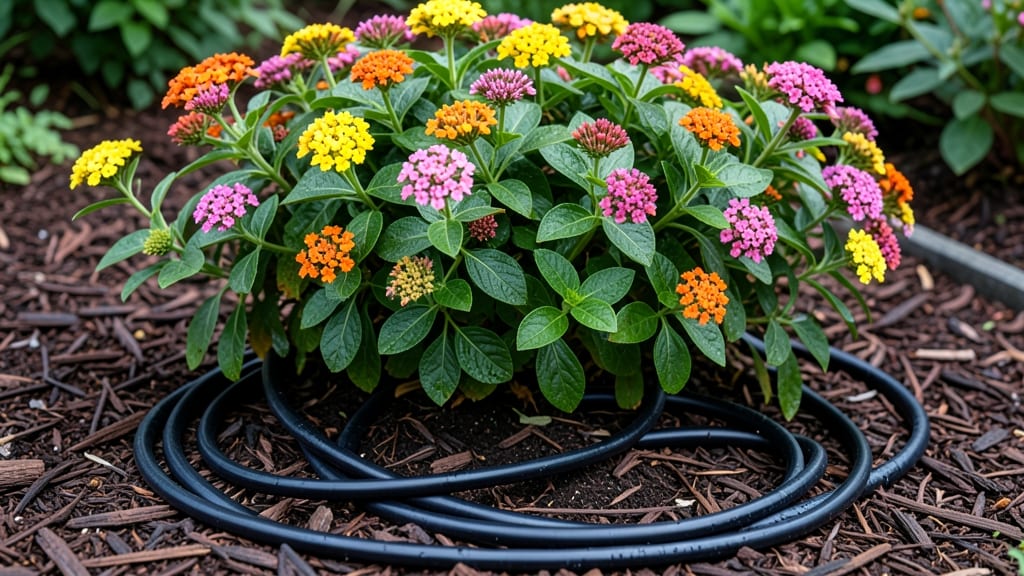
A full sun island flower bed in the Ozarks doesn’t just survive—it thrives with bold colors and zero fuss. 🌻 The key is choosing native perennials that handle heat, humidity, and drought like pros, then arranging them so every bloom gets its moment in the spotlight.
My first attempt used too many finicky annuals, but once I switched to black-eyed Susans and coneflowers, the bed stayed vibrant all summer.
Start with well-draining soil—mix in compost to help retain moisture without turning to mud. For layout, keep the center taller (like little bluestem grass) and let shorter flowers spill over the edges.
This creates depth and keeps the bed from looking flat. I also add a few shrubs like butterfly bush for structure, since they handle the Ozark summers better than most.
What you’ll end up with is a self-sustaining display that blooms from early summer through fall. The coneflowers and bee balm attract pollinators, while the sedum and yarrow stay tough even when you forget to water. No deadheading means less work for you—and more time to enjoy the show.
Works just as well for coastal gardens or urban courtyards. The same principles apply: pick the right plants, prep the soil, and let nature do the rest. Here’s how to make it happen without the guesswork.
📚 In This Guide
- What you need
- Instructions
- Tips and common mistakes
- Wrapping up and next steps
What you need
- ● Soil: 2–3 cubic yards of well-draining, native Ozark soil mix (amend with compost if needed).
- ● Mulch: 2–3 inches of pine straw or shredded bark (helps retain moisture and suppress weeds).
- ● Plants: 12–15 Ozark-resilient perennials (e.g., Black-eyed Susan (Rudbeckia hirta), Purple Coneflower (Echinacea purpurea), Butterfly Weed (Asclepias tuberosa), and Coreopsis).
- ● Fertilizer: Slow-release, low-phosphorus granular fertilizer (e.g., 10-10-10) for initial planting.
- ● Garden shovel or spade
- ● Garden trowel (for transplanting)
- ● Pruners (for trimming)
- ● Wheelbarrow (for soil/mulch transport)
- ● Watering hose or drip irrigation system (with soaker hoses for efficiency)
- ○ Optional: Edging tool (for clean borders), kneeling pad (for comfort), and a garden glove for protection.
- ● Full sun exposure (6+ hours of direct sunlight daily).
- ● Level or slightly sloped ground (for drainage).
- ● Access to water (for initial establishment).
- ● Pro Tip: Test soil pH (aim for 6.0–7.0)—Ozark soil is often acidic, so lime may be needed if below 6.0! 🌡️
How to design a full-sun Ozark mountain flower bed that blooms year-round
Here's my go-to method for creating a low-maintenance, sun-loving garden that thrives in the Ozarks' rocky soil.
🌱 Step 1: Test and Amend the Rocky Soil
Ozark soil often drains too fast, so I start by digging a 6-inch deep hole in each planting spot to check drainage. If water pools after 10 minutes, you've got clay—amend with 2 inches of compost and 1 inch of coarse sand to improve structure. For fast-draining soil, mix in 3 inches of peat moss to help retain moisture.
Spread a 2-inch layer of compost over the entire bed and lightly rake it in. This feeds roots without smothering them. I like to work in a 1-inch layer of pine needles afterward—they slowly decompose and add acidity, which many Ozark natives love. Avoid fresh mulch here; it can rob nitrogen from young plants.
☀️ Step 2: Choose Native Perennials for Year-Round Color
For a bed that thrives without deadheading, I focus on Ozark-adapted perennials like black-eyed Susan, butterfly weed, and purple coneflower. These plants produce multiple blooms on sturdy stems and self-seed lightly, giving you free replacements. Plant them 12-18 inches apart in clusters of three for a natural look.
Add a few wild columbine or Ozark goldenrod for vertical interest—they'll climb over rocks or spread gently. These natives handle the Ozarks' heat and humidity without wilting. I always include at least one bee balm variety for late-summer color and pollinator support. Space these 18-24 inches apart since they spread slowly.
🪴 Step 3: Layer Rocks and Mulch for Long-Term Beauty
Scatter flat river rocks (about 3-6 inches wide) across the bed to mimic natural Ozark landscapes. This prevents soil erosion and creates microhabitats for beneficial insects. Leave 2-3 inches of space between rocks so roots can spread underneath—plants will eventually grow up and over them.
Top the bed with a 3-inch layer of mulch, using a mix of wood chips and pine straw. This keeps roots cool in summer and prevents weeds from competing with your flowers. Refresh the mulch every 6-12 months—it breaks down faster in the Ozarks' heat. Avoid piling mulch against stems; keep it 2 inches away from plant bases to prevent rot.
💧 Step 4: Water Deeply and Establish a Routine
Water newly planted flowers deeply once a week for the first month, soaking the soil to 6 inches deep. Use a soaker hose to deliver water slowly at the base—this prevents fungal issues from overhead watering. After that, most Ozark natives only need water when the soil feels bone-dry 2 inches down.
Here's the thing—once established, these plants handle drought like champs. I only water again if we go 3 weeks without rain during summer. The key is deep watering that encourages roots to grow downward, not shallow sprinkles that create weak, surface roots. You'll know you're doing it right when leaves stay crisp and stems stay upright.
Tips & tricks for perfect Ozark mountain flower beds
These simple strategies will help your sun-loving Ozark garden thrive with minimal effort—and no deadheading required.
Soil Test Timing: That 10-minute water test in Step 1 is your secret weapon. If water disappears instantly, you've got fast-draining soil—mix in the full 3 inches of peat moss as directed. But if it pools after 10 minutes, you're dealing with clay. Here's the thing: don't over-amend. The 2 inches of compost plus 1 inch of sand will improve drainage without creating a swampy mess. I've seen gardeners add too much sand and create new drainage problems.
Plant Placement Pro Tip: When arranging your black-eyed Susans and purple coneflowers in Step 2, think "odd numbers." Plant them in groups of three or five rather than even rows. This creates natural-looking clusters that attract more pollinators. The 12-18 inch spacing gives them room to spread, but don't be afraid to tuck a few extra plants in gaps—they'll fill in beautifully over time. I always save my largest, most vibrant plants for the center of clusters where they'll be most visible.
Rock Layering Technique: For Step 3, those 3-6 inch wide river rocks aren't just for looks—they create microclimates. Place the largest rocks on the north side of your bed to provide shade for heat-sensitive plants during the hottest part of the day. Leave that 2-3 inch gap between rocks intentionally; it allows roots to grow underneath while still providing erosion control. Pro move: save a few extra rocks to prop up floppy stems as they grow—nature's plant supports!
Mulch Maintenance: The 3-inch mulch layer in Step 3 is your workhorse for weed suppression, but here's what nobody tells you: refresh it every spring before the growing season kicks in. I pull back the old mulch, add another inch of fresh wood chips, then mix in a handful of worm castings. This gives your plants a nutrient boost without disturbing their roots. And that 2-inch clearance from stems? It's non-negotiable—piling mulch too close creates rot-prone conditions.
Pro Tips for Full Sun Island Flower Bed
- These simple strategies will help your sun-loving Ozark garden thrive with minimal effort—and no deadheading required.
- Soil Test Timing: That 10-minute water test in Step 1 is your secret weapon. If water disappears instantly, you've go...
- Plant Placement Pro Tip: When arranging your black-eyed Susans and purple coneflowers in Step 2, think "odd numbers."...
Frequently asked questions
Got questions about creating a full sun island flower bed in your Ozark garden? You’re not alone! Here are answers to the most common queries to help you build a vibrant, low-maintenance display that stands up to the region’s climate.
What are the best full-sun flowers for Ozark gardens?
Native Ozark favorites like black-eyed Susan (Rudbeckia hirta), coneflower (Echinacea), and butterfly weed (Asclepias tuberosa) thrive in full sun and handle drought once established. Non-natives like purple coneflower and blanket flower also perform well with minimal fuss.
When is the ideal time to plant an island flower bed?
Spring (after the last frost, typically mid-April to May) and early fall (September to October) are perfect. Planting in fall gives roots time to establish before winter, while spring planting ensures blooms by summer. Avoid planting in extreme heat or cold snaps.
How do I keep my full-sun flowers from drying out?
Mulch with 2–3 inches of organic material (straw, wood chips, or pine needles) to retain moisture and regulate soil temperature. Water deeply 1–2 times per week during dry spells, aiming for the soil (not leaves) to encourage strong root growth. Drip irrigation is ideal for island beds.
Can I use perennials and annuals in the same bed?
Mix perennials (like coneflower or sedum) for structure and annuals (e.g., zinnia or marigold) for seasonal color. Place annuals near the bed’s edges or in containers for easy replacement. Just ensure annuals get enough water—they’re thirstier than perennials!
How do I deter pests without chemicals?
Encourage beneficial insects like ladybugs and lacewings by planting neighborhood-friendly flowers (e.g., dill, yarrow, or bee balm). Use physical barriers like row covers for seedlings, and handpick larger pests (like tomato hornworms). Avoid overwatering—stressed plants attract more pests.
What if my flowers look leggy or sparse?
Leggy growth often means too little light or overcrowding. Thin out plants to 12–18 inches apart and prune back overgrown stems by 1/3 to encourage bushier growth. If light is the issue, consider taller plants (like Joe Pye weed) at the center and shorter varieties around the edges.
Wrapping up and next steps
Creating a full sun island flower bed in the Ozarks doesn’t have to be complicated—just resilient! 🌞 With the right drought-tolerant blooms like black-eyed Susans, coneflowers, and salvias, you’ll enjoy vibrant colors and low-maintenance beauty year after year.
Skip the deadheading, and let nature do the work while your garden thrives.
Ready to transform your space? Start by sketching your bed’s layout, gathering supplies, and planting your chosen perennials. Your future garden is waiting—just a few shovels away! 🌱