
Size
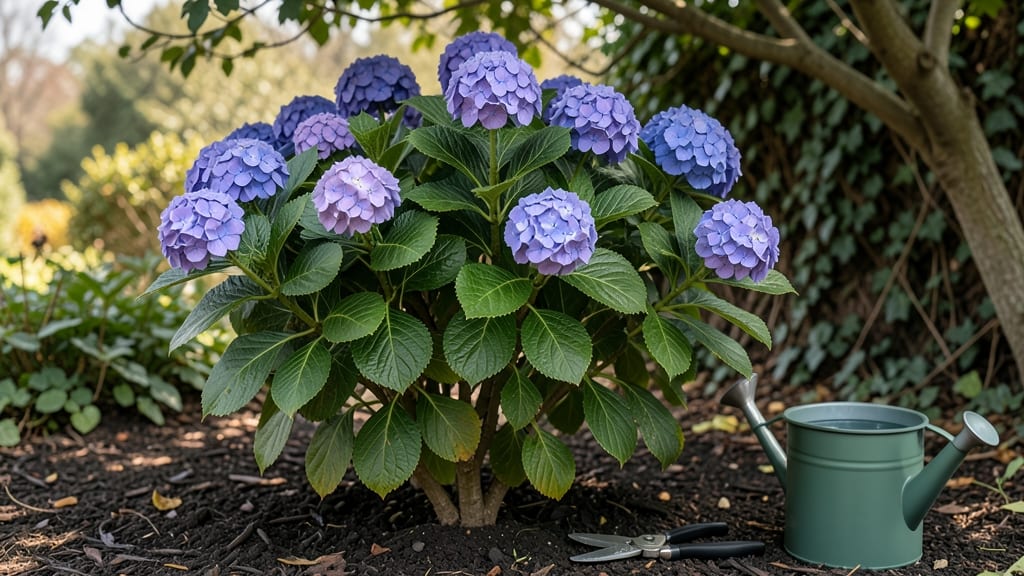
Tall flowering bushes turn a flat yard into a living canvas of color and texture. ✨ I’ve designed gardens where these vertical stars create drama—whether as a fragrant privacy screen or a bold focal point near the patio.
The right placement makes all the difference: hydrangeas thrive in morning sun with afternoon shade, while lilacs demand full sun to burst into scent clouds.
Start with the right spot and companions. Plant taller varieties like 9-foot hydrangeas at the back of borders, pairing them with shorter perennials that spill over their roots.
Roses need 6 feet of clearance for airflow, so avoid crowding them near fences. The payoff? Season-long blooms that transform a blank wall into a showstopper.
You’ll end up with a garden that feels like a curated art piece—not just a collection of plants. Imagine the soft pink of peony bushes cascading over a trellis or the deep purple of butterfly bushes drawing in pollinators.
These bushes aren’t just pretty; they’re the backbone of a garden that works as hard as it looks.
Works for any yard size, from city lots to sprawling estates. Whether you’re masking a noisy street or framing a view, these plants deliver both beauty and function. Let’s get planting!
📚 In This Guide
- What you need
- Instructions
- Tips and common mistakes
- Wrapping up and next steps
What you need
- ● Flowering tall bushes: Choose 3–5 mature plants (5–8 ft tall) like hydrangeas, lilacs, abelia, or butterfly bushes. Opt for container-friendly varieties if space is limited.
- ● High-quality potting soil: 2–3 bags (2–3 cubic feet each) of well-draining, organic mix (e.g., Miracle-Gro Potting Mix or FoxFarm Ocean Forest).
- ● Containers or garden beds: Containers: 5-gallon pots (minimum) with drainage holes for each bush.
- ● Garden beds: Amended soil with compost (1 part compost to 3 parts native soil).
- ● Mulch: 1–2 bags of shredded bark or pine straw to retain moisture and suppress weeds.
- ● Garden gloves (1 pair) for protection.
- ● Trowel or spade (for planting in beds) or garden fork (for containers).
- ● Watering can or hose with a gentle spray nozzle.
- ● Pruning shears (sharp, clean) for shaping and maintenance.
- ● Measuring tape (to ensure proper spacing—aim for 3–5 ft between bushes).
- ○ Optional but helpful: Slow-release fertilizer (e.g., Osmocote Smart-Release) for nutrient boost.
- ● Stakes or supports for young, top-heavy plants.
- ● Decorative rocks or pebbles for container aesthetics.
How to plant and maintain flowering tall bushes for stunning vertical impact
These towering beauties transform any space—here's how to establish them for bold, long-lasting seasonal drama.
🌱 Step 1: Select and Prepare the Perfect Planting Site
Choose a location with 6+ hours of direct sunlight daily—most flowering tall bushes thrive in full sun conditions. I dig a hole twice as wide as the root ball but only as deep, since planting too deep can suffocate the plant. The top of the root ball should sit 1 inch above ground level to prevent waterlogging.
Before placing the plant, loosen the soil at the bottom of the hole with your fingers or a trowel. This helps roots spread immediately rather than circling tightly. Mix the native soil with 2-3 inches of compost at the bottom of the hole to give roots a nutrient-rich start. Avoid heavy amendments like manure, which can burn tender new growth.
🪴 Step 2: Plant and Water for Immediate Establishment
Gently remove the plant from its container and tease the roots outward if they're circling. Position the bush in the hole, ensuring the root flare (where roots meet stem) sits just above ground level. Backfill with native soil mixed with compost, tamping lightly every 2 inches to eliminate air pockets without compacting.
Water deeply right after planting—1-2 gallons per plant—until moisture seeps 6 inches down. Use a hose with a gentle spray nozzle to avoid displacing soil. Mulch the base with 2-3 inches of organic mulch, keeping it 6 inches away from the stem to prevent rot. This conserves moisture and regulates soil temperature for consistent growth.
☀️ Step 3: Provide Seasonal Care for Continuous Blooms
After planting, fertilize lightly with a balanced 10-10-10 fertilizer in early spring and again after the first flush of blooms. I apply it 6 inches away from the stem to avoid root burn. Water 1-2 times weekly, adjusting for rainfall—tall bushes hate soggy roots but need consistent moisture during flowering.
Prune spent blooms immediately by cutting back to the first set of healthy leaves below the flower. This encourages more blooms and prevents the bush from becoming leggy. In late winter, prune back 1/3 of the oldest stems to the ground, stimulating fresh growth from the base. Always sterilize pruners with rubbing alcohol between cuts to prevent disease spread.
✂️ Step 4: Protect and Maintain for Long-Term Health
Watch for pests like aphids or spider mites, which love tender new growth. I spray affected areas with neem oil mixed with water (1 tablespoon per quart) at the first sign of infestation. For windy locations, stake tall bushes at planting and again in early summer to prevent stem breakage during storms.
In colder climates, mulch heavily in late fall with 4-6 inches of straw or leaves to insulate roots. I also wrap the base of young plants with burlap for extra protection. With proper care, your tall bushes will reward you with season-long blooms** and vertical impact for years to come.
Tips & tricks for perfect flowering tall bushes
These towering beauties require thoughtful care to thrive—here's how to elevate your planting and maintenance game for show-stopping results.
Soil Preparation Secret: The 2-3 inches of compost you mix into the bottom of the hole isn't just about nutrients—it creates an ideal root zone. I always test soil pH before planting (aim for 6.0-7.0) and adjust with lime if needed. Flowering tall bushes are particularly sensitive to compacted soil, so amending with compost improves drainage while retaining moisture during those critical first weeks after planting.
Watering Wisdom: That 1-2 gallons per plant immediately after planting isn't just about hydration—it's about settling the soil. I use a moisture meter to verify water penetrates 6 inches deep. For the first month, I water deeply every 3-4 days rather than daily shallow watering, which encourages deep root growth. The 2-3 inches of mulch helps maintain this moisture balance while preventing soil splash that can spread diseases.
Pruning Precision: When you prune back 1/3 of the oldest stems in late winter, you're not just cleaning up—you're stimulating new growth from the base. I mark the stems I'll remove with colored tape before cutting to ensure I'm targeting the oldest growth. For flowering varieties, always cut just above a leaf node or outward-facing bud to encourage blooms on the remaining stems. Sterilizing pruners between cuts (as mentioned) prevents bacterial spread that can weaken your plants.
Seasonal Care Strategy: The 10-10-10 fertilizer timing is crucial—early spring jumpstarts growth, while post-bloom application replenishes nutrients. I mix the fertilizer with the top 2 inches of soil rather than applying it directly to avoid root burn. For container-grown tall bushes, I use half the recommended dose since they have less root zone to absorb nutrients. The 1-2 weekly watering schedule assumes average rainfall—adjust during droughts or rainy periods to maintain that consistent moisture without waterlogging.
Pro Tips for Flowering Tall Bushes
- These towering beauties require thoughtful care to thrive—here's how to elevate your planting and maintenance game for show-stopping results.
- Soil Preparation Secret: The 2-3 inches of compost you mix into the bottom of the hole isn't just about nutrients—it creates an ideal root zone.
- Watering Wisdom: That 1-2 gallons per plant immediately after planting isn't just about hydration—it's about settling the soil.
Frequently asked questions
Got questions about adding vertical drama to your garden?
Here are answers to the most common queries about flowering tall bushes—from planting to pruning and everything in between!
What’s the best time of year to plant tall flowering bushes?
The ideal window is early spring or fall when temperatures are mild, and soil isn’t frozen. This gives roots time to establish before extreme heat or cold sets in. Avoid planting in summer’s scorching heat or winter’s frost—both can stress young plants.
How far apart should I space tall flowering bushes?
Spacing depends on the mature size! Check the plant tag for guidance, but a general rule is 3–6 feet apart for medium-height bushes (6–10 ft) and 6–10 feet for towering varieties (10+ ft). Crowding can lead to poor airflow, inviting pests and disease.
When and how should I prune flowering tall bushes?
Timing matters! Prune right after flowering (for spring/early summer bloomers) or in late winter/early spring (for late-summer/fall bloomers). Use clean, sharp shears to cut back 1/3 of the oldest stems to encourage new growth. Avoid heavy pruning in fall—it can stunt next year’s blooms!
What are some low-maintenance tall flowering bushes for beginners?
Start with these resilient picks:
- Butterfly Bush (Buddleia) – Drought-tolerant and attracts pollinators.
- Panicle Hydrangea – Thrives in partial shade with minimal fuss.
- Abelia – Blooms spring to fall with glossy foliage.
- Smoke Bush (Cotinus) – Drought-resistant and adds color to foliage.
How do I keep pests and diseases away from my tall flowering bushes?
Prevention is key! Ensure good airflow by proper spacing, water at the base (not leaves), and mulch to retain moisture. Watch for aphids, spider mites, or powdery mildew—treat early with neem oil or insecticidal soap. Healthy soil (rich in compost) boosts natural resistance!
Wrapping up and next steps
Flowering tall bushes are the star performers of vertical gardens—adding height, color, and year-round drama to your outdoor space! 🌸 From fragrant roses to bold hydrangeas, these plants bring effortless elegance while requiring minimal fuss once established.
Whether you’re a seasoned gardener or just starting out, their adaptability makes them a must-have for any landscape.
Ready to transform your yard? Start by picking a few of these showstoppers, then sketch a simple plan based on sunlight and soil needs. Before you know it, you’ll have a lush, blooming backdrop that turns heads—and maybe even inspires your neighbors to get green-fingered too!