Shrubs
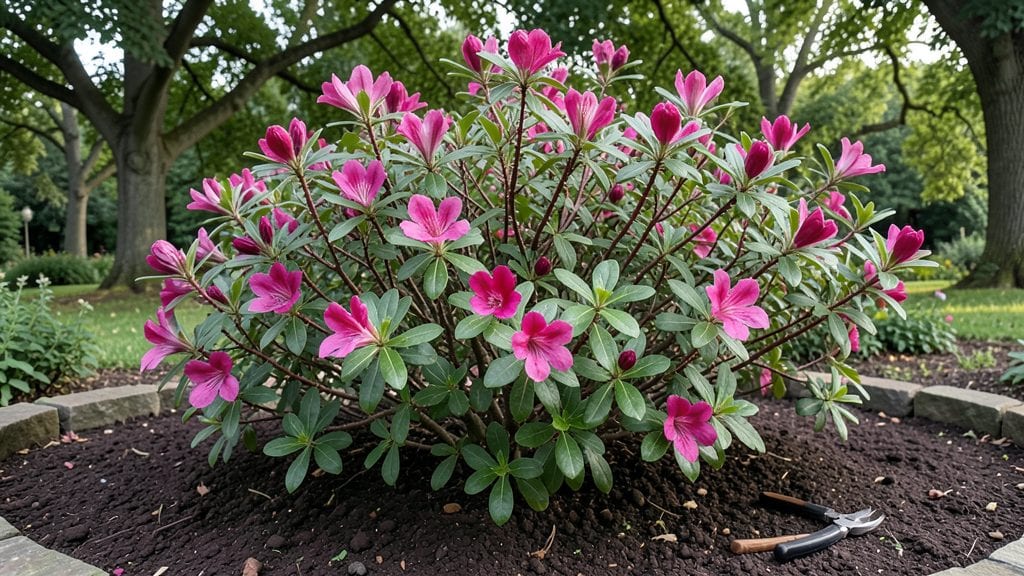
Growing flowering quince bushes transforms your yard into a fragrant haven that blooms from late winter through spring. 🌿 I’ve had mine for five years, and every February, the scent of apricot and honey wafts through my neighborhood before any other plant even thinks about waking up.
The key isn’t just planting—the timing, soil prep, and pruning after blooms make all the difference.
These shrubs thrive in full sun to partial shade, but they’re surprisingly adaptable to different soils as long as drainage isn’t terrible. Most gardeners overlook watering once established—quince handles drought like a champ—but young plants need consistent moisture for those first two seasons.
The real magic happens when you prune right: cut back old wood after flowering to encourage fresh growth and more blooms next year.
You’ll end up with glossy, deep-green foliage and clusters of fragrant flowers that attract bees early in the season. The scent alone makes them worth growing, but they also handle urban pollution better than many shrubs, making them perfect for city gardens.
Plus, the hips they produce in fall add a bonus for wildlife.
Works as a standalone specimen, in mixed borders, or even as a fragrant hedge. Once you’ve got one, you’ll wonder why you didn’t plant more years ago. Here’s how to get started without the common pitfalls.
📚 In This Guide
- What you need
- Instructions
- Tips and common mistakes
- Wrapping up and next steps
What you need
- ● Flowering quince plants: 1-3 bare-root or container-grown bushes (choose disease-resistant varieties like Chaenomeles speciosa or C. japonica).
- ● Well-draining soil: Mix of native soil + 30-50% organic matter (compost or aged manure).
- ● Sunlight spot: Full sun (6+ hours daily) or partial shade (4+ hours).
- ● Watering can or hose: With a gentle spray nozzle for post-planting care.
- ● Mulch: 2-3 inches of wood chips, straw, or shredded bark (keep 6" away from stems).
- ● Pruning shears: Sharp, sterilized shears (bypass pruners, 6-8" blades).
- ● Fertilizer: Balanced 10-10-10 or slow-release granular (sprinkle lightly at planting).
- ● Soil pH tester (ideal range: 5.5–6.5; adjust with lime or sulfur if needed).
- ● Plant support (stakes or cages) if growing in windy areas.
- ● Organic pest control (neem oil or insecticidal soap for aphids).
- ● Decorative rocks or edging to define planting beds.
- ● Garden gloves (for pruning and handling thorns).
Step-by-step guide to planting and pruning flowering quince bushes
Here's how to establish these fragrant shrubs for years of vibrant blooms and minimal fuss.
🌱 Step 1: Choose the Perfect Planting Location
Flowering quince thrives in full sun to partial shade, with at least 6 hours of sunlight daily. I always pick a spot with morning sun and afternoon shade—this prevents leaf scorch while keeping blooms abundant. The shrubs tolerate a range of soil types but perform best in well-draining soil with a slightly acidic to neutral pH.
Dig a hole twice as wide as the root ball but only as deep. This encourages roots to spread horizontally rather than settling too deeply. Gently loosen the roots if they're circling before placing the plant in the hole. Water the hole thoroughly before planting to help settle the soil around roots.
🪴 Step 2: Plant and Mulch for Healthy Growth
Position the flowering quince so the top of the root ball sits 1 inch above ground level. This prevents water from pooling at the stem base, which can cause rot. Backfill with the native soil, pressing lightly to remove air pockets but not compacting too firmly.
Spread 2-3 inches of organic mulch around the base, keeping it 6 inches away from the stem. I use shredded bark or wood chips because they break down slowly while suppressing weeds. Water deeply after planting to help roots establish contact with the surrounding soil.
☀️ Step 3: Provide Seasonal Care for Year-Round Interest
Water newly planted quince 1-2 times per week until established, then reduce to once weekly during dry spells. These shrubs are drought-tolerant once mature, but consistent moisture helps roots spread in the first year. You'll know they're getting enough water when the soil feels 2-3 inches deep.
Apply a balanced 10-10-10 fertilizer in early spring before new growth begins. I scatter granules around the drip line and water them in thoroughly. Avoid heavy feeding in fall—it encourages tender growth that won't survive winter.
✂️ Step 4: Prune for Shape and Blooms
Prune flowering quince immediately after blooming to maintain shape and encourage next year's flowers. Remove any dead, crossing, or weak branches first. Then cut back last year's growth by one-third to promote bushier growth. I always make cuts just above an outward-facing bud.
For established shrubs, thin out older stems at the base to improve air circulation. This prevents fungal issues and keeps the center from becoming too dense. Never prune more than one-third of the plant in a single year—this stresses the shrub and reduces flowering.
⏰ Step 5: Prepare for Winter Dormancy
In late fall, apply a 3-inch layer of mulch around the base to protect roots from freezing temperatures. I use straw or leaves because they insulate better than wood chips in winter. Water the plant thoroughly before the ground freezes to help it store moisture for spring.
Flowering quince is hardy to USDA Zone 4, but young plants may need winter protection. Wrap the stems loosely with burlap or use a tree guard if your winters are particularly harsh. In spring, remove any winter wraps as soon as new growth appears.
Tips & tricks for perfect flowering quince bushes
Real talk: These fragrant shrubs are low-maintenance once established, but a few key tricks will help you avoid common pitfalls and set your quince up for years of vibrant blooms.
Location is Everything: That 6 hours of sunlight daily is non-negotiable for abundant blooms, but here's what nobody tells you—morning sun with afternoon shade is ideal. I've seen quince in full sun develop leaf scorch by late afternoon, while the morning-afternoon combo keeps foliage lush. If you're in a hot climate, consider dappled shade in the hottest part of the day.
Root Ball Strategy: When planting, that twice-as-wide hole is crucial, but don't forget to loosen any circling roots—this encourages outward growth. I always make a small notch on one side of the root ball before planting so I can orient it properly later. This helps with future pruning decisions since quince can develop uneven growth patterns.
Watering Wisdom: The 2-3 inches deep soil check is perfect, but here's my secret: I water in the morning so the foliage has all day to dry. Wet leaves at night can lead to fungal issues, especially in humid climates. For the first year, I set a reminder to check soil moisture every few days—once established, these shrubs are surprisingly drought-tolerant.
Pruning Precision: That one-third pruning rule is golden, but here's how I do it: I always make my cuts at a 45-degree angle just above an outward-facing bud. This prevents water from pooling on the cut and gives you a visual target. For established shrubs, I thin older stems at the base first—they're often the culprits causing dense centers that block airflow.
Pro Tips for Flowering Quince Bushes
- Real talk: These fragrant shrubs are low-maintenance once established, but a few key tricks will help you avoid common pitfalls and set your quince up for years of vibrant blooms.
- Location is Everything: That 6 hours of sunlight daily is non-negotiable for abundant blooms, but here's what nobody tells you—morning sun with afternoon shade is ideal.
- Root Ball Strategy: When planting, that twice-as-wide hole is crucial, but don't forget to loosen any circling roots—this encourages outward growth.
Frequently asked questions
Got questions about growing and maintaining flowering quince bushes? You’re not alone! Here are answers to the most common queries—from pruning puzzles to fragrance secrets.
When do flowering quince bushes bloom, and how long does it last?
Flowering quince bushes typically burst into bloom in early to mid-spring (March–April in most U.S. zones), often before leaves emerge. Their fragrant blossoms last 2–4 weeks, depending on weather. Late frosts may delay blooms, but they’re resilient once temperatures rise!
How and when should I prune my flowering quince bush?
Prune right after flowering (late spring) to avoid cutting off next year’s blooms. Remove dead, crossing, or overcrowded branches first, then thin to improve airflow. Avoid heavy pruning—these shrubs thrive with light shaping. Pro tip: Wear gloves—thorns are sharp!
Are flowering quince bushes edible, and can I use them like regular quinces?
Nope! While they’re related to edible quinces (Cydonia oblonga), flowering quinces (Chaenomeles) are strictly ornamental. Their fruit is tart, seedy, and inedible (though birds love it!). Focus on their stunning flowers and glossy foliage instead.
What pests or diseases should I watch for in flowering quince bushes?
Keep an eye out for aphids, spider mites, and scale insects, which thrive on new growth. Fire blight (a bacterial disease causing blackened branches) is another risk—prune infected areas 6 inches below the damage to prevent spread. Good airflow and clean tools help!
Can I grow flowering quince bushes in containers, or do they need garden space?
Yes! Dwarf varieties (like ‘Coccinea’) thrive in 15–20 gallon containers with well-draining soil. Ensure the pot has drainage holes and place it in full sun. Repot every 2–3 years and fertilize lightly in spring. Just avoid overcrowding—roots need room to stretch!
Bonus Tip: Why aren’t my flowering quince bushes blooming?
If your bush skips blooms, check these fixes:
- Age: Young bushes (under 3 years) may not bloom yet.
- Sunlight: Ensure 6+ hours of full sun daily.
- Pruning: Over-pruning can reduce flowers—keep cuts minimal.
- Fertilizer: Lightly feed in early spring with balanced fertilizer.
Wrapping up and next steps
Flowering quince bushes are a fantastic addition to any garden, offering year-round beauty, fragrant blooms, and low-maintenance charm. 🌸 With the right care—like proper pruning, well-draining soil, and a sunny spot—you’ll enjoy their stunning displays for decades. Ready to transform your outdoor space?
Take the next step: sketch a planting plan or explore complementary shrubs to create a cohesive, fragrant landscape. Your garden’s next masterpiece starts with a single branch—happy planting! 🌱