
Shrubs
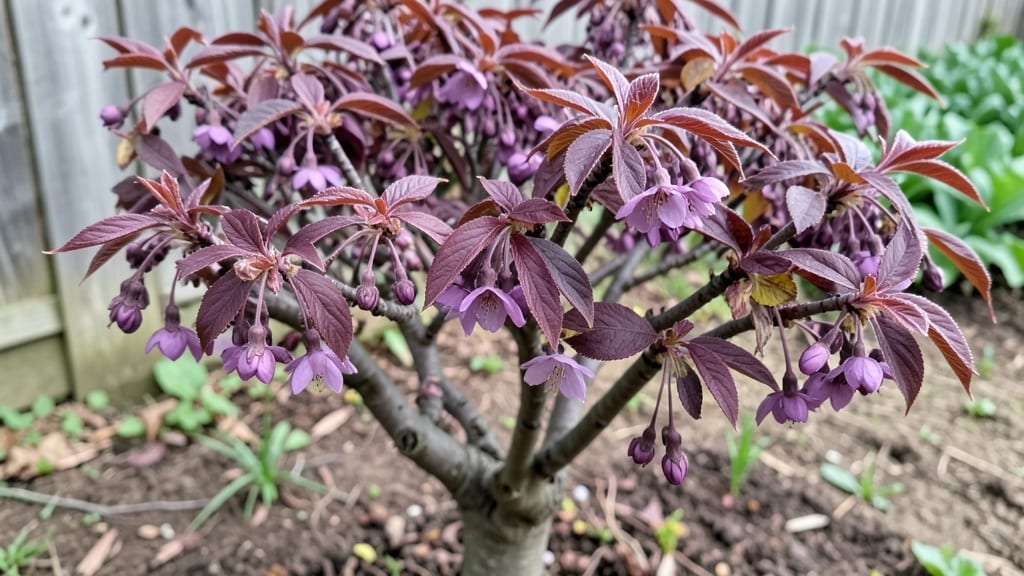
There's nothing like the Purple Pony flowering plum lighting up your garden in early spring with its fragrant, rosy-pink blooms. I planted mine last year after seeing it in a neighbor's yard, and now it's the first thing visitors notice when they walk up the path.
The deep purple foliage adds drama even when it's not in bloom, and the petals? Completely edible—perfect for garnishes or teas.
The real magic happens in how versatile this shrub is. It thrives in small spaces, making it ideal for urban gardens or as a striking focal point near patios. Unlike some flowering plums, it's disease-resistant and handles heat well once established.
I positioned mine where it gets morning sun and afternoon shade, and it's been thriving for two seasons without any fuss. The blooms arrive reliably in late winter, often before most other spring flowers even think about waking up.
Pair it with lavender for a fragrant combo or let it stand alone as a statement piece. The edible petals add a practical twist—imagine fresh floral garnishes straight from your yard. Even the birds love the blossoms, creating a lively scene during peak bloom.
This isn't just another pretty shrub; it's a multi-season performer that works hard to earn its place in your landscape.
Perfect for gardeners who want color, fragrance, and function without the maintenance headaches. The Purple Pony delivers all three with minimal effort. Here's how to make the most of its unique qualities in your own space.
📚 In This Guide
- What you need
- Instructions
- Tips and common mistakes
- Wrapping up and next steps
What you need
- ● Flowering Plum Purple Pony Plant: 1 nursery-grown shrub (3-5 years old, 3-5 ft tall) or
- ● 50-100 seeds (collected fresh or purchased from a reputable supplier)
- ● Well-draining soil: Mix of loamy soil, compost (50%), and perlite/sand (20%) for optimal drainage.
- ● Sunlight exposure: Full sun to partial shade (6+ hours of sunlight daily).
- ● Watering can or hose: With a gentle spray nozzle for delicate seedlings.
- ● Fertilizer: Balanced fertilizer (10-10-10) or
- ● Organic options like composted manure or worm castings.
- ● Pruning shears: Sharp, sterilized shears for shaping and maintenance.
- ● Garden gloves: To protect hands while handling soil or thorns.
- ● Mulch: Organic mulch (e.g., wood chips) to retain moisture and suppress weeds.
- ● Support stakes: 3-4 ft tall for young shrubs to prevent bending.
- ● Pest control: Neem oil spray (for aphids or mites)
- ● Insecticidal soap (gentle alternative).
- ● Edible flower recipe book or guide: For culinary inspiration (e.g., petal-infused syrups or garnishes!).
Step-by-Step guide to planting and caring for flowering plum 'Purple Pony'
This compact beauty thrives with the right conditions and care—here's how to nurture it for stunning spring blooms.
Choose the Right Location and Prepare the Soil
Flowering plum 'Purple Pony' loves full sun to partial shade, with at least 6 hours of sunlight daily. I always plant mine where it gets morning sun and afternoon shade, especially in hotter climates. The soil should drain well—this tree hates soggy roots, so avoid low spots where water pools.
Before planting, loosen the soil to a depth of 12 inches using a shovel or tiller. Mix in 2-3 inches of compost to enrich the soil naturally. This helps the roots establish faster and gives the tree the nutrients it needs for vibrant blooms. If your soil is heavy clay, add a handful of perlite or coarse sand to improve drainage.
Plant at the Correct Depth and Stake for Support
Dig a hole twice as wide as the root ball but no deeper. The top of the root ball should sit 1-2 inches above ground level—this prevents water from pooling around the trunk. Gently remove the tree from its container and place it in the hole, ensuring the roots spread out naturally.
Fill the hole with soil, pressing lightly to remove air pockets but not compacting too firmly. Water deeply to settle the soil around the roots. If planting in windy areas, install a stake and loosely tie the tree to it with soft plant ties. This gives young trees stability without restricting growth. Mulch around the base with 2-3 inches of organic mulch, keeping it 3 inches away from the trunk to prevent rot.
Water Deeply and Establish a Consistent Routine
Water the tree deeply once a week during the first year, ensuring the soil is moist 6 inches down. You’ll know it’s time to water when the top 2 inches of soil feel dry to the touch. Overwatering is a common mistake—this tree prefers slightly dry conditions once established.
After the first year, reduce watering to every 2-3 weeks, depending on rainfall. Flowering plums are drought-tolerant once mature, but consistent moisture during the first few years encourages strong root growth. Avoid wetting the leaves or bark when watering to prevent fungal diseases.
Prune for Shape and Health After Flowering
Prune 'Purple Pony' right after blooming to maintain its compact shape and encourage next year’s flowers. Remove any dead, damaged, or crossing branches first. Then, thin out crowded areas to improve airflow—this reduces disease risk and keeps the tree looking tidy.
For shaping, prune back any overly long branches by one-third to encourage bushier growth. Use clean, sharp pruners to make cuts just above a bud or branch junction. Avoid heavy pruning—this tree blooms on old wood, so drastic cuts can reduce next year’s flowers. Seal larger cuts with pruning sealant if they’re over ½ inch in diameter to prevent disease entry.
Fertilize Lightly for Vibrant Blooms
Apply a balanced, slow-release fertilizer (10-10-10) in early spring, just as new growth begins. Use ½ the recommended amount—too much fertilizer can harm the tree and reduce flowering. Spread the fertilizer evenly over the root zone, then water deeply to help it absorb into the soil.
Skip fertilizing in the fall or winter, as the tree enters dormancy. If your tree isn’t blooming well, a light application of phosphorus-rich fertilizer in early spring can encourage more flowers. Always follow the package instructions for application rates, and avoid fertilizing in extreme heat or drought.
Tips & tricks for perfect flowering plum 'Purple Pony' care
Here's what I've learned after years of growing these stunning trees—simple tricks that make all the difference for vibrant blooms and healthy growth.
Location Matters: The 6 hours of sunlight mentioned in Step 1 is non-negotiable for flowering. If your yard only gets morning sun, place the tree where it gets the most direct sunlight possible. I've seen trees in afternoon shade still thrive, but they'll produce fewer blooms. Consider a slightly larger planting area—these trees naturally spread wider than their height over time.
Soil Prep Secret: When loosening soil to 12 inches in Step 1, don't just scratch the surface. Use a digging fork to break up compacted layers deeper down. This helps roots penetrate more easily. For clay soils, mix in perlite at a 1:4 ratio with the soil—this dramatically improves drainage without changing the soil structure too much.
Watering Wisdom: The once-weekly deep watering in Step 3 works best with the right technique. Use a garden hose with a gentle spray nozzle or soaker hose to deliver water slowly to the root zone. This prevents runoff and ensures moisture reaches 6 inches down. I test soil moisture by sticking my finger in—if it feels dry just below the surface, it's time to water again.
Pruning Precision: When pruning in Step 4, focus on creating an open center. This improves airflow and sunlight penetration to inner branches. I make my cuts just above an outward-facing bud to encourage new growth in the right direction. For larger branches over ½ inch, I use a small pruning saw and seal the cuts immediately to prevent disease entry points.
Pro Tips for Flowering Plum Purple Pony
- Here's what I've learned after years of growing these stunning trees—simple tricks that make all the difference for vibrant blooms and healthy growth.
- Location Matters: The 6 hours of sunlight mentioned in Step 1 is non-negotiable for flowering.
- Soil Prep Secret: When loosening soil to 12 inches in Step 1, don't just scratch the surface.
Frequently asked questions
Got questions about growing and enjoying your Flowering Plum Purple Pony? Here are some of the most common ones—plus quick, practical answers to help you make the most of this fragrant, edible beauty!
How fast does the Flowering Plum Purple Pony grow?
The Flowering Plum Purple Pony is a compact shrub, growing about 1–2 feet per year under ideal conditions. With proper care, it can reach its mature height of 6–8 feet in 3–5 years. Pruning in late winter helps maintain its shape and encourages bushier growth. Pro tip: Plant it in well-draining soil and full sun for the fastest growth!
When does the Flowering Plum Purple Pony bloom?
This stunning shrub typically blooms in early to mid-spring, often as early as February or March, depending on your climate. The fragrant purple-pink flowers last for 2–3 weeks, making it a showstopper before summer foliage takes over. Note: Late frosts can damage buds, so monitor weather forecasts and consider light frost cloth if needed.
Are the petals of Flowering Plum Purple Pony safe to eat?
Yes! The petals and young leaves are completely edible and add a delicate floral flavor to salads, teas, or garnishes. However, avoid consuming the seeds or stems, as they can be bitter or toxic. Always harvest petals from pesticide-free plants and rinse them thoroughly before use. Fun fact: They pair beautifully with honey or citrus dishes!
What are some alternatives if I can’t grow Flowering Plum Purple Pony?
If your climate isn’t suitable (it thrives in USDA Zones 7–9), consider these fragrant, edible alternatives:
- Lavender – Drought-tolerant, edible flowers, and pollinator-friendly.
- Violas (Pansies) – Hardy, colorful, and safe for culinary use.
- Dianthus – Sweet-scented blooms with edible petals.
- Cherry Blossom (Prunus serrulata) – Similar spring beauty (though not edible).
For a purple-hued option, try Salvia officinalis ‘Purpurascens’ (purple sage), which is also edible and aromatic.
Why aren’t my Flowering Plum Purple Pony’s leaves turning purple?
The purple tint in leaves (especially new growth) is normal and enhances with cool weather or bright sunlight. If leaves stay green year-round, it may indicate:
- Too much shade – Move to a sunnier spot.
- Over-fertilizing with nitrogen – Use a balanced fertilizer (e.g., 10-10-10).
- Older foliage – Prune to encourage fresh, colorful growth.
Quick fix: A light frost can sometimes bring back the purple hue in spring!
Wrapping up and next steps
The Flowering Plum Purple Pony isn’t just a stunning addition to your garden—it’s a fragrant, low-maintenance gem that brings joy and even edible delights to your spring! With its vibrant blooms, hardy nature, and dual-purpose petals, this shrub is perfect for both beauty and utility.
Whether you’re a seasoned gardener or just starting out, its ease of care makes it a must-have for any outdoor space.
Ready to invite a splash of purple magic into your garden? Start by selecting the perfect spot—whether it’s a sunny border, a container, or near a patio—and watch your Flowering Plum Purple Pony thrive! 🌸