Shrubs
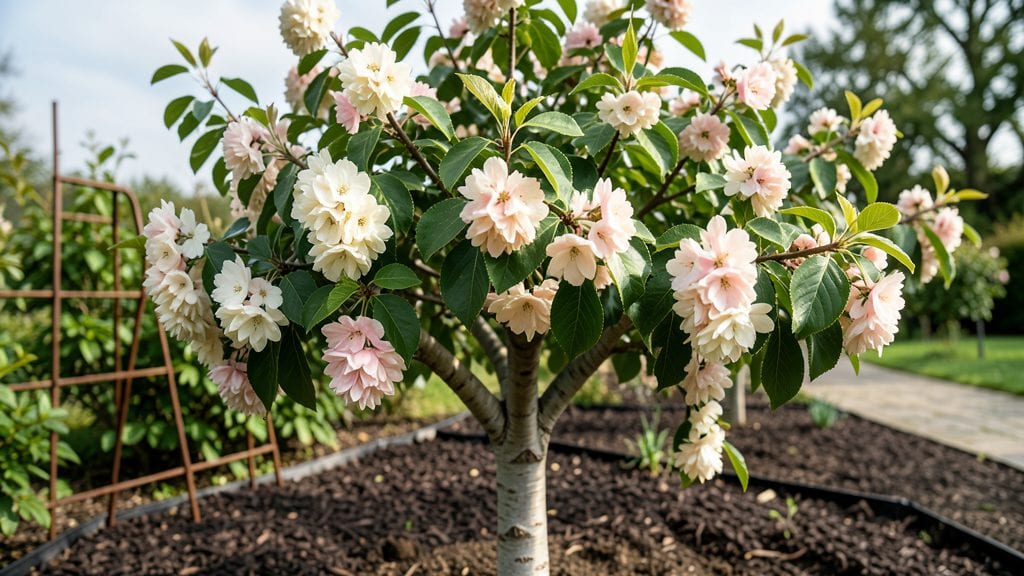
Flowering pear leaf shrubs are the unsung heroes of spring—until those leaves start looking sad. 🌿 I’ve seen fire blight turn glossy green into blackened messes, powdery mildew turn them fuzzy white, and mites suck the life right out of them.
The good news? Most issues are fixable with the right care.
This deciduous shrub thrives when you match its needs to the season. Too much shade? Yellowing leaves. Overwatering? Curling edges. But get the balance right—sunlight, water, and airflow—and you’ll keep those fragrant leaves lush and pest-free.
The key is early action: spot a problem, identify it, and treat it before it spreads.
By summer’s end, your shrub will reward you with vibrant foliage and those iconic spring blooms. The leaves stay healthy enough to garnish dishes or cocktails without stress. Think of it as a two-season gift: beauty in bloom and harvestable greens.
We’ll cover how to diagnose common issues, step-by-step fixes, and seasonal care to keep your shrub thriving year after year. No more guessing—just healthy, fragrant leaves whenever you need them.
📚 In This Guide
- What you need
- Instructions
- Tips and common mistakes
- Wrapping up and next steps
What you need
- ● Flowering pear leaves: 1 cup (fresh, organic, and pesticide-free for best flavor). Tip: Harvest from a Pyrus calleryana (Bradford pear) or similar variety in early spring when blooms are fresh!
- ● Simple syrup: ½ cup (1:1 ratio sugar-to-water). Pro tip: Use raw honey or agave for a floral twist!
- ● Lemon juice: 1 tbsp (freshly squeezed for brightness).
- ● Water: ½ cup (filtered or spring water preferred).
- ● Small saucepan: 1 (for heating the syrup).
- ● Fine-mesh strainer: 1 (to remove leaf bits).
- ● Clean glass jar: 1 (8–12 oz, sterilized).
- ● Wooden or silicone spoon: 1 (for stirring gently).
- ● Chef’s knife & cutting board: For trimming leaves (if needed).
- ○ Food processor or blender: Optional, for finely chopping leaves (if you prefer a smoother infusion).
- ○ Essential oils (optional): 1–2 drops of pear or jasmine oil to enhance aroma.
- ● Herbs for pairing: Mint, basil, or lavender sprigs (to complement flavors).
- ● Air-tight container: For long-term storage (if not using immediately).
How to grow and maintain a fragrant flowering pear leaf shrub
Here's the straightforward approach to cultivating this elegant, aromatic shrub for both garden beauty and culinary garnishes.
🌱 Step 1: Select and Prepare the Planting Site
Flowering pear leaf shrubs thrive in full sun to partial shade—at least 6 hours of sunlight daily is ideal. I always choose a spot with well-draining soil, as these plants hate soggy roots. If your soil is heavy clay, mix in 2-3 inches of compost to improve drainage before planting.
Dig a hole twice as wide as the root ball but only as deep. This encourages roots to spread outward rather than settling too deep, which can stunt growth. Gently loosen the roots if they're circling tightly in the container—just tease them apart with your fingers.
☀️ Step 2: Plant at the Right Depth and Water Thoroughly
Place the shrub in the hole so the top of the root ball sits 1 inch below soil level. This prevents the stem from rotting while allowing roots to establish properly. Backfill with native soil, pressing lightly to remove air pockets but not compacting too firmly.
Water deeply right after planting—about 1 gallon for every inch of trunk diameter. You'll know it's enough when water drains out the bottom of the hole. Mulch around the base with 2-3 inches of organic mulch, keeping it 6 inches away from the stem to prevent rot.
💧 Step 3: Establish a Consistent Watering Routine
For the first two weeks, keep the soil evenly moist—water when the top 2 inches feel dry. After that, reduce to once a week unless you're in extreme heat or drought. Flowering pear leaf shrubs are drought-tolerant once established, but they reward consistent moisture with lush, fragrant foliage.
I always water in the early morning to reduce evaporation and fungal risks. Avoid wetting the leaves themselves—direct water on the soil to encourage deep root growth. Yellowing leaves usually mean overwatering, while crispy edges signal underwatering.
✂️ Step 4: Prune for Shape and Encourage Bushiness
Prune right after flowering to shape the shrub and promote dense growth. Use clean, sharp pruners to cut back one-third of the oldest stems to the ground. This rejuvenates the plant and encourages new, fragrant shoots. Always prune just above a leaf node or bud to stimulate growth.
Remove any dead, diseased, or crossing branches first—they compete for nutrients and can spread problems. I like to prune in early spring before new growth starts, but you can also do a light trim in late summer to maintain shape. Never prune more than one-third at a time, or you'll shock the plant.
🌿 Step 5: Fertilize for Fragrant, Healthy Growth
Apply a balanced, slow-release fertilizer (10-10-10) in early spring when new growth appears. Use half the recommended rate—these shrubs don’t need much to thrive. Spread the fertilizer evenly over the root zone, then water deeply to activate it.
Skip fertilizer in fall or winter—the plant needs to rest. If you notice pale leaves or stunted growth, it’s a sign of over-fertilizing. I also add a handful of compost around the base every fall to replenish nutrients naturally. The stronger the roots, the more fragrant the leaves!
Tips & tricks for perfect flowering pear leaf shrubs
These simple strategies will help you cultivate fragrant, healthy flowering pear leaf shrubs that'll elevate your dishes and cocktails.
Sunlight Strategy: Pay close attention to that 6-hour sunlight minimum - these shrubs need it for strong growth and maximum fragrance. If your garden gets afternoon shade, place the shrub where it catches morning sun. I've noticed the most aromatic leaves come from plants getting full sun, though they'll tolerate partial shade if you're in a hot climate. The key is consistent light exposure throughout the day.
Root Establishment: That 1-inch depth placement during planting is crucial - it prevents stem rot while encouraging roots to spread outward. I learned this the hard way after planting one too deep and watching it struggle for months. When loosening circling roots, be gentle - you're not trying to damage them, just encourage outward growth. Think of it like unraveling a ball of yarn rather than tearing it apart.
Watering Wisdom: The first two weeks are critical for root establishment, so don't skip that evenly moist soil requirement. I use my finger to check moisture - if the top 2 inches feel dry, it's time to water. For established plants, that once-a-week guideline works well, but adjust for your climate. In extreme heat, you might need to water twice weekly. The goal is consistent moisture without waterlogging.
Pruning Precision: When cutting back those one-third oldest stems, always prune just above a leaf node or bud. This simple technique stimulates new growth where you want it. I mark the stems I'm removing with a piece of tape before cutting to avoid mistakes. Remember that late summer trim is just for maintenance - the real growth boost comes from that early spring prune right after flowering.
Pro Tips for Flowering Pear Leaf
- These simple strategies will help you cultivate fragrant, healthy flowering pear leaf shrubs that'll elevate your dishes and cocktails.
- Sunlight Strategy: Pay close attention to that 6-hour sunlight minimum - these shrubs need it for strong growth and maximum fragrance.
- Root Establishment: That 1-inch depth placement during planting is crucial - it prevents stem rot while encouraging roots to spread outward.
Frequently asked questions
Got questions about growing and using flowering pear leaf shrubs? You’re not alone! Here are some of the most common queries—and their answers—to help you navigate fragrant foliage with confidence.
When is the best time to harvest flowering pear leaves for cocktails or dishes?
The ideal time is late spring to early summer, just as the flowers fade but before the leaves harden. Harvest in the morning after the dew dries for the most vibrant flavor and aroma. Avoid over-harvesting—never take more than 1/3 of the plant’s leaves at once to keep it thriving!
How do I keep my flowering pear shrub healthy and encourage leaf growth?
Flowering pear shrubs love well-draining soil and full sun (6+ hours/day). Water deeply but infrequently—let the top inch of soil dry out between waterings. Prune after flowering to shape the shrub and remove dead growth. A light layer of mulch helps retain moisture and deter weeds.
Can I substitute flowering pear leaves for other herbs in recipes?
Yes! While unique, their subtle floral, slightly citrusy notes work well in place of basil, mint, or even bay leaves in savory dishes. For cocktails, they’re a stunning (and aromatic) garnish—try them in gin-based drinks or sparkling lemonades. Just remember: use sparingly to avoid overpowering flavors.
Why are my flowering pear leaves turning yellow or brown?
Yellowing leaves often signal overwatering or poor drainage. Brown edges? It could be underwatering or salt buildup from tap water. Check soil moisture, adjust watering habits, and ensure the pot has drainage holes. If pests (like spider mites) are the culprit, treat with neem oil or insecticidal soap.
Do flowering pear shrubs attract pollinators like bees or butterflies?
Their fragrant blooms are a magnet for bees, butterflies, and hummingbirds—making them a garden-friendly choice. If you’re using leaves for culinary purposes, harvest gently to avoid disturbing pollinators. Plus, their presence boosts your garden’s biodiversity!
Wrapping up and next steps
Cultivating a flowering pear leaf shrub is a rewarding way to add a burst of fragrant elegance to your garden—and your cocktails! 🌸 Whether you’re drawn to its delicate blooms or its culinary versatility, this shrub offers both beauty and function.
Now that you’re equipped with the know-how, why not plant one today and start experimenting with its leaves in your next dish or signature drink?
For those eager to dive deeper, explore local nurseries or online plant databases to find the perfect variety for your climate. Happy growing—and cheers to your floral-inspired creations! 🍹✨