
Shrubs
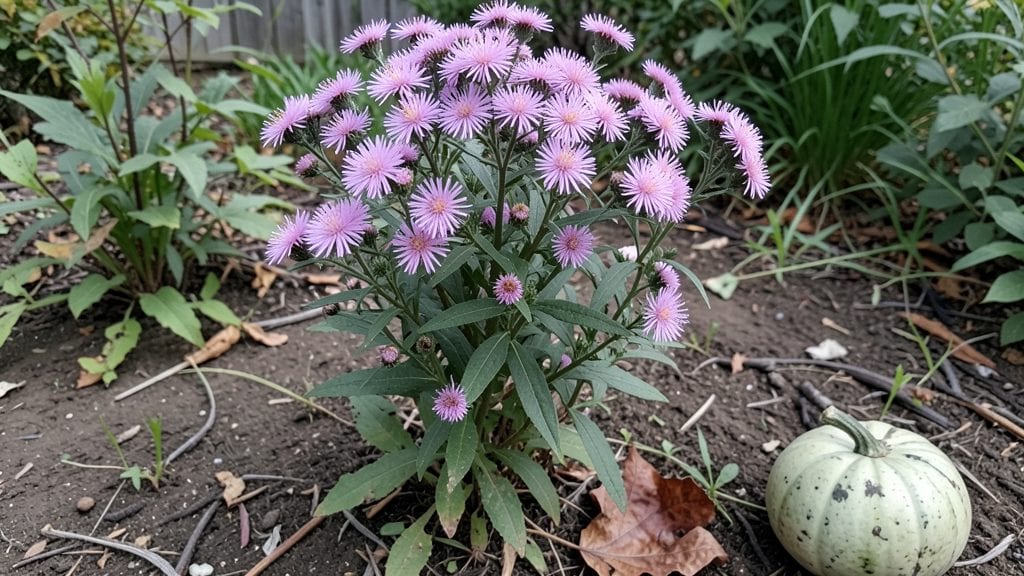
Fall flowering bushes turn your yard into a late-season masterpiece without the summer maintenance. I’ve learned the hard way that skipping these plants means missing out on vibrant colors when everything else fades—my hydrangeas alone put on a show from September through frost.
The secret isn’t complicated: choose the right varieties, give them a little seasonal TLC, and they’ll reward you with blooms when most gardens look tired.
These bushes thrive in fall because they’re built for cooler weather and shorter days. Think hydrangeas that deepen to blush and burgundy, cotoneasters bursting with red berries, or asters that dance in purple and white.
They handle light frosts better than spring bloomers and often rebloom if you deadhead spent flowers. Plus, their foliage adds texture—some even turn fiery red or gold before winter sets in.
By late October, your garden will feel like a cozy retreat with layers of color and movement. Pair deep purple asters with golden barberry for contrast, or let hydrangeas spill over a fence as a living curtain.
The best part? These bushes need minimal fuss after planting—just a little pruning in early spring and occasional watering to keep them going through dry spells.
Whether you’re working with a small patio or a sprawling backyard, these plants adapt easily. They’re tough enough for beginners but still look like a pro designed them. Here’s how to pick the perfect ones for your space and keep them blooming season after season.
📚 In This Guide
- What you need
- Instructions
- Tips and common mistakes
- Wrapping up and next steps
What you need
- ● Fall flowering bushes: Choose from varieties like Hydrangea paniculata, Abelia, Weigela, or Fothergilla (1–3 plants, depending on garden size).
- ● Garden soil: 1–2 bags of high-quality, well-draining potting mix (50 lbs each) for planting or amending soil.
- ● Organic fertilizer: Slow-release granular fertilizer (e.g., 10-10-10 or 5-10-5) for nutrient boost (1 lb per bush).
- ● Mulch: 2–3 bags of shredded bark or pine straw (1 cubic foot each) to retain moisture and suppress weeds.
- ● Pruning tools: Bypass pruners (1 pair, sharp and clean)
- ● Loppers (1 pair, for thicker stems)
- ○ Hand saw (optional, for stubborn branches)
- ○ Gloves & safety gear: Heavy-duty gardening gloves (1 pair) and safety goggles (optional but recommended).
- ● Watering supplies: Hose with adjustable nozzle (for deep watering)
- ○ Watering can (optional, for smaller bushes)
- ○ Staking materials (optional): 3–4 bamboo stakes and soft ties for young or top-heavy bushes.
- ● Location: A spot with 6+ hours of sunlight (adjust for shade-tolerant varieties like Fothergilla).
- ○ Soil test (optional but helpful): Check pH (ideal: 5.5–6.5 for most fall bloomers).
- ● Timing: Plant in early spring or fall (avoid extreme heat/cold). Prune after flowering (late fall/winter).
- ○ Weather prep: Lightweight frost cloth (optional, for tender varieties in early frost zones).
Instructions for planting fall flowering bushes
Here's how to select, plant, and care for fall-blooming shrubs that bring seasonal color with minimal upkeep.
Choose the Right Varieties for Your Climate
Start by selecting bushes that thrive in your hardiness zone and bloom reliably in fall. Popular options include clethra, hydrangea, abelia, and smokebush, all of which offer vibrant foliage and flowers well into autumn. Check the plant tags for fall bloom time—some varieties like hydrangea 'Limelight' extend color into early winter.
I always plant at least one bush per season to ensure continuous blooms. For example, pair a spring bloomer like azalea with a fall favorite like cotoneaster to keep your garden lively year-round. Avoid overcrowding—space bushes 6 to 10 feet apart, depending on their mature size, to allow airflow and prevent disease.
Prepare the Planting Site
Fall-flowering bushes thrive in well-draining soil with partial to full sun, though some like hydrangeas tolerate shade. Test your soil’s drainage by digging a 6-inch hole—if water pools after 30 minutes, amend the soil with 2 inches of compost or sand to improve drainage.
Dig a hole twice as wide as the root ball but no deeper. Loosen the roots gently if they’re circling the pot, as this encourages outward growth. Place the bush in the hole so the top of the root ball sits level with the ground—burying too deep can suffocate the plant, while planting too high stresses roots.
Plant and Water Thoroughly
Backfill the hole with native soil, pressing lightly to remove air pockets. Water deeply until the soil is evenly moist to 12 inches down, which helps roots establish quickly. Mulch around the base with 2 to 3 inches of shredded bark, keeping it 6 inches away from the stem to prevent rot.
I always water newly planted bushes every 2 to 3 days for the first 2 weeks, checking that the soil stays consistently moist but not soggy. Overwatering at this stage can lead to root rot, while underwatering stresses the plant before it’s settled in. Use a soaker hose to deliver water slowly at the base.
Prune for Fall Blooms and Winter Health
Prune late winter or early spring—just after the last frost—to shape the bush and encourage strong fall growth. Remove dead, diseased, or crossing branches first, then trim back overly leggy growth by one-third to promote bushier blooms. Avoid heavy pruning in fall, as new growth won’t harden off before winter.
For bushes like clethra, which bloom on new wood, prune right after flowering to redirect energy into next season’s blooms. If you’re unsure, wait until spring—better late than too early. Always sterilize pruners with rubbing alcohol between cuts to prevent spreading disease.
Maintain Through the Seasons
Feed bushes in early spring with a balanced, slow-release fertilizer (10-10-10) to support new growth. Water deeply once a week during dry spells, aiming for 1 inch of water per week. In fall, reduce watering as temperatures drop, but keep soil slightly moist until the ground freezes.
Watch for aphids or spider mites, common pests on fall-blooming shrubs. Spray infested areas with neem oil or insecticidal soap if you spot sticky residue on leaves or fine webbing. Deadhead spent blooms in late fall to keep the bush looking tidy, but leave seed heads for winter interest if you prefer a natural look.
Tips & tricks for perfect fall flowering bushes
A few strategic moves will help your fall-blooming shrubs thrive with less effort and more spectacular color. Here's what I've learned after years of trial and error in my own garden.
Variety Pairing Strategy: When selecting bushes for Step 1, aim for a mix of bloom times and colors. For example, plant clethra with its fragrant white blooms alongside hydrangea 'Limelight' for golden-yellow contrast. This creates a layered effect where one variety fades just as another peaks, extending your fall color show from September through November. I've found this approach adds 4-6 weeks of continuous interest compared to planting single varieties.
Soil Test Shortcut: Instead of waiting for professional soil testing, use the simple 30-minute drainage test from Step 2 as your guide. If water disappears within 15 minutes, you're good to plant. Between 15-30 minutes suggests moderate drainage that may need compost amendment. Anything over 30 minutes means you'll need to mix in 2-3 inches of sand or perlite before planting. This quick test saves time and money while giving you reliable results.
Watering Hack: For the critical 2-week watering period in Step 3, I've found that setting a timer for every 2-3 days at the same time each morning creates consistency. Use the soaker hose method to deliver water slowly at the base, which reduces evaporation and ensures moisture reaches those 12 inches deep. Pro tip: Place a rain gauge near your planting site to track exactly how much water you're applying—this prevents both overwatering and underwatering.
Pruning Timing Secret: The late winter/early spring pruning window in Step 4 is your best opportunity to shape bushes while they're still dormant. I mark my calendar for the last frost date in my zone, then schedule pruning 2-3 weeks after that. This timing allows any new growth to harden off before summer heat arrives. For varieties like clethra that bloom on new wood, pruning immediately after flowering in fall actually encourages next year's blooms to be even more abundant.
Pro Tips for Fall Flowering Bushes
- A few strategic moves will help your fall-blooming shrubs thrive with less effort and more spectacular color.
- Variety Pairing Strategy: When selecting bushes for Step 1, aim for a mix of bloom times and colors.
- Soil Test Shortcut: Instead of waiting for professional soil testing, use the simple 30-minute drainage test from Step 2 as your guide.
Frequently asked questions
Got questions about adding fall flowering bushes to your landscape? You’re not alone! Here are some of the most common concerns and their simple solutions:
When is the best time to plant fall flowering bushes?
Late summer to early fall (August through October) is ideal! The soil is still warm, encouraging root growth, while cooler air reduces stress. This timing also gives bushes time to establish before winter. Just avoid planting when frost is forecasted.
How long do fall flowers typically last on these bushes?
Most fall bloomers, like Abelia or Weigela, last 4–6 weeks, starting in September and lasting into October. Some varieties, such as Hydrangea ‘Limelight,’ can extend blooms into November with proper care. Deadheading spent flowers can encourage a second flush in some cases.
Can I grow fall flowering bushes in containers?
Dwarf varieties like Dwarf Fothergilla or Compact Abelia thrive in containers. Use well-draining soil and a pot at least 12–18 inches wide. Move containers to a sheltered spot in winter to protect roots from freezing. Just remember to water regularly—containers dry out faster!
Are these bushes prone to pests or diseases?
Most fall flowering bushes are low-maintenance, but watch for aphids, spider mites, or powdery mildew in humid climates. Prune for airflow, water at the base, and use neem oil if issues arise. Resistant varieties like Clethra (summer sweet) rarely face major problems, making them a great choice for beginners.
Do fall flowering bushes need full sun?
Not always! Many, like Pieris japonica (andromeda), tolerate partial shade (3–6 hours of sun). Check the specific variety—some, such as Hydrangea ‘Annabelle,’ thrive in full sun. If planting in shady spots, choose acid-loving shrubs (e.g., Rhododendron) for best results.
Still unsure? Drop your question in the comments—we’re happy to help!
Wrapping up and next steps
Fall flowering bushes are your secret weapon for effortless autumn charm—bringing vibrant blooms, seasonal texture, and low-maintenance beauty to your garden. Whether you’re drawn to fiery cotoneasters, delicate smoke bushes, or fragrant abutilon, these plants prove that stunning color doesn’t require endless upkeep. 🍂
Ready to transform your outdoor space? Start by picking 1-2 varieties that suit your climate and style, then plant them in well-draining soil with a splash of mulch for extra care. Before you know it, your yard will be the talk of the neighborhood—without the fuss! 🌿
Next step: Grab a trowel and get planting—your future fall garden is waiting!