
Container Gardens
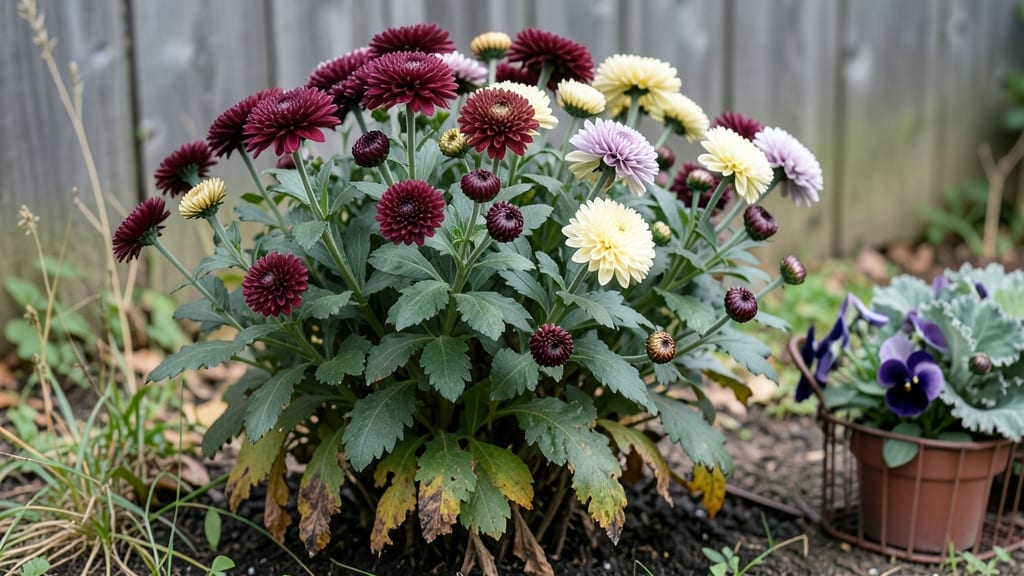
Creating fall flower baskets that burst with seasonal color and intoxicating fragrance is the easiest way to turn your porch or patio into an autumnal showstopper. 🌿 I learned this the hard way—my first attempt with summer annuals lasted exactly two weeks before wilting under crisp air.
This year, I’m sharing the plant combos and care tricks that keep baskets vibrant through November, even when frost threatens.
The secret starts with the right plants: mums for bold color, snapdragons for height, heuchera for deep burgundy foliage, and sweet alyssum for delicate white blooms.
Mix in fragrant herbs like lavender or rosemary for texture and scent, and choose containers with drainage holes—no soggy roots means longer-lasting blooms. A slow-release fertilizer at planting gives them a head start before cooler temps slow growth.
By mid-October, your baskets will be the neighborhood’s most talked-about display, with velvety petals in burnt orange, deep red, and golden yellow contrasting against crisp air. The key to extending their life?
Watering in the morning to prevent fungal growth, wrapping them in frost cloth on chilly nights, and swapping out wilted blooms with fresh cuts from your garden. Even in December, a well-cared-for basket can still look stunning.
This works for porches, balconies, or front steps—just adjust plant sizes to your container depth. The same principles apply whether you’re using hanging baskets, window boxes, or large planters. Let’s get those seasonal colors going before the first frost hits!
📚 In This Guide
- What you need
- Instructions
- Tips and common mistakes
- Wrapping up and next steps
What you need
- ● Flower basket: A hanging basket (12–18 inches wide) with drainage holes (plastic, woven, or metal).
- ● Potting soil: High-quality, well-draining container mix (2–3 gallons) with added compost or peat moss.
- ● Slow-release fertilizer: 10–10–10 or 14–14–14 blend (1–2 tbsp) for nutrients.
- ● Mulch: Cocoa fiber or pine bark (½ cup) to retain moisture.
- ● Primary blooms (3–4 plants): Mums (Chrysanthemum) – 3 varieties (e.g., 'Dynasity' or 'Bonn')
- ● Ornamental kale (Brassica oleracea) – 1–2 plants (purple or lime)
- ● Filler plants (2–3 plants): Sweet alyssum (Lobularia maritima) – cascading white/pink
- ● Heuchera ('Palace Purple') – deep burgundy foliage
- ○ Fragrant accents (optional): Lavender (Lavandula) – 1–2 sprigs
- ● Dianthus ('Firewitch') – for poppy-red blooms
- ● Hand trowel (for planting)
- ● Pruning shears (to trim stems)
- ● Watering can (with a fine rose nozzle)
- ● Hanging hook/chain (if mounting outdoors)
- ○ Decorative accents (optional): Mini fairy lights (battery-operated)
- ● Ribbon or burlap for a rustic touch
Step-by-Step instructions for creating stunning fall flower baskets
Here's how to craft vibrant, fragrant containers that thrive through autumn's crisp air.
🪴 Step 1: Select and Prepare Your Baskets
Choose 4 hanging baskets with sturdy handles and drainage holes—wire baskets work best for durability. I prefer 14-16 inch diameter ones to accommodate seasonal blooms without overcrowding. Before planting, line the bottom with 1-2 inches of sphagnum moss to prevent soil from falling through the holes and to retain moisture.
Place a plastic nursery pot (slightly smaller than the basket) upside-down in the center. This creates a reservoir for water and keeps roots from circling the edges. Fill the basket with 3 gallons of lightweight potting mix enriched with 1 cup of slow-release fertilizer. Use your fingers to fluff the soil—it should feel airy but hold together when gently squeezed.
🌱 Step 2: Choose Seasonal Plants for Color and Fragrance
For 4 baskets, select a mix of moss rose (Portulaca), pansies, snapdragons, and ornamental kale—each brings texture and scent. I plant 3 moss roses (for trailing beauty), 5 pansies (for vibrant color), 4 snapdragons (for vertical interest), and 2 kale plants (for deep green contrast). Dig small holes—just deep enough to accommodate roots without bending stems.
Here's the thing—space matters. Arrange plants so trailing varieties spill over the edges while upright ones fill the center. Press soil gently around roots to eliminate air pockets, then water thoroughly until it drains from the bottom. This ensures roots establish quickly in cooler fall temperatures.
☀️ Step 3: Position for Optimal Light and Airflow
Fall baskets need 4-6 hours of sunlight daily—a south or west-facing porch works best. Avoid deep shade, which causes leggy growth and weak stems. I hang mine 5-6 feet above ground so they catch gentle breezes that prevent fungal diseases. The key is balance: enough sun for blooms but not scorching heat that dries soil too fast.
Check soil moisture every 2-3 days—fall air is crisp, but roots still need consistent hydration. Water in the morning so foliage dries by evening. You'll notice wilting leaves if you wait until afternoon; that's your signal to adjust your watering schedule. A 1-gallon watering can ensures even distribution without oversaturating.
✂️ Step 4: Maintain with Pruning and Fertilizing
Deadhead spent blooms weekly to encourage new flowers. Use clean scissors to snip just above the next set of leaves—this redirects energy to growth instead of seed production. I also trim leggy stems to half their length if they exceed 12 inches, promoting bushier, fuller plants.
Every 3-4 weeks, apply ½ cup of balanced liquid fertilizer (10-10-10) dissolved in water. Fall's shorter days slow growth, so you won't need heavy feeding, but a little boost keeps pansies and snapdragons blooming until frost. Watch for yellowing leaves—that's a sign of over-fertilizing, so cut back if it happens.
⏰ Step 5: Extend the Season with Protective Measures
When nighttime temperatures drop below 40°F, cover baskets with frost cloth after sunset. This shields tender plants without trapping excess heat. I secure the fabric with clothespins and remove it by 10 AM so baskets get full sun. This simple step can extend your display by 2-3 weeks into early winter.
Real talk: don't let soil freeze. If your area gets hard frosts, bring baskets indoors to a garage or covered porch where temps stay above 35°F. Dormant pansies and snapdragons will survive light freezes, but soggy roots from melting snow will rot them overnight. A little planning now saves heartbreak later.
Tips & tricks for perfect fall flower baskets
Between us, creating fall flower baskets that last through the season takes a few strategic moves—here's what nobody tells you about keeping them vibrant and fragrant.
The Light Factor: In Step 3, when positioning your baskets for 4-6 hours of sunlight, pay attention to the angle of light throughout the day. Morning sun on the east side and afternoon sun on the west side creates ideal conditions for your pansies and snapdragons. I've found that rotating baskets every few days ensures even exposure, especially if your porch gets partial shade from nearby trees. This prevents one-sided growth and keeps your display looking full and symmetrical.
Soil Science: The 3 gallons of lightweight potting mix in Step 1 should feel like damp sponge cake—not muddy, not powdery. I always mix in an extra ¼ cup of perlite to improve drainage, which is crucial during fall's unpredictable rain showers. This prevents waterlogging that can lead to root rot, especially with the moss rose trailing varieties. After planting, press the soil firmly around each stem to eliminate air pockets—this helps roots establish more quickly in cooler temperatures.
Fertilizer Timing: When applying that ½ cup of balanced liquid fertilizer every 3-4 weeks in Step 4, I've learned the hard way that timing matters. Always fertilize in the morning so plants can absorb nutrients before evening temperatures drop. Also, dilute the fertilizer to half-strength—this prevents salt buildup in the soil that can damage delicate roots. The key is consistency: regular light feedings work better than heavy applications that can burn tender fall foliage.
Frost Protection Strategy: For the 40°F threshold in Step 5, I recommend testing your frost cloth first. Some fabrics can trap too much moisture when wet, which actually promotes fungal growth. Look for breathable frost cloth rated for 25-30°F protection. When temps drop below 35°F overnight, I also add a layer of bubble wrap around the basket edges—this creates an extra insulating barrier without blocking airflow. Remove both layers by 10 AM to prevent overheating during the day.
Pro Tips for Fall Flower Baskets
- Between us, creating fall flower baskets that last through the season takes a few strategic moves—here's what nobody tells you about keeping them vibrant and fragrant.
- The Light Factor: In Step 3, when positioning your baskets for 4-6 hours of sunlight, pay attention to the angle of light throughout the day.
- Soil Science: The 3 gallons of lightweight potting mix in Step 1 should feel like damp sponge cake—not muddy, not powdery.
Frequently asked questions
Got questions about creating stunning fall flower baskets?
You’re not alone! Here are answers to the most common queries to help you craft beautiful, long-lasting displays with ease.
When is the best time to plant fall flower baskets?
For most regions, late summer to early fall (around August through September) is ideal. This timing lets plants establish roots before cooler weather arrives. In warmer climates, you can extend planting into October. Check your local frost dates to avoid planting too late!
How often should I water my fall flower baskets?
Water daily or every other day in the first week after planting, as baskets dry out faster than in-ground gardens. Once established, aim for 1–2 inches of water per week, adjusting for rain. Pro tip: Use a moisture meter or stick your finger in the soil—if the top inch is dry, it’s time to water!
What pests or diseases should I watch for in fall?
Common issues include aphids, spider mites, and powdery mildew. Inspect leaves regularly for signs like yellowing, webbing, or white powder. Use neem oil or insecticidal soap for pests, and ensure baskets have good airflow to prevent mildew. Prune affected foliage promptly to keep plants healthy.
Can I reuse last year’s basket or soil?
Reusing baskets is fine, but refresh the soil to avoid nutrient depletion or disease buildup. Mix in compost or slow-release fertilizer before replanting. If you notice mold or pests, sterilize the container with a 10% bleach solution (rinse well!) or replace the soil entirely for a clean start.
What are some low-maintenance fall flowers for baskets?
Opt for hardy, drought-tolerant varieties like pansies, snapdragons, or ornamental kale. For fragrance, try sweet alyssum or dusty miller. These thrive in cooler weather and require minimal fuss. Bonus: Mix in evergreen fillers like heuchera for year-round structure!
How do I protect baskets from early frost?
Move baskets to a sheltered spot (like a porch or garage) before temperatures drop below 25°F. Wrap them in burlap or frost cloth for extra protection. If frost hits, trim damaged leaves and resume care once temperatures rise. Pro tip: Elevate baskets to prevent waterlogging from melting snow!
Wrapping up and next steps
Transforming your space with fall flower baskets is a rewarding way to embrace the season’s beauty—without the fuss! 🌿 From fragrant petals to bold hues, these containers bring warmth, texture, and charm to patios, porches, and balconies.
Whether you’re a gardening pro or a beginner, the key is selecting the right blooms, containers, and care routine to keep them thriving.
Ready to dive in? Start small—pick a basket, gather your favorite seasonal flowers, and let your creativity bloom! 🌸 Next up: Snap a photo of your finished masterpiece and tag us—we’d love to see your fall-inspired creations!