
Shrubs
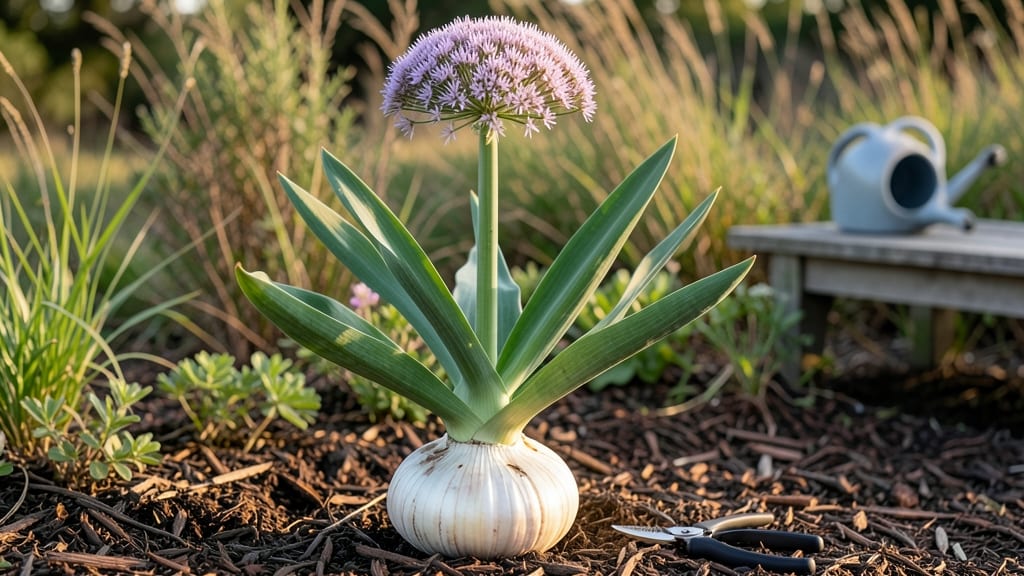
Elephant garlic flowering transforms your garden into a fragrant, buzzing oasis—those tall, dramatic stalks aren’t just pretty, they’re edible and packed with pollinators. 🌿 I’ll never forget the first time I saw my elephant garlic send up a 5-foot-tall flower stalk in early summer, covered in tiny white blooms that hummingbirds adored.
The flowers taste mild and garlicky, perfect for garnishes or pestos, while the bulbs keep growing bigger beneath the ground.
The timing depends on your climate, but most elephant garlic flowers in late spring to early summer—about 6-8 months after planting. Larger bulbs (those 3+ inches across) tend to flower more reliably, while smaller ones may skip it entirely.
If you’re growing for bulbs, you can snip the flower stalk early to redirect energy underground, but leaving it brings bees, butterflies, and that extra harvest of edible blossoms.
Those blooms aren’t just showy—they’re a pollinator magnet, drawing bees that’ll visit your other plants too. The flowers fade fast, but new ones keep coming for weeks, giving you a steady supply of garnishes.
Plus, the bulbs you harvest after flowering are often 2-3 times larger than non-flowering ones, thanks to the extra energy stored during the growing season.
Here’s the catch: if you’re in a hot, dry climate, flowering can stress the plant. Mulch heavily, water deeply, and consider staking tall stalks to prevent them from flopping over.
The trade-off? A garden that’s both productive and alive with activity—just don’t blame me when you start seeing more bees than you know what to do with.
📚 In This Guide
- What you need
- Instructions
- Tips and common mistakes
- Wrapping up and next steps
What you need
- ● Elephant garlic bulbs: 10–20 bulbs (separated into individual cloves for planting). Opt for organic or heirloom varieties for best results.
- ● Well-draining soil: Mix equal parts garden soil, compost, and perlite/sand (for sandy or clay-heavy areas). Aim for a pH of 6.0–7.0.
- ● Sunlight access: A full-sun to partial-shade spot (6+ hours of direct sunlight daily for optimal flowering).
- ● Watering can or drip irrigation: For consistent moisture (avoid soggy soil!).
- ○ Mulch (optional but recommended): Straw, wood chips, or shredded leaves (2–3 inches) to retain moisture and suppress weeds.
- ● Garden fork or trowel: For digging planting holes (12–18 inches deep, spaced 12–18 inches apart).
- ● Pruning shears: To trim dead foliage or shape plants post-flowering.
- ○ Gloves (optional): To protect hands from sharp bulb edges or soil.
- ○ Pollinator-friendly companions (optional): Plant nearby: lavender, bee balm, or marigolds to extend the blooming season and attract more visitors!
How to encourage elephant garlic flowering for edible blooms
Here's how to coax those stunning, pollinator-friendly blooms from your elephant garlic—without sacrificing harvest.
🌱 Step 1: Select and Plant Bulbs for Optimal Flowering
Choose large, firm elephant garlic bulbs (the bigger the cloves, the better the blooms). Plant them in well-draining soil enriched with 2-3 inches of compost—this gives roots the energy they need to produce flowers later. Break apart the bulb and plant each clove 4-6 inches deep, with the pointed end facing up.
Space plants 12-18 inches apart in full sun (at least 6-8 hours daily). Elephant garlic needs strong light to develop the energy reserves required for flowering. If your climate gets hotter than 85°F, provide afternoon shade to prevent bulb stress—stressed plants often skip flowering entirely.
☀️ Step 2: Maintain Consistent Water and Fertility
Water deeply once a week, ensuring the soil stays evenly moist but not soggy—elephant garlic hates waterlogged roots. The key is steady moisture, not frequent light waterings. You'll know it's right when the top 2 inches of soil feel dry to the touch but deeper layers stay damp.
Feed with a balanced organic fertilizer (like 5-5-5) once in early spring and again when shoots reach 6 inches tall. Avoid high-nitrogen fertilizers—they encourage leafy growth at the expense of flowering. Instead, use a low-nitrogen, high-phosphorus blend to promote bloom development.
⏰ Step 3: Monitor Growth and Support Flower Stems
When leaves reach 12-18 inches tall, you'll see a thick, sturdy stalk emerge from the center. This is your flower stem—do not cut it off! Many gardeners remove garlic scapes (flower stalks) to redirect energy to bulbs, but elephant garlic produces edible, ornamental blooms that attract pollinators and can be harvested separately.
Once the stalk reaches 12-18 inches, gently tie it to a small stake with soft twine. This prevents it from flopping over in wind or rain. The flowers will open in late spring to early summer, depending on your climate—watch for purple-pink buds that unfold into star-shaped blooms.
🌿 Step 4: Harvest Blooms and Preserve the Bulbs
Cut individual flower stems when buds are fully open but before they seed—this encourages more blooms to form. Use clean pruning shears and cut just above a leaf node to promote regrowth. The flowers are edible (mild garlic flavor) and make stunning garnishes or pollinator-friendly bouquets.
After flowering, leave the leaves until they yellow naturally—this ensures the bulb continues storing energy. Once leaves brown completely (usually late summer), dig up the bulbs carefully with a fork. Let them dry in a shady, well-ventilated spot for 2-3 weeks before storing. The bulbs will be larger than average due to the energy spent on flowering.
✂️ Step 5: Plan for Next Season’s Flowering
Save the largest, healthiest bulbs for replanting—they’ll produce even more dramatic flowers next year. Break apart the bulb and replant the biggest cloves in fall or early spring. Over time, your elephant garlic patch will become a self-sustaining pollinator magnet with edible blooms and giant harvests.
Real talk: The first year might be sparse, but by year two, you’ll have dozens of stems—each one a magnet for bees, butterflies, and hummingbirds. And the best part? You get double the harvest: bulbs for cooking and flowers for plates and pollinators.
Tips & tricks for encouraging elephant garlic blooms
Transforming your elephant garlic into a pollinator paradise takes patience and precision—but these insider tips will help you maximize those stunning edible blooms.
Bulb Selection Matters: I can't stress enough how important this first step is. Look for bulbs with cloves that are at least 2 inches in diameter—these will produce the most dramatic flower stalks. Smaller cloves often focus energy on bulb growth rather than blooms. Also, avoid any bulbs with soft spots or sprouts, as these indicate poor storage conditions that will affect flowering potential.
Soil Temperature Secret: The 85°F threshold mentioned for heat stress is critical, but here's what nobody tells you: soil temperature matters just as much as air temperature. Use a soil thermometer to confirm your planting area stays between 60-70°F during the first 4-6 weeks after planting. Cooler soil speeds up root establishment, which means more energy for flowering later. If your soil runs hotter, mulch with straw to insulate the roots.
Fertilizer Timing Hack: When the instructions mention feeding again at 6 inches tall, here's my pro move: switch to a fish emulsion or kelp-based fertilizer at this stage. These provide trace minerals that boost bloom production without overfeeding the leaves. I apply it in the evening to prevent leaf burn from the sun's intensity. This small change makes a noticeable difference in flower quantity by year two.
Flower Stem Support System: The stakes and twine mentioned are great, but I've found that bamboo stakes work better than wooden ones because they're lighter and won't rot as quickly in moist soil. For extra stability, I insert the stake at a 45-degree angle and tie the stem at two points—once at the base and again mid-stem. This prevents the flowers from flopping even in strong winds, ensuring they stay upright for pollinators.
Pro Tips for Elephant Garlic Flowering
- Transforming your elephant garlic into a pollinator paradise takes patience and precision—but these insider tips will help you maximize those stunning edible blooms.
- Bulb Selection Matters: I can't stress enough how important this first step is.
- Soil Temperature Secret: The 85°F threshold mentioned for heat stress is critical, but here's what nobody tells you: soil temperature matters just as much as air temperature.
Frequently asked questions
Got questions about elephant garlic flowering? You’re not alone! Here are some of the most common queries—plus straightforward answers to help you make the most of this unique plant.
When does elephant garlic typically flower?
Elephant garlic usually sends up its striking, purple-pink blooms in late spring to early summer, depending on your climate. In warmer regions, flowering may start as early as April, while cooler zones might see blooms in May or June. The scapes (flower stalks) emerge first, followed by the flower clusters.
Are the flowers safe for pollinators like bees and butterflies?
Elephant garlic flowers are a pollinator magnet—bees, butterflies, and even hummingbirds love them. The blooms are non-toxic and provide nectar, making them a fantastic addition to pollinator-friendly gardens. Just avoid pesticides during flowering to keep these helpful visitors thriving.
Can I eat the flowers, or are they only for show?
Yes, you can eat the flowers! They’re mild and slightly sweet, with a garlicky aroma. Use them fresh in salads, garnishes, or infused oils for a unique flavor twist. Pro tip: Harvest them early in the morning when they’re at their freshest. Just avoid overharvesting to ensure the plant can still focus on bulb production.
What should I do if my elephant garlic isn’t flowering?
If your elephant garlic skips flowering, it might be due to age (young plants often wait 2–3 years), lack of sunlight (they need full sun), or over-fertilizing with nitrogen (which encourages leaves over flowers). Try reducing nitrogen-rich fertilizers and ensuring it gets at least 6–8 hours of sunlight daily. Patience helps too—some varieties bloom sporadically!
Are there alternatives to elephant garlic for edible flowers?
If you love edible blooms but want variety, try chive flowers (mild onion flavor), nasturtiums (peppery kick), or borage (cucumber-like taste). For a garlic-like aroma, garlic chives also produce edible flowers. Each brings its own culinary and pollinator benefits to your garden!
Wrapping up and next steps
Watching your elephant garlic bloom isn’t just a gardening milestone—it’s a celebration of nature’s beauty and productivity! 🌸 These striking flowers not only attract pollinators but also offer a unique culinary twist, proving that functionality meets elegance in your garden.
Whether you’re harvesting blooms for garnishes or savoring the bold flavor of the bulbs, every season brings a fresh opportunity to enjoy this versatile plant.
Ready to dive deeper? Start small—plant a few cloves this fall and observe the magic unfold. Or, share your elephant garlic blooms with fellow gardeners for inspiration! Your garden (and the bees!) will thank you. 🐝🌱