Shrubs
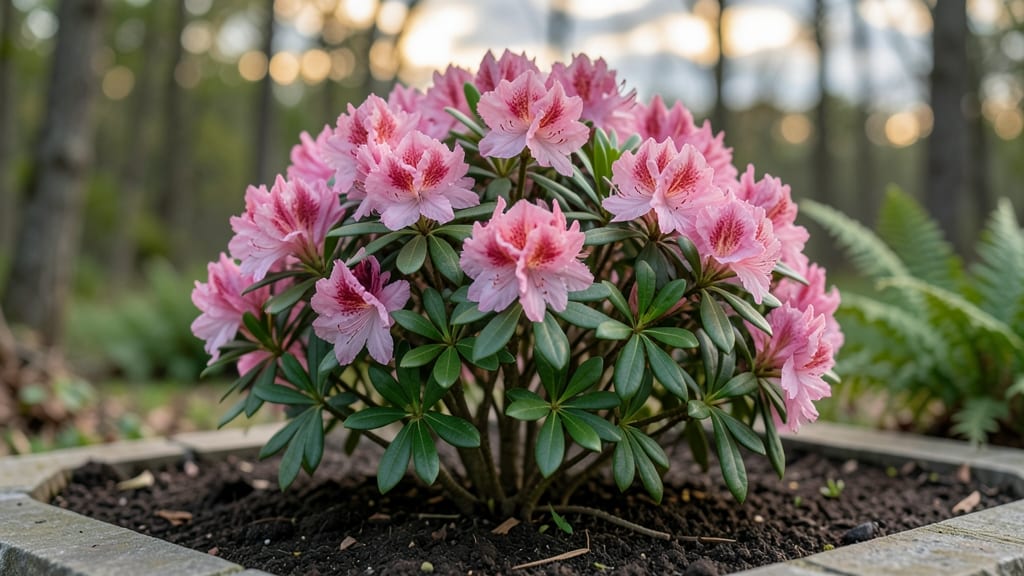
Double flowering azaleas deliver those jaw-dropping, layered blooms that make neighbors do double takes. 🌸 I’ve grown them for years, and the secret to their repeat performances isn’t what you’d expect—it’s all in the pruning timing and technique.
Most gardeners overlook how these differ from single-flowering types, which is why so many end up with just one weak show.
The right approach starts with acidic, well-draining soil and morning sun with afternoon shade—these plants hate heat stress. Watering’s key too: keep the roots consistently moist but never soggy, especially when buds form.
I’ve seen azaleas wilted by summer droughts or scorched by afternoon sun, and neither looks pretty. The payoff? Blooms that last 3-4 weeks and often return the following year if you prune correctly.
Here’s the game-changer: prune right after blooming, never in fall. You’ll shape the plant, encourage new growth, and set it up for next season’s show. My bushes now burst with double-layered flowers every spring, and the fragrance lingers for weeks.
The trick is patience—these shrubs take 2-3 years to mature fully, but once they do, they’re showstoppers.
Works for both container gardens and landscape plantings, though larger varieties need space. Whether you’re fixing an overgrown bush or starting fresh, this method works. Let’s get those blooms popping!
📚 In This Guide
- What you need
- Instructions
- Tips and common mistakes
- Wrapping up and next steps
What you need
- ● Double flowering azalea plants: 1-3 nursery-grown specimens (choose healthy, disease-free plants with vibrant foliage).
- ● Well-draining acidic soil: Mix peat moss or pine bark fines (50%) with native soil (50%) for optimal pH (4.5–6.0).
- ● Organic mulch: 2–3 inches of pine straw or wood chips to retain moisture and acidity.
- ● Pruning tools: 1 pair of bypass pruners (sharp, clean, and sterilized).
- ● 1 pair of loppers (for thicker branches).
- ● 1 pruning saw (for large, woody stems).
- ● Fertilizer: Azalea-specific fertilizer (high in iron and micronutrients) or slow-release granules (10-10-10 or 8-3-9 ratio).
- ● Watering can or hose: With a gentle spray nozzle for hydration.
- ● Soil pH test kit: To monitor acidity levels (aim for 5.0–6.0).
- ● Root stimulator: Like mycorrhizal fungi or seaweed extract for transplant shock.
- ● Gloves & safety goggles: For protection while pruning.
- ● Plant supports (stakes): If your azalea is young or in a windy area.
Step-by-Step guide to pruning double flowering azaleas for stunning blooms
Here's how to transform your azaleas into a repeat-blooming powerhouse with pruning techniques that boost flower production.
✂️ Step 1: Prune Right After First Blooming Cycle
Timing is everything with double flowering azaleas. Once the first flush of blooms fades completely—when 90% of flowers have dropped their petals—grab your pruners and get to work. This is the critical window to stimulate the plant's second bloom cycle. I always mark my calendar for 4-6 weeks after initial flowering, as that's when my plants are ready.
Start by removing any dead, damaged, or crossing branches first. These compete with healthy growth for energy and crowd out your prized blooms. Cut back to the nearest outward-facing bud or branch junction, using clean, sharp pruners to make 45-degree cuts. This prevents water from pooling and rotting the stem. Double flowering azaleas respond beautifully to this light shaping, so don't be afraid to open up the center for better air circulation.
☀️ Step 2: Encourage Airflow and Sun Exposure
After the initial cleanup, focus on thinning out dense growth to let sunlight penetrate deeper into the plant. Azaleas need morning sun and afternoon shade—too much direct afternoon sun can scorch their delicate blooms. I look for branches that are growing inward or rubbing against others, as these will eventually block light and create shaded spots where flowers won't develop.
Remove no more than 25% of the plant's total foliage in one session—this keeps the plant strong enough to support both new growth and the second bloom cycle. You'll see the difference immediately: the center of the plant will open up, and new growth will emerge with a fresh, vibrant green color. This is your signal that the plant is responding well to the pruning.
🌿 Step 3: Shape for Future Blooms and Health
Now it's time to refine the plant's shape. Double flowering azaleas benefit from a slightly rounded, dome-like form that allows sunlight to reach all branches evenly. I start at the outer edges and work my way inward, cutting back any branches that are growing straight up or outward too aggressively. These tend to produce fewer blooms and can make the plant look unbalanced.
For each cut, aim to leave a branch that grows at a 45-degree angle or less—this encourages stronger, more horizontal growth that will bear more flowers. Avoid cutting into old wood (wood older than 3 years), as azaleas rarely bloom on mature stems. If you accidentally cut into old wood, don't worry—just focus on the younger growth for next year's blooms. You'll notice new buds forming along the remaining branches within 6-8 weeks.
💧 Step 4: Post-Pruning Care for Maximum Blooms
After pruning, give your azalea a deep watering to help it recover. The roots need moisture to support the new growth, especially if you've removed a significant amount of foliage. Water slowly until you see 1-2 inches of water penetrate the soil—this ensures the roots get the hydration they need without running off. I always water in the early morning to allow the plant to dry out slightly during the day, reducing the risk of fungal issues.
Apply a balanced, acidic fertilizer (like a 10-10-10 or 8-3-9 formula) a week after pruning to give the plant a nutrient boost. Azaleas thrive in acidic soil with a pH between 4.5 and 6.0, so if your soil isn't naturally acidic, add a handful of sulfur or peat moss to the root zone. You'll see the difference in the next growing season—healthier foliage and even more abundant blooms.
⏰ Step 5: Prepare for Winter Dormancy
As fall approaches, reduce watering gradually to prepare the plant for dormancy. Azaleas need a period of cooler temperatures to set buds for the following year, but they shouldn't be left high and dry. Water deeply every 10-14 days once the weather cools below 60°F, allowing the soil to dry out slightly between waterings. This mimics natural seasonal changes and helps the plant harden off for winter.
If you're in a region with cold winters, mulch the base of the plant with 2-3 inches of organic mulch (like pine bark or shredded leaves) to insulate the roots and retain moisture. Avoid piling mulch directly against the trunk, as this can cause rot. By early spring, you'll see the first signs of new growth—tiny buds forming along the branches, ready to burst into another stunning display of double blooms.
Tips & tricks for pruning double flowering azaleas
These essential techniques will help you avoid common mistakes and maximize your azalea's blooming potential year after year.
Timing is Everything: The 4-6 week window after the first blooms fade is critical for stimulating that second flush. I've learned the hard way that pruning too early can cut off potential blooms, while waiting too long risks stunting new growth. Mark your calendar when you see 90% of petals drop—this is your cue to act. The plant's natural cycle needs this precise timing to redirect energy toward new buds.
Pruning Precision: When making those 45-degree cuts in Step 1, think of it as redirecting traffic—you're guiding the plant's energy toward outward growth rather than inward. I always look for the nearest outward-facing bud when pruning, as this ensures new branches will grow away from the center, creating that lush, rounded shape we want. Avoid cutting flush with the stem; leave a small bump to protect the branch collar from disease.
Post-Pruning Recovery: That deep watering in Step 4 isn't just about hydration—it's about giving your azalea the confidence to bounce back. I've seen plants struggle when I skipped this step, especially after removing significant foliage. The 1-2 inches of water penetration ensures the roots get what they need without wasting water. Early morning watering is key too; it gives the plant time to dry out during the day, reducing fungal risks that can sneak in through fresh cuts.
Winter Prep Strategy: The 60°F threshold for reducing watering in Step 5 is your signal that fall is truly arriving. This gradual adjustment mimics nature's seasonal changes, helping the plant prepare for dormancy. I've found that mulching with 2-3 inches of organic material creates the perfect insulation—like putting a cozy blanket around the roots. Just remember to keep that mulch 2 inches away from the trunk to prevent rot. The buds you'll see in early spring are your reward for this careful preparation.
Pro Tips for Double Flowering Azalea
- These essential techniques will help you avoid common mistakes and maximize your azalea's blooming potential year aft...
- Timing is Everything: The 4-6 week window after the first blooms fade is critical for stimulating that second flush. ...
- Pruning Precision: When making those 45-degree cuts in Step 1, think of it as redirecting traffic—you're guiding the ...
Frequently asked questions
Got questions about nurturing your double flowering azalea? You’re not alone! Here are answers to the most common queries—from pruning puzzles to bloom boosters.
When is the best time to prune double flowering azaleas for repeat blooms?
Prune right after the first flush of flowers fades (late spring to early summer). This encourages new growth for a second bloom later in summer or fall. Avoid heavy pruning in fall—it can damage buds forming for next spring’s show! Pro tip: Use clean, sharp shears to avoid tearing branches.
Why aren’t my double flowering azaleas blooming a second time?
Common culprits include over-pruning (cutting back too late), poor light (they need partial shade), or nutrient deficiencies. Check soil pH (ideal: 4.5–6.0) and feed with an acid-loving fertilizer in early spring. If blooms are sparse, thin out crowded branches to improve airflow.
Can I prune double flowering azaleas in winter?
Light shaping is fine in late winter (before buds swell), but avoid heavy cuts—it removes next year’s flower buds! Focus on removing dead or crossing branches. If you must prune heavily, do it immediately after blooming in spring to minimize risk.
What’s the difference between pruning single and double flowering azaleas?
Double flowering azaleas produce blooms on both old and new wood, so they’re more forgiving. Single-flowering types (like Rhododendron) bloom only on old wood—prune them right after flowering to avoid cutting off next year’s buds. Double bloomers reward patience with two shows!
My azalea leaves are yellow—is it time to panic?
Yellow leaves often signal overwatering, compacted soil, or chlorosis (iron deficiency). Check drainage, amend soil with organic matter, and test pH. If roots are soggy, reduce watering. A foliar spray with chelated iron can help chlorosis. Pro tip: Mulch with pine needles to naturally acidify soil!
Wrapping up and next steps
Double flowering azaleas are a gardener’s dream—bursting with exquisite, repeat blooms that turn any landscape into a showstopper! 🌸 With the right pruning techniques, you’ll unlock their full potential, ensuring vibrant flowers year after year.
Remember, patience and precision are key, but the rewards—lush foliage and cascading blossoms—are worth every effort.
Ready to transform your garden? Grab your pruners and start experimenting with the tips you’ve learned. Watch your azaleas thrive and become the star of your outdoor space! 🌿