Blooming
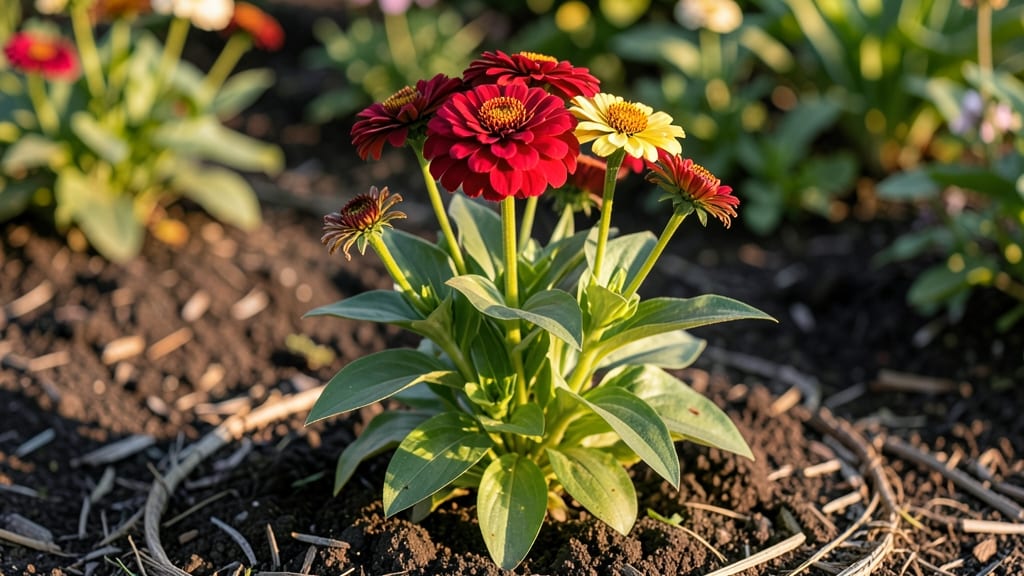
Double flowered zinnias are the showstoppers of summer gardens, their layered petals creating blooms so lush they look like they belong in a floral arrangement. 🌻 I’ll never forget the first time I grew them—they turned my ordinary garden into a riot of color, and the secret isn’t complicated.
These zinnias thrive when given the right balance of sun, water, and a little attention to their soil needs.
The key to those extra-fluffy blooms starts with well-draining soil mixed with compost—zinnias hate soggy roots but love nutrients. You can grow them from seeds (directly in the ground after frost) or transplants, but seeds give you more variety and are just as easy.
Plant them in full sun for at least 6-8 hours a day, and keep the soil consistently moist but not waterlogged. Spacing matters too: give them 12-18 inches apart to prevent overcrowding and improve air circulation.
Pruning is where the magic happens—pinch back the tips of young plants to encourage bushier growth, and deadhead spent blooms to trigger nonstop new flowers all season. These zinnias reward patience with blooms that keep coming, even in heat waves, and their pest resistance is impressive.
Just watch for aphids and spider mites, which occasionally take a bite but rarely cause serious damage.
They’re frost-sensitive, so pull them up before temperatures dip below 30°F or let them self-seed for next year’s garden. The payoff? A border so vibrant it makes every other flower in your yard look like a supporting actor. Ready to grow zinnias that steal the show?
📚 In This Guide
- What you need
- Instructions
- Tips and common mistakes
- Wrapping up and next steps
What you need
- ● Double flowered zinnia seeds: Choose heirloom or hybrid varieties like 'Benary’s Giant Double Mix' or 'Crystal Double' (1 packet = ~50 seeds).
- ● Well-draining potting mix: 10–15 lbs of organic, sterile soil blend (e.g., Miracle-Gro Potting Mix).
- ● Containers or garden bed: Containers: 6–8" pots with drainage holes (2–3 plants per pot).
- ● Garden bed: Full sun (6+ hours/day) with loose, fertile soil (amend with compost if needed).
- ● Watering can or hose: With a gentle spray nozzle for seedlings.
- ● Fertilizer: Balanced organic fertilizer (10-10-10) or compost tea (mix 1 tbsp per gallon of water).
- ● Hand trowel or transplanting spade (for planting seeds/seedlings).
- ● Pruning shears (for deadheading and shaping plants).
- ○ Gloves (optional but recommended for handling soil and thorny stems).
- ○ Stakes or tomato cages (optional, for tall varieties like 'Double Cherry').
- ● Warmth: Zinnias thrive in temperatures 70–80°F (21–27°C). Start seeds indoors 6–8 weeks before last frost or sow directly after soil warms.
- ● Sunlight: Full sun (6+ hours/day) is non-negotiable for those bold blooms!
- ● Patience: Germination takes 7–14 days—keep soil moist but not soggy.
Step-by-step instructions for growing double flowered zinnias
Here’s how to coax those lush, layered blooms from seed to showstopping garden centerpiece.
🌱 Step 1: Start Seeds Indoors or Direct-Sow After Frost
Double flowered zinnias need warmth to germinate, so I start seeds indoors 4-6 weeks before the last frost date. Fill 2-inch deep cell trays with the seed-starting mix (never garden soil—it’s too dense) and moisten it until damp but not soggy. Press the mix down lightly so it’s firm enough to hold seeds in place.
Sow 2-3 seeds per cell at a depth of ¼ inch—any deeper and they’ll struggle to push through the soil. Cover lightly with a sprinkle of extra mix, then mist the surface with a spray bottle until evenly damp. Place the tray in a warm spot (70-75°F)—a seedling heat mat speeds germination to 7-10 days. If you’re direct-sowing, wait until soil temps hit 60°F and all frost risk has passed.
☀️ Step 2: Provide Bright Light and Prevent Leggy Growth
The moment those first green shoots appear, move them to bright, indirect light immediately. A south-facing window works, but I use a grow light positioned 2-3 inches above the seedlings to prevent them from stretching toward the light. You’ll spot leggy growth as thin, pale stems with leaves spaced far apart—this means they’re not getting enough light.
Rotate the trays a quarter turn daily so seedlings grow straight. Once they develop 2-3 sets of true leaves, harden them off by placing them outside in partial shade for 1-2 hours the first day, gradually increasing time over 7-10 days. This toughens them up for transplanting without shock.
🪴 Step 3: Transplant to the Garden with Proper Spacing
Wait until nighttime temps stay above 50°F before moving zinnias outdoors. Choose a sunny spot with 6+ hours of direct sun—double flowered varieties need plenty of light to develop their full, layered blooms. Dig holes twice as wide as the root ball but no deeper, then gently remove seedlings from their trays and place them in the soil.
Space plants 12-18 inches apart—crowding leads to poor air circulation, which invites fungal diseases like powdery mildew. Water deeply at the base right after transplanting to settle the soil around the roots. Avoid wetting the leaves, as zinnias are prone to mildew when foliage stays damp.
💧 Step 4: Water Deeply and Fertilize for Continuous Blooms
Water zinnias once a week (or when the top inch of soil feels dry)—they’re drought-tolerant once established, but deep, infrequent watering encourages strong roots. I use a soaker hose to deliver moisture directly to the base without wetting the leaves. Mulch with 2-3 inches of organic mulch to retain moisture and suppress weeds.
Feed plants every 3-4 weeks with a balanced liquid fertilizer (10-10-10) diluted to half strength. Double flowered zinnias are heavy feeders, so skip the fertilizer if you notice leaves turning yellow—this usually means overwatering or poor drainage. Deadhead spent blooms by snipping stems ½ inch above a set of leaves to encourage more flowers.
✂️ Step 5: Prune and Extend the Season
Pinch back the tips of young plants when they reach 6 inches tall to promote bushier growth. This simple step prevents leggy stems and ensures more blooms. In late summer, when zinnias start slowing down, give them a light trim—cut back ⅓ of the plant height to rejuvenate growth and extend the flowering season.
To overwinter zinnias in colder climates, cut plants back to 4 inches tall after the first frost, then cover the base with 4-6 inches of mulch. Some varieties may resprout the following spring, giving you a head start on the season. If you’re in a warmer zone, let them self-seed—zinnias are prolific producers!
Tips & tricks for growing double flowered zinnias
These simple strategies will help you cultivate zinnias with those dramatic, layered petals that make them stand out in any garden.
Temperature Matters: The 70-75°F warmth needed for germination is crucial—any cooler and seeds may take weeks longer to sprout. I've found that placing trays on top of the fridge or using a seedling heat mat makes all the difference. For direct sowing, wait until soil temps hit 60°F—cold soil can stunt young plants before they even get started.
Lighting Secret: In Step 2, when you notice seedlings stretching toward the light (that's leggy growth), it's time to act fast. Move them closer to your light source or rotate them more frequently. I keep my grow lights just 2-3 inches above the seedlings and run them for 14-16 hours per day—this prevents that weak, spindly growth that can't support the heavy blooms.
Transplanting Timing: Don't rush to transplant when nighttime temps dip below 50°F. Zinnias are tender and will bolt or wilt if shocked by cold. I've learned the hard way that waiting for consistently warm nights pays off with stronger plants that bloom more abundantly. The 12-18 inch spacing is non-negotiable—crowded plants develop mildew faster.
Pruning Strategy: When you pinch back those tips at 6 inches tall, you're not just promoting bushiness—you're setting up the plant for better air circulation. This simple step reduces the risk of powdery mildew, which can ruin those gorgeous double blooms. In late summer, that ⅓ height trim gives plants a second wind for fall blooms.
Pro Tips for Double Flowered Zinnias
- These simple strategies will help you cultivate zinnias with those dramatic, layered petals that make them stand out ...
- Temperature Matters: The 70-75°F warmth needed for germination is crucial—any cooler and seeds may take weeks longer ...
- Lighting Secret: In Step 2, when you notice seedlings stretching toward the light (that's leggy growth), it's time to...
Frequently asked questions
Got questions about growing double flowered zinnias?
You’re not alone! Here are answers to the most common queries to help you cultivate showstopping blooms with ease.
Are double flowered zinnias harder to grow than single-flowered varieties?
Not at all! Double flowered zinnias thrive under the same conditions as their single-petaled cousins—they just require a little extra care. Their lush petals can be slightly more delicate, so avoid heavy rain or wind, and deadhead regularly to encourage more blooms. With proper spacing and support (like stakes for tall varieties), they’ll flourish just as happily!
How long does it take for double flowered zinnias to bloom after planting?
Patience pays off! From seed, expect blooms in 60–75 days (depending on your climate and variety). If you start with transplants, you’ll see flowers in as little as 4–6 weeks. For a continuous display, stagger plantings every 2–3 weeks—your garden will thank you with nonstop color!
What pests or diseases should I watch for with double flowered zinnias?
Double flowered zinnias are generally pest-resistant, but keep an eye out for aphids, spider mites, or whiteflies (they love the dense petals!). For fungal issues like powdery mildew, ensure good airflow and avoid overhead watering. A quick spray of neem oil or insecticidal soap can save the day if problems arise. Prevention is key—healthy plants are happy plants!
Can I grow double flowered zinnias in containers? Yes, but with a few tweaks!
Choose compact varieties (like ‘Crystal’ or ‘Benary’s Giant’) and use containers at least 12 inches deep with well-draining soil. Place them in full sun and water consistently—containers dry out faster. For extra support, add a small cage or stake. Just remember: the smaller the pot, the shorter the blooming season, so opt for larger containers for longer enjoyment.
Why aren’t my double flowered zinnias opening fully?
If your zinnias are staying tightly closed, it’s often due to heat stress, low humidity, or overcrowding. Try moving them to a slightly shadier spot during peak afternoon sun, or mist the blooms lightly in the morning. Overly dense petals can also weigh buds down—thinning out flowers early can encourage better opening. Patience helps too; some varieties take time to fully unfurl!
Wrapping up and next steps
Double flowered zinnias are a showstopper for any garden—packing bold colors, easy care, and endless charm into one vibrant package! Whether you’re a seasoned gardener or a beginner, these beauties prove that stunning blooms don’t require complicated work.
Now that you’re armed with the right materials and answers to common questions, it’s time to roll up your sleeves and plant!
🌱 Next step: Pick a sunny spot, grab your seeds (or cuttings!), and let your garden burst with color this season. Share your progress—we’d love to see your double-flowered zinnias in full glory! 📸