
Flowers
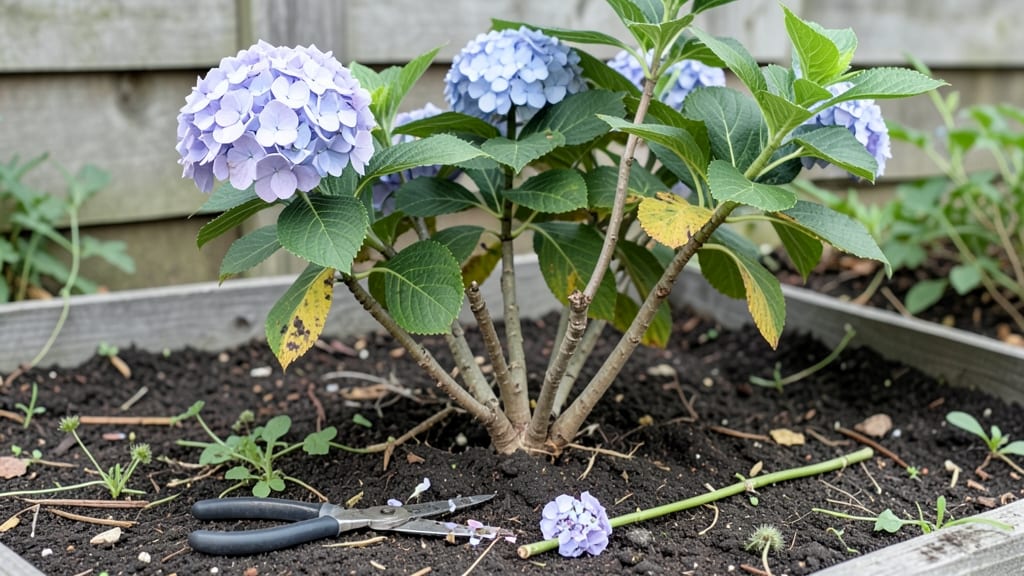
Cutting hydrangea flowers at their peak transforms your yard into a floral goldmine. ✨ I’ve learned the hard way—waiting too long means floppy stems and sad bouquets, but timing it right gives you bold, sturdy blooms that last for weeks in a vase.
The secret isn’t just when you cut, but how: sharp tools, clean snips, and knowing which stems hold the most potential.
You’ll need clean pruners or sharp scissors, a bucket of water to keep stems fresh, and a sunny morning when blooms are fully open but still firm. Avoid cutting when flowers are fully wilted—they won’t revive.
For best results, harvest on a dry day when stems are hydrated, and always cut just above a leaf node to encourage new growth.
Once you’ve made your cuts, strip the lower leaves and plunge stems immediately into lukewarm water to prevent air bubbles from blocking their drink.
Inside, recut stems at an angle every few days to keep them drinking, and watch as your bouquet stays vibrant for 10+ days—far longer than store-bought arrangements. The plant? It’ll bounce back stronger, ready for next year’s harvest.
This works for bigleaf, panicle, and oakleaf hydrangeas, though timing varies slightly by type. For example, panicle hydrangeas bloom later, so cut them in late summer when flowers are just opening. Now, let’s get those blooms looking their absolute best—before they’re gone.
📚 In This Guide
- What you need
- Instructions
- Tips and common mistakes
- Wrapping up and next steps
What you need
- ● Sharp pruning shears or floral scissors – Look for bypass-style blades (5–7 inches long) for clean cuts.
- ● Clean, sharp knife or secateurs – For thicker stems (e.g., oakleaf hydrangeas).
- ● Bucket or vase of water – Fill with room-temperature water to keep stems hydrated.
- ● Hydrangea flowers – Choose fully bloomed clusters (mophead, lacecap, or panicle types work best).
- ● Newspaper or paper towels – To dry stems and remove excess foliage.
- ○ Floral preservative (optional but recommended) – Commercial mix or DIY (sugar + bleach + acidifier).
- ● Hydrogen peroxide (1 tsp per quart of water) – Cleans stems and prevents bacterial growth.
- ● Clear nail polish – Seals cut stems to lock in moisture.
- ● Floral foam or chicken wire – For arranging larger bouquets.
- ● Pruning sealant – If cutting from live plants (to prevent disease).
- ● Rubbing alcohol or bleach-soaked cloth – For sterilizing tools between cuts.
Step-by-Step guide to cutting hydrangea flowers for maximum freshness
Here’s how to harvest hydrangeas at their peak so every bouquet lasts weeks—not days.
🌿 Step 1: Time Your Cut for Peak Bloom
Hydrangeas reach their best color and firmness in the early morning after dew has evaporated but before the sun intensifies. This is when stems are fully hydrated and cuts heal fastest. Avoid cutting after rain—waterlogged stems wilt rapidly. I always check the buds first: they should be fully open but still firm to the touch, with vibrant color that hasn’t faded.
If you’re working with mophead varieties, wait until at least 70% of the blooms on a stem have opened. For lacecap types, harvest when 50% of the smaller flowers show color. Cutting too early means weak stems and short vase life; too late, and blooms will be past their prime within days.
✂️ Step 2: Use the Right Tools and Technique
Never use scissors or dull shears—they crush stems and block water uptake. Grab your clean, sharp pruners and make a 45-degree angle cut about 6 inches below the flower head. This angled cut increases the surface area for water absorption, which is critical for hydrangeas’ thick stems. I always disinfect my pruners with rubbing alcohol between cuts to prevent bacterial spread.
Look for new growth nodes just below the bloom—these are the small bumps where leaves attach. Cutting just above a node ensures the stem can regenerate if the flower is damaged. Avoid cutting into old wood (the brown, woody stems)—this weakens the plant and shortens future blooms.
💧 Step 3: Prepare Stems for Long-Lasting Freshness
Immediately after cutting, strip off any leaves that would sit below the waterline in your vase. Submerged leaves rot quickly and cloud the water. Use your fingers to gently remove leaves within 3-4 inches of the stem base, leaving only the top foliage to support the blooms. For extra longevity, recut the stems under lukewarm water—this opens the xylem vessels for better hydration.
Place stems in a bucket of water (not straight into the vase) and store them in a cool, shaded spot until you’re ready to arrange. Hydrangeas are heavy drinkers, so don’t let stems dry out—even a few hours out of water reduces vase life by half. I like to add a few drops of bleach or floral preservative to the water to prevent bacterial growth.
☀️ Step 4: Arrange for Maximum Display Life
Change the vase water every 2-3 days and recut stems by ½ inch each time. Hydrangeas thrive on fresh water—stale water breeds bacteria that clog stems and cause wilting. Use room-temperature water (never cold) to avoid shocking the flowers. Place your arrangement in indirect light—direct sun causes blooms to wilt faster by increasing transpiration.
Mist the blooms lightly with water once daily to maintain humidity, especially in dry indoor air. This keeps petals crisp and prevents them from drying out at the edges. If you notice stems bending or blooms drooping, trim another ½ inch from the base and place them in fresh water immediately. With proper care, your hydrangea bouquet will stay vibrant for 10-14 days—far longer than the typical 3-5 days.
Tips & tricks for perfect hydrangea flower cuts
A few key techniques will transform your hydrangea bouquets from wilted in days to vibrant for weeks.
Timing is Everything: The early morning window between dew evaporation and peak sunlight is non-negotiable for hydrangeas. I've learned this the hard way—cutting after 10 AM often results in blooms that last only 3-4 days instead of the full 10-14 days. For mophead varieties, I wait until at least 70% of blooms show color, but never when they're fully open—this ensures maximum vase life. The petals are still firm enough to support themselves when arranged.
Cutting Technique Matters: That 45-degree angle cut in Step 2 isn't just aesthetic—it's science. The increased surface area allows stems to absorb water more efficiently, which is critical since hydrangeas are heavy drinkers. I always make my cuts just above a new growth node, about 6 inches below the bloom. This creates a stronger stem base that can better support the weight of the blooms. Don't be tempted to cut closer to the bloom—you'll sacrifice both strength and longevity.
Leaf Management is Critical: The moment you strip those lower leaves in Step 3, you're preventing bacterial growth in your vase water. I use my fingers to gently remove leaves within 3-4 inches of the stem base, being careful not to tear the stems. For extra protection, I recut stems under lukewarm water—this opens the xylem vessels and gives your hydrangeas a better chance to hydrate properly. The difference in vase life between proper leaf stripping and leaving leaves submerged is staggering—sometimes as much as 5-7 extra days.
Storage Strategy Makes All the Difference: Placing freshly cut stems in a bucket of water (not straight into the vase) and storing them in a cool, shaded spot is a game-changer. I've found that even a few hours out of water can reduce vase life by half, so I always keep my buckets ready. Adding a few drops of floral preservative or even a pinch of bleach to the water prevents bacterial growth that would otherwise clog the stems. This simple step can extend your bouquet's life by nearly a week in some cases.
Pro Tips for Cutting Hydrangea Flowers
- A few key techniques will transform your hydrangea bouquets from wilted in days to vibrant for weeks.
- Timing is Everything: The early morning window between dew evaporation and peak sunlight is non-negotiable for hydrangeas.
- Cutting Technique Matters: That 45-degree angle cut in Step 2 isn't just aesthetic—it's science.
Frequently asked questions
Got questions about cutting hydrangea flowers? You’re not alone! Here are answers to the most common queries to help you achieve showstopping blooms that last all season.
When is the best time to cut hydrangea flowers?
Cut hydrangeas when their blooms are fully open but still firm to the touch—usually in the early morning (before heat stress). Avoid cutting on rainy days, as wet flowers wilt faster. For mophead or lacecap varieties, aim for late spring to early summer for peak freshness.
How do I cut hydrangea flowers without damaging the plant?
Use clean, sharp pruners and cut at a 45-degree angle just above a leaf node or bud. Avoid over-trimming—never remove more than 1/3 of the plant’s growth in one session. For old wood bloomers (like Oakleaf), wait until after flowering to prune.
Why do my cut hydrangeas wilt so fast?
Hydrangeas are thirsty drinkers! Wilting often happens due to air bubbles in the stems or dehydration. To fix it:
- Recut stems under lukewarm water (helps them absorb faster).
- Remove lower leaves to prevent bacterial growth.
- Change water every 2 days and add a flower food packet.
Can I cut hydrangeas from my garden and use them in arrangements?
Just follow these steps for arrangement-ready blooms:
- Harvest on a dry, cool day (avoid peak sun).
- Strip excess foliage and trim stems to 12–18 inches.
- Soak stems in warm water + flower food for 1–2 hours before arranging.
What if my hydrangeas don’t rebloom after cutting?
Some hydrangeas (like Endless Summer) rebloom, while others (like Annabelle) need old wood to flower. If yours skips blooms:
- Check if you pruned too late (after buds set).
- Ensure they get 6+ hours of sun and consistent water.
- Fertilize in early spring with a balanced bloom booster.
Wrapping up and next steps
Cutting hydrangea flowers the right way ensures stunning, long-lasting blooms that brighten up any space! 🌸 With the right tools, timing, and technique—like making clean cuts at a 45-degree angle and removing leaves below the waterline—you’ll keep those flowers fresh for weeks.
Whether you’re a seasoned gardener or just starting out, a little precision goes a long way.
Ready to put your new skills to the test? Grab those shears, head to your garden, and give your hydrangeas the care they deserve! Your future bouquets will thank you.