
Shrubs
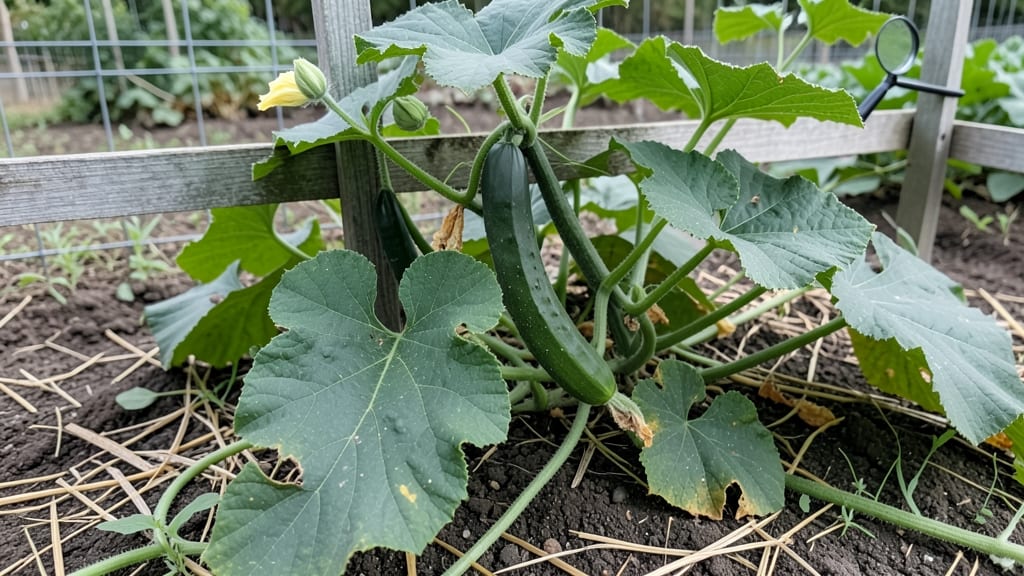
Cucumber plants not flowering usually boils down to one of three quick fixes: light, heat, or stress. I’ve watched my own vines go from lush and leafy to completely fruitless—until I adjusted the basics. The good news? Most fixes take less than 30 minutes and start working within days.
Too little sunlight or temperatures below 70°F shut down flowering like a light switch. Cucumbers need at least 6-8 hours of direct sun daily and soil temps above 65°F to set flowers.
If your plants are shaded or your spring is still chilly, move them to a sunnier spot or use a black plastic mulch to warm the soil faster.
Once you’ve got the light and heat right, check for hidden stress—overwatering, pests, or poor soil can block flowering too. Prune back any leggy vines to focus energy on new growth, and add a balanced fertilizer (like 10-10-10) if the leaves look pale.
Within a week, you’ll see buds forming where there were none before.
This works for both bush and vining cucumbers, whether you’re growing in containers or the ground. The key is acting fast—once the plants start flowering, you’ll have fruit in 7-10 days. Let’s get those vines producing!
Root Causes of Stalled Blooms
Understanding why your cucumber plants refuse to flower is the first step to reviving their fruit production. 🌱💔 These plants are sensitive to environmental and cultural cues, and when those signals go awry, they’ll skip the flowering stage entirely.
Below are the most common reasons—each with a clear scientific explanation—so you can pinpoint the issue and take action.
Cucumbers (Cucumis sativus) are warm-season crops that thrive in specific temperature ranges. If conditions stray too far from their comfort zone, they’ll pause flowering to conserve energy.
Why it happens:
- Cold stress: Temperatures below 50°F (10°C) at night or 60°F (15°C) during the day slow metabolic processes, including hormone production (like ethylene and gibberellins) that trigger blooms. Cold also disrupts pollen viability, even if flowers form.
- Heat stress: While cucumbers love warmth, consistent highs above 90°F (32°C) can cause heat sterilization—where pollen fails to develop properly, leading to empty flowers or no flowers at all. High temps also increase respiratory stress, diverting energy away from reproductive growth.
Actionable fix:
- Use row covers or cloches to protect young plants from late frosts.
- Provide afternoon shade in scorching climates (e.g., black shade cloth).
- Choose heat-tolerant varieties like ‘Straight Eight’ or ‘Lemon Cucumber’ if you’re in a hot zone.
Water is the lifeblood of flowering, but cucumbers are particular about their hydration balance. Fluctuations in moisture levels send mixed signals to the plant, halting flower production.
Why it happens:
- Inconsistent watering: Cucumbers have shallow roots that need even moisture. Drought stress triggers the plant to produce abscisic acid (ABA), a hormone that pauses growth and flowering to survive. Conversely, overwatering leads to root asphyxiation, cutting off nutrient and oxygen supply to developing buds.
- Salt buildup: Poor drainage or hard water can cause salt accumulation in the soil, which disrupts calcium uptake
Actionable fix:
- Water deeply 1–2 times per week (1–1.5 inches per week), aiming for the soil, not the leaves (to prevent fungal issues).
- Use drip irrigation or soaker hoses to maintain steady moisture.
- Test your soil’s drainage: If water pools after 30 minutes, amend with compost or perlite.
Cucumbers are heavy feeders, but their nutritional needs shift dramatically when transitioning from vegetative to flowering growth. A misstep here can leave them stuck in “leaf mode.”
Why it happens:
- Nitrogen overload: Excess nitrogen (N) promotes lush foliage at the expense of flowers. The plant prioritizes leaf growth because nitrogen fuels chlorophyll production, not reproductive structures.
- Phosphorus deficiency: Phosphorus (P) is the “flowering nutrient”—it activates enzymes that trigger blooms. Low P levels (common in sandy soils) delay or prevent flower initiation.
- Potassium shortages: Potassium (K) regulates stomatal function and hormone transport. Without enough K, flowers may form but abort due to poor pollination or weak cell walls.
Actionable fix:
- Side-dress with a balanced fertilizer (10-10-10 or 5-10-10) when vines are 12–18 inches tall.
- Add bone meal or rock phosphate (for P) at planting.
- Use kelp meal or greensand (for K) if your soil tests low.
Cucumbers are sun-worshippers—they need 6–8 hours of direct sunlight daily to photosynthesize enough energy for flowering. Shade or weak light starves them, literally.
Why it happens:
- Insufficient light: Below 4,000–5,000 foot-candles of light, cucumbers shift into “survival mode,” producing fewer flowers to conserve energy. This is common in container gardens or northern climates.
- Competition: Tall plants (like corn or sunflowers) or nearby structures (fences, walls) can cast partial shade, reducing light exposure by 30–50%—enough to stall blooms.
Actionable fix:
- Plant cucumbers in the sunniest spot of your garden, ideally facing south (in the Northern Hemisphere).
- Use reflective mulch (like white plastic) to bounce extra light onto plants.
- If growing in containers, place them on a sunny patio or balcony and rotate them weekly for even exposure.
Even if flowers appear, they may not set fruit without proper pollination. Cucumbers rely on insects (bees, butterflies) or wind to transfer pollen—but urban gardens or weak flowers can disrupt this process.
Why it happens:
- Lack of pollinators: In bee-scarce environments (common in cities or after pesticide use), cucumber flowers may go unpollinated, leading to empty or aborted fruit.
- Male vs. female flower imbalance: Cucumbers produce male flowers first (which release pollen) followed by female flowers (which develop into fruit). If male flowers drop before females open, pollination fails.
- Poor flower structure: Heat or humidity can cause flowers to close prematurely or develop weak stamens, reducing pollen viability.
Actionable fix:
- Hand-pollinate by gently brushing male flowers onto female flowers (female flowers have a tiny cucumber at their base).
- Plant bee-friendly companions like borage, nasturtiums, or marigolds nearby.
- Avoid broad-spectrum pesticides—opt for neem oil or insecticidal soap instead.
Each of these factors can individually—or in combination—halt cucumber flowering. The good news? Most issues are reversible with targeted adjustments. Start by checking the most likely culprit in your growing conditions, and watch those flowers (and future cucumbers!) appear in no time. 🌱💥
Quick Fixes for Blooming Cucumbers
Now that you know why your cucumber plants might be skipping the flowering stage, let’s roll up our sleeves and get them back on track! The good news?
Most issues have simple, actionable fixes—no green thumb required. Below, we’ve mapped common causes to their solutions, complete with prevention tips to keep your plants thriving long-term.
Cause: Cucumbers need warmth to flower—too hot or too cold, and they’ll stall. Solution:
- Move plants to a warmer spot (ideal daytime temps: 70–90°F). If growing outdoors, use row covers or cloches to protect from early/late frosts.
- Avoid sudden temperature swings—cucumbers hate drafts or cold nights. Use heat mats indoors or mulch outdoors to insulate roots.
- For indoor growers: Place near a south-facing window or under grow lights (12–16 hours of light daily).
Prevention Tip: 🌡️ Monitor temps with a thermometer—consistency is key!
Cause: Weak or indirect light = no energy for flowers. Solution:
- Outdoors: Ensure 6+ hours of direct sunlight daily. Prune nearby trees/shrubs blocking light.
- Indoors: Supplement with LED grow lights (12–16 inches above plants). Rotate plants weekly for even growth.
- Greenhouse growers: Add reflective surfaces (like aluminum foil) to bounce light onto lower leaves.
Prevention Tip: ✨ Rotate plants every 3–4 days to prevent lopsided growth toward the light source.
Cause: Overwatering or drought stress = flower failure. Solution:
- Water deeply but infrequently—aim for 1–1.5 inches per week (more in extreme heat). Use drip irrigation to keep soil moist but not soggy.
- Check soil moisture with your finger: Water when the top 1–2 inches are dry.
- Avoid wetting leaves (especially at night) to prevent powdery mildew, which weakens plants.
Prevention Tip: 🌱 Use mulch (straw or shredded leaves) to retain moisture and regulate soil temp.
Cause: Nutrient imbalances (too much nitrogen, too little phosphorus/potassium) stall flowering. Solution:
- Switch to a bloom-boosting fertilizer (high in phosphorus (P) and potassium (K)). Look for a 5-10-10 or 10-20-20 ratio.
- DIY fix: Mix 1 tbsp bone meal (phosphorus) and 1 tbsp wood ash (potassium) into soil at planting time.
- Organic option: Use compost tea or fish emulsion for a gentle nutrient boost.
Prevention Tip: 💡 Avoid over-fertilizing—too much nitrogen = leafy greens, no flowers!
Cause: Crowded or leggy plants waste energy on foliage instead of flowers. Solution:
- Prune suckers (small shoots in leaf axils) to redirect energy to main vines and flowers.
- Remove yellow/damaged leaves to improve airflow (reduces disease risk).
- Train vines on a trellis—this encourages upward growth and better fruit production.
Prevention Tip: 🌿 Prune regularly (every 2–3 weeks) to keep plants manageable.
Cause: Root-bound plants or poor soil = stunted growth. Solution:
- Outdoors: If plants look cramped, transplant to a larger container or spacious garden bed (12–24 inches apart).
- Indoors: Repot into a 5-gallon container with fresh well-draining potting mix.
- Refresh soil: Add compost or aged manure to depleted soil.
Prevention Tip: 🏡 Start with the right pot size—smaller pots = slower growth.
Cause: Bugs (aphids, spider mites) or fungal issues drain plant energy. Solution:
- Spray with neem oil (natural pesticide) if you spot pests.
- Remove affected leaves and disinfect pruners with rubbing alcohol.
- Prevent fungal issues by watering at the base and avoiding wet foliage.
Prevention Tip: 🦋 Encourage beneficial insects (like ladybugs) to keep pests in check!
Final Pro Tip: 🎯 Patience is key! Some cucumber varieties take 4–6 weeks to flower. If you’ve adjusted care and still see no blooms after 2 weeks, revisit the light, temp, and soil conditions.
With these fixes, your cucumber plants should be blooming like crazy in no time—ready for a bumper crop of crisp, homegrown cukes! 🥒✨
Frequently asked questions
Why are my cucumber plants putting out leaves but no flowers?
Cucumbers focus on leafy growth when they're stressed by cool temperatures (below 65°F), too much nitrogen, or insufficient sunlight. These plants need 6-8 hours of direct sun daily and soil temps above 70°F to trigger flowering. Check your growing conditions first—most issues start with light or heat.
How can I tell if my cucumber plant has male or female flowers?
Female flowers have a tiny cucumber-shaped ovary at their base, while male flowers have long stems and no ovary. Male flowers appear first and help pollinate female flowers. If you see mostly male flowers, your plant may need more phosphorus (try a 5-10-10 fertilizer).
Will pruning my cucumber plant help it flower?
Yes! Prune leggy vines and suckers (small shoots in leaf axils) to redirect energy toward flowering. Focus on keeping the main stem and strongest branches. Remove any yellow or damaged leaves too—this improves airflow and reduces stress. Prune in the morning for best results.
Can I force cucumbers to flower indoors with grow lights?
Use LED grow lights (12-16 hours/day) placed 12-16 inches above plants. Keep temps between 70-85°F and use a bloom-boosting fertilizer (like 10-20-20). Rotate plants weekly for even growth. If flowers still don't appear, check for root-bound conditions—repot if needed.
What should I do if my cucumber plant flowers but no fruit develops?
This usually means poor pollination. Hand-pollinate by gently brushing male flowers onto female flowers (use a small paintbrush). If pollinators are scarce, plant bee-friendly flowers nearby (like borage or marigolds). Also check for heat stress—temps above 90°F can sterilize pollen.