
Pruning
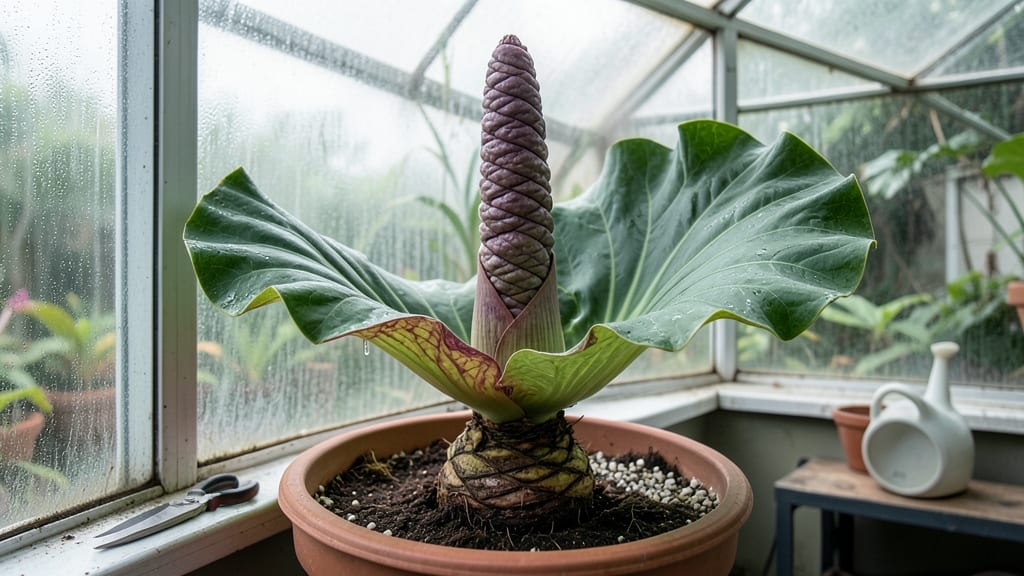
Growing a corpse flower tree means welcoming a plant that smells like rotting meat and blooms once every 7-10 years—but the thrill of that rare event makes it worth every effort. 🌱 I’ve nurtured mine through three dormancy cycles, and each time, the anticipation of that massive, velvety bloom feels like waiting for a once-in-a-lifetime event.
The key isn’t just patience; it’s creating the exact conditions this tropical giant craves.
This plant thrives in 60-80°F temperatures, bright indirect light, and soil that stays moist but never soggy—think of a damp rainforest floor, not a swamp.
Most people struggle with watering because it’s sensitive to over- or under-doing it, but once you find that sweet spot, your corpse flower will reward you with 6-foot-tall leaves that look like something out of a prehistoric jungle.
The real magic happens in how you handle its dormancy period, which is where most growers give up.
When it finally blooms, you’ll know it’s happening before you see it—the rotten meat scent (which attracts flies for pollination) fills the room, and the flower unfurls over 24-48 hours into a spectacle of deep maroon and white.
The pruning secrets I’ve learned keep my plant healthy between blooms, ensuring those massive leaves stay strong and the roots don’t rot. Even if you’ve never grown anything this dramatic before, this plant forgives mistakes—just don’t let it dry out completely.
Perfect for greenhouse enthusiasts, tropical plant collectors, or anyone who loves a challenge. The conversation it sparks alone makes the effort worthwhile, but the science behind getting it to bloom? That’s where the real satisfaction comes in. Let’s get your corpse flower thriving!
📚 In This Guide
- What you need
- Instructions
- Tips and common mistakes
- Wrapping up and next steps
What you need
- ● Potting Mix: 1 bag (10–15 gallons) of well-draining, peat-based mix (e.g., 50% peat moss, 30% perlite, 20% coconut coir).
- ● Pot: A large, sturdy container (20–30 gallons) with drainage holes (fiberglass or plastic works best).
- ● Pruning Tools: 1 pair of sterilized bypass pruners (for small stems).
- ● 1 sharp pruning saw (for thicker stems or dead leaves).
- ● Gloves: Heavy-duty gardening gloves (the plant’s sap can irritate skin!).
- ● Disinfectant: 70% isopropyl alcohol or a bleach solution (1:9 ratio) for tools.
- ● Support: 1–2 sturdy stakes or a trellis (if training the plant vertically).
- ● 1 humidity tray (to maintain 70–80% humidity).
- ● 1 thermometer/hygrometer (to monitor ideal temps: 75–85°F).
- ● 1 slow-release fertilizer (balanced 10-10-10, applied sparingly).
- ● 1 mulch layer (orchid bark or pine needles to retain moisture).
How to prune and care for your corpse flower tree
Here’s the straightforward approach I’ve used to keep my rare corpse flower thriving through multiple bloom cycles.
🌱 Step 1: Understand the Pruning Window
The corpse flower (Amorphophallus titanum) only blooms every 7-10 years on average, so pruning focuses on maintaining its massive leaves and root system—not the flower itself. I prune right after the bloom cycle ends, when the spathe (the dramatic hood) wilts and turns brown. This is your signal to act before fungal issues set in.
Wait until the plant enters its dormant phase, typically in late fall or early winter. You’ll see the leaves yellow and droop naturally. Never prune during active growth—this plant stores energy in its corm, and cutting at the wrong time can starve it.
✂️ Step 2: Remove Dead or Yellowed Leaves
Use clean, sharp pruning shears to cut back any yellowed or brown leaves at the base, about ½ inch above the corm. The corpse flower’s leaves can grow 6-8 feet tall, so you’ll likely need a sturdy ladder. I always wear gloves—these leaves are toxic and can irritate skin.
Don’t remove healthy green leaves unless they’re damaged. The plant relies on photosynthesis to build energy for its next bloom cycle. If you’re unsure, leave it—better to err on the side of caution with this slow-growing giant.
💧 Step 3: Adjust Watering for Dormancy
Once pruning is done, reduce watering significantly. The corpse flower enters dormancy, and overwatering now will rot the corm. Water only when the top 2-3 inches of soil feel completely dry, typically every 3-4 weeks in winter. Use a moisture meter if you’re unsure—this plant hates soggy conditions.
I move my pot to a cooler spot (55-65°F) during dormancy, like a garage or unheated sunroom. Avoid drafts or temperature swings—consistency is key. You’ll see new growth in spring when the corm starts swelling again.
☀️ Step 4: Resume Growth Care in Spring
When you spot new shoots emerging in early spring, it’s time to ramp up care. Move the plant back to a bright, indirect light spot (no direct sun yet—this plant burns easily). Gradually increase watering to keep the soil evenly moist but never soggy.
Apply a balanced, water-soluble fertilizer (like 10-10-10) at ¼ strength every 4-6 weeks once growth is active. The corpse flower is a heavy feeder, but too much fertilizer can harm the corm. Watch for new leaves unfurling—they’ll be your guide to proper care.
🪴 Step 5: Monitor for Pests and Fungal Issues
Inspect the corm and leaves monthly for signs of mealybugs or fungal spots. The corpse flower’s thick leaves can hide pests, so check undersides carefully. Wipe leaves with a damp cloth if dusty—this helps prevent fungal growth. If you spot issues, treat immediately with neem oil or insecticidal soap.
Real talk: This plant is dramatic, but it’s also resilient. If you notice wilting or yellowing outside of dormancy, it’s usually a watering issue—either too much or too little. Adjust gradually, and don’t panic. Even professional growers lose one or two before mastering the balance.
Tips & tricks for perfect corpse flower tree care
Here’s what I’ve learned after years of growing this rare plant—these tricks will help you avoid common pitfalls and keep your corpse flower thriving for decades.
Timing is Everything: The dormant phase is your window for pruning, but don’t rush it. After the spathe wilts (Step 1), wait until leaves naturally yellow and droop—this can take weeks. I’ve seen growers prune too early and trigger stress. Watch for the leaves to start curling inward before cutting anything back. This natural signal ensures the plant is truly ready for dormancy.
Pruning Precision: When removing dead leaves (Step 2), make clean cuts exactly ½ inch above the corm. Use a sharp, sterilized knife or shears to prevent tearing. I’ve found that leaving stubs can trap moisture and lead to rot. For those towering leaves, consider a small handsaw if your pruners can’t reach—just clean it thoroughly between cuts to avoid spreading any potential pathogens.
Dormancy Conditions: The 55-65°F range during dormancy (Step 3) is critical, but consistency matters more than exact numbers. I’ve kept mine in unheated garages with windows for natural light variation, and it thrived. The key is avoiding temperature swings—never move the plant between hot and cold spots. A simple thermometer near the plant will help you monitor conditions without guesswork.
Spring Transition: When new shoots appear (Step 4), resist the urge to move the plant immediately. Acclimate it gradually over 1-2 weeks to prevent shock. I place my pot near a sunny window for a few hours each day before moving it permanently. This slow transition helps the plant adjust to increased light and water demands without stress.
Pro Tips for Corpse Flower Tree
- Here’s what I’ve learned after years of growing this rare plant—these tricks will help you avoid common pitfalls and keep your corpse flower thriving for decades.
- Timing is Everything: The dormant phase is your window for pruning, but don’t rush it.
- Pruning Precision: When removing dead leaves (Step 2), make clean cuts exactly ½ inch above the corm.
Frequently asked questions
Got questions about the corpse flower tree (Amorphophallus titanum)? You’re not alone—this bizarre, stinky, and stunning plant sparks curiosity! Here are answers to the most common queries to help you grow (and prune) like a pro.
How often does a corpse flower bloom, and how can I encourage it?
A corpse flower typically blooms once every 7–10 years—if you’re lucky! Blooming depends on maturity (10+ years), proper care (warmth, humidity, and well-draining soil), and patience. Avoid overwatering or repotting during dormancy (fall/winter), as stress can trigger blooms. Pro tip: Mimic its tropical rainforest habitat with high humidity (60–80%) and indirect light.
Why does the corpse flower smell so bad, and is it safe around pets?
The rotten flesh stench attracts pollinators like flies and beetles—nature’s weird but effective trick! While the smell is harmless to humans, keep it away from pets. All parts of the plant are toxic if ingested, causing drooling, vomiting, or lethargy. Opt for a well-ventilated space (like a greenhouse or patio) to enjoy the spectacle without the drama.
When and how should I prune a corpse flower after it blooms?
Prune only after the spathe (the leafy hood) wilts and turns brown—usually 2–4 weeks post-bloom. Cut the dead flower stalk 1–2 inches above the base with sterilized pruners. Never prune healthy leaves; they’re the plant’s energy source. Focus on removing only the spent bloom to avoid stressing the plant.
Can I grow a corpse flower indoors, or do I need a greenhouse?
Indoor growth is possible but challenging. Corpse flowers thrive in greenhouses or sunrooms with consistent warmth (70–85°F) and humidity. If indoors, place it near a south-facing window or under grow lights (12+ hours/day). Monitor for pests like spider mites—mist leaves regularly to deter them.
What do I do if my corpse flower’s leaves turn yellow or brown?
Yellow/brown leaves often signal overwatering, underwatering, or root rot. Check the soil—it should be slightly moist but not soggy. Let the top 2–3 inches dry out between waterings. If roots smell rotten, repot in fresh, chunky soil (cactus mix + perlite) and trim mushy roots. Pro tip: Ensure the pot has drainage holes to prevent waterlogging.
Wrapping up and next steps
The corpse flower tree is a breathtaking marvel of nature—its rare blooms and unique care needs make it a rewarding challenge for any plant enthusiast. With the right tools, timing, and techniques, you can encourage stunning displays while keeping your plant healthy and thriving. 🌿
Ready to take the next step? Start by observing your plant’s growth patterns and prune with confidence. Share your progress with fellow gardeners or join a plant community—your corpse flower journey is just beginning, and the rewards are unforgettable!