
Flowers
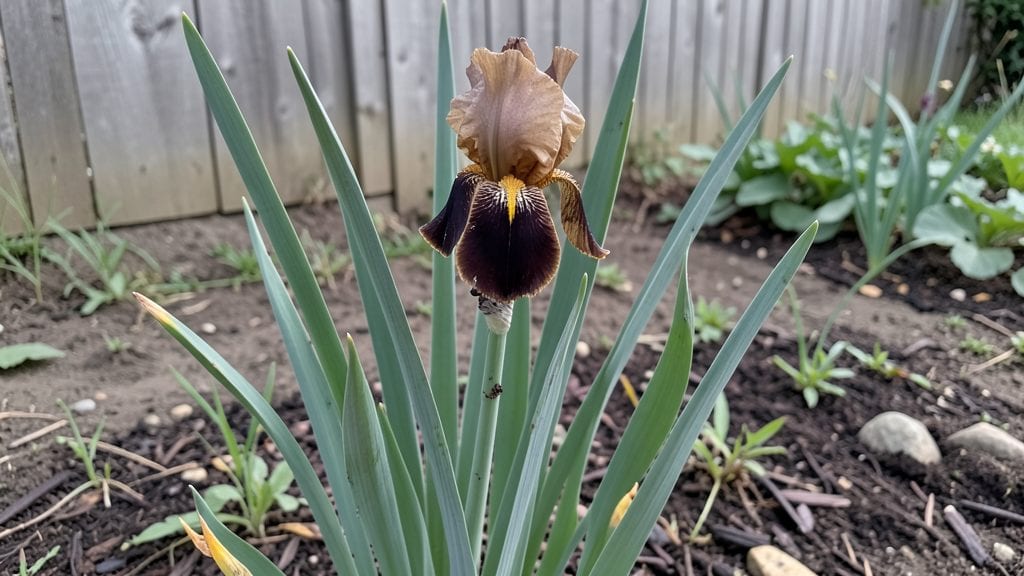
Brown iris flowers are supposed to be bold and striking, not sad and wilting—yet I’ve seen this happen more times than I’d like admit. 🌿 The first sign is often a dull, brownish tint creeping over petals, followed by drooping stems that refuse to snap back.
What’s happening isn’t just old age; it’s usually a cry for help from your irises, whether from hidden pests, fungal infections, or soil that’s just plain wrong.
The culprits behind brown iris flowers are often sneaky. Iris borers chew through stems from the inside, leaving hollow tubes that collapse under the weight of blooms.
Fungal diseases like bacterial soft rot thrive in soggy soil, turning roots to mush while leaves stay green—until they don’t. Even something as simple as too much shade or poor drainage can starve irises of the energy they need to put on a show. The good news?
Most of these problems have fixes, and they’re easier than you’d think.
Start by pruning back any brown or mushy stems at the base—don’t leave stubs, or you’ll invite more trouble. For fungal issues, a copper fungicide spray (or even a baking soda mix) can work wonders if applied early.
Amend heavy clay soil with compost and sand to improve drainage, and space plants 12-24 inches apart to let air circulate. These small changes can turn a sad iris clump into a thriving one by next season.
Prevention is where the real magic happens. Plant irises in full sun to partial shade, water only at the base (never overhead), and divide congested clumps every 3-4 years.
With these tweaks, your irises will reward you with vibrant purple, yellow, or white blooms—not brown disappointment. Let’s get those rhizomes healthy again.
Root Causes Behind Discoloration
When your once-vibrant iris blooms start showing brown spots or streaks, it’s rarely a sign of poor taste in gardening—it’s usually a cry for help from the plant itself. Understanding the underlying triggers can save your irises from permanent damage and restore their signature elegance.
Below, we break down the most common culprits, backed by science and actionable insights.
Fungi like iris borer (Macrophomina phaseolina) and leaf spot (Drechslera iridis) thrive in damp, shaded conditions, turning petals brown and mushy. These pathogens enter through wounds (like pruning cuts) or weak tissue, spreading rapidly in humid climates.
- 🔍 Signs to watch for:
- Dark brown, water-soaked patches on petals or leaves.
- Blackened stems at the base (a classic borer symptom).
- Premature wilting despite adequate water.
- ⚗️ Why it happens:
Fungi spores lie dormant in soil until moisture triggers germination. Irises stressed by overcrowding or poor drainage become prime targets. Drechslera iridis, for example, spreads via wind and splashing water, making shaded gardens—where airflow is limited—a hotspot.
- 💡 Actionable fix:
- Remove infected blooms immediately and dispose of them in the trash (not compost).
- Apply a copper fungicide (like Bordeaux mixture) at the first sign of spots.
- Space plants 12–18 inches apart to improve airflow and reduce humidity.
While irises tolerate shade, extreme conditions—whether scorching afternoon sun or deep, unrelenting shade—can cause oxidative stress, leading to brown, crispy edges on petals. This isn’t just cosmetic; it’s a survival mechanism to limit water loss.
| Cause | Symptoms | Scientific Explanation |
|---|---|---|
| Over-exposure to UV rays | Bleached or brown-tipped petals; leaf scorch (brown patches along edges). | UV radiation breaks down chlorophyll and anthocyanins (pigments), causing cell death. Irises adapted to partial shade lack the protective epicuticular wax layers of sun-loving plants. |
| Chronic shade deficiency | Stunted growth, dull brown or purple-black petals, weak stems. | Insufficient light reduces photosynthesis, forcing the plant to redirect energy to survival. This leads to anthocyanin overproduction (the dark pigment) as a stress response. |
💡 Actionable fix:
- Provide dappled sunlight (3–6 hours of morning sun + afternoon shade). Use light-colored mulch to reflect heat.
- For deep shade, supplement with a grow light (12–14 hours/day) during winter.
- Water deeply but infrequently to encourage strong root systems (brown edges often signal osmotic stress from shallow watering).
Irises are drought-tolerant but hate soggy feet. Brown discoloration often stems from improper hydration, whether from dehydration or root rot.
- 🚰 Underwatering:
Petals develop brown, papery edges as cells lose turgor pressure. This is the plant’s way of sealing off damaged tissue to prevent further water loss.
- 🌊 Overwatering:
Brown, mushy stems and a sour, rotten smell at the base signal phytoftora root rot, a fungal disease thriving in waterlogged soil. Irises need well-draining soil (pH 6.0–7.0) to prevent this.
⚗️ Why it happens:
Irises store nutrients in their rhizomes, which are sensitive to moisture extremes. Overwatering suffocates roots by displacing oxygen, while underwatering triggers abscisic acid production—a stress hormone that causes browning.
💡 Actionable fix:
- Water only when the top 2 inches of soil are dry (stick your finger in to test!).
- Amend heavy clay soil with perlite or coarse sand to improve drainage.
- Ensure proper spacing (12–24 inches apart) to reduce competition for water.
- Mulch with gravel or pine bark to wick away excess moisture.
While fungi and environmental factors are common, insects like thrips and iris borers can also cause brown streaks or holes in petals. These pests inject toxins or physically damage tissue, leading to necrotic (dead) spots.
| Pest | Damage Type | How to Confirm |
|---|---|---|
| Iris Borer (Macrosiphum iridis) | Brown, frass-covered tunnels in rhizomes; wilting blooms. | Dig up rhizomes—look for white, worm-like larvae inside. |
| Thrips | Silver or brown streaks on petals; distorted buds. | Shake blooms over white paper—tiny (1/16 inch) black insects appear. |
| Aphids | Sticky honeydew on leaves; brown, curled petals. | Check undersides of leaves for clusters of tiny green/black bugs. |
💡 Actionable fix:
- Spray with neem oil (1 tbsp per quart of water) weekly during bloom season.
- Introduce beneficial nematodes (Steinernema carpocapsae) to target borers in soil.
- Remove and burn infested rhizomes
Revive Your Blooms Naturally
When your irises develop brown patches or fail to thrive, quick action can restore their lush, vibrant appearance. Below are targeted solutions for common issues—from fungal infections to environmental stress—along with preventive tips to keep your shade-loving irises flourishing for years.
Fungal infections like iris leaf spot or root rot often cause brown, water-soaked patches on leaves or stems. Here’s how to tackle them:
🔥 Step 1: Remove Infected Parts
- 👨🍳 Snip off brown, mushy, or discolored leaves and rhizomes with sterilized pruners (wipe with rubbing alcohol between cuts).
- 🗑️ Dispose of infected debris in the trash (not compost) to prevent reinfection.
🍳 Step 2: Apply Fungicide
- 💡 Pro Tip: Use a copper-based fungicide (like copper sulfate) or a neem oil spray for organic control.
- ⏰ Timing: Spray at dawn or dusk when humidity is high, and repeat every 7–10 days until new growth appears.
🌡️ Step 3: Improve Airflow & Drainage
- 🌬️ Space plants 12–18 inches apart to reduce humidity buildup.
- 🏗️ Amend soil with perlite or coarse sand to prevent waterlogging.
✨ Prevention:
- 💧 Water at the base (avoid overhead sprinkling).
- 🌿 Mulch lightly (1–2 inches) with pine needles or straw to deter fungal spores.
If your irises look leggy, weak, or brown at the tips, they may be struggling with light, water, or nutrients.
🔪 Step 1: Check Light Conditions
- 📊 Ideal shade: Partial shade (3–6 hours of morning sun).
- 🌳 Relocate if in deep shade (e.g., under dense trees)—try a spot with dappled sunlight.
💧 Step 2: Adjust Watering Habits
- 🌧️ Overwatering? Let soil dry 2–3 inches deep between waterings.
- 🏜️ Underwatering? Irises tolerate drought but may need deep watering during heatwaves.
💪 Step 3: Feed for Recovery
- 🍎 Fertilize lightly in early spring with a balanced, low-nitrogen fertilizer (e.g., 5-10-10).
- 🥗 Avoid high-nitrogen fertilizers—they promote leafy growth over blooms.
🎯 Prevention:
- 🔄 Divide clumps every 3–4 years to prevent overcrowding.
- 🍂 Plant in well-draining soil (irises hate soggy roots!).
Sap-sucking pests like thrips, aphids, or iris borers can leave brown, crunchy damage.
🔥 Step 1: Inspect & Remove Pests
- 🔍 Check undersides of leaves for tiny insects or eggs.
- 🚿 Blast off pests with a strong spray of water (early morning).
🍳 Step 2: Use Natural Repellents
- 🌿 Spray with soapy water (1 tsp mild soap per quart of water).
- 🍋 Try garlic or chili pepper spray (1 chopped garlic clove + 1 tbsp cayenne in 1 quart water).
🏰 Step 3: Trap Borers Early
- 🌳 Watch for sawdust-like frass (borer droppings) in stems.
- 🔪 Cut open stems to remove larvae, then dispose of infested parts.
✨ Prevention:
- 🕷️ Encourage beneficial insects (ladybugs, lacewings) by planting dill or marigolds nearby.
- 🌱 Rotate planting spots every few years to disrupt pest cycles.
For fast reference, here’s a cause-to-solution cheat sheet:
| Problem | Quick Fix | Prevent Next Time |
|---|---|---|
| Fungal spots | Prune + fungicide spray | Improve airflow, avoid overhead water |
| Wilting/weak growth | Check light + adjust watering | Divide clumps, amend soil |
| Pest damage | Soapy water spray + remove pests | Plant companion pests-repelling flowers |
💡 Final Tip: Irises are tough but appreciate consistent care. Monitor them regularly, and don’t hesitate to dig up and inspect rhizomes if issues persist—early action saves your blooms!
Frequently asked questions about brown iris flowers
Why are my iris petals turning brown instead of their usual color?
Brown iris petals usually signal stress from fungal infections (like leaf spot), pest damage, or environmental issues. Check for waterlogged soil, poor drainage, or signs of insects like iris borers. Fungal diseases thrive in damp conditions, while pests create physical damage that causes browning.
Can I save my irises if the stems are brown and mushy?
Yes, but act fast! Prune away all brown/mushy stems at the base and dispose of them in the trash. Apply a copper fungicide or neem oil spray to prevent spread. Improve airflow by spacing plants 12-18 inches apart and ensure well-draining soil with perlite or sand.
How do I tell if brown spots are from disease or just old age?
Disease causes soft, water-soaked brown patches that spread quickly, while natural aging shows dry, crispy edges. Look for blackened stems (fungal infection) or tiny insects (pests). If the brown areas are mushy or smell sour, it's likely a fungal issue needing immediate treatment.
Will overwatering cause brown iris flowers?
Overwatering leads to root rot and fungal growth, both of which cause brown, mushy stems. Let soil dry 2-3 inches deep between waterings and amend heavy clay soil with perlite or coarse sand. Mulch lightly with pine needles to prevent moisture buildup at the base.
Can I still use brown iris blooms in arrangements?
Only if the browning is cosmetic (like dry edges) and not from disease. Remove any brown stems before arranging, and avoid using blooms from plants with fungal infections to prevent spreading spores. Healthy-looking irises with just minor browning can still add texture to bouquets.